877-929-7665

Pool Financing Options: How to Choose the Right Path for Your Fiberglass Pool
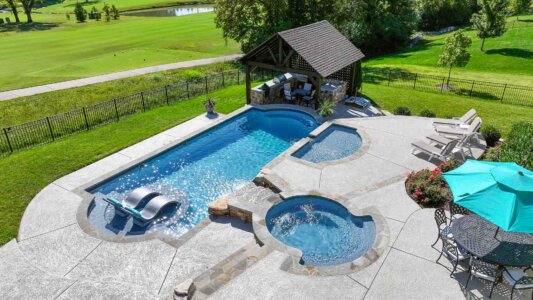 If you’re researching pool financing options, you’re probably asking a practical question, not a dreamy one: How do I make this work without stretching my budget too far? That’s exactly where smart pool financing starts. Most homeowners do not pay for a fiberglass pool one way alone. They compare options, weigh tradeoffs, and choose the path that fits their savings, equity, timeline, and comfort with monthly payments.
How to Finance a Pool: Start With the Full Project Budget
Before you compare pool financing options, get clear on the total project. Fiberglass pool pricing depends on pool size, site conditions, access, geography, patio and landscaping choices, and add-ons like heaters, covers, lighting, and fencing. That matters because the best financing options for a $60,000 project may not be the best options for an $85,000 or $120,000 backyard project.
Pool Loan Options and Personal Loans
When people ask how to finance a pool, pool loans usually come up first. In practice, these often work like unsecured personal loans. That can make them useful for buyers who want speed or who do not want to borrow against their home. The tradeoff is cost. Unsecured loans often carry higher rates and lower borrowing limits than equity-based options.
This route can make sense when you want a simple approval process, you have strong credit, or you need funding that works well alongside other sources. It can also help if you want to move quickly on the construction timing. Specialty pool lenders may offer larger unsecured loan amounts and longer terms, but your rate and approval still depend on credit, income, and overall financial profile.
Swimming Pool Financing Options: Home Equity Loan vs. HELOC
For many homeowners, the best way to finance a pool comes down to home equity. A home equity loan gives you a fixed amount borrowed against your home’s equity. That structure works well when you know your project budget and want predictable payments.
A home equity line of credit (HELOC) works differently. It gives you a line of credit that you can draw from as needed, with flexibility that can help when your project includes staged expenses like decking, landscaping, fencing, or later upgrades.
The tradeoff with both options is simple. Rates often look better than unsecured loans, but your home secures the debt. You also need enough equity to qualify, and you may face appraisal, closing, or lender fees depending on the product.
Ways to Finance a Pool With Cash-Out Refinancing or Dealer Financing
A cash-out refinance replaces your current mortgage with a larger one and gives you the difference in cash. This option can help homeowners tap equity for improvements, but it can also extend repayment and increase risk if payments become too heavy. It usually makes the most sense when rates are favorable, and you have meaningful equity built up.
Some homeowners also explore pool dealer financing programs, which usually means your builder or dealer conveniently connects you with a financing partner. Be sure to compare dealer options against outside lenders so you understand the rates, terms, fees, and monthly payments clearly.
Is Paying Cash the Best Way to Finance a Pool?
Not every conversation about swimming pool financing options should end with a loan. Paying with cash out of pocket for at least a portion of the price tag can lower interest rates, reduce total project cost, and give you more flexibility later. It also pairs well with a hybrid strategy, such as using savings for the pool shell and financing only the patio or upgrades.
What’s the Best Way to Finance a Pool?
The honest answer is that the best way to finance a pool depends on three things
- Your credit profile
- Your available home equity
- The size of the backyard project you want to build
If a low rate matters most, home equity products usually deserve a close look. If speed and simplicity matter most, pool loans or personal loans may fit better. If you want the lowest total cost, paying cash often wins out. Many homeowners land somewhere in the middle and use a combination.
Compare Pool Financing Options Before You Commit
A smart next step is to run the numbers before you talk yourself into or out of any backyard pool project. Try out the Thursday Pools Financing Calculator to estimate potential daily or weekly payments based on loan amount, interest rate, and term. Then connect with a local independent dealer to talk through your pool vision, your site, and the financing possibilities that fit your budget.
FAQ: Pool Financing Options
What are the most common pool financing options?
The most common pool financing options are pool loans from specialty lenders, home equity loans, HELOCs, cash-out refinancing, personal loans, and paying cash. Many buyers use a combination instead of relying on one source.
What is the best way to finance a swimming pool?
Best for lower rates usually means a home equity loan or HELOC. Best for speed and simplicity often means a pool loan or personal loan. Best for lowest overall cost means paying cash. The right answer depends on your credit score, home equity, and total project budget.
What credit score is needed to finance a pool?
Requirements vary by lender, but higher scores usually unlock better rates and terms. Some lenders may consider borrowers in the mid-600s, while stronger credit generally improves approval odds and pricing.
How much can you finance for a swimming pool?
Loan amounts vary widely by lender and borrower profile. Some specialty lenders advertise loans from $20,000 up to $200,000 or more, while your actual approval depends on credit, income, and overall financial picture. Many fiberglass pool projects fall somewhere within the $50,000 to $120,000 range.
Is it better to finance a pool or pay cash?
Paying cash avoids interest and lowers the total project cost. Financing preserves savings, spreads cost over time, and can make a larger backyard plan possible sooner. Many homeowners choose a mix of cash plus financing.
How long are pool financing terms?
Terms vary by product, but 7- to 20-year repayment windows are common. Longer terms usually have lower monthly payments, while shorter terms reduce total interest paid.