877-929-7665
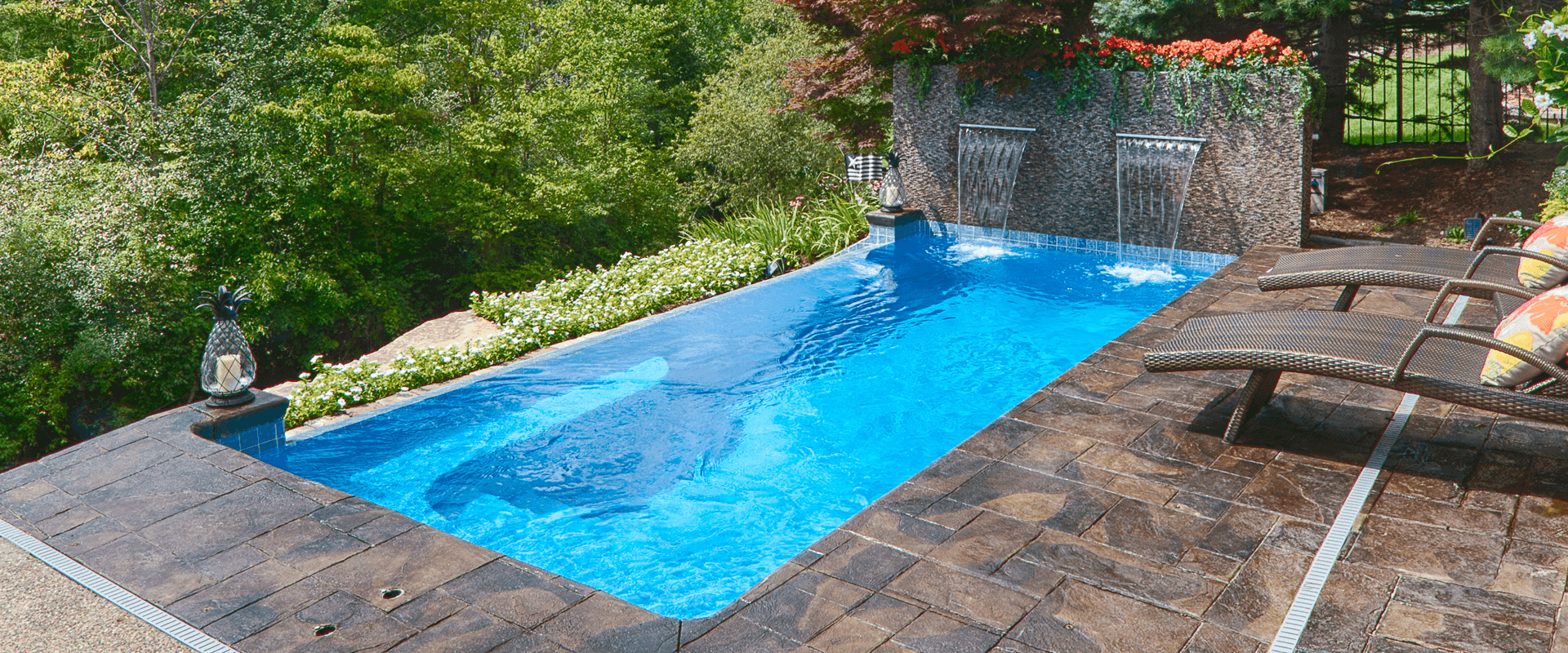
Everything You Need to Know About Inground Pools: Comparing Fiberglass, Vinyl, and Gunite Options
Quick Answer: Comparing Fiberglass vs. Vinyl vs. Gunite Inground Pools
Fiberglass, vinyl liner, and concrete (gunite) are the three types of inground pools. Fiberglass pools require the least maintenance and typically install in two to four weeks. Vinyl liner pools usually cost the least upfront. Concrete pools allow for the most custom shapes and designs. Each type differs on installation time, initial installation cost, ongoing maintenance, and long-term value.
Inground pools come in three types—fiberglass, vinyl liner, and concrete—each with different costs, installation timelines, maintenance requirements, and design possibilities. Understanding the differences between inground pool types is the first step toward choosing the right one for your backyard, your budget, and how you plan to use it. This guide covers what each inground pool type costs, how they are installed, how they compare on long-term value, and what shapes and features are available.
What Is the Cheapest Type of Inground Pool In 2026?
| Pool Type | Typical Upfront Cost | Liner / Resurfacing Cost | Weekly Maintenance |
|---|---|---|---|
| Vinyl liner | $25,000–$65,000+ | $3,000–$7,500+ every 5–15 years | Moderate |
| Fiberglass | $45,000–$100,000+ | None required | ~1 hour per week |
| Concrete (gunite) | $50,000–$120,000+ | $6,000–$15,000+ every ~10 years | Highest of the three types |
Fiberglass costs based on a 2026 Thursday Pools independent dealer network survey. All figures are typical ranges; prices vary by region, size, and dealer scope.
Vinyl liner pools typically cost the least upfront, ranging from $25,000 to $65,000 or more. Fiberglass pools usually range from $45,000 to $100,000 or more, according to a 2026 survey of independent Thursday Pools dealers. Concrete pools generally start at $50,000 and can exceed $120,000.
For a full cost breakdown by type, including long-term maintenance costs, see our Inground Pool Cost Guide.
LEARN MORE: HOW MUCH DOES AN INGROUND POOL COST IN 2026?
Read the BlogWhich Inground Pool Type Is Fastest to Install?
Fiberglass pools install the fastest, typically in two to four weeks, because the one-piece shell arrives pre-manufactured and is set into an excavated hole. Vinyl liner pools take four to eight weeks to install, depending on site conditions. Concrete pools have the longest installation timeline, at three to six months or more, for custom and complex designs.
For a full walkthrough of the fiberglass pool installation process, see our Fiberglass Pool Installation Guide.
LEARN MORE: FIBERGLASS POOL INSTALLATION: WHAT TO EXPECT AND HOW LONG IT TAKES
Read the GuideWhich Inground Pool Type Is Best?
| If your top priority is… | Best-Fit Pool Type | Why |
|---|---|---|
| Lowest upfront price | Vinyl liner | Usually the least expensive type to install initially |
| Lowest maintenance | Fiberglass | Smooth gelcoat surface helps reduce routine upkeep |
| Full customization | Gunite (concrete) | Built on-site, so shape and features are highly customizable |
| Fast installation | Fiberglass | Manufactured off-site and installed faster than gunite or vinyl |
| Long-term value | Fiberglass | No liner replacement or routine resurfacing required |
Fiberglass pools require the least ongoing maintenance, typically one hour or less per week, and never need liner replacements or resurfacing. Vinyl liner pools need a new liner every five to 15 years, typically costing $3,000 to $7,500 or more. Concrete pools require resurfacing every 10 years or so at a cost of $6,000 to $15,000, and need more chemicals to manage their porous surface.
| Inground Pool Comparison | Fiberglass | Gunite | Vinyl |
|---|---|---|---|
| Speed of installation | ★★★ | ★☆☆ | ★★☆ |
| Surface comfort | ★★★ | ★☆☆ | ★★☆ |
| Surface durability | ★★★ | ★★☆ | ★☆☆ |
| Upfront cost | ★★☆ | ★☆☆ | ★★★ |
| Maintenance time & cost | ★★★ | ★☆☆ | ★★☆ |
| Customizable | ★☆☆ | ★★★ | ★★☆ |
| High-end features | ★★☆ | ★★★ | ★☆☆ |
| Competitive warranty | ★★★ | ★★☆ | ★☆☆ |
| Environmentally friendly | ★★★ | ★★☆ | ★☆☆ |
| Overall investment | ★★★ | ★★☆ | ★☆☆ |
LEARN MORE: HOW MUCH DOES AN INGROUND POOL COST?
Read the GuideWhich Inground Pool Type Comes With the Most Built-In Features?
Fiberglass pools come with the most built-in features of any inground pool type. Tanning ledges, bench seating, entry steps, courtesy ledges, or beach entries are molded directly into the shell at no additional construction cost.
Vinyl liner pools can incorporate some built-in features, but require additional on-site construction to do so.
Concrete pools offer the greatest overall design flexibility with no limits on shape or size, but built-in features are custom-built on-site and add to both cost and timeline.
For a comprehensive look at inground pool shapes, sizes, and design possibilities by pool type, see our Inground Pool Shapes Guide.
LEARN MORE: INGROUND POOL SHAPES AND SIZES: WHICH TYPE OFFERS WHAT
Read the GuideIs a Fiberglass Inground Pool Right for You?
Fiberglass pools suit homeowners who prioritize low maintenance, fast installation, and long-term value over complete design flexibility. If your comparison of inground pool types has you leaning toward fiberglass, Thursday Pools manufactures fiberglass pool shells sold through independent dealers nationwide. For everything you need to know about fiberglass pools specifically, including costs, installation, maintenance, shapes, and features, see our Fiberglass Pool Guide.
LEARN MORE: EVERYTHING YOU NEED TO KNOW ABOUT FIBERGLASS POOLS
Read the GuideThinking About Financing Your Inground Pool?
Most homeowners don’t pay for an inground pool installation entirely upfront and out of pocket. Many finance parts or all of the project through various methods. For a full breakdown of pool loan options, payment strategies, and what to consider before borrowing, visit our Pool Financing Guide.
LEARN MORE: INGROUND POOL FINANCING OPTIONS: LOANS, HELOCS, AND WHAT TO CONSIDER
Read the GuideFrequently Asked Questions About Inground Pools
What are the three types of inground pools?
The three main types of inground pools are fiberglass, vinyl liner, and concrete, also called gunite. Fiberglass pools arrive as a pre-manufactured one-piece shell. Vinyl liner pools are built on-site with a metal or plastic frame and a vinyl surface. Concrete pools are fully custom-built on-site and can be any shape or size.
Which inground pool type is cheapest upfront?
Which inground pool type costs the least over time?
Which inground pool type is easiest to maintain?
How long does each type of inground pool take to install?
Is fiberglass better than gunite?
Is fiberglass better than vinyl liner?
What type of inground pool lasts the longest?
What type of inground pool is best for resale value?
What should be included in an inground pool quote?
- What Is the Cheapest Type of Inground Pool In 2026?
- Which Inground Pool Type Is Fastest to Install?
- Which Inground Pool Type Is Best?
- Which Inground Pool Type Comes With the Most Built-In Features?
- Is a Fiberglass Inground Pool Right for You?
- Thinking About Financing Your Inground Pool?
- Frequently Asked Questions About Inground Pools