Pool Financing: A Homeowner’s Guide to Paying for a Pool

Pool Financing Options: How to Choose the Right Path for Your Fiberglass Pool

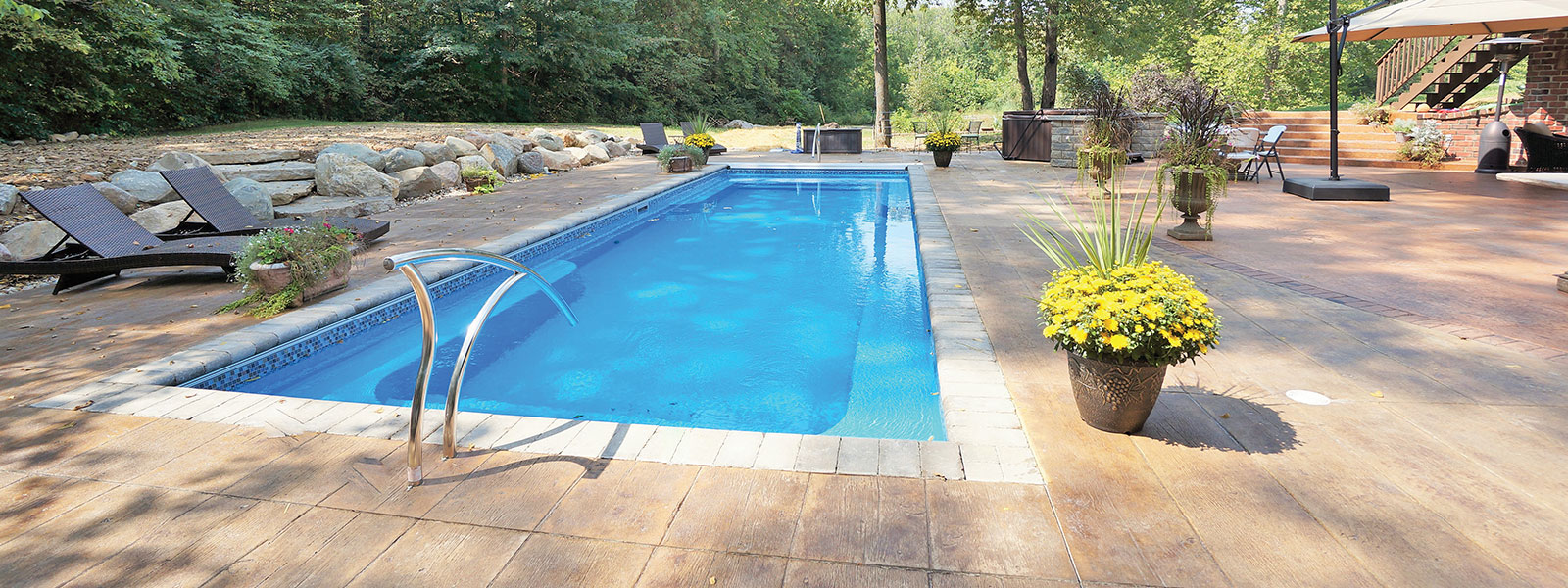
Cathedral LX fiberglass pool in Diamond finishIf you’re researching pool financing options, you’re probably asking a practical question, not a dreamy one: How do I make this work without stretching my budget too far? That’s exactly where smart pool financing starts. Most homeowners do not pay for a fiberglass pool one way alone. They compare options, weigh tradeoffs, and choose the path that fits their savings, equity, timeline, and comfort with monthly payments.

How to Finance a Pool: Start With the Full Project Budget

Before you compare pool financing options, get clear on the total project. Fiberglass pool pricing depends on pool size, site conditions, access, geography, patio and landscaping choices, and add-ons like heaters, covers, lighting, and fencing. That matters because the best financing options for a $60,000 project may not be the best options for an $85,000 or $120,000 backyard project.

Pool Loan Options and Personal Loans

When people ask how to finance a pool, pool loans usually come up first. In practice, these often work like unsecured personal loans. That can make them useful for buyers who want speed or who do not want to borrow against their home. The tradeoff is cost. Unsecured loans often carry higher rates and lower borrowing limits than equity-based options.

This route can make sense when you want a simple approval process, you have strong credit, or you need funding that works well alongside other sources. It can also help if you want to move quickly on the construction timing. Specialty pool lenders may offer larger unsecured loan amounts and longer terms, but your rate and approval still depend on credit, income, and overall financial profile.

Swimming Pool Financing Options: Home Equity Loan vs. HELOC

For many homeowners, the best way to finance a pool comes down to home equity. A home equity loan gives you a fixed amount borrowed against your home’s equity. That structure works well when you know your project budget and want predictable payments.

A home equity line of credit (HELOC) works differently. It gives you a line of credit that you can draw from as needed, with flexibility that can help when your project includes staged expenses like decking, landscaping, fencing, or later upgrades.

The tradeoff with both options is simple. Rates often look better than unsecured loans, but your home secures the debt. You also need enough equity to qualify, and you may face appraisal, closing, or lender fees depending on the product.

Ways to Finance a Pool With Cash-Out Refinancing or Dealer Financing

A cash-out refinance replaces your current mortgage with a larger one and gives you the difference in cash. This option can help homeowners tap equity for improvements, but it can also extend repayment and increase risk if payments become too heavy. It usually makes the most sense when rates are favorable, and you have meaningful equity built up.

Some homeowners also explore pool dealer financing programs, which usually means your builder or dealer conveniently connects you with a financing partner. Be sure to compare dealer options against outside lenders so you understand the rates, terms, fees, and monthly payments clearly.

Is Paying Cash the Best Way to Finance a Pool?

Not every conversation about swimming pool financing options should end with a loan. Paying with cash out of pocket for at least a portion of the price tag can lower interest rates, reduce total project cost, and give you more flexibility later. It also pairs well with a hybrid strategy, such as using savings for the pool shell and financing only the patio or upgrades.

What’s the Best Way to Finance a Pool?

The honest answer is that the best way to finance a pool depends on three things

  1. Your credit profile
  2. Your available home equity
  3. The size of the backyard project you want to build

If a low rate matters most, home equity products usually deserve a close look. If speed and simplicity matter most, pool loans or personal loans may fit better. If you want the lowest total cost, paying cash often wins out. Many homeowners land somewhere in the middle and use a combination.

Compare Pool Financing Options Before You Commit

A smart next step is to run the numbers before you talk yourself into or out of any backyard pool project. Try out the Thursday Pools Financing Calculator to estimate potential daily or weekly payments based on loan amount, interest rate, and term. Then connect with a local independent dealer to talk through your pool vision, your site, and the financing possibilities that fit your budget.


FAQ: Pool Financing Options

What are the most common pool financing options?

The most common pool financing options are pool loans from specialty lenders, home equity loans, HELOCs, cash-out refinancing, personal loans, and paying cash. Many buyers use a combination instead of relying on one source.

What is the best way to finance a swimming pool?

Best for lower rates usually means a home equity loan or HELOC. Best for speed and simplicity often means a pool loan or personal loan. Best for lowest overall cost means paying cash. The right answer depends on your credit score, home equity, and total project budget.

What credit score is needed to finance a pool?

Requirements vary by lender, but higher scores usually unlock better rates and terms. Some lenders may consider borrowers in the mid-600s, while stronger credit generally improves approval odds and pricing.

How much can you finance for a swimming pool?

Loan amounts vary widely by lender and borrower profile. Some specialty lenders advertise loans from $20,000 up to $200,000 or more, while your actual approval depends on credit, income, and overall financial picture. Many fiberglass pool projects fall somewhere within the $50,000 to $120,000 range.

Is it better to finance a pool or pay cash?

Paying cash avoids interest and lowers the total project cost. Financing preserves savings, spreads cost over time, and can make a larger backyard plan possible sooner. Many homeowners choose a mix of cash plus financing.

How long are pool financing terms?

Terms vary by product, but 7- to 20-year repayment windows are common. Longer terms usually have lower monthly payments, while shorter terms reduce total interest paid.

How Should I Prepare My Fiberglass Pool for Winter Closing?

Annie from Thursday Pools can walk you through a simple winter-closing checklist: Thorough cleaning, dial in water chemistry, add stain and scale control, and cover it up tight. These basics protect your gel coat, keep debris out, and make next spring’s opening faster and easier.

IMPORTANT: This video includes tips to get started, not a comprehensive winterization guide. Climate, local codes, and your specific equipment vary, so always follow your manufacturer’s instructions and consult a qualified pool professional.

Plunge Pool Idea Book

Get inspired and explore the POSSIBILITIES!

Thursday Pools Plunge Pool Idea Book


Create a gorgeous, private backyard swimming pool oasis that’s unique and all your own. Now’s the time to get inspired and imagine the possibilities with the Plunge Pool Idea Book.


With this eBook, you can:

  • Get ideas for landscaping and feature options.
  • Explore fiberglass plunge pool designs by shape, size, and color that match your lifestyle. 
  • Imagine an outdoor living space that will become the backdrop for a lifetime of memories. 


How Much Does an Inground Pool Cost in 2026?

Aspen 16x40 in MayaFor many homeowners, adding a pool creates a lasting space for connection, recreation, and relaxation. But costs are shifting with the economy, labor market, and materials. Whether you know what type of inground pool you want or are still researching pool types and materials and building a budget, final inground pool costs in 2026 will depend on the size and shape you choose, location and site conditions, the extra add-ons you want, and even what’s happening in the broader economy. 


2026 Inground Pool Costs by Pool Type

Homeowners’ final inground pool price tags can vary wildly based on location across the country, pool type, and design decisions. Most 2026 inground pool projects include standard installation services, but do not account for additional premium features, lavish landscaping, or a luxurious outdoor living space around the pool.


Vinyl liner pools feature moderate installation pricing ranging from $35,000 to $80,000. Don’t forget liner replacements every 5 to 15 years, costing between $3,000 and $7,500.


Concrete (gunite) pools are highly customizable, but the most expensive to install and maintain. A 2026 concrete inground pool installation can cost from $50,000 to $120,000 or more, and will need $300 to $1,000 acid wash treatments every 3 to 5 years, as well as $8,000 to $10,000 resurfacing every 10 to 15 years.


Fiberglass pools are our specialty, and Thursday Pools can offer unique insight into 2026 fiberglass pool costs through a recent survey of our independent dealer network. 


  • Small fiberglass pools (less than 26 feet long or 400 square feet) average approximately $74,000.


  • Medium fiberglass pools (between 27 and 34 feet long or 400 to 600 square feet) average around $109,000.


  • Large fiberglass pools (35 feet and longer or more than 600 square feet) average near $113,000.


Economic Forces Influencing 2026 Pool Costs

Your location, pool type, and pool size are among the most impactful factors for 2026 inground pool costs, but other macroeconomic currents will also influence prices.


1. Construction Spending and Tariff Pressures

Tariffs on materials like lumber, steel, and aluminum will continue to push up 2026 construction costs. Fiberglass inground pools don’t rely on wood and metal as much as other pool types, but rising costs in areas such as labor, excavation, and concrete work can ripple into all projects and budgets.


2. Tight Construction Labor Market

A 2025 Associated Builders and Contractors model estimates the construction industry needs 439,000 net new workers before the end of the year to meet anticipated demand—and then another 499,000 new workers in 2026. A gap in construction labor supply and demand inflates wages, stretches schedules, and can drive up inground pool installation bids. 


3. Inflation and Interest Rate Outlook

The Kiplinger Special Report on business costs for 2026 expects the Federal Reserve to cut interest rates by 2% by the end of the year, with inflation easing toward 3% and economic growth remaining modest. A softer cost of capital could lower financing costs for inground pool builds, while slower inflation may relieve pressure on materials and labor costs. Lower rates typically reduce contractors’ borrowing costs, which can help keep inground pool installation quotes in check.


Variables Shaping Your 2026 Inground Pool Budget

Even with overall estimates for inground pool installations handy, some details can significantly shift your 2026 inground pool investment.


Permits

Local license fees vary wildly and depend on your city, county, or neighborhood’s regulations and approval processes. Your local pool builder should be familiar with the area’s ordinances and municipalities’ inspection requirements. Permits can cost from $100 to $1,000 or more. Ask your pool dealer who is responsible for acquiring the necessary permits, and whether or not they are part of your installation costs. 


Excavation

Every inground pool needs a hole in the ground, but soil type, accessibility, and sloping yards can change digging complexities and cost. Excavation for a 2026 inground pool dig averages from $1,000 to $5,000. Softer loam soil with a balance of sand, silt, and clay is easiest to excavate, while challenging conditions, such as rocky soil or uneven terrain, could add costs from a few hundred to several thousand dollars to address. Ask your dealer whether their excavation costs also include hauling away dirt.


Fencing

Safety comes first, and many state or local municipalities have codes requiring 4- or 5-foot barrier fencing surrounding new 2026 inground pool builds. Depending on the quality and aesthetics of the fence’s material, homeowners should budget to spend between $10 and $45 per linear foot. For a typical 200- to 300-foot fence, that’s an average total cost between $2,000 and $13,500.


Electrical Work

Reliable electricity is essential for your inground pool’s pump, filter, lights, and other critical equipment or decorative touches. The average cost to hire an electrician for larger projects like an inground pool installation is between $2,000 and $10,000. Your local pool dealer may offer electrical wiring and installation work as part of their standard installation package—either way, we recommend budgeting for at least $3,000 to $5,000 at minimum in electrical work.


Pool Cover

Temporary inground pool covers cost much less than automatic safety covers, which come at a higher price but also enhance convenience and peace of mind. 

  • Winter covers can be inconvenient and cumbersome when closing your inground pool for the season, but they are a relatively inexpensive option with an average cost between $75 and $250.
  • Manual retractable pool covers install a reel with a mechanical roller to cover and uncover the pool quickly, and have an average cost range of $1,500 to $6,000.
  • Automatic pool covers are the most convenient option to open or close your inground pool at the touch of a button. A motor moves the retractable cover along a hidden track system under the pool decking, with installations averaging $8,000 to $20,000.


Pool Heater

Depending on where you live, a pool heater may be an essential inclusion or a luxurious add-on to lengthen your swimming season into cooler evenings and early spring or late fall weather. An electric resistance, natural gas, or propane inground pool heater can cost between $1,200 and $6,000 to install. Solar pool heaters and energy-efficient heat pumps average from $2,000 to $6,500, but feature lower monthly operating costs.


Patio, Decking, and Landscaping

Your inground pool may be the main draw, but the entire outdoor design should reflect your lifestyle and fit your vision. Paving, plantings, hardscape features, and other outdoor living space elements can boost enjoyment—but also your budget. Pool builders often include 3 feet of concrete decking around the pool perimeter, but lavish landscaping, a custom patio, and an outdoor living space with a fire pit or outdoor kitchen are typically additional expenses. Depending on the material—from poured or stamped concrete to brick, pavers, or natural stone—a 20-foot by 20-foot patio can average between $2,000 and $14,000.


FAQs: Saving Money on Your 2026 Inground Pool

Q: How can I keep pool costs manageable without sacrificing quality?
A: Prioritize must-haves first—like pool size, safety features, and basic decking. Extras such as water features or outdoor kitchens can always be added later once the core installation is complete.

Q: Are energy-efficient pool upgrades really worth it?
A: Yes. Variable-speed pumps, LED lighting, and heat pumps may cost more upfront, but they significantly reduce monthly operating expenses and typically pay for themselves over time.

Q: How can I avoid expensive repairs down the road?
A: Plan for maintenance from the start. A good pool cover, routine cleaning, and keeping water chemistry within ranges will protect your pool’s structure and equipment, saving money on repairs.


Planning for Your 2026 Inground Pool and Lifelong Investment

Building an inground pool in 2026 will require careful planning, but it remains one of the most rewarding upgrades you can make to your home. By factoring in size, pool type, site conditions, and the broader economic forces at play, you’ll be better prepared to shape a realistic budget.

To get a clearer picture, use the Thursday Pools Pool Cost Calculator and explore financing options with the Financing Calculator to see how monthly payments may fit your household budget. Then connect with an independent Thursday Pools dealer for tailored guidance. With the right preparation, your 2026 pool project can set the stage for years of enjoyment and value.

Fiberglass Pool Care Guide

A Simple Guide to Maintaining Your Pool’s Finish and Water Balance

The Thursday Pools Fiberglass Pool Care Guide is your resource for the Top 5 Tips for Maintaining Your Pool Finish.

Everything You Need To Know About Fiberglass Pool Installation

Start Making Waves: Fiberglass Pool Financing Advice

Hello, soon-to-be pool owner! If you’re already dreaming of your ideal inground Fiberglass swimming pool and have figured out your budget, the next step is to look into pool financing options to turn those dreams into reality. Navigating pool financing can seem daunting, but with the right information and resources, you can make informed decisions and bring your backyard oasis to life. Let’s plunge into the essentials, starting with a key aspect: the fiberglass pool cost.


Understanding Fiberglass Pool Costs

As of 2024, a turnkey fiberglass installation, including the installed pool, a patio, and a handful of essential accessories, costs between $70,000 and $135,000. Additional costs may arise from landscaping, decking, fencing, and ongoing maintenance. It’s essential to consider these when budgeting for your pool project to avoid unexpected financial strain.


Understanding Pool Loans

Imagine this: You can access pool loans up to $500,000 with annual interest rates ranging from 5.99% to 13%. These personal loans are great because they don’t require home equity or a property appraisal. For a ballpark figure, a $30,000 loan over 20 years usually has monthly repayments of about $225 to $250.


How You Receive the Funds

Once approved, depending on the lender, the loan amount may be directly provided to you in one total payment or it may be provided directly to the builder and dispersed at different stages of the project. Many contractors prefer this direct-to-consumer funding approach, which allows you to directly manage costs for the pool and any additional features like landscaping or accessories.

Pool Financing Advice

Interest Rates and Monthly Payments

Loan interest rates are stable, and you can find loans across all 50 states. For a quick reference, monthly payments on a $30,000 loan might be around $225, scaling up to about $360 for a $50,000 loan over 20 years. If you know how much you want to borrow, you can calculate your monthly payments online.

Pool Interest Rates

What Qualifies as ‘Good Credit’?

Lenders typically look for a strong credit history, including diverse accounts like credit cards, car loans, and mortgages. They value consistent on-time payments, the ability to save (demonstrated by significant down payments), and a favorable debt-to-income ratio. Stable and sufficient income is crucial to secure loan approval. Generally, a credit score of around 600 is acceptable for getting a loan offer from HFS Financial.


Specialized Companies for Pool Financing

Several finance companies offer loans on inground pools. Please note that Thursday Pools is not affiliated with, nor do we receive any payment from the following companies. 

  1. HFS Financial: Known for offering up to $500,000 in loans specifically for pool projects, HFS Financial provides terms of up to 20 years. Longer terms allow for manageable monthly payments and extensive financing options tailored to the scope of your pool project.
  2. Lyon Financial: With a long history in the pool loan industry, Lyon Financial offers various loan amounts up to $500,000. They emphasize unsecured loans, which don’t require home equity, making it easier for homeowners to get the financing they need without leveraging their property.
  3. LightStream: A division of SunTrust Bank (now part of Truist), LightStream offers pool loans with competitive rates and terms. They focus on unsecured loans that can be used for various home improvement projects, including pools. Their streamlined process is convenient for borrowers looking for quick approvals and flexible terms.
  4. Viking Capital: Viking Capital provides pool financing solutions for pool purchases and related home improvements. They offer loans up to a certain amount, requiring specific credit qualifications. Their expertise in the pool industry ensures that their financing options are well-suited to meet the needs of pool buyers.
  5. Paramount Capital: Paramount Capital helps customers find financing for new pool construction and remodeling projects. They offer tailored financing solutions to meet the specific requirements of pool installations, ensuring that homeowners can access the funds they need for their projects.


Preparing for Financing

Before applying for financing, it’s essential to get your financial house in order. Here are some steps to take:

  • Check Your Credit Score: A higher credit score can qualify you for better interest rates and terms.
  • Evaluate Your Budget: Ensure you can comfortably afford the monthly payments without straining your finances.
  • Compare Offers: Don’t settle for the first loan offer. Compare multiple lenders’ rates, terms, and fees to find the best deal.
  • Get Pre-Approved: Pre-approval can give you a clear idea of how much you can borrow and at what terms, helping you set a realistic budget for your pool.

Preparing Finances

Overlooked Costs and Considerations

When budgeting for your fiberglass pool, it’s important to consider additional costs beyond the initial installation. 

  • Maintenance: Regular maintenance is essential to keep your pool in good condition. Whether you do it yourself or hire a pool professional, maintenance costs include cleaning, keeping the water balanced, and opening and closing the pool.
  • Insurance: Adding a pool to your property can increase homeowners’ premiums. Check with your insurance provider to understand how your policy might change.
  • Utilities: Running a pool pump, heater, and other equipment will increase utility bills. Energy-efficient options can help mitigate these costs.
  • Landscaping and Decor: Post-installation landscaping, furniture, and decor can enhance the look of your pool area, but it will also add to the overall cost.


Contact an Independent Thursday Pools Dealer to Get Started!

Navigating pool financing requires careful planning and consideration of various factors, from understanding the fiberglass pool cost to exploring financing options and preparing for overlooked expenses. Doing your homework and making informed decisions can turn your dream of owning a fiberglass pool into a reality without causing financial strain. Are you ready to make a splash now? Contact an independent dealer to schedule a design consultation or get an estimate.