Examining the Elements Involved in Factoring LSI
BlogExamining the Elements Involved in Factoring LSI
Maintaining balanced pool water chemistry in your fiberglass pool is truly a balancing act. Each of the six factors that calculate the Langelier Saturation Index (LSI) can ebb and flow, although some are more reactionary and volatile than others. While maintaining all six factors may feel like a juggling act, understanding what they are, how they interact, and their impact on your pool is critical to keeping the LSI balanced and your water in equilibrium. The Critical Role of pH pH, or “potential of hydrogen,” is the most critical variable in water chemistry balance. While alterations of any involved equation variables can affect your water balance, a change in pH can have ten times the effect compared to other LSI factors. pH levels indicate water’s acidity or basicity. They range from 0 to 14, with 0 being very acidic, 7 being neutral, and 14 being very basic. Chlorine and other sanitizers will only remain effective and function correctly within specific pH ranges—namely, the range between 7.2 and 7.4 deemed ideal for swimming pools. Hydrochloric or muriatic acid can lower high pH levels, while a low-pH pool will need an alkaline boost from sodium carbonate. The best thing an owner […]
Read More Blog
How Do I Balance My Pool Water Using LSI?
BlogHow Do I Balance My Pool Water Using LSI?
Balancing your pool water is essential for maintaining its clarity, safety, and longevity, especially for fiberglass pool owners. While pool water chemistry balance may seem complex, modern tools like the Orenda Technologies LSI Calculator have simplified the testing and adjustment process. This blog post will guide you through using Orenda’s app to achieve optimal water balance in your pool, ensuring it stays in beautiful condition without needing a degree in chemistry. We’ve included step-by-step instructions, complemented by screen-capture images, to make the process as straightforward as possible. Editor’s Note: There are available alternatives to the Orenda app. Thursday Pools and Orenda have no relationship other than sharing a desire to help fiberglass pool owners properly maintain their water chemistry. If you want to get even more informed on water balance and related topics, check out Orenda’s library of educational videos, tutorials, and other resources. Step 1: Download the Orenda App The journey to balanced pool water begins with a simple download of the Orenda app, available on both iOS and Android platforms. This app significantly simplifies pool chemistry, particularly focusing on the Langelier Saturation Index (LSI), making it an indispensable tool for pool owners. Step 2: Input Your […]
Read More Blog
What is LSI?
BlogWhat is LSI?
LSI and Fiberglass Pool Chemistry The Langelier Saturation Index (LSI) is a formula that the gunite pool industry adopted to determine water balance and predict whether water will form calcium scale or dissolve it. Some pool industry professionals insist you should focus strictly on LSI balance, but for fiberglass, that advice can damage your pool. However, an LSI calculator can be helpful for fiberglass pool owners as a secondary tool in keeping critical factors of water chemistry within fiberglass-safe target ranges. What Are Fiberglass-Safe Water Chemistry Target Ranges? pH: 7.2 to 7.4 Total Alkalinity (TA): 80 to 120 ppm Free Chlorine (FC): 1 to 3 ppm Cyanuric Acid (CYA): 30 to 50 ppm Calcium Hardness (CH): Less than 120 ppm (NEVERt add calcium) Total Dissolved Solids (TDS): Less than 1,500 ppm (or up to 1,000 ppm above your salt level) Always use a stain and scale control or chelating and sequestering agent as part of routine care and for winterization. Never use calcium hypochlorite or any calcium-adding products in fiberglass pools. When pH, calcium, and chlorine are all elevated at the same time, the risk of damage to the fiberglass pool gelcoat increases significantly. If only one or two are […]
Read More Blog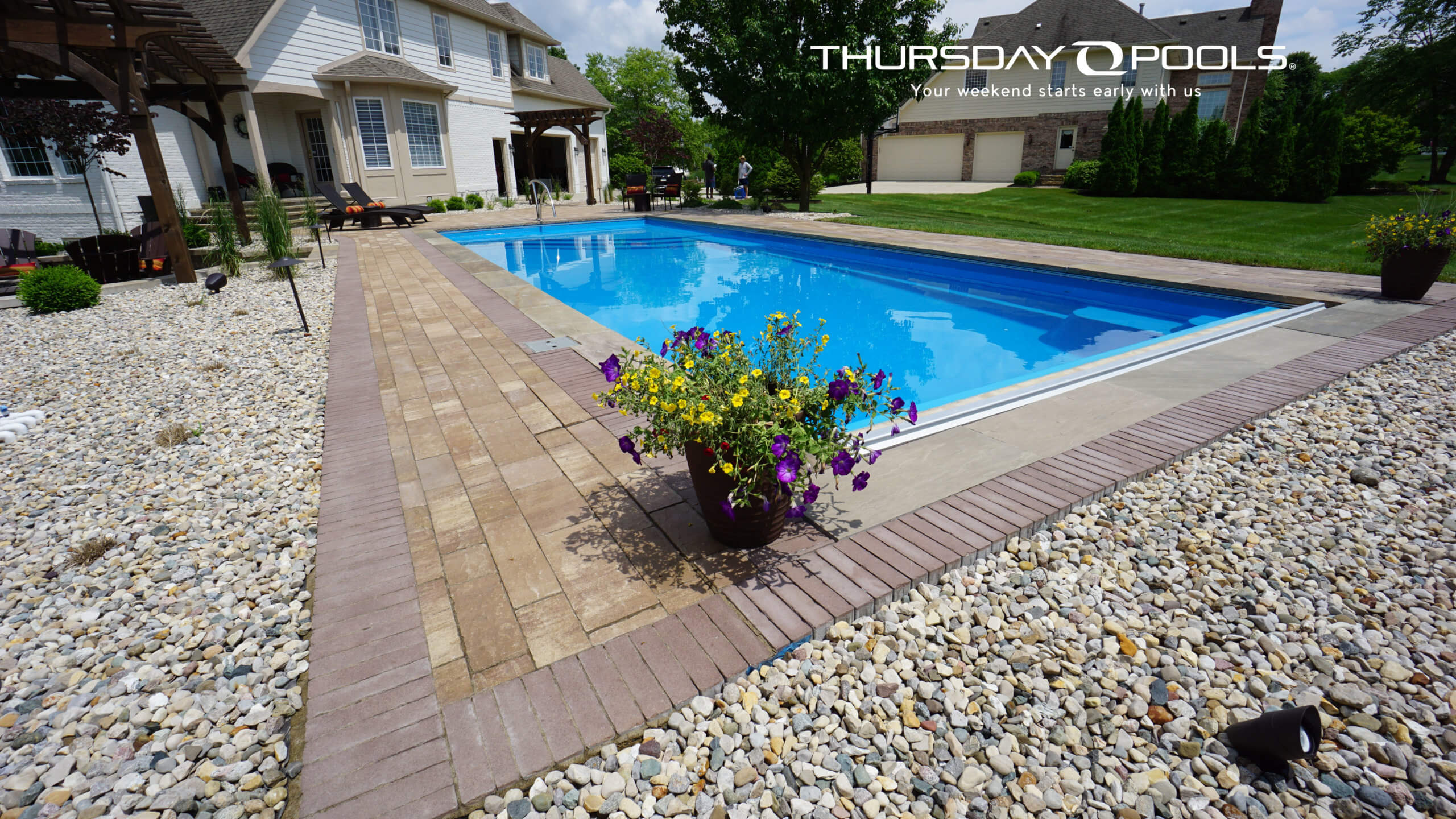
Is a Fiberglass Pool Shell Right For Your Pool?
BlogIs a Fiberglass Pool Shell Right For Your Pool?
If you are looking into buying and researching inground pools, you have likely discovered that pool forms are made of concrete, vinyl-liner, or a fiberglass pool shell. In this post, we’ll take a closer look at fiberglass pool shells so you can determine if one may be right for you. What is a fiberglass pool made of? Fiberglass has become a well-known material in the past 50 years. It’s used to make boats, automobile parts and, of course, pools! Fiberglass material is quite literally fibers of glass. In the manufacturing process, fiberglass is flexible and thin, almost hair-like. Unlike hard, solid shards of glass, fiberglass doesn’t shatter or cut you because the fibers are heated until they’re molten and become a sticky, gooey texture. It is then forced through superfine holes that create glass filaments that are so thin that they are measured in microns. These thin threads of fiberglass are woven into larger swatches of material. For strength and durability, a fiberglass pool shell is made of more than fiberglass. What makes the material even stronger than metals by weight is the thermoplastic polymer resins that are added. Through years of testing and our commitment to continuous improvement, Thursday […]
Read More Blog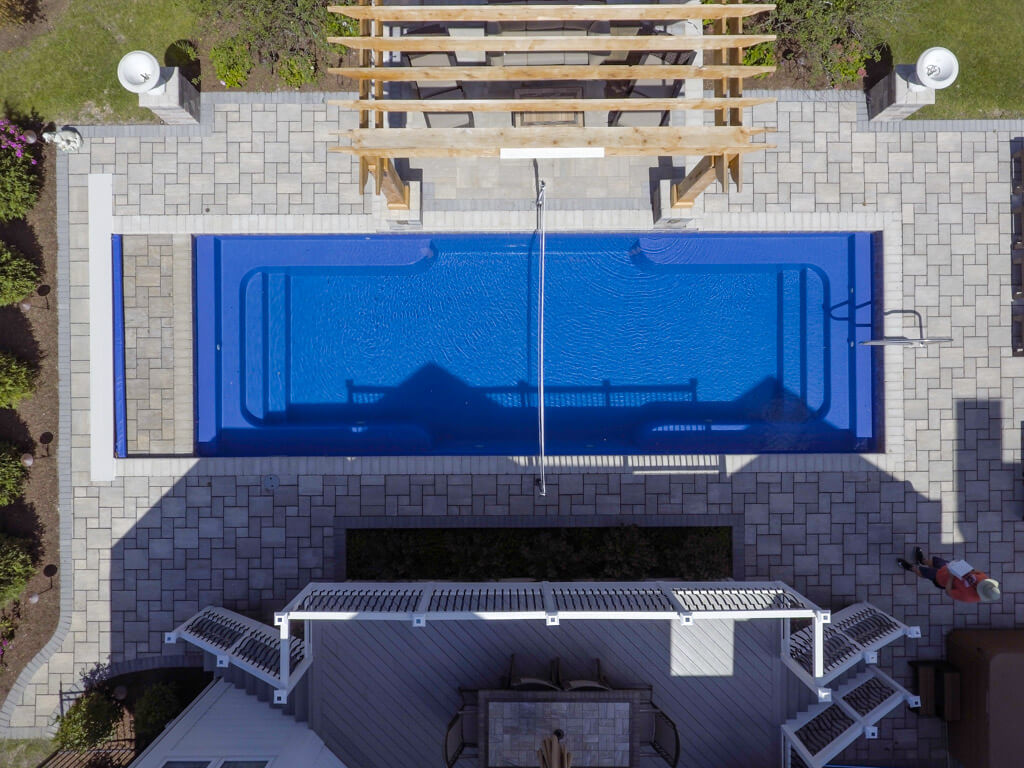
Choosing Between Gunite and Fiberglass? A Guide.
BlogChoosing Between Gunite and Fiberglass? A Guide.
A GUIDE TO CHOOSING BETWEEN GUNITE AND FIBERGLASS. Inground pools come in three different types—vinyl, gunite, and fiberglass—so determining what’s a right fit for you requires a little research. If you’ve arrived at the point where it’s a decisionon fiberglass vs gunite (concrete), you’ve narrowed your decision tree a bit by throwing out vinyl as an option. This post will consider a concrete pool vs fiberglass pool to help you narrow your choices even further. Buyer’s Checklist The answers to the following questions can be differentiating factors of choosing a concrete vs fiberglass pool. How will your pool be used? Is it a party backdrop, a sunning platform, or the wet arena of countless epic splash-sport battles? Who will maintain the pool? If it’s you, what is the amount of time you’re willing to commit? If it’s someone else, what is the annual budget? How big a pool do you want or need? Do you want a particular size, shape, or feature? How much decking and landscaping? Who will use the pool? Will it include children and pets? Does your dealer provide a warranty and track record of installing durable pools? About Concrete Pools The first gunite pool was […]
Read More Blog
Large and Deep Fiberglass Pool Options
UncategorizedLarge and Deep Fiberglass Pool Options
Pool owners love fiberglass pools for many reasons. Fiberglass pools are low-maintenance, quick to install and require fewer chemicals. Because fiberglass pools don’t have liners to replace or concrete that will eventually need to be replastered, they have the lowest lifetime cost of ownership over vinyl and gunite pools. They also have a smooth, durable finish that’s totally pet friendly, making them a sure bet for everyone in the family to love. So why would anyone choose anything other than fiberglass? Well, there really aren’t too many reasons! However, for pool buyers looking for a large inground pool, the options in fiberglass are somewhat limited. Whereas gunite and vinyl pools are built on-site, fiberglass pools are made in a factory, out of a mold, and then transported in one piece to the home of their lucky new pool owners. There’s a limit to the size of what can be safely loaded, unloaded and transported, and on-site physical barriers like fences and trees also have to be taken into consideration for delivery. Alas, there are some large fiberglass pool options that allow swimming pool owners the best of both worlds–big and low-maintenance. For your convenience, we have created comparison charts of […]
Read More Uncategorized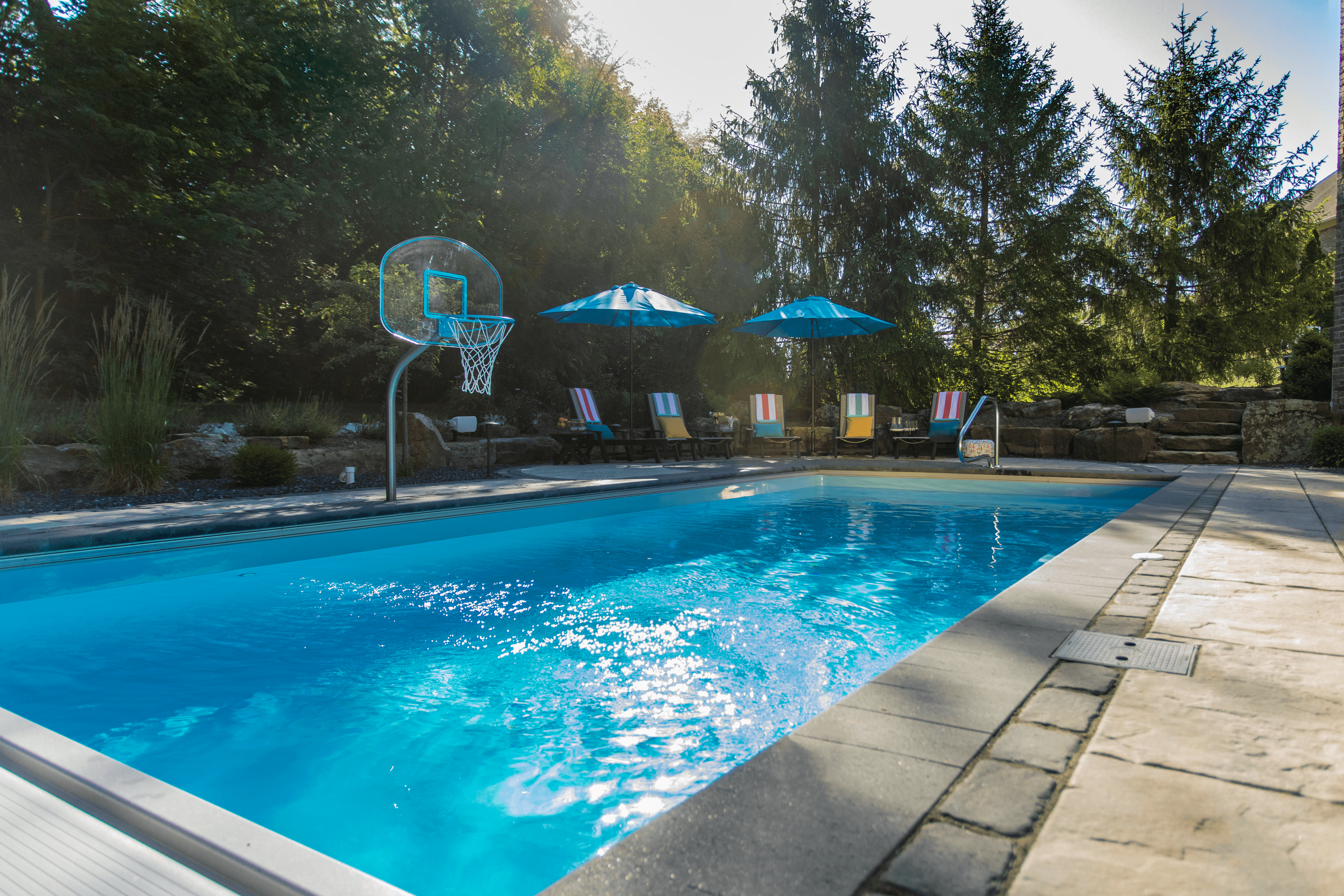
What Can Damage a Fiberglass Pool?
BlogWhat Can Damage a Fiberglass Pool?
It’s only natural to want to do as much research as possible before making a significant decision and investment into a major home addition like an inground fiberglass pool. You’ll want to learn and consider details such as installation costs, maintenance responsibilities, and how long it will last. A durable pool shell helps protect your investment, so you’re likely asking questions like, “What can damage a fiberglass pool?” or, “Can you scratch a fiberglass pool?” Worried about fiberglass pool gelcoat problems or bulging walls? Understanding how common fiberglass pool damage can happen can help you prevent it with your pool or know when repairs are necessary. Common Causes of Fiberglass Pool Damage Fiberglass pools are famously durable, but they’re not indestructible. Structural Stress Improper installation or soil movement can place uneven pressure on the pool shell, leading to bulging walls or cracks. Professional repair and proper backfilling during installation are essential to restore stability. Sharp or Heavy Objects Dragging metal, glass, or other sharp items across the surface can scratch the gelcoat finish. Shallow scratches may buff out, but deeper damage may require a gelcoat repair. Improper Draining Completely draining a fiberglass pool without […]
Read More Blog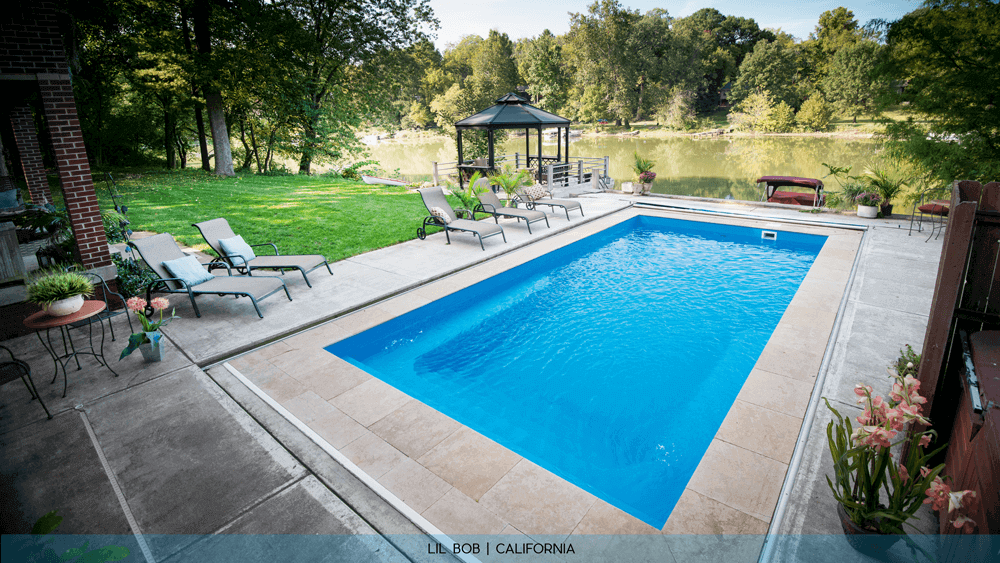
The Best Robotic Cleaners For Inground Fiberglass Pools
BlogThe Best Robotic Cleaners For Inground Fiberglass Pools
Every fiberglass pool owner should have a thorough and working knowledge of necessary pool maintenance. It’s essential to stay on top of care and maintenance from the time you open your pool in the spring through closing it for the winter. Robotic pool cleaners can be a great help when it comes to keeping dirt and debris out of your pool, saving you time and effort. With an overwhelming amount of options available on the market, all with various features and benefits you may or may not need, deciding on a robotic pool cleaner can feel overwhelming. In our experience, the following four models are great at getting the job done while you sit back and relax. Hayward TigerShark A Hayward TigerShark robot can clean a 20’ x 40’ pool’s floors, walls, and waterline in just three hours. There are three configurations to choose from, including the standard TigerShark, the TigerShark Plus with remote control capabilities, and the TigerShark QC featuring a patented 90-minute quick-cleaning alternative mode. All the TigerShark models have an easy-to-clean cartridge filter system and a 24-volt motor to conserve energy and save you pool maintenance costs over time. Average Price: Less than $1,500 […]
Read More Blog
Are Fiberglass Pools Easier to Maintain?
BlogAre Fiberglass Pools Easier to Maintain?
An inground swimming pool can be a great addition to your home and lifestyle, but many homeowners may be wary of investing time and effort in the necessary maintenance responsibilities. Are you among those asking, “Are fiberglass pools easier to maintain?” The truth is that all pool types have their advantages and disadvantages, and all require regular maintenance. Are Fiberglass Pools Easy to Maintain? While they are not maintenance-free, fiberglass pools generally have lower maintenance demands as far as inground pools go. Because fiberglass pools come in one-piece shells, there are no seams where dirt and algae can collect. Their smooth surface is not porous, deterring the growth of algae and bacteria. Other pool types require resurfacing or liner replacements over time, whereas fiberglass can last for decades with simple, regular upkeep. What Maintenance Does a Fiberglass Pool Need? Fiberglass pools are relatively easy and inexpensive to keep in good shape. Fiberglass pools typically do not need resurfacing after so many years. With some basic maintenance, your fiberglass pool’s gel coat can last for a very long time. Most regular fiberglass pool maintenance falls into one of three basic buckets: the filtration system equipment, […]
Read More Blog