877-929-7665
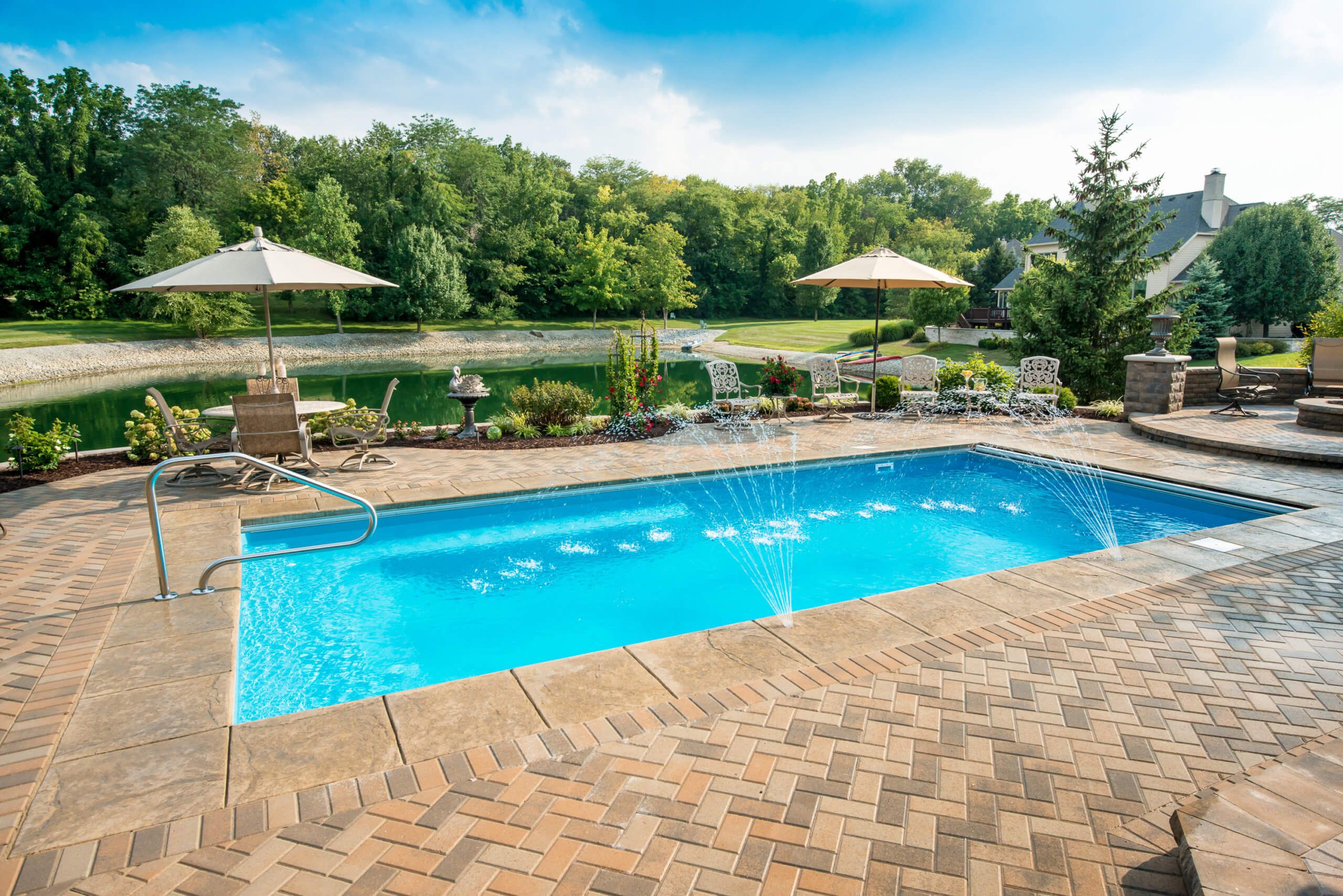
How Long Does a Fiberglass Pool Last?
Official Manufacturer Quick Answer: How Long Do Fiberglass Pools Last?
A premium-manufactured, professionally installed, and correctly maintained fiberglass pool shell is structurally engineered to last 50 years or more. However, a pool’s long-term performance is determined by a combination of shell composite construction, installation accuracy, backfill support, active drainage planning, fiberglass-specific water chemistry balances, and regional climate exposure. While the structural shell remains the longest-lasting component, the surface gelcoat layer, subterranean plumbing lines, and mechanical filtration equipment each follow distinct care lifecycles.
When you decide to add an inground pool to your backyard, you are building a permanent backdrop for your family’s future memories. You want to know that the space you are creating for weekend barbecues and summer pool days will stand the test of time, which is why exceptional durability is one of the most common reasons homeowners choose fiberglass inground pools.
If you are looking for a single, magic expiration date, the honest answer is that a pool’s lifespan isn’t a set, predetermined number. The wonderful news is that pool longevity is driven by a clear set of real-world factors that you, as a homeowner, can evaluate and directly influence. This manufacturer’s guide breaks down what determines a fiberglass pool’s lifespan. We will look at what keeps your surface gelcoat looking as vibrant as day one, explain how proper installation choices prevent structural stress down the road, and share exactly what we build into our manufacturing process here at Thursday Pools to protect your investment for decades to come.
Why Fiberglass Pool Lifespan Estimates Vary
Quick Answer: Why Are Fiberglass Pool Lifespan Estimates Different?
Fiberglass pool lifespan estimates vary because some sources focus strictly on the structural shell, while others evaluate the entire pool ecosystem. To get a true picture of longevity, you have to look at the individual lifecycles of the shell, surface gelcoat finish, plumbing, and filtration equipment.
When you think of your fiberglass pool as a complete ecosystem, you’ll get the whole picture. The high-performance structural shell is one main component, while the beautiful, smooth gelcoat finish you see and feel is another. Moving deeper into the system, your underground plumbing lines, pump, filter, heater, and even your surrounding decking all move on their own individual durability timelines.
To give you the most transparent view possible, here is what you need to know about the separate lifecycles of your pool’s key components so you can plan for your backyard’s future with total peace of mind:
| Pool Component | What Homeowners Should Know |
|---|---|
| Fiberglass Structural Shell | This is usually the longest-lasting component in your entire backyard, provided it is properly manufactured at the factory, correctly installed by your builder, and firmly supported by the right materials. |
| Gelcoat Surface Finish | The smooth, protective barrier that gives your pool its color can remain attractive and vibrant for decades, but it relies heavily on fiberglass-specific water chemistry habits and routine, gentle cleaning. |
| Subterranean Plumbing | The lifespan of your underground lines heavily depends on the initial installation quality, proper soil stability to prevent shifting, freeze protection, and consistent maintenance. |
| Mechanical Equipment | Your pump, filter, and heater keep the water clean and comfortable, but each individual piece of equipment follows its own service and replacement schedule separate from the shell’s lifespan. |
| Automatic & Manual Covers | Because your cover takes the brunt of the elements, its ultimate lifespan depends directly on your daily usage frequency, water chemistry habits, and overall UV exposure. |
| Coping and Decking | The durability of your surrounding patio area is heavily affected by your raw material choices, active drainage planning, seasonal freeze-thaw cycles, and initial installation quality. |
What Determines How Long a Fiberglass Pool Lasts?
Official Manufacturer Quick Answer: What Factors Impact Fiberglass Pool Lifespan?
A fiberglass pool’s lifespan is driven by three pillars: manufacturing quality, installation precision, and daily water maintenance. The most critical risk factors that can prematurely shorten a shell’s life include improper leveling, inadequate backfill support, poor groundwater drainage, neglecting seasonal winterization, and allowing calcium hardness to exceed 120 ppm.
When Thursday Pools manufactures a pool shell, we build it with the structural integrity to last for decades. To truly realize the long-term potential of a fiberglass pool in your own backyard, it requires great manufacturing, professional installation, and consistent maintenance care.
Think of it like buying a premium vehicle. The factory engineering sets the baseline, but how it is driven, parked, and serviced largely determines how many miles you will get out of it.
To help you protect your investment, let’s look at the primary longevity drivers that keep your pool healthy and beautiful for the long haul:
- Shell Construction Quality: The construction quality of a pool shell establishes the baseline structural strength and flexibility required to bend safely under dynamic soil loads without fracturing.
- Installation Excellence: An experienced installer trained in fiberglass installation ensures precise leveling, seamless plumbing alignment, and reliable anchoring, preventing uneven stress on the composite matrix.
- Gelcoat Material Quality: A quality gelcoat provides an impermeable, non-porous outer barrier that shields the underlying fiberglass layers from water intrusion, discoloration, and micro-algae adhesion.
- Advanced Backfill Support: Using advanced backfill methods eliminates the subterranean shifting and underground void spaces that cause structural stress and wall bulges over time.
- Groundwater Management: Effective groundwater management neutralizes intense upward buoyancy forces through active drainage planning, keeping the pool locked firmly in place.
- Fiberglass-Specific Chemistry: Following manufacturer instructions for water balance helps protect the gelcoat layer from dullness and mineral scaling. Thursday Pools recommends keeping calcium levels strictly below 120 ppm.
- Winterization Practices: Proper pool closing protects underground plumbing lines and mechanical equipment from catastrophic freeze expansion during winter freeze-thaw cycles.
- Consistent Maintenance Habits: Regular water chemistry testing and adjustments, pool cleaning, and early close attention to small issues prevent big problems and extend the pool’s useful life.
Does Manufacturing Quality Affect How Long a Fiberglass Pool Lasts?
Quick Answer: Does Manufacturing Make a Difference in Fiberglass Pool Durability?
Yes, manufacturing quality directly determines the core structural integrity of the shell that every other durability factor builds on. Constructing a pool inside a controlled factory environment ensures uniform material layering, precise chemical catalyst ratios, and ideal polymer curing. This delivers a repeatable structural outcome that allows the pool to successfully withstand decades of ground pressure, climate changes, and seasonal stresses.
When you choose a fiberglass pool, the single biggest advantage is that your pool’s structural strength is built before it ever arrives at your home. Because fiberglass pools are crafted off-site in a highly regulated environment, every single step of the build is protected from the elements.
At Thursday Pools, we are known for crafting shells with remarkable durability. We achieve this through advanced manufacturing techniques and a deep commitment to structural innovation. Every single one of our pool shells is constructed using what we call the Trifecta of Strength—our proprietary, multi-layered manufacturing process that combines premium, high-performance materials meticulously engineered to maximize structural integrity across every square inch of the pool. This strict factory standard creates a consistent, reliable structure designed to hold its shape and stability in your yard for decades to come.
Factory Precision vs. Backyard Variables
To see why factory conditions matter so much for longevity, it helps to look at how on-site pools are built:
- The Gunite (Concrete) Reality: Concrete pools are poured and shot completely from scratch right in your backyard. This means the structural strength of a concrete pool depends heavily on the weather conditions and the skill level of the crew on the exact days of the build. Any minor inconsistencies in mixing the concrete, handling the curing window, or applying the material can create hidden structural weak points. Unfortunately, those flaws usually don’t show up until the ground shifts or a harsh winter freeze stresses the structure years later.
- The Vinyl Liner Reality: While vinyl liner pools are faster to set up on-site, their long-term durability is managed by a continuous cycle of upkeep rather than being permanently built into the structural core from day one. Because a vinyl liner naturally degrades over time, you are locked into a recurring schedule of draining and replacing the liner just to preserve the pool’s structural boundary.
Ultimately, investing in manufacturing quality up front means buying yourself peace of mind down the road. It ensures your structural shell stands the test of time with fewer required repairs, lower chemical demands, and significantly less long-term maintenance.
WATCH “HOW IT’S MADE”
Take a virtual tour of our factory floor to see the precision cutting, resin application, and quality control that goes into every single Thursday Pools shell.
WATCH “QUALITY OF POOLS”
See the structural testing and strict manufacturing standards we use to ensure your family’s investment is built to last.
Want to see the top reasons why factory-crafted fiberglass outperforms alternative materials over time? Read our complete guide to structural pool durability.
Learn More: Pool Durability and More Reasons to Choose Fiberglass
Read the BlogWhat Are the Most Common Misconceptions About Fiberglass Pool Durability?
Quick Answer: What Are the Most Common Misconceptions About Fiberglass Pool Durability?
The most common misconceptions about fiberglass pool durability are that shells crack easily under pressure, fail to outlast concrete, suffer damage in cold climates, and scratch from routine cleaning tools. While these myths stem from outdated information regarding early-generation models, modern gelcoat finishes and structural engineering advancements allow today’s shells to easily withstand severe ground movement, intense freeze-thaw cycles, and regular maintenance.
If you are a first-time pool buyer, it is completely normal to have a few hesitations about how a composite shell holds up over time. However, word-of-mouth advice from well-meaning neighbors is often based on how pools were manufactured decades ago.
Modern composite engineering has completely transformed fiberglass performance. To give you a clear baseline before you invest, we have summarized how modern shells actually interact with real-world backyard elements:
- The Myth of Structural Brittleness: Many assume a pre-formed shell is prone to cracking under pressure. In reality, the natural flexural elasticity of fiberglass allows it to bend and absorb dynamic ground shifts without fracturing, easily outperforming rigid structures.
- The Illusion of Concrete Permanence: While gunite is famously durable, its porous plaster surface naturally degrades, absorbs chemicals, and requires costly structural resurfacing every 10 to 15 years. A premium gelcoat finish avoids this lifecycle expense entirely.
- The Cold Climate Freeze-Thaw Concern: Homeowners often worry that freezing conditions will ruin the shell. Unlike concrete, fiberglass is flexible. It moves with seasonal soil expansion rather than resisting it, which significantly reduces the risk of cracking. The interior gelcoat surface is also non-porous, meaning algae cannot adhere to the side of a fiberglass pool wall. Shell quality, resin construction, and proper backfill support all play a role in how well the exterior manages groundwater contact over time, another reason manufacturing standards matter.
- The Fear of Surface Tool Damage: It is easy to look at a high-gloss finish and assume it is fragile. However, modern gelcoats are engineered to handle routine automated pool cleaning equipment with soft rubber tracks, and soft nylon brushes without sustaining any surface scratches.
While these durability myths are easy to clear up using modern engineering facts, choosing a pool still requires weighing real design constraints like transport sizes, fixed depths, and color selections.
Learn More: What Is the Downside to Fiberglass Pools? 3 Myths and 3 Truths
Read the GuideWhat Are the Drawbacks of Fiberglass Pools
Quick Answer: What Are the Limitations or Potential Problems of Fiberglass Pools?
The main limitations or potential problems of fiberglass pools are restricted swimming depths, fixed pre-formed shapes, and finite gelcoat color options. While these parameters are strictly driven by manufacturing mold setups and highway transportation regulations, they represent the necessary design trade-offs for achieving lower lifetime maintenance and maximum shell durability.
While fiberglass offers incredible long-term advantages, the honest truth is that no single pool type is perfect for every backyard. To make the smartest investment for your family, it is important to understand the natural boundaries of a factory-molded composite shell.
Because our pools are built for structural consistency off-site, there are two architectural constraints that you will want to weigh against your design goals:
- Restricts Maximum Depths: Caps pool depths generally between 4 and 8 feet due to highway transport clearances and residential safety protocols. If your heart is absolutely set on an ultra-deep diving pool that exceeds 8 feet, you will likely need to explore a custom concrete build.
- Requires Pre-Set Layouts: Arrives at your home as a one-piece, pre-formed unit engineered from a fixed manufacturer lineup. If you want fully customized perimeter shapes or unique internal structural curves, those options typically require traditional on-site concrete or vinyl construction.
For the vast majority of families, these engineering parameters are minor compared to the massive time and money you save on chemicals and repairs over the life of the pool. However, knowing these boundaries up front ensures there are zero surprises on installation day.
Learn More: What Are the Main Problems with Fiberglass Pools?
Read the BlogHow Does Fiberglass Pool Installation Affect Long-Term Durability?
Quick Answer: How Does Fiberglass Pool Installation Affect Long-Term Durability?
Fiberglass pool installation directly determines long-term durability by dictating how the shell handles soil pressure, groundwater, and seasonal shifts. A well-manufactured shell set on an improperly prepared base, with poor backfill or inadequate drainage, will develop structural problems that a better-installed but identical shell wouldn’t face. Therefore, choosing the right installer is just as critical a durability decision as choosing the right pool shell.
At Thursday Pools, we focus entirely on what we do best: designing and manufacturing elite fiberglass pool shells. We supply our pools through an independent network of trusted dealers and professional pool builders who handle the actual installation in your yard. While our factory staff members do not install the pools themselves, many on our team have decades of hands-on installation experience.
We use that deep experience to collaborate directly with our dealer network, creating structural installation innovations that make their jobs smoother and eliminate the human errors that can cut a pool’s lifespan short.
To help you know what to look for on your own project, here are the core ways installation precision directly controls your pool’s multi-decade durability:
Precision Leveling: Prevents uneven waterlines and asymmetric stress on the shell walls by utilizing transit levels to keep the pool completely flat before any backfilling begins. Rushing this critical step compromises long-term filtration performance and creates structural strain that may not become visible for months or years.
Advanced Backfill Support: Eliminates the wall bulges and subterranean shifting caused by using excavated native soil as a shortcut around the pool. Certified installers pack clean crushed gravel around the walls to allow proper drainage and provide unyielding, long-term support. To protect wide, shallow features like tanning ledges from settling or developing structural voids, we developed the patented Backfill Eliminator®, an integrated structural support system molded directly into the underside of the shell.
Skimmer Angle Alignment: Reduces the risk of long-term leaks and wall damage by compensating for the specific seven-degree angle built into fiberglass pool walls. Standard skimmers forced onto a sloped wall can fail over time, which is why we engineered the Lucky 7® and Double-O7® skimmer systems to fit the shell’s natural shape perfectly and simplify accurate installation.
Perimeter Anchoring: Secures the shell tightly to the surrounding earth in yards with high water tables or unstable ground conditions. The Geo-Anchoring Pool Wall® system anchors the shell directly to the earth, completely preventing the movement that would otherwise compromise long-term structural stability.
Learn More: Everything You Need to Know About Fiberglass Pool Installation
Read the GuideWhy Do Pool Builders Choose Thursday Pools?
Quick Answer: Why Do Fiberglass Pool Installers Choose Thursday Pools?
Experienced pool builders consistently choose Thursday Pools because of the exceptional quality and consistency of the factory shells and the purposeful engineering built directly into the installation process. Independent dealers with multi-manufacturer experience prioritize systems that make on-site builds predictable, minimizing the risk of hidden structural issues emerging months or years down the road.
Independent pool dealers and builders who have experience working with multiple fiberglass manufacturers quickly learn which products make their jobs smoother and which create long-term headaches. Thursday Pools consistently earns the preference of seasoned builders for two reasons that ultimately protect your backyard’s long-term outcome: the absolute consistency of our factory manufacturing and our commitment to solving common construction hurdles.
The Value of Factory Consistency
Thursday Pools manufactures every single pool shell in a highly regulated, climate-controlled factory environment using a proprietary construction method. For local builders, this strict consistency matters just as much as raw material quality. When a shell arrives at your home uniform, pre-inspected, and structurally sound, it means the construction crew faces fewer unexpected surprises or alignment changes on installation day. This allows your builder to protect their local business reputation while giving you complete confidence in the multi-decade lifespan of your investment.
Engineering Out the Potential for On-Site Error
Our trademark design innovations weren’t created as flashy consumer marketing features. Instead, each system was developed hand-in-hand with field installers to solve the exact structural failure points that plague lesser pool types.
By building structural stabilizers, custom flush skimmer angles, and deep-ledge supports directly into the fiberglass composite matrix at the factory, we remove the burden of custom engineering from the installation crew. For a builder, removing that human-error variable means they can compress their field timelines, complete your backyard cleanup days faster, and completely eliminate the threat of hidden underground leaks or structural settling years down the road.
When you work with a certified Thursday Pools dealer, you are partnering with a builder who has access to advanced, industry-leading systems explicitly engineered for the long-term protection of your home’s newest asset.
Learn More: Connect With a Local Thursday Pools Dealer
Find a DealerHow Does Maintenance Affect How Long a Fiberglass Pool Lasts?
Quick Answer: How Does Maintenance Affect How Long a Fiberglass Pool Lasts?
Consistent maintenance affects a fiberglass pool’s lifespan by protecting its smooth gelcoat surface from chemical wear and mineral buildup. While the underlying structure is incredibly durable, the outer finish responds dynamically to water balance, meaning that using standard concrete pool chemical levels can cause premature scaling and permanent surface dullness.
Once your pool is safely in the ground, daily maintenance becomes your ultimate tool for protecting your investment. While the fiberglass shell itself is practically indestructible under normal conditions, the smooth gelcoat finish you see and feel interacts constantly with your pool water.
Because fiberglass pools have different chemical needs than traditional concrete pools, sticking to the right guidelines is the absolute secret to keeping your finish looking brand new for decades.
To maximize the life of your pool’s surface, focus your routine care on these three simple habits:
- Managing Specialized Water Chemistry: Keep calcium levels strictly below 120 ppm. Traditional concrete pools require high calcium levels to keep the water from eating away at the plaster walls. Because fiberglass has no plaster, forcing the calcium that high will just cause extra minerals to group together and form a crusty white layer on your pool finish. If you hire a pool service professional, always double-check that they are using fiberglass-specific targets rather than default concrete rules.
- Using Gentle Cleaning Tools: Protect the glossy gelcoat layer from unnecessary wear and tear. Always choose soft nylon pool brushes over stiff wire bristles or abrasive scrubbing pads. It is also smart to scoop out leaves, twigs, and metal objects quickly so they don’t sit on the floor and cause deep-set organic stains.
- Watching Your Water Level: Ensure your pump and filtration system can do their jobs efficiently. Always keep your water level right at the midpoint of your skimmer opening. Letting the water drop too low can suck air into the system, which stalls water circulation and causes your chemical balance to drift out of whack very quickly.
Learn More: Fiberglass Pool Maintenance Guide: Schedule, Chemistry, and Costs
Read the GuideHow Do Fiberglass Pools Perform in Cold Climates?
Quick Answer: How Do Fiberglass Pools Perform in Cold Climates?
Fiberglass pools perform exceptionally well in cold climates because they are flexible enough to bend with freezing ground shifts without cracking. Unlike rigid concrete pools, which absorb moisture that expands and causes cracks from within, fiberglass does not absorb water and moves naturally with seasonal soil changes.
Fiberglass pools have a natural advantage over concrete and vinyl liner pools in cold climates, but durability and longevity depend on correct winterization practices. To make sure your pool stays in perfect shape through heavy winter freezes and is ready for spring, cold-weather success comes down to two simple rules:
- Keeping Water in the Pool: This prevents the pool from shifting, bowing, or popping out of place when winter rain and melted snow raise the water level in the surrounding dirt. You must never drain your fiberglass pool for the winter; keeping the water at its normal level acts as a heavy anchor that pushes back against the frozen ground outside.
- Closing the Pool Right: Correct winterization protects your underground pipes and pump equipment from freeze damage. A proper winter closing involves blowing the water out of the lines, sealing them with winter plugs, putting expansion foam in the skimmer to absorb ice pressure, and locking down a sturdy safety cover.
By relying on the natural flexibility of the pool and partnering with a local builder who knows your area’s winter weather, you can relax and enjoy total peace of mind all winter long.
LEARN MORE: Is Owning a Pool Worth It? Here's How to Decide
Read the BlogIs a Fiberglass Pool a Smart Investment?
Quick Answer: Is Buying a Fiberglass Pool a Smart Long-Term Investment?
A fiberglass pool is a smart long-term investment because its low daily chemical needs and the absence of scheduled resurfacing overhauls create a lower total cost of ownership over time. While the upfront installation price is rarely the lowest entry point into the market, the long-term financial value becomes clear when you factor in saving thousands of dollars by avoiding mandatory liner replacements or concrete replastering cycles.
When you are comparing inground pool options, looking only at the upfront installation price doesn’t give you the whole picture. The true financial commitment of adding a pool to your backyard becomes much clearer when you map out the expected upkeep, chemical usage, and repair costs over a decade or more of ownership.
Because a fiberglass shell features a non-porous gelcoat finish, it alters the long-term maintenance schedule for your household by removing the standard renovation milestones required by alternative materials.
Understanding Total Cost of Ownership
The practical value of a composite shell shows up most clearly when you factor in the long-term upkeep differences over time:
- Lower Long-Term Surface Maintenance: Concrete pools require extensive surface refurbishment every 10 to 15 years, typically costing between $6,000 to $15,000 or more per cycle, according to HomeGuide’s Pool Resurfacing Cost Guide. Chemical demands also run higher for concrete because its rough, porous plaster surface requires more treatment to control algae and maintain baseline chemical recommendations..
- Avoiding Liner Replacements: Traditional vinyl liner pools require a complete tear-out and a new liner every 5 to 15 years, costing an average of $3,000 to $7,500 or more per replacement cycle, according to HomeGuide’s Pool Liner Cost Data.
- The Fiberglass Approach: Because a premium gelcoat finish does not break down or harbor algae the way plaster can, fiberglass pools do not require routine, scheduled resurfacing or relining cycles under normal residential use.
Real-World Property Value Factors
Beyond the predictable maintenance schedule, choosing a fiberglass pool impacts your property’s future value and usability in a few specific ways:
- The Reality of Property Value: It is important to note that adding an inground pool does not automatically translate to a direct, dollar-for-dollar increase in your home’s appraisal value. However, a well-maintained pool with clean surrounding landscaping can make your property highly desirable to buyers looking for low-maintenance outdoor recreation, particularly in warmer regions or communities where backyard pools are common.
- Reduces Weekly Cleaning Time: Cuts down the personal hours required to keep the water pristine. Because the smooth finish doesn’t fight your water balance or lock in stains, you spend less time scrubbing pool walls and managing chemistry drift, leaving more time to actually use the pool.
For buyers comparing options on initial cost alone, fiberglass is rarely the lowest entry point into the market. The investment makes the most sense for families who want a predictable ongoing maintenance schedule, lower seasonal chemical demands, and a structure engineered to hold its condition for decades without a mandatory overhaul.
LEARN MORE: How Much Does an Inground Pool Cost?
Read the GuideFrequently Asked Questions About Fiberglass Pool Lifespan
How long does a fiberglass pool last?
A well-manufactured, professionally installed, and properly maintained fiberglass pool is designed to last 50 years or more. While the buried structural shell is built for generation-spanning durability under normal conditions, individual peripheral components—such as the cosmetic gelcoat layer, underground plumbing networks, and mechanical pump filtration equipment—operate on their own distinct replacement and service lifecycles.
Do fiberglass pools last longer than concrete?
Do fiberglass pools last longer than vinyl liner pools?
Do fiberglass pools need resurfacing?
Do fiberglass pools crack?
What can shorten the lifespan of a fiberglass pool?
What maintenance does a fiberglass pool require to last?
Does a fiberglass pool come with a structural warranty?
Why do fiberglass pool lifespan estimates vary so much?
- Why Fiberglass Pool Lifespan Estimates Vary
- What Determines How Long a Fiberglass Pool Lasts?
- Does Manufacturing Quality Affect How Long a Fiberglass Pool Lasts?
- What Are the Most Common Misconceptions About Fiberglass Pool Durability?
- What Are the Drawbacks of Fiberglass Pools
- How Does Fiberglass Pool Installation Affect Long-Term Durability?
- Why Do Pool Builders Choose Thursday Pools?
- How Does Maintenance Affect How Long a Fiberglass Pool Lasts?
- How Do Fiberglass Pools Perform in Cold Climates?
- Is a Fiberglass Pool a Smart Investment?
- Frequently Asked Questions About Fiberglass Pool Lifespan