Will an Inground Swimming Pool Add to my Home’s Resale Value?

When considering buying a pool, a popular question people ask is, “Does a pool add value to a home?” The short answer is “yes, it can.” However, it’s essential to acknowledge that while some home buyers see a pool as a huge asset, some buyers would never consider purchasing a home with a pool. In this post, we’ll consider some factors that help determine whether a pool (including a fiberglass pool) increases home value.
Fiberglass Pools increase home value

THE POOL TYPE

Above-ground pools will likely not increase your home value, so we will only consider inground pools. Remember that not all inground pools are created equal. A durable, shimmering blue fiberglass pool that is maintained and cared for will help resale more than a faded-out vinyl-lined pool with an obvious need for repair. Also, a lower maintenance pool will be more attractive to home buyers. 


Gunite pool maintenance includes steel brushing the surface every week, acid washing every three to five years, and resurfacing every 10 to 15 years. For vinyl liner pools, you will need to replace the liner every five to nine years. Both gunite and vinyl require more chemicals and maintenance time. With fiberglass pools,  there is no need to resurface and they require fewer chemicals, so a fiberglass pool provides less maintenance and longest-lasting finish. 


YOUR LOCATION

Climate is essential when considering the value-added relative to resale value. Generally speaking, homes with a longer swim season will garner a higher selling price from adding a pool versus a home in a colder, northern climate. 

Your neighborhood is also a factor. If many homes have pools in the neighborhood, homebuyers may expect you also to have a pool. Even in neighborhoods that don’t have a lot of houses with pools, home value can increase because it’s considered a unique selling proposition. A home with a pool is attractive in neighborhoods with a lot of school-aged children. 


YOUR OUTDOOR LIVING SPACE
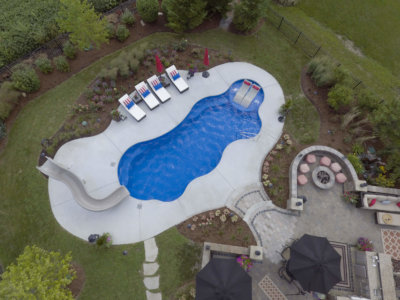
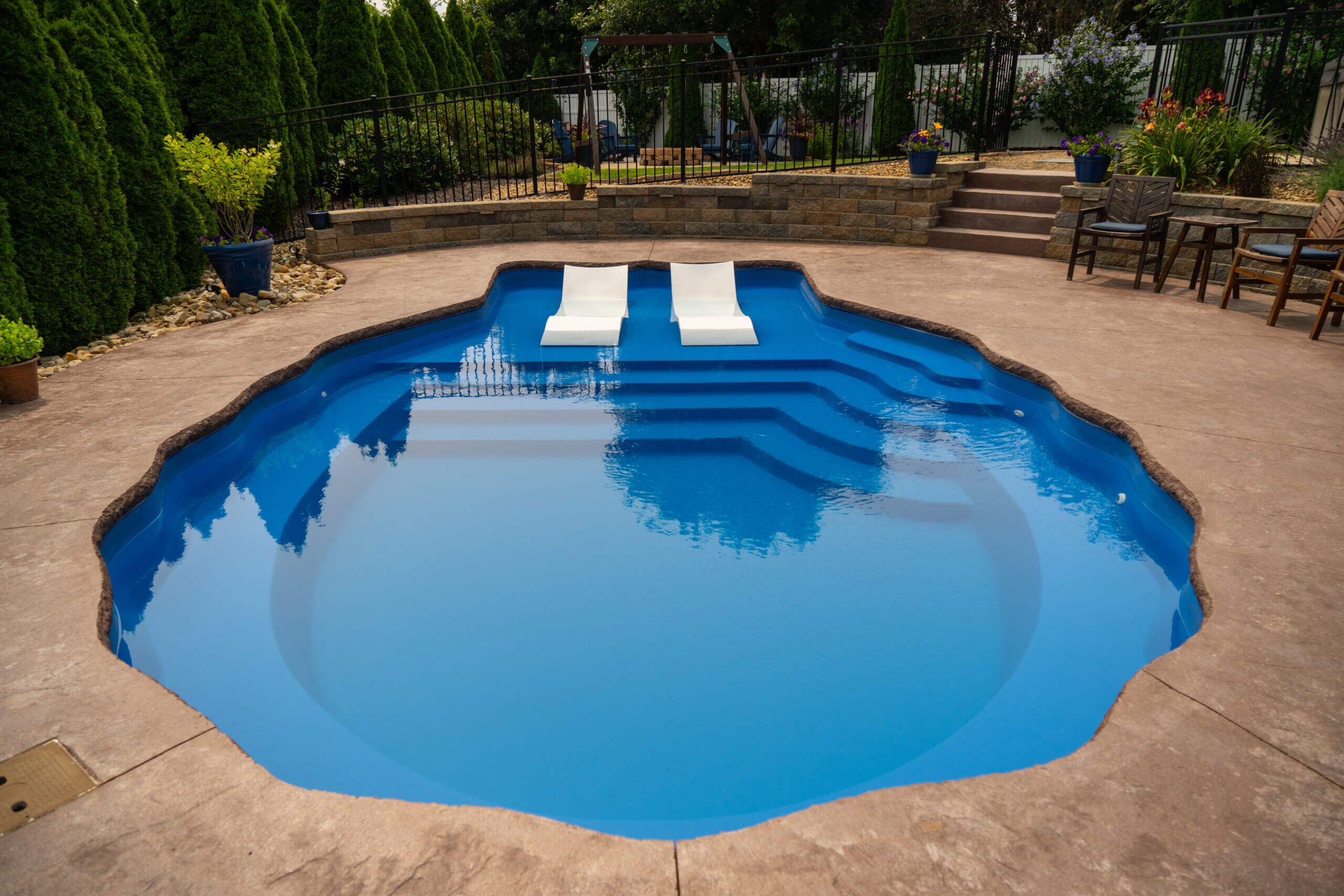
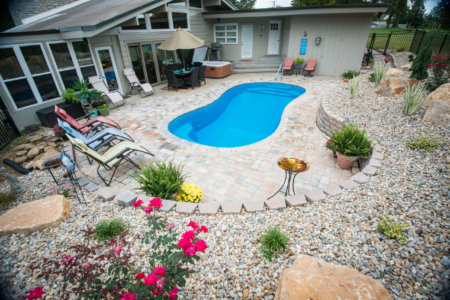
Fiberglass Pools increase home valueChoose a pool size that’s in balance with the rest of your yard. While you might want as much pool as possible, future buyers may not. Plus, a large pool in a small yard won’t be as aesthetically pleasing. Fortunately, modern inground pools come in a variety of sizes, shapes, and designs, so you can be sure to choose the right-sized pool. 


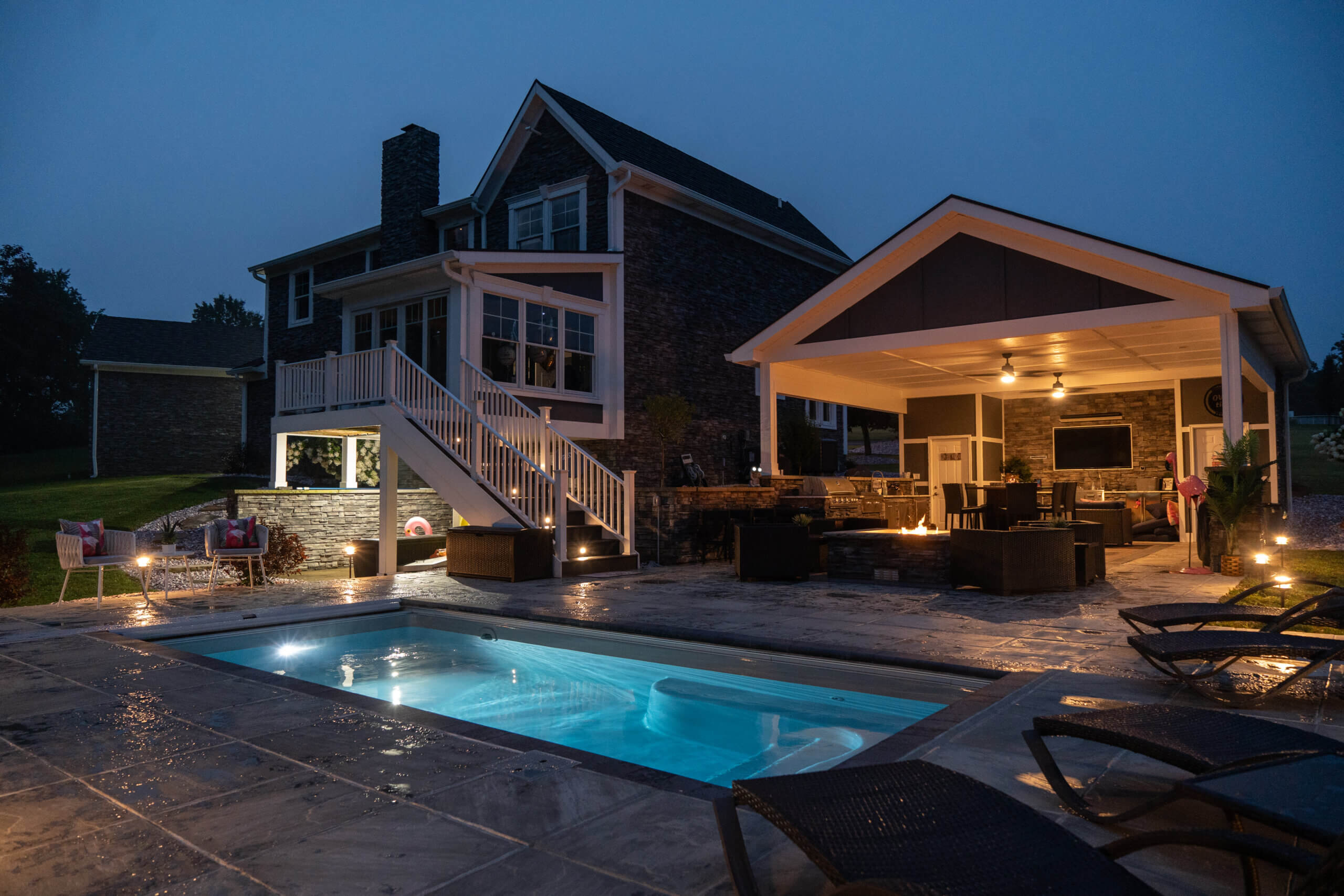
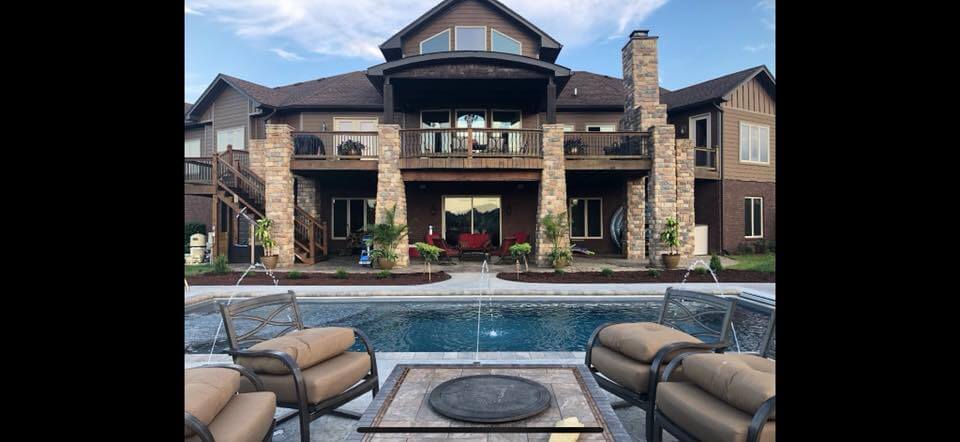
More and more home buyers are looking for outdoor multi-purpose spaces. It’s important that your pool complements the other activities that people want to enjoy outside. Choose a pool that will also give your backyard the feeling of an outdoor living room by adding lounging, cooking, dining and entertainment areas.


HOW MUCH VALUE DOES A POOL ADD TO AN APPRAISAL?

While above-ground pools will likely not add value to your home, inground pools can add 5% to 8% in value to a home on average. That said, how much value does adding a pool add? With a five to eight percent increase in home value, a $400,000 home might see an improved valuation of around $420,000 to $432,000. 


BENEFITS OF A FIBERGLASS POOL

We believe that a fiberglass pool can add to your home value, but aside from that, there are other perks to owning a fiberglass pool by Thursday Pools.
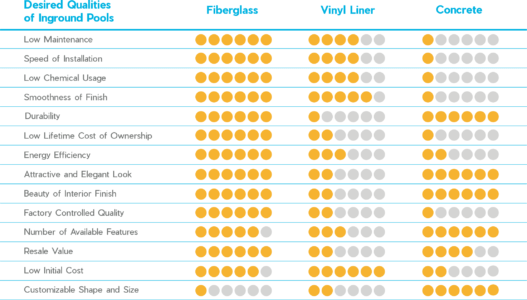
fiberglass pool vs vinyl liner vs concrete

  • Quick to install – Fiberglass pools usually take days or a few weeks to install versus other pool types, which can take up to 6 months to install. This choice can mean the difference between capturing a swim season or being forced to wait until next year. Busy seasons may increase this install time, but a conversation with your dealer can let you know what your pool’s timeline will look like.
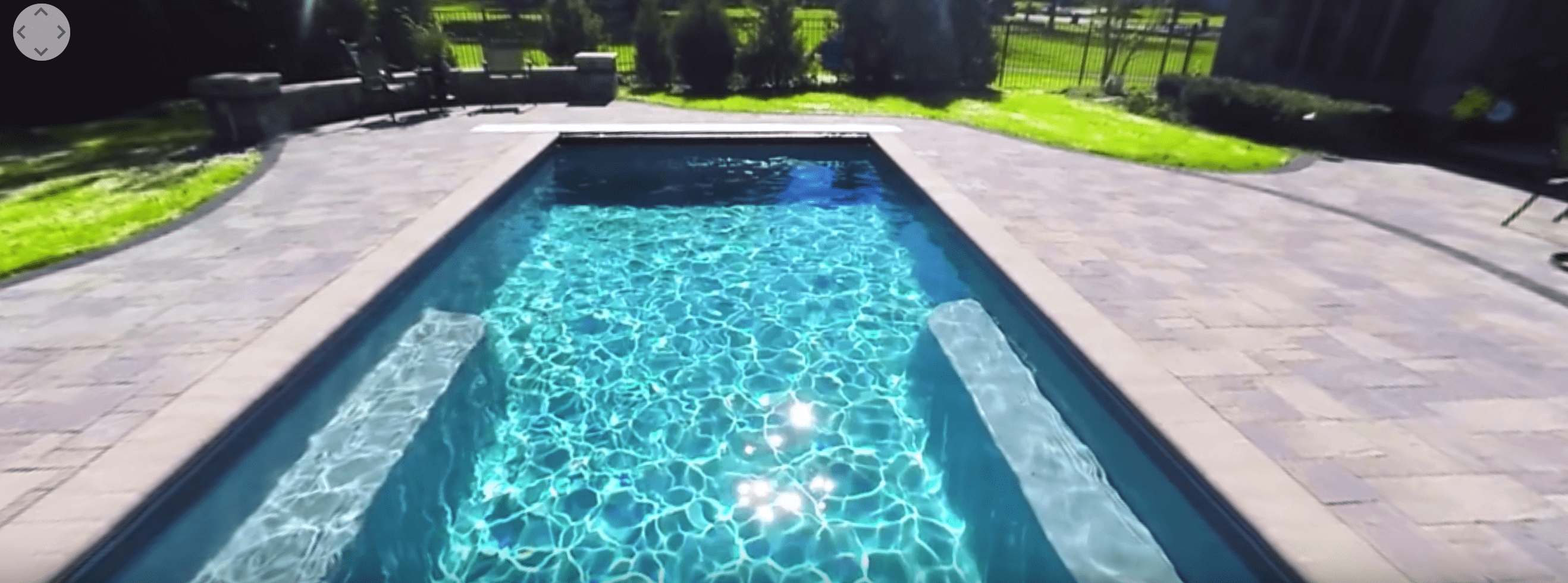
  • Attractive – The gel coat finish of fiberglass pools combined with clean, balanced water and sunlight makes for a stunning view. They look pretty great when paired with accent lighting at night, too. 

  • Feel – Some inground pool types can have a gritty surface that might scratch you. Others will have a much smoother surface and might cause you to slip and slide. Modern fiberglass pools feel solid and look slick but are neither slippery nor prone to snag your swimsuit. 

  • Beautiful shapes, sizes, and colors – For pairing a pool with your backyard, climate, and location, Thursday Pools offers pools in shapes, sizes, and colors that match practically every need. 

  • Durability – The durability of fiberglass pools is unparalleled. With vinyl, you will have to be careful to avoid rips or tears, and you’ll need to replace the liner about every 8 to 10 years. Gunite requires a heavier chemical regimen and periodic resurfacing. A fiberglass pool can last years without resurfacing or replacement. 
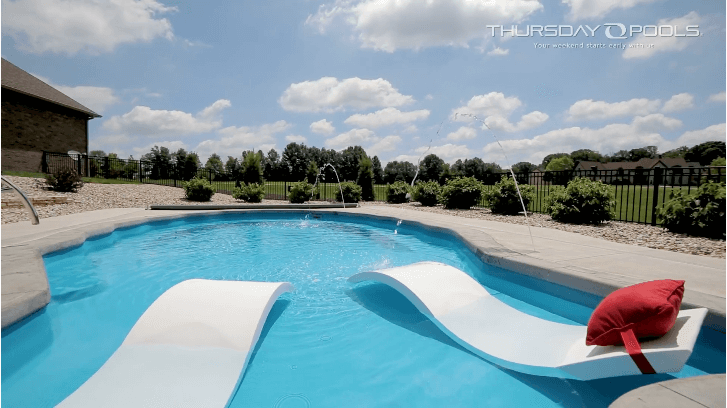
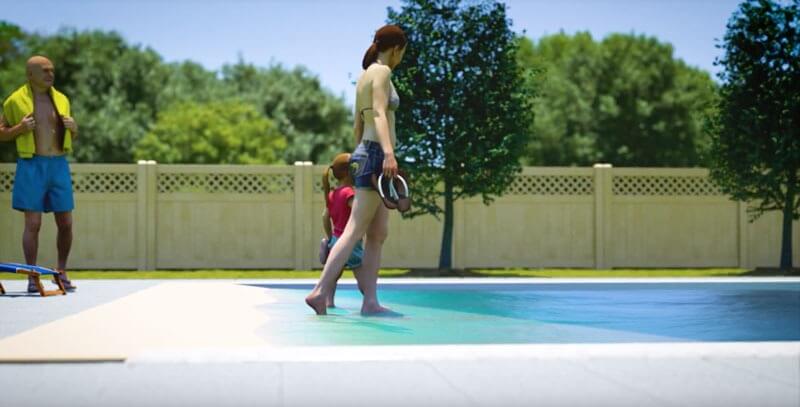
Built-in features – Fiberglass pools now have built-in features you might have only found in costly custom resort-style pools. Tanning ledges, beach entries, and wrap-around benches are among the features you can find in the Thursday Pools designs.

6 Tips to Reduce Inground Pool Operating Costs

Buyers often only look at upfront costs when pricing and comparing  inground pools. However, ongoing pool operating costs can add up over the lifetime ownership of your pool. While all pool types have some of the same expenses, understanding the differences in operating costs among fiberglass, vinyl liner, and gunite pools can help you make smarter choices to keep the costs in check. From testing your water chemistry to maintaining equipment, check out our tips on reducing your  inground pool costs.


Thursday Pools is using a pH and cl kit to test the swimming pool's water quality.Tip 1: Test Your Pool Water Regularly

According to  HomeGuide, annual pool chemical costs average $175 for a fiberglass pool, $400 for a vinyl pool, and $750 for a concrete pool. However, your actual cost will depend on the amount of chemicals you need to maintain balanced water chemistry. Trying to correct problems after you have “lost your pool” can result in extra, unnecessary expense, so test often to help maintain better control. Regularly test your water using a DIY test kit, take a sample to a pool store, or use a professional pool service for a more thorough analysis. In addition to the usual pH and chlorine levels, professionals assess a wider range of factors, such as alkalinity, calcium hardness, and stabilizer levels, ensuring that any imbalance is detected before it becomes a costly problem. 


Tip 2: Add Chemicals in the Evening

To get the most out of your pool chemicals, regardless of pool type, add them in the evening or at night when the sun is down. Adding pool chemicals in the evening is ideal for all pool types to help ensure that they work optimally, extending their efficacy and reducing the frequency of reapplication. Chemicals like chlorine degrade quickly under sunlight, so evening application allows them to work overnight without UV interference, ensuring better absorption and balanced water. This timing also improves the overall effectiveness of algaecides, pH adjusters, and other treatments, keeping your pool water clear and properly maintained.


TIP 3: Keep Your Pool Clean

Thursday Pools' robot underwater cleaner and pool skimmer

When you regularly backwash, skim, brush, vacuum, and monitor your pressure gauge, you’re less likely to have prematurely expensive repairs. Fiberglass pools are more algae-resistant than other pool types, so you’ll automatically save time and money on cleaning. Maintaining a clean pool improves the efficiency of your pool’s filtration system, reducing wear and tear on equipment. Costs for pump replacements, filter repairs, and other common issues vary depending on the pool type and equipment brand.  Considering all pool types, HomeGuide estimates that replacing a pool pump motor averages $150 to $800, and repairing it costs $50 to $300. A new inground pool filter costs $385 to $1,600. Repairing minor issues in your heater or heating tubes can cost $100 to $300, and replacing your heater averages $1,600 to 5,200. Set reminders or regularly schedule cleaning to save money in the long run. 


TIP 4: Save Water by Managing Usage and Covering Your Pool

Water conservation is a critical aspect of reducing inground pool operating costs. During the swim season, pools require refills as they lose water due to evaporation, improper backwashing, and kids splashing. On average, pools lose about two inches of water per week, up to around 2,000 gallons per month. Depending on local water rates, this ongoing cost can range from  $4 to $20 monthly​. Pool covers can dramatically reduce evaporation by up to 90%. They also help maintain your pool’s temperature, lowering heating costs. Monitor splashing and limit it by setting clear rules for pool play. Not only does this save water, but it also reduces the need to add and rebalance your pool’s chemicals. Follow the manufacturer’s guidelines for filter backwashing to avoid unnecessary water loss.


TIP 5: Heat Your Water More Efficiently 

Heating your pool can be one of the most significant ongoing expenses, so it’s important to manage it wisely. Fiberglass pools retain heat better than other pool types due to their insulating properties, making them more energy-efficient and less costly to heat. Electric resistance heaters consume a lot of electricity, with operating costs ranging from $175 to $600 per month. Gas pool heaters quickly warm up the water, but they average between $200 to $500 or more per month to run. On the other hand, heat pumps are much more energy-efficient, costing about $50 to $150 per month, though they take longer to heat the water. Solar pool heaters use electricity only to circulate water, making them the most cost-effective at around $10 to $25 per month. Regardless of your pool heater type, set your pool heater between 78-82 degrees to maintain a comfortable temperature without overworking the heater. 


TIP 6: Save Energy 3 Ways

Your pool pump plays a vital role in water circulation and filtration, so efficiently running it can save money. Consider switching to a variable-speed pump, which uses less energy than a single-speed pump and allows you to adjust the flow rate based on your pool’s needs. A timer can automatically control when the pump runs, optimizing usage during off-peak hours to reduce energy consumption. This simple addition can significantly cut down your electric bills. It’s easy to forget to turn off your pool lights, especially after an evening swim. Unfortunately, keeping the lights on when the pool isn’t in use can unnecessarily add to your electricity costs. Make it a habit to check that all lights are off before heading inside for the night. Accidentally leaving the backwash running or overfilling your pool wastes water and incurs additional heating and chemical balancing costs. Set reminders or timers when performing these tasks to avoid costly errors.


Get Your Pool Cost Questions Answered

Keeping your inground pool operating costs low is all about regular maintenance, efficient use of equipment, and smart choices. Whether you choose a fiberglass, vinyl, or gunite pool, taking proactive steps can significantly lower your ongoing expenses and keep your pool running smoothly. If you have questions about inground pool costs or are ready to take the plunge and purchase,  consult a pool dealer near you.

Before Buying a Pool ebook

Everything You Need to Know Before Buying a Pool!


Thursday Pools Before Buying a Swimming Pool eBook cover


Many pool owners will tell you that there are many details that they wish they would have known about before purchasing their swimming pools. Download our What I Wish I Knew Before Buying a Pool Guide to help you avoid becoming this person.

Download