Topic: Inground Pools
How Much Does an Inground Pool Cost?
Vinyl vs. Gunite vs. Fiberglass Pool
Vinyl Gunite Fiberglass Comparison ebook
Get the facts before you buy!

Investing in an inground swimming pool is a big decision. It’s important to understand which type of pool best meets your family’s unique needs. Check out our comprehensive pool comparison and arm yourself with the knowledge you need to make the best choice for you!
In this eBook, we compare all three pool types based on the following characteristics:
- Speed of Installation
- Surface Comfort
- Surface Durability
- Maintenance Time and Cost
- Customizable
- High-End Features
- Upfront Cost
- Competitive Warranty
- Environmentally-Friendly
- Overall Investment
Should I Buy an Inground or an Above Ground Pool?
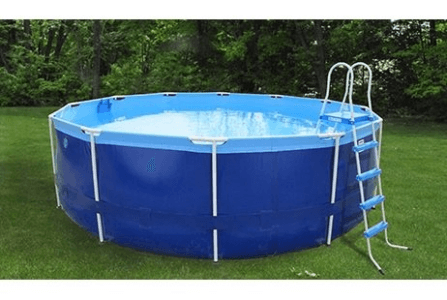
Getting a new swimming pool is a huge deal requiring careful planning and exploration. Given that you can roll years of vacation travel and expense into one backyard “stay-cation” that can pay dividends year in and year out, your decision to buy a pool is actually an investment decision. Like any investment, you should consider your options well. One of the first choices you’ll be faced with is between above ground pool vs inground pool. If you choose an above ground pool, you’ll be getting a vinyl liner pool, as that’s the only type of pool offered in above-ground styles. If you choose an inground pool, you’ll be choosing between three pool types. In addition to a vinyl liner pool, you’ll also have the options of gunite (concrete) or a fiberglass inground pool.

Let’s take a look at some of the factors to consider between above ground and inground pools, as well as the feature options and pricing to help you narrow the field.
- Where you live. This should be your first consideration when you’re choosing what type of pool is right for you because the choice may not be yours. Some homeowners’ associations do not allow above ground pools and may even dictate what type of inground pool you can install in your backyard. So, check any local bylaws before you spend time doing any other research.
- Pool Cost. If your budget is limited, and you’re really only interested in having a place to cool off every once in a while, you might prefer an above ground vinyl liner pool. Do-it-yourselfers can find above ground pool kits are the least expensive, starting at around $1,500. Inground vinyl pools (installed) can cost up to ten times more, with small fiberglass pools (installed) costing between $20,000 and $40,000. Gunite pools (installed) will run between $30,000 and $50,000.
- Installation time. Above ground pool kits are designed to snap together, so you could be swimming in a day. By contrast, inground vinyl liner pools will take an average of 30 days to install while gunite pools can take as long as 90 days (in good weather). Because the fiberglass shells are manufactured and shipped in one piece, inground fiberglass pools can be installed in as little as two weeks.
- Maintenance. While the low upfront cost of an above ground pool might be tempting, you should be prepared to spend more time and money on pool maintenance. Gunite pools will need to be resurfaced every 7-10 years, at an average cost of $15,000. However, fiberglass pools never need to be resurfaced and require the least amount of chemicals to maintain.
- Resale value. In most areas, inground pools improve home value, whereas above ground pools will not. I
- Aesthetics. In terms of overall beauty, above ground pools simply cannot compare to inground pools. The compromise you’ll make in terms of upfront cost and minimal installation time means that you’ll be looking out the window at a large object sitting in the middle of your yard, just as you would a jungle gym, swing set or trampoline. Also, if you decide to get rid of your above ground pool, you’ll need to reseed or re-sod your lawn.

Any type of inground pool offers you the ability to landscape around it, create specialty decking and add in ambiance-enhancing lighting. With gunite pools, you can choose any kind of custom shape you can imagine (but your cost will reflect that). With a quality fiberglass pool, you can choose from a huge assortment of shapes, sizes and colors, so you can get a custom look at no extra charge. You’re sure to find one that perfectly complements your backyard and your home’s overall look and feel.
In a nutshell, above ground pools are an option if:
- Your homeowners’ association allows it.
- You just want a quick and inexpensive way to cool off and pool cost is a big part of your decision.
- The overall look of your backyard isn’t that big of a deal to you.
- You might be moving soon and want to be able to take your pool with you.
- You understand that you might be trading some of your upfront savings for additional repair and maintenance costs down the line.
Inground pools are great if:
- Your homeowners’ association requires inground pool installation.
- Your inground pool cost budget allows for the upfront investment, or you are able to finance your new pool purchase.
- Your home’s resale value and the overall look of your backyard oasis are important to you.
- You’re planning to stay in your home a while to make your upfront investment worthwhile.
- You’re ready to create a place that will allow you to have quality family time together for many years to come.
Choosing an Inground Pool Shape for Your Family’s Stage in Life
Selecting the right inground pool shape goes beyond aesthetics. It’s about creating a space that fits your family’s lifestyle and stage in life. Whether you are a couple looking for a serene escape or grandparents seeking a safe and accessible pool design, your pool shape can impact its functionality and appeal. Explore inground pool shapes tailored to different family types, ensuring a cherished spot for relaxation, fun, and a lifetime of memories.
Families with Small Children
Families with small children need a pool that prioritizes safety, easy access, and designated shallow areas for play. A well-designed pool for young kids ensures peace of mind for parents and creates a fun and inviting space where children can safely enjoy the water as they grow and gain confidence in their swimming skills.
Key Considerations:
- Safety First: Shallow zones, non-slip surfaces, and secure access points are crucial.
- Visibility: The pool shape should allow clear sightlines for parents to keep an eye on the kids.
- Multi-Level Play Areas: Zones with varying depths cater to toddlers, beginner swimmers, and older children alike.
Recommended Pool Shapes:
- Beach Entry Pool: The gradual, sloping entry mimics the feel of a beach, providing an ideal play area for small children. It allows them to enter the water slowly and safely, perfect for toddlers and young kids just getting comfortable in the water. With a gentle slope into the pool, the beach entry is ideal for wading, splashing, and sunbathing.
- Wading Pool: A wading pool features a shallow, uniform depth, making it an excellent space for young children to play and for adults to relax. It provides a perfect environment for toddlers and pets, offering peace of mind with its shallow water (typically around 18 inches deep). Look for a non-slip surface and built-in benches for easy supervision.
- Plunge Pool: Plunge pools bring depth without taking up too much backyard play space. They’re great for young swimmers getting comfortable with water. They let your kids splash, stand, and play safely while you stay close.
- Rectangular Pool: The simple rectangular-shaped pool allows for easy oversight, and a built-in tanning ledge is a perfect spot for small children to splash and play. A defined shallow area is great for play or for parents to relax close to the kids.
Families with Teenage Children
Families with teenagers need a pool that matches their active lifestyle and provides ample space for fun and socializing. From swimming laps to playing water games and lounging with friends, the right pool shape can turn your backyard into the ultimate hangout spot for teens and their friends while ensuring safety.
Key Considerations:
- Active Lifestyle: Teenagers often enjoy active water activities like swimming, water games, or just lounging in the pool with friends.
- Space for Socializing: The pool should comfortably accommodate groups of friends, with areas for swimming and hanging out.
- Safety Considerations: Ensure the design includes proper depth transitions for safe enjoyment.
Recommended Pool Shapes:
- Rectangular Pool: Rectangular pools offer plenty of space for swimming laps, water sports, and general relaxation. The shape is versatile for various activities and may include tanning ledges for lounging and socializing, as well as built-in steps and swim-outs for easy entry and exit.
- Freeform Pool: Freeform pools are natural and playful, perfect for a fun and relaxed environment. The shape features curved edges that create nooks for relaxation while still offering ample swimming space. Tanning ledges, built-in steps, and wraparound benches enhance their aesthetic and functional value.
- Spa: Adding a spa to a pool creates a perfect relaxation zone for teenagers and their parents. It’s an ideal space for resting after an active swim or quiet conversation.
Couples
For couples, a pool is often more than just a place to swim—it’s a retreat for peace, romance, and entertaining close friends. The ideal pool shape should prioritize aesthetics, tranquility, and a touch of luxury, creating a serene environment that enhances the atmosphere of your home while catering to intimate gatherings and quiet moments.
Key Considerations:
- Relaxation: Couples often prioritize tranquility, aesthetics, and space for quiet, romantic moments.
- Entertaining Small Groups: The pool should provide ample space for socializing.
- Elegant Design: A focus on style and elegance with mood-enhancing features.
Recommended Pool Shapes:
- Roman Pool: The classic Roman pool shape offers a touch of elegance with its symmetrical design and rounded ends. It provides ample swimming space with a refined, sophisticated look. Elevate the experience with a tanning ledge, wraparound benches, and built-in steps.
- Freeform Pool: A freeform pool offers a more organic and flowing design, perfect for creating a tranquil and romantic environment. Its natural, curving shape blends seamlessly into the landscape, adding a sense of elegance and serenity. Tanning ledges, wraparound benches, and built-in steps are perfect for conversation and relaxation.
- Rectangular Pool: The sleek and straightforward rectangular pool design makes it a versatile and sophisticated option for couples. This shape is perfect for swimming laps or simply enjoying a quiet, reflective swim. Clean lines create a modern aesthetic, and options for swim-outs, tanning ledges, and built-in steps add form and function.
- Plunge Pool: Busy homeowners will love the low-maintenance luxury of a plunge pool. Sleep, minimalist designs save backyard real estate while delivering high-style living. And with fewer chemicals and less upkeep, you’ll spend more time lounging poolside and taking quick dips—and less time worrying about pool chores.
- Spa: Spas provide an intimate space for relaxation and hydrotherapy, making them a great addition to any pool area. They offer a perfect spot for couples to unwind, soak in the warm water, and experience the therapeutic benefits of jets, enriching the overall ambiance of the backyard retreat.
Grandparents
Grandparents often seek a safe pool that is easy to access and designed for relaxation and family bonding. With a focus on gentle entry points and versatile spaces, the perfect pool shape allows grandparents to enjoy light exercise, cool off on warm days, and spend quality time with grandchildren in a safe and comfortable environment.
Key Considerations:
- Ease of Access: Safety and ease of entry/exit are top priorities, with designs considering limited mobility.
- Low Maintenance: Simple designs that are easy to maintain and clean.
- Relaxation and Family Time: A focus on relaxation with areas for grandchildren to play safely.
Recommended Pool Shapes:
- Freeform Pool: The freeform’s gentle curves are ideal for creating a relaxing environment with designated areas for both lounging and safe play. Beneficial features include non-skid surfaces, easy entry and exit with built-in steps, swim-outs, and enough space for gentle swimming.
- Wading Pool: Shallow, versatile pools for relaxing, light exercise, or letting grandchildren splash safely. It’s perfect for older adults who want a low-impact space to enjoy the water. Features often include uniform shallow depth, non-skid surfaces, and benches.
- Plunge Pool: Plunge pools bring the joy of safe, shallow water without requiring a sprawling backyard or creating excessive work and responsibilities. Their manageable size simplifies cleaning and maintenance, while built-in steps and comfortable depths make it easier to enjoy time with grandkids. It’s poolside relaxation without the strain—just pure connection and comfort.
- Beach Entry Pool: The gradual, sloping entry makes it exceptionally easy to get in and out, catering to all mobility levels. It’s perfect for grandparents and young grandchildren alike, providing an accessible space. The gentle slope mimics the beach feeling and allows for sunbathing, wading, and safe play.
- Spa: A spa’s hydrotherapy benefits often appeal to grandparents. The warm water and soothing jets help relieve joint pain and promote relaxation, making it an ideal spot for unwinding.
Get the Right Shape For Your Family: Consult a Pool Builder
Choosing a pool shape brings you one step to creating your dream pool and enjoying many memories with your loved ones. In no time, you’ll look out your window and won’t even be able to remember what your yard looked like before your fabulous new pool.
If you need help selecting a shape, contact a local pool builder. Their years of experience designing pool projects and insights from countless backyards can offer invaluable guidance. Get a design consultation today from an independent Thursday Pools dealer.
Landscaping Your Backyard Swimming Oasis eBook
Landscaping your Backyard Swimming Oasis for Beauty and Easy Pool Maintenance
Discover the perfect plants to surround your pool. (And also the ones to avoid!)

So many beautiful plants in the world… how do you choose the BEST ones to enhance your pool area? Download our ebook to learn how to choose the ideal trees, plants, and shrubs to create low-maintenance, year-round beauty!
The Hidden Costs of Installing an Inground Pool
Inground pool quotes are often not all-inclusive. The estimate a builder provides on day one typically covers the pool structure, the excavation, and the core installation, but may stop there. Permits, fencing, decking, landscaping, and more line items may appear later as hidden costs of installing an inground pool.
Why Inground Pool Quotes Can Look Lower Than the Final Total
Two buyers with identical pools can receive quotes that differ by $20,000 or more. The gap usually comes down to scope: one quote includes premium decking, fencing, and landscaping, while the other covers only the pool and core installation.
The only way to compare quotes accurately is to confirm what each one includes and excludes before you use it to make decisions. A low base quote isn’t a bargain if it leaves out $15,000 in fencing and electrical work you’ll have to pay for anyway.
For a full breakdown of inground pool cost by pool type, including fiberglass, vinyl liner, and concrete, see our complete Inground Pool Cost Guide.
What Does an Inground Pool Installation Quote Typically Include?
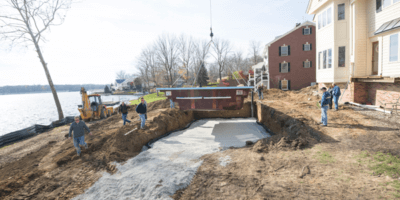
Most standard installation packages cover the pool structure (shell, steel framing, or concrete depending on pool type), excavation and backfill, delivery, a pump and filter system, basic electrical setup, rough plumbing, and often a handrail. Most basic quotes do not always include the costs of permits, full electrical work, safety fencing, water fill, dirt hauling, pool covers, decking beyond a basic perimeter, landscaping, and yard restoration.
What Are the Most Common Extra Costs During Inground Pool Installation?
Permits and Inspections
Most municipalities require a building permit before pool excavation can begin. Separate permits for electrical and plumbing work may also be required. Permit costs typically run between $100 and $1,000, according to Pool Research, though the range varies significantly by jurisdiction. Some dealers or contractors handle the application, but the cost is yours to cover.
Excavation and Site Preparation
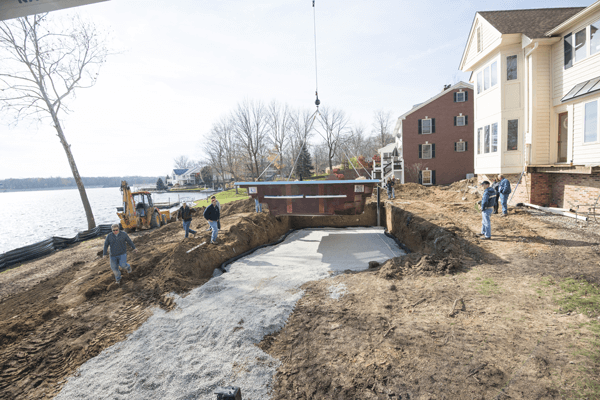
Site-specific conditions change excavation costs more than most buyers expect. Rocky soil requires heavier equipment and takes longer to excavate, clay-heavy soil needs drainage solutions, and sandy soil may need additional stabilization around the pool shell. Sloped yards can require grading or retaining walls before installation can proceed.
According to a 2026 survey of independent pool builders in the Thursday Pools dealer network, navigating soil conditions, elevation changes, or limited access can cost between $1,500 to $4,500 or more.
Safety Fencing
Many states and municipalities require fencing around residential pools. Specific requirements, including barrier height, material, gate types, self-latching mechanisms, and other regulations, vary by location. Your contractor should know the local code, but the cost is not always included in the base quote.
According to a 2026 survey of Thursday Pools independent dealers, the average cost for a standard 300-linear-foot fence is just more than $8,000.
Electrical Work
Pool equipment, including pumps, filtration systems, heaters, lighting, and automation controls, all require electrical connections. The complexity of that work depends on your home’s panel capacity, the distance from the equipment pad to the main panel, and the scope of lighting or automation you want.
Your pool dealer may or may not offer full electrical wiring and installation as part of their pool installation package. Either way, we recommend budgeting at least $2,000 to $5,000 for pool electrical work, though more complex setups or homes that need a panel upgrade can cost up to $10,000 or more. Confirm with your contractor whether electrical work is included in the base installation package.
Water Fill
Filling an inground pool for the first time requires a significant volume of water. Depending on pool size and local water rates, the initial fill can cost up to $2,000, according to HomeGuide.
Decking, Landscaping, and Yard Restoration
Construction equipment will occupy your backyard for weeks and can leave the surrounding yard in rough shape. Post-installation restoration, including grading, sod, and landscaping, is typically not included in a base pool quote.
Decking adds significantly to the project total. A 1,200-square-foot poured concrete patio averages just over $12,500, according to 2026 data from Thursday Pools independent dealers. Paver patios of the same size run just over $13,000. Premium materials like stamped concrete or natural stone cost more.
Pool Covers
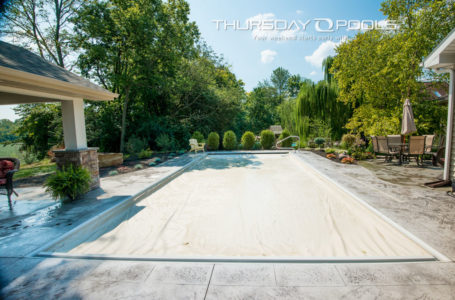
A pool cover is not optional if you live where winters freeze. The type you choose affects both upfront cost and long-term maintenance convenience.
- Winter covers average $75-$250, according to HomeGuide.
- Manual retractable safety covers average around $4,000, according to the 2026 Thursday Pools dealer survey.
- The 2026 Thursday Pools dealer survey shows that automatic pool covers average $17,580 installed.
Automatic covers provide the most convenience and protection, but they require an electrical hookup and need to be factored into the electrical budget. In many cases, installing the auto cover and running the electrical simultaneously reduces total cost.
What Are the Ongoing Costs of Owning an Inground Pool?
Installation is a one-time expense. The following costs may seem hidden initially, but will recur for the life of the pool.
Regular Maintenance
Inground pool ownership requires staying on top of tasks like skimming the surface, vacuuming debris, and maintaining correct water chemistry levels for safe water and surface protection. In our experience, fiberglass pool owners typically spend $500 to $1,500 per year on DIY maintenance, while vinyl liner pool owners spend $1,000 to $2,000 per year. Gunite pool owners spend more, from $2,000 to $4,000 annually, because the porous concrete surface requires additional chemicals to control algae.
Equipment Maintenance and Repairs
Pumps, filters, heaters, and plumbing components require periodic maintenance and eventual replacement. Budget for routine upkeep and set aside a reserve for unexpected equipment failures.
Utility Costs
Running a pool pump, heater, and lighting adds to your electricity and water bill throughout the season. Energy-efficient variable-speed pumps and covers that reduce evaporation both help lower operating costs over time.
Winterization
In climates with a freeze-thaw cycle, closing the pool properly each fall protects the plumbing, equipment, and structure. Winterization typically involves blowing out plumbing lines, treating water chemistry, covering the pool, and storing or protecting equipment. Labor and materials add an annual cost.
Resurfacing or Liner Replacement
Concrete pools need resurfacing every 10-15 years, typically at $6,000 to $15,000 or more, according to HomeGuide. Vinyl liner pools need a new liner every 5-15 years, typically costing $3,000 to $7,500, per HomeGuide. Fiberglass pools do not require periodic resurfacing, and there is no liner to replace.
How Does an Inground Pool Affect Homeowners’ Insurance?
Pools are classified as an “attractive nuisance” under most homeowners’ insurance policies, which means they increase your liability exposure in the eyes of your insurer. Expect your annual premium to rise after installation. The specific increase varies by carrier, location, coverage level, and what safety features, such as fencing, alarms, or an automatic cover, you have in place.
Contact your homeowners’ insurance provider before installation to understand the impact on your policy. Adding required safety features upfront can reduce both liability risk and premium impact.
Questions to Ask Your Contractor Before You Sign
Before committing to any inground pool quote, get clear answers to the following questions:
- Does this quote include permits, inspection fees, and permit applications?
- Is all electrical work, not just the panel, included?
- Does the quote include dirt hauling and excavated material removal?
- What decking is included, and what does additional patio work cost?
- Is fencing included, and does it meet local code requirements?
- Is the initial water fill included?
- Is any pool cover included, and what is the cost to upgrade to an automatic cover?
- Is basic yard restoration or landscaping included?
Talk to a Local Thursday Pools Dealer Before You Budget
Installation costs vary by yard, location, soil type, access conditions, and what you want surrounding the pool. The most accurate budget comes from a dealer who has seen your specific site. An authorized Thursday Pools independent dealer will assess your yard and give you a project estimate that accounts for your site, project scope, and budget. You can also try our Pool Cost Calculator for a ballpark starting point before your first dealer conversation.
Frequently Asked Questions About Inground Pool Installation Costs
What costs are typically not included in an inground pool installation quote?
Base installation quotes most often exclude permits and inspection fees, safety fencing, the full scope of electrical work, water fill, dirt hauling, decking beyond a small perimeter, landscaping, yard restoration, pool covers, and pool heaters. Getting a fully itemized quote makes it possible to compare proposals accurately and avoid budget surprises.
How much does it cost to install an inground pool, including all expenses?
A fiberglass pool typically runs $45,000 to $100,000 or more for the base installation, according to a 2026 Thursday Pools independent dealer network survey. Adding fencing, full decking, electrical work, a heater, and an automatic cover can push the total significantly higher. For a full breakdown by pool type, see our Inground Pool Cost Guide.
Do I need a permit to install an inground pool?
Yes. In most jurisdictions, a building permit is required before excavation can begin. Separate permits for electrical and plumbing work may also apply. Permit costs typically run $100 to $1,000, though the amount varies by location. Your contractor should manage the application process, but the cost is typically not included in the base installation quote.
Does inground pool fencing have to meet local code?
Yes. Most municipalities and states have specific fencing requirements for residential pools, covering minimum height, gate specifications, and latching mechanisms. Requirements vary by location, and your builder should know the local codes. According to a 2026 survey of Thursday Pools independent dealers, the average cost for a standard 300-linear-foot fence is just more than $8,000.
How much does inground pool electrical work cost?
Pool electrical work typically runs $2,000 to $5,000 at minimum in our experience, and up to $10,000 or more for complex setups or homes that need a panel upgrade. This cost is frequently excluded from base installation quotes. Confirm what is included before signing, and get a separate electrical estimate if it is not covered.
Will installing an inground pool raise my homeowners’ insurance?
Yes. Pools are classified as attractive nuisances, and most homeowners’ insurance policies will increase annual premiums after installation. The impact depends on your carrier, coverage level, location, and what safety features you have installed. Contact your insurance provider before installation to understand the impact on your policy.
Which type of inground pool has the lowest lifetime cost?
Fiberglass pools typically carry the lowest lifetime maintenance cost because they do not require periodic resurfacing or liner replacement. Concrete pools need resurfacing every 10-15 years at $6,000 to $15,000 or more. Vinyl liner pools need a new liner every 5-15 years at $3,000 to $7,500 per replacement. Fiberglass pools require no resurfacing or liner replacements.
What questions should I ask before signing a pool installation contract?
Ask specifically whether the inground pool quote includes permits, dirt hauling, electrical work, safety fencing, water fill, decking, an initial pool cover, and yard restoration. Ask for an itemized breakdown so you can compare quotes from different contractors on equal terms.
Will an Inground Swimming Pool Add to my Home’s Resale Value?
When considering buying a pool, a popular question people ask is, “Does a pool add value to a home?” The short answer is “yes, it can.” However, it’s essential to acknowledge that while some home buyers see a pool as a huge asset, some buyers would never consider purchasing a home with a pool. In this post, we’ll consider some factors that help determine whether a pool (including a fiberglass pool) increases home value.

THE POOL TYPE
Above-ground pools will likely not increase your home value, so we will only consider inground pools. Remember that not all inground pools are created equal. A durable, shimmering blue fiberglass pool that is maintained and cared for will help resale more than a faded-out vinyl-lined pool with an obvious need for repair. Also, a lower maintenance pool will be more attractive to home buyers.
Gunite pool maintenance includes steel brushing the surface every week, acid washing every three to five years, and resurfacing every 10 to 15 years. For vinyl liner pools, you will need to replace the liner every five to nine years. Both gunite and vinyl require more chemicals and maintenance time. With fiberglass pools, there is no need to resurface and they require fewer chemicals, so a fiberglass pool provides less maintenance and longest-lasting finish.
YOUR LOCATION
Climate is essential when considering the value-added relative to resale value. Generally speaking, homes with a longer swim season will garner a higher selling price from adding a pool versus a home in a colder, northern climate.
Your neighborhood is also a factor. If many homes have pools in the neighborhood, homebuyers may expect you also to have a pool. Even in neighborhoods that don’t have a lot of houses with pools, home value can increase because it’s considered a unique selling proposition. A home with a pool is attractive in neighborhoods with a lot of school-aged children.
YOUR OUTDOOR LIVING SPACE
Choose a pool size that’s in balance with the rest of your yard. While you might want as much pool as possible, future buyers may not. Plus, a large pool in a small yard won’t be as aesthetically pleasing. Fortunately, modern inground pools come in a variety of sizes, shapes, and designs, so you can be sure to choose the right-sized pool.
More and more home buyers are looking for outdoor multi-purpose spaces. It’s important that your pool complements the other activities that people want to enjoy outside. Choose a pool that will also give your backyard the feeling of an outdoor living room by adding lounging, cooking, dining and entertainment areas.
HOW MUCH VALUE DOES A POOL ADD TO AN APPRAISAL?
While above-ground pools will likely not add value to your home, inground pools can add 5% to 8% in value to a home on average. That said, how much value does adding a pool add? With a five to eight percent increase in home value, a $400,000 home might see an improved valuation of around $420,000 to $432,000.
BENEFITS OF A FIBERGLASS POOL
We believe that a fiberglass pool can add to your home value, but aside from that, there are other perks to owning a fiberglass pool by Thursday Pools.

- Quick to install – Fiberglass pools usually take days or a few weeks to install versus other pool types, which can take up to 6 months to install. This choice can mean the difference between capturing a swim season or being forced to wait until next year. Busy seasons may increase this install time, but a conversation with your dealer can let you know what your pool’s timeline will look like.
-
Attractive – The gel coat finish of fiberglass pools combined with clean, balanced water and sunlight makes for a stunning view. They look pretty great when paired with accent lighting at night, too.
-
Feel – Some inground pool types can have a gritty surface that might scratch you. Others will have a much smoother surface and might cause you to slip and slide. Modern fiberglass pools feel solid and look slick but are neither slippery nor prone to snag your swimsuit.
-
Beautiful shapes, sizes, and colors – For pairing a pool with your backyard, climate, and location, Thursday Pools offers pools in shapes, sizes, and colors that match practically every need.
-
Durability – The durability of fiberglass pools is unparalleled. With vinyl, you will have to be careful to avoid rips or tears, and you’ll need to replace the liner about every 8 to 10 years. Gunite requires a heavier chemical regimen and periodic resurfacing. A fiberglass pool can last years without resurfacing or replacement.