How Much Does an Inground Pool Cost in 2026?

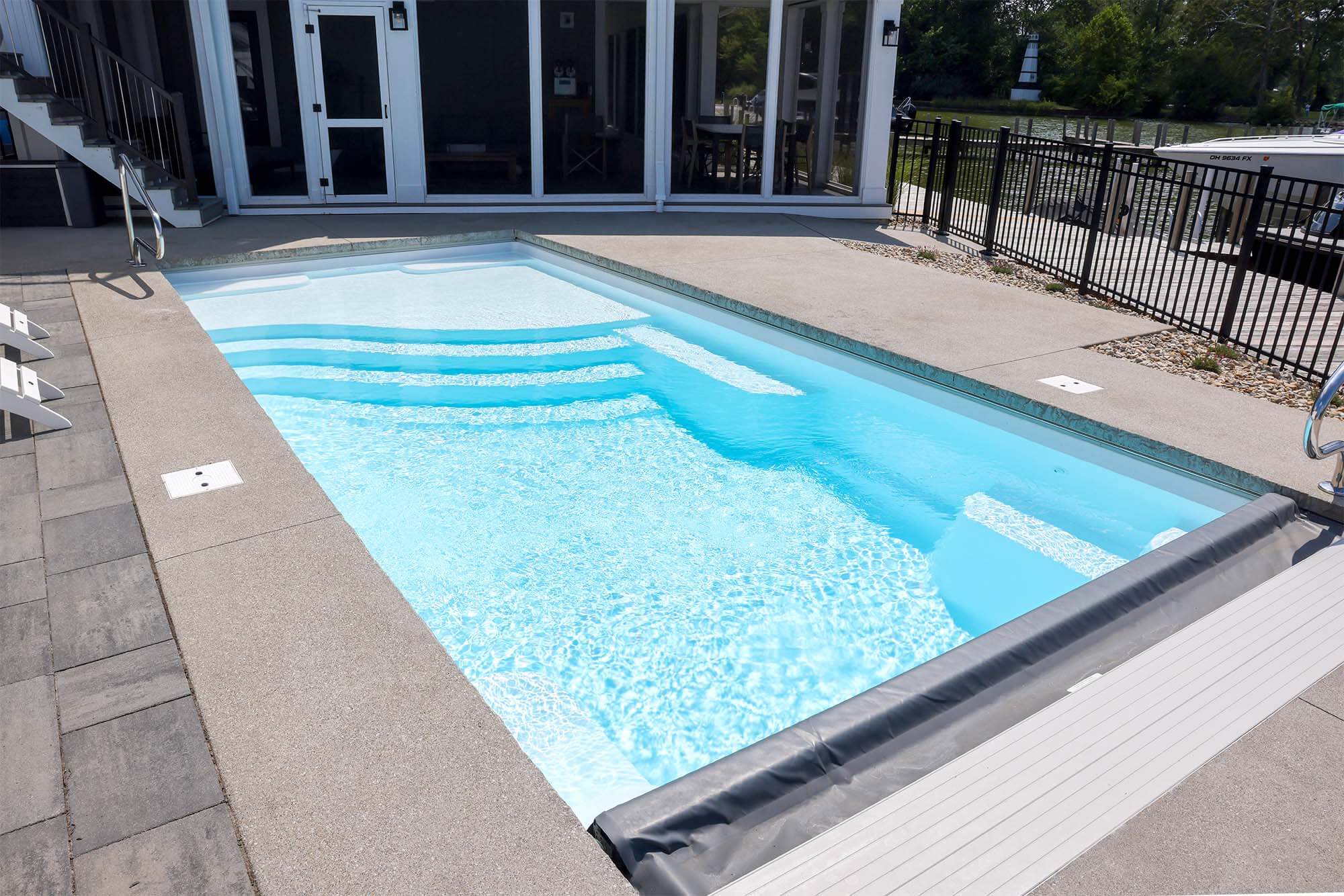
Aspen 16x40 in MayaFor many homeowners, adding a pool creates a lasting space for connection, recreation, and relaxation. But costs are shifting with the economy, labor market, and materials. Whether you know what type of inground pool you want or are still researching pool types and materials and building a budget, final inground pool costs in 2026 will depend on the size and shape you choose, location and site conditions, the extra add-ons you want, and even what’s happening in the broader economy. 


2026 Inground Pool Costs by Pool Type

Homeowners’ final inground pool price tags can vary wildly based on location across the country, pool type, and design decisions. Most 2026 inground pool projects include standard installation services, but do not account for additional premium features, lavish landscaping, or a luxurious outdoor living space around the pool.


Vinyl liner pools feature moderate installation pricing ranging from $35,000 to $80,000. Don’t forget liner replacements every 5 to 15 years, costing between $3,000 and $7,500.


Concrete (gunite) pools are highly customizable, but the most expensive to install and maintain. A 2026 concrete inground pool installation can cost from $50,000 to $120,000 or more, and will need $300 to $1,000 acid wash treatments every 3 to 5 years, as well as $8,000 to $10,000 resurfacing every 10 to 15 years.


Fiberglass pools are our specialty, and Thursday Pools can offer unique insight into 2026 fiberglass pool costs through a recent survey of our independent dealer network. 


  • Small fiberglass pools (less than 26 feet long or 400 square feet) average approximately $74,000.


  • Medium fiberglass pools (between 27 and 34 feet long or 400 to 600 square feet) average around $109,000.


  • Large fiberglass pools (35 feet and longer or more than 600 square feet) average near $113,000.


Economic Forces Influencing 2026 Pool Costs

Your location, pool type, and pool size are among the most impactful factors for 2026 inground pool costs, but other macroeconomic currents will also influence prices.


1. Construction Spending and Tariff Pressures

Tariffs on materials like lumber, steel, and aluminum will continue to push up 2026 construction costs. Fiberglass inground pools don’t rely on wood and metal as much as other pool types, but rising costs in areas such as labor, excavation, and concrete work can ripple into all projects and budgets.


2. Tight Construction Labor Market

A 2025 Associated Builders and Contractors model estimates the construction industry needs 439,000 net new workers before the end of the year to meet anticipated demand—and then another 499,000 new workers in 2026. A gap in construction labor supply and demand inflates wages, stretches schedules, and can drive up inground pool installation bids. 


3. Inflation and Interest Rate Outlook

The Kiplinger Special Report on business costs for 2026 expects the Federal Reserve to cut interest rates by 2% by the end of the year, with inflation easing toward 3% and economic growth remaining modest. A softer cost of capital could lower financing costs for inground pool builds, while slower inflation may relieve pressure on materials and labor costs. Lower rates typically reduce contractors’ borrowing costs, which can help keep inground pool installation quotes in check.


Variables Shaping Your 2026 Inground Pool Budget

Even with overall estimates for inground pool installations handy, some details can significantly shift your 2026 inground pool investment.


Permits

Local license fees vary wildly and depend on your city, county, or neighborhood’s regulations and approval processes. Your local pool builder should be familiar with the area’s ordinances and municipalities’ inspection requirements. Permits can cost from $100 to $1,000 or more. Ask your pool dealer who is responsible for acquiring the necessary permits, and whether or not they are part of your installation costs. 


Excavation

Every inground pool needs a hole in the ground, but soil type, accessibility, and sloping yards can change digging complexities and cost. Excavation for a 2026 inground pool dig averages from $1,000 to $5,000. Softer loam soil with a balance of sand, silt, and clay is easiest to excavate, while challenging conditions, such as rocky soil or uneven terrain, could add costs from a few hundred to several thousand dollars to address. Ask your dealer whether their excavation costs also include hauling away dirt.


Fencing

Safety comes first, and many state or local municipalities have codes requiring 4- or 5-foot barrier fencing surrounding new 2026 inground pool builds. Depending on the quality and aesthetics of the fence’s material, homeowners should budget to spend between $10 and $45 per linear foot. For a typical 200- to 300-foot fence, that’s an average total cost between $2,000 and $13,500.


Electrical Work

Reliable electricity is essential for your inground pool’s pump, filter, lights, and other critical equipment or decorative touches. The average cost to hire an electrician for larger projects like an inground pool installation is between $2,000 and $10,000. Your local pool dealer may offer electrical wiring and installation work as part of their standard installation package—either way, we recommend budgeting for at least $3,000 to $5,000 at minimum in electrical work.


Pool Cover

Temporary inground pool covers cost much less than automatic safety covers, which come at a higher price but also enhance convenience and peace of mind. 

  • Winter covers can be inconvenient and cumbersome when closing your inground pool for the season, but they are a relatively inexpensive option with an average cost between $75 and $250.
  • Manual retractable pool covers install a reel with a mechanical roller to cover and uncover the pool quickly, and have an average cost range of $1,500 to $6,000.
  • Automatic pool covers are the most convenient option to open or close your inground pool at the touch of a button. A motor moves the retractable cover along a hidden track system under the pool decking, with installations averaging $8,000 to $20,000.


Pool Heater

Depending on where you live, a pool heater may be an essential inclusion or a luxurious add-on to lengthen your swimming season into cooler evenings and early spring or late fall weather. An electric resistance, natural gas, or propane inground pool heater can cost between $1,200 and $6,000 to install. Solar pool heaters and energy-efficient heat pumps average from $2,000 to $6,500, but feature lower monthly operating costs.


Patio, Decking, and Landscaping

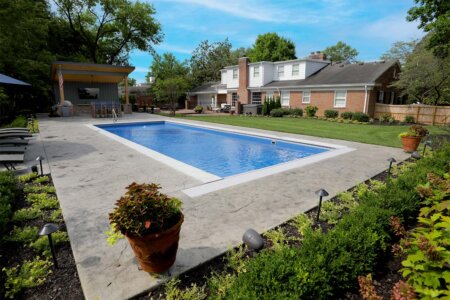
Your inground pool may be the main draw, but the entire outdoor design should reflect your lifestyle and fit your vision. Paving, plantings, hardscape features, and other outdoor living space elements can boost enjoyment—but also your budget. Pool builders often include 3 feet of concrete decking around the pool perimeter, but lavish landscaping, a custom patio, and an outdoor living space with a fire pit or outdoor kitchen are typically additional expenses. Depending on the material—from poured or stamped concrete to brick, pavers, or natural stone—a 20-foot by 20-foot patio can average between $2,000 and $14,000.


FAQs: Saving Money on Your 2026 Inground Pool

Q: How can I keep pool costs manageable without sacrificing quality?
A: Prioritize must-haves first—like pool size, safety features, and basic decking. Extras such as water features or outdoor kitchens can always be added later once the core installation is complete.

Q: Are energy-efficient pool upgrades really worth it?
A: Yes. Variable-speed pumps, LED lighting, and heat pumps may cost more upfront, but they significantly reduce monthly operating expenses and typically pay for themselves over time.

Q: How can I avoid expensive repairs down the road?
A: Plan for maintenance from the start. A good pool cover, routine cleaning, and keeping water chemistry within ranges will protect your pool’s structure and equipment, saving money on repairs.


Planning for Your 2026 Inground Pool and Lifelong Investment

Building an inground pool in 2026 will require careful planning, but it remains one of the most rewarding upgrades you can make to your home. By factoring in size, pool type, site conditions, and the broader economic forces at play, you’ll be better prepared to shape a realistic budget.

To get a clearer picture, use the Thursday Pools Pool Cost Calculator and explore financing options with the Financing Calculator to see how monthly payments may fit your household budget. Then connect with an independent Thursday Pools dealer for tailored guidance. With the right preparation, your 2026 pool project can set the stage for years of enjoyment and value.


Plunge Pool

The Plunge Pool Series

BIG FUN

SMALL FOOTPRINT

Smaller spaces deserve unforgettable experiences, and our Plunge Pool Series delivers just that. With sleek footprints, flat-bottom depths, and inviting features like built-in steps and wraparound benches, these compact pools maximize style and comfort without compromising yard space. Whether you want a private retreat or a social hub, the Plunge Pool Series elevates the mood.

TAKE THE PLUNGE

THE Nest

Compact, Open, and Inviting

The Nest makes every backyard feel spacious with its full-width entry steps and streamlined design. At 8’ 4” x 16’ with a 4’8” depth, it’s just the right size for light exercise or a quick dip. The Nest offers a balance of style and comfort that feels refreshingly effortless.

The Nest Feature Video
The Nook by Thursday Pools is Auto Cover Ready

THE Nook

Small Footprint, Big Personality

At 8’ 4” x 16’ with a 4’8” depth, the Nook delivers minimalist elegance in nearly any backyard. With integrated wraparound bench seating, built-in steps, and a flat-bottom depth, it’s ideal for cozy courtyards, private retreats, or spur-of-the-moment splashes that turn into long conversations.

THE Drift

Relax, Refresh, Repeat

The Drift takes plunge pool comfort to the next level with a built-in wraparound bench that extends the full length of the pool. Measuring 8’ 4” x 16’ with a 4’8” depth, you’ll have ample space to lounge, chat, or simply unwind. This compact design is perfect for quiet moments and lively gatherings.

The Nest Feature Video
The Nook by Thursday Pools is Auto Cover Ready

The Sea turtle

Playful Size, Endless Splash

The Sea Turtle proves that small can be mighty. Its 9’9” x 19’9” with a 4’6” depth allows room for relaxation, light exercise, or play. This versatile plunge design keeps the good times flowing in even the coziest backyards.

THE TITUS

A Fun-Sized Fan Favorite

At 12’ x 26’ with a 5’5” depth, the mellow lines of the Titus plunge pool make a small backyard feel like an escape. Its compact size softens sharp corners and hard edges, while the curved entry steps and benches invite you to linger.

Thursday Pools' Titus 1226 California Pools by Design 09/19/2014
Hendrick Pools install Aspen by Thursday Pools

The ASPEN

Rocky Mountain High in Compact Size

Our best-selling pool design, the Aspen also comes in 12’ x 25’ with a 5’1” depth. Made for smaller yards, its sleek style and signature features bring the Rocky Mountain high life within reach.

THE GOLIATH

Big Attitude in a Smaller Frame

Goliath is legendary for a reason, and its bold design is available in a more compact plunge size. With the same striking presence and thoughtful details, the 12’ x 25’ with a 5’4” depth. Goliath delivers maximum impact without taking up a lot of space.

Goliath fiberglass pool in color Caribbean Sparkle
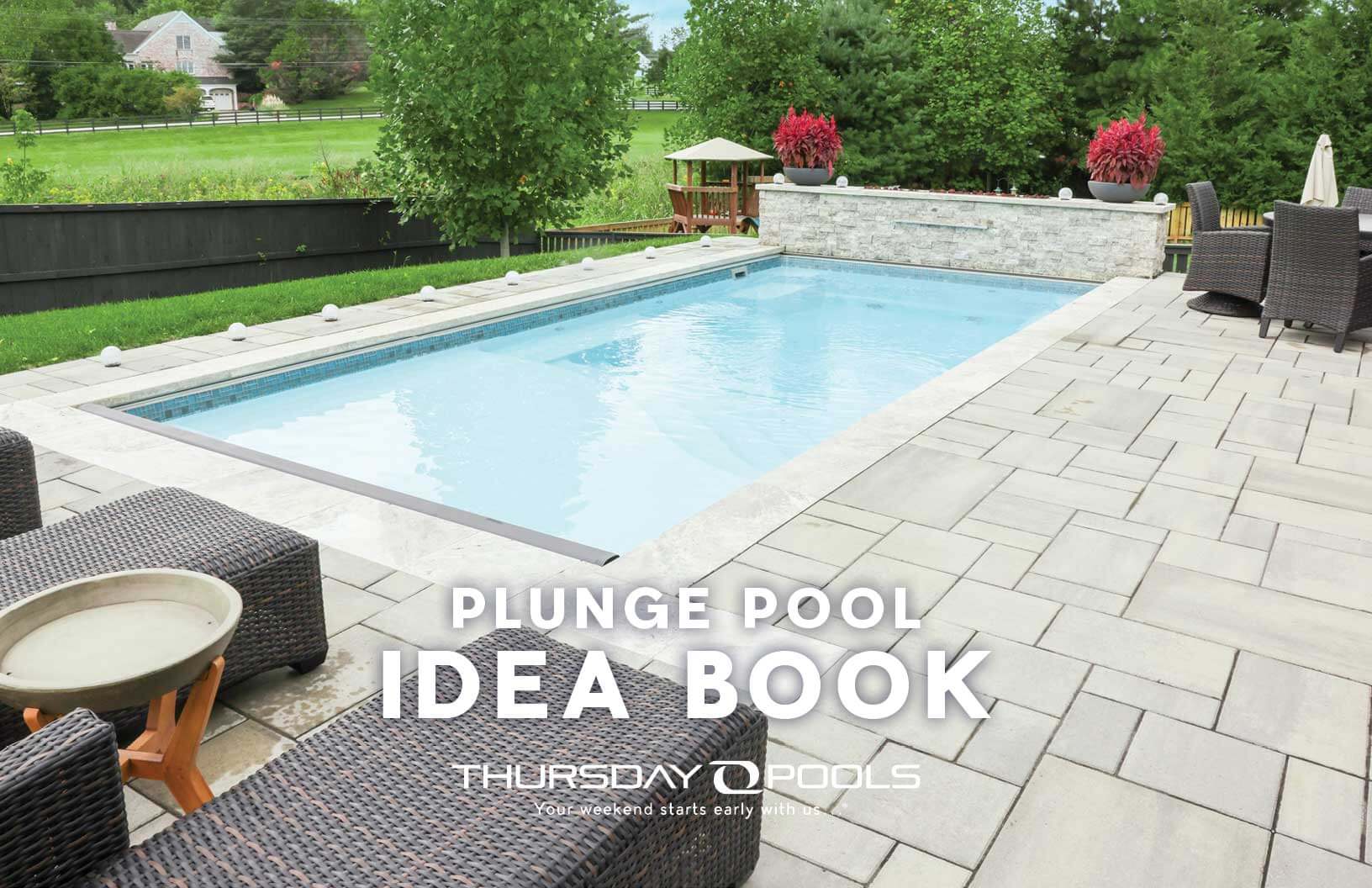
Thursday Pools Plunge Pool Idea Book

Flip Through the All-New Plunge Pool Idea Book

Ready to see how a plunge pool can change the way you enjoy your backyard? The Thursday Pools Plunge Pool Idea Book gives you an inside look at every model in the series, with details on sizes, features, colors, and the smart design elements that make each pool feel surprisingly spacious.

You’ll get a feel for the style and personality of each model, plus practical guidance on maintenance, safety, exercise options, and what to expect as you move from choosing your pool to installation. It’s everything you need to start imagining how a plunge pool could elevate your everyday life at home.

Learn More and Get an Estimate

If you have questions about our designs and want to discuss your needs or budget, complete the form below. We will connect you with an independent Thursday Pools dealer in your area who can answer your questions, conduct an on-site consultation, and provide an accurate estimate for your plunge pool paradise.

2025 – 2026 Fiberglass Pool Idea Book

Get inspired and explore the POSSIBILITIES!


2025 - 2026 Thursday Pools Idea Book Cover

Create a gorgeous, private backyard swimming pool oasis that’s unique and all your own. Now’s the time to get inspired and imagine the possibilities with the 2025-2026 Fiberglass Pool Idea Book.


With this eBook, you can:

  • Get ideas for landscaping and feature options.
  • Explore fiberglass pool designs by shape, size, and color that match your lifestyle. 
  • Imagine an outdoor living space that will become the backdrop for a lifetime of memories. 


Backyard Pool vs. RV: Which Investment Brings More Value and Joy to Your Family?

Thursday Pools lifestyle photo of parents lounging on chairs beside pool

Are you thinking about investing in something big to maximize your family’s free time? For many homeowners eager to have fun and make memories with children or extended family, installing a backyard fiberglass pool or purchasing an RV are both attractive options. Both offer memorable experiences and near-limitless opportunities for family bonding, but which one fits your lifestyle or budget better?


We sell fiberglass pools, so it’s no secret we’re partial to them. Still, this guide isn’t a sales pitch. It’s here to help you make an informed choice that suits your life, goals, and how your family prefers to spend its downtime. Check out the lifestyle perks, upkeep demands, and long-term costs of both options so you can decide which investment will bring you and your family the most value and enjoyment.


Freedom at Your Fingertips vs. Adventure That Takes Planning


RV Ownership: The Road Is Calling, But So Are the Logistics

Owning an RV feels like the ultimate invitation to explore the country. Hit the road, wake up with mountain views, or park near a beach; there’s an undeniable appeal of freedom.


But every RV journey actually begins with a hefty checklist. You’ll need to map routes that are RV-friendly, schedule campground stops, and make reservations amid typically busy peak travel seasons. Then comes packing clothes, toiletries, food, cooking supplies, bedding, entertainment, emergency gear, and so much more.


Every trip becomes a mini-moving day, and the work doesn’t stop once you’re on the road. Setting up camp, leveling the RV, hooking up utilities, and managing waste tanks all require time and effort. Returning home means restocking, unloading, and cleaning. It’s rewarding but far from spontaneous or relaxing at all times.


Backyard Fiberglass Pool: Fun on Your Terms, Any Day of the Week

A backyard pool doesn’t need reservations, maps, or fuel. It’s right there, always ready when you are. Whether you have 20 minutes before dinner or want to unwind with an evening swim before bedtime, a fiberglass pool offers instant relaxation and recreation. You don’t need to pack or plan ahead. Just grab a towel and go.


A backyard fiberglass pool’s accessibility is priceless for many busy families. After-school swims, weekend BBQs, or impromptu gatherings with neighbors all become second nature. There are no limits, schedules, or crowded public amenities; just your own space, your own rules, and as much pool time as your heart desires.


Maintenance Demands: How Much Work Comes with the Fun?


RVs: Time-Consuming Tasks and Scheduling Headaches

Keeping an RV road-ready means staying on top of both mechanical and residential maintenance. You’ll need to routinely check engine fluids, inspect brakes and tires, clean air conditioning filters, reseal roof seams, and flush the water system. Even minor neglect can lead to costly and time-consuming repairs. You must perform tasks like winterizing the plumbing or sanitizing the freshwater regularly and carefully.


You can do some of this maintenance yourself, but it takes time, tools, and know-how. Many owners opt to schedule appointments at an RV service center, which often means waitlists and hefty labor charges. If something breaks on the road, emergency repairs can delay your trip and add hundreds to your costs.


Fiberglass Pools: Easy Upkeep, Lasting Enjoyment

Compared to RVs, fiberglass pool maintenance is refreshingly less demanding. Thanks to their smooth, non-porous surface, fiberglass pool shells naturally resist algae, reducing the need for chemicals and scrubbing. Most owners spend about an hour or less each week on pool tasks, such as skimming, vacuuming, and checking water chemistry.


There are no moving parts, no engines to maintain, or oil to change, just a peaceful, beautiful body of water ready when you are.


Financial Implications: Where Does Your Money Go?


RV Ownership: High Upfront Cost with Ongoing Bills

Prices for RVs, not unlike those for pools, can vary widely. According to HomeGuide, towable RV models range from $20,000 to $100,000, while full motorhomes can cost anywhere from $50,000 to $600,000. But the spending doesn’t stop there.


RV insurance premiums range from $500 to $1,500 annually, depending on your RV’s type, age, and use. If you can’t park it at home, RV storage adds another $75 to $400 per month. Gas is a major expense, too, as many RVs average only 6 to 10 miles per gallon. Even short trips can rack up hundreds in fuel costs. According to Cruise America, campground stays and park reservations can range from $20 to $100 per night, while annual maintenance, inspections, and repairs can easily cost $1,000 to $2,000 or more.


One final financial implication to consider: Don’t forget about depreciation. Your RV will begin losing value the moment you drive it off the lot.


Fiberglass Pools: A Lasting Investment in Your Home

Fiberglass pool costs can range from $40,000 to $120,000 or more, depending on size, layout, and extras like tanning ledges, water features, or premium decking, landscaping, and outdoor living space. That’s a big investment, but it’s one that stays right where you need it and grows with your family.


There are no campground fees, no insurance premiums, and no refueling costs. Maintenance expenses are minimal thanks to efficient pool systems and the durable nature of fiberglass shells. More importantly, a pool can increase your home’s market value and curb appeal. When it’s time to sell, many buyers see a well-designed backyard oasis as a major plus.


Family Engagement: Daily Moments or Occasional Trips?

RVs offer incredible opportunities to see the world and create meaningful memories, but only when the stars align. You need to take time off work, coordinate with the kids’ busy schedules, and prepare for long stretches on the road. The payoff can be great, but it isn’t something you do on a whim.


A backyard pool, on the other hand, fits into your life seamlessly. It doesn’t require a vacation or an overly intricate plan. Whether it’s the kids burning energy before bedtime, a quiet soak under the stars, or a spontaneous weekend pool party, the memories happen often and easily. Your backyard pool will always be ready for family connection, fun, fitness, and every moment in between.


The Verdict: Everyday Oasis or On-the-Go Adventure?

Both RVs and backyard pools offer fun, luxury, and ways to create lasting memories with the people you love. But the trade-offs are clear.


If your heart yearns for the open road and you’re okay with planning, logistics, and maintenance, an RV could be a great match. But if you crave more frequent, less stressful ways to bring joy and connection into your daily life, a backyard fiberglass pool is a smart, lasting investment.


Want to explore what your perfect pool could look like? Use our Pool Cost Calculator to get a ballpark estimate, or check out the Pool Selector Tool to browse stunning design options. When you’re ready, connect with a trusted local Thursday Pools dealer to take the next step toward your new everyday oasis.

Backyard Pool or Timeshare: Which One’s Better Long-Term?

Thursday Pools lifestyle photo of kids playing in pool

Thinking about making a big investment to bring more fun, relaxation, and connection into your life? Two options often come up: a timeshare in a vacation hotspot or a backyard fiberglass pool. Both offer luxury and hold promise for ultimate relaxation. 


While we’re in the fiberglass pool business and definitely have a favorite, this guide is not about pitching you—it’s about helping you decide what truly fits your life. Read on as we break down lifestyle differences, ongoing costs, and long-term satisfaction to help you make the best choice for your family.


Lifestyle Considerations: Fixed Getaways or Flexible Fun?


Timeshare Life: Travel Plans Required

A timeshare offers a great taste of the good life. It’s dedicated vacation accommodations in a beautiful setting without the full responsibility of ownership, but that doesn’t mean it’s carefree.


Most timeshare owners get access only during a specific week or must use a points system to “book” stays well in advance. Changing your dates, switching to another resort, or trading points can be complicated or not permitted.


Even if you’re free to travel almost any time, a timeshare demands a lot of logistical planning. You’ll need to arrange flights, pack for the trip, coordinate with the resort’s schedule, and navigate availability. It likely will not be as enjoyable for those who prefer spontaneity. 


Backyard Pool Life: On-Demand Enjoyment

With an inground fiberglass pool right outside your door, you control the experience. Morning swims, sunset soaks, spontaneous Saturday gatherings—it’s all on your terms, no reservations required.


Unlike a timeshare where amenities like the pool, hot tub, or grills are often shared with other guests, a backyard pool means everything’s yours. No getting up at the crack of dawn to get your favorite poolside lounge chair. No waiting your turn at the grill. No quiet hours, check-in times, or posted rules. Just full access to your space, any time the weather’s right.


You can host poolside dinners, grill with friends while the kids swim, or sneak in a peaceful evening float in total privacy. Add smart automation, lights, water features, or a built-in bar—it’s your backyard, and it’s built around how you relax.


Financial Considerations: What Will You Spend—and What Will You Get?


Timeshares: Ongoing Fees and Limited Returns

The American Resort Development Association (ARDA) 2024 State of the Vacation Timeshare Industry report shows that the average upfront price for a timeshare interval exceeded $24,000 in 2023. That may be notably less than many fiberglass pool installations, but that’s only the beginning.


Every year, timeshare owners must pay mandatory maintenance fees. According to the ARDA’s report, the average timeshare maintenance fee increased 8% in 2023 to $1,260 per weekly interval. These fees typically only increase over time, and properties require them whether or not you use your timeshare. Add in special assessments for repairs or upgrades, travel expenses, and financing costs—often featuring much higher interest rates than traditional mortgages—and you could be spending thousands annually just to keep the right to access a single week of vacation.


According to Vacation Ownership Consultants, many timeshare owners find themselves unpleasantly surprised by hidden or unexpected costs such as exchange fees, booking charges, and transfer penalties. And when you’re ready to walk away? Timeshares are not an investment you can expect to appreciate in value. They depreciate quickly and can be difficult to unload, hurting their resale value.


Pools: Today’s Home Upgrade with Long-Lasting Value

Yes, installing a backyard swimming pool is a significant investment. Fiberglass pool costs for many new projects can range from $40,000–$120,000 or more depending on size, design, location, and optional add-ons such as a premium pool deck or expansive outdoor living space. But an inground pool is also a lasting investment. A well-maintained pool becomes part of your home and an asset that enhances your property’s value and appeal.


Unlike porous concrete or vinyl pools that demand replacement liners or occasional resealing, fiberglass pools have minimal ongoing maintenance needs. The smooth, non-porous surface resists algae, meaning you’ll spend less money on chemicals and less time on cleaning efforts. There’s no need for costly resurfacing or liner replacements, which can save homeowners thousands over the life of the pool. Plus, there are no annual fees or dues. 


When it one day becomes time to sell your home, many buyers view a pool as a premium feature—especially one with thoughtful design considerations and is part of a beautifully landscaped outdoor living space. According to a Bankrate article, a pool can add 5% to 8% in value to a home on average.


Freedom and Control: Who’s Really in Charge?


With a Timeshare…

Because you don’t fully own the property with a timeshare, your ability to use it is often shaped by the resort’s schedules, rules, and availability. Passing it down to family isn’t always straightforward, and if you ever decide to walk away, exiting the contract can be complicated—sometimes requiring legal help.


With a Backyard Pool…

You are the sole decision-maker. There’s no management company telling you when or how you can use your backyard retreat. You can swim at sunrise or entertain at midnight. Upgrade it. Add on. Enjoy it 365 days a year or whenever the weather cooperates. An inground fiberglass pool in your backyard is truly and entirely yours, ready whenever you’ve got an itch to scratch—or splash.


Final Thoughts: Your Lifestyle, Your Choice

Timeshares and fiberglass pools both offer a taste of luxury—but only one becomes a seamless part of your everyday life.


If you love to travel, don’t mind planning months ahead, and are comfortable with annual fees, a timeshare might check the right boxes. But if you’re looking for something that brings more joy to your day-to-day—a way to unwind without packing a bag or booking a week off—a backyard fiberglass pool gives you more freedom, more flexibility, and more value over time.


Ready to Make a Splash?

Use our Pool Cost Calculator to explore pricing, or check out our Pool Selector Tool to find a design that fits your life. When you’re ready, connect with a local independent Thursday Pools dealer—no pressure, just helpful info to get you started.

How Much Does a Fiberglass Pool Cost in Virginia?

Based on a 2026 survey of independent fiberglass pool builders in the Thursday Pools dealer network, a standard fiberglass pool installation in Virginia averages $72,000 for a small pool, $91,000 for a medium pool, and $104,000 for a large pool. Your final cost will depend on details like pool size, yard conditions, local permit requirements, and the optional upgrades you choose.

Virginia’s varied geography directly impacts pool installation costs. From the sandy Coastal Plain stretching from Virginia Beach to Richmond to clay-heavy Piedmont soil across Northern and Central Virginia, to the rocky Blue Ridge and Appalachian terrain, soil types shape excavation final project costs. Sloped lots are common throughout Roanoke, Charlottesville, and the Shenandoah Valley, often requiring leveling work before installation can begin. Dense suburban neighborhoods from Fairfax County to the Richmond suburbs may present tight access conditions that require specialty equipment to deliver the pool shell.

A local independent Thursday Pools dealer can evaluate your site, navigate local permit requirements, and help you build the right pool package for your property and your climate.


What is the Average Cost of a Fiberglass Pool Installation in Virginia?

Thursday Pools surveys its network of independent dealers across the country each year to track real-world installation costs. The figures below reflect current market conditions in Virginia based on our 2026 dealer survey.

Based on the 2026 survey of independent Thursday Pools dealers in Virginia, installed fiberglass pool costs average $72,000 for small pools, $91,000 for medium pools, and $104,000 for large pools.

AVERAGE VIRGINIA FIBERGLASS POOL INSTALLATION BY SIZE

Pool Type Small Fiberglass Pools Medium Fiberglass Pools Large Fiberglass Pools
Size Range Up to 26 ft Long or 400 ft² 26 to 34 ft Long or 400 to 600 ft² 35 ft and Longer or 600+ ft²
Average Cost $72,000 $91,000 $104,000

What Does a Standard Fiberglass Pool Installation in Virginia Include?

Most Virginia dealers include the following in a base package: the pool shell, excavation, basic pump and filtration equipment, plumbing, basic electrical, permits, a single pool light, initial water fill, dirt hauling, concrete decking approximately 3 feet around the pool, delivery, and labor. What individual dealers include can vary, so always compare proposals carefully. Expanded decking, fencing, landscaping, pool covers, and optional features typically cost extra.

Contact a nearby Thursday Pools dealer for a custom quote and to learn about financing options for your Virginia pool installation.


What Do Popular Fiberglass Pool Models Cost Installed in Virginia?

GOLIATH (12’ x 25’)

Goliath’s smallest size is a compact, capable design that delivers full pool functionality without demanding a large footprint across suburban lots in Arlington, Alexandria, and tighter urban properties in Richmond and Norfolk. Built-in entry steps, perimeter bench seating, and an open swim lane make it equally useful for morning workouts and casual afternoons.

Based on 2026 feedback from Thursday Pools dealers throughout Virginia, the average installed cost for a small fiberglass pool like Goliath or other designs less than 26 feet long and 400 square feet is $72,000.


Ocean Lil Bob pool with Thursday Pools logo

LIL BOB (13.5’ x 27.5’)

Lil Bob brings versatility to mid-size Virginia backyards. It’s equally at home in suburban Roanoke, a neighborhood lot in Charlottesville, or a Richmond-area development where homeowners want a capable pool without overcommitting on square footage. A flat-bottom layout handles water games, casual fitness, and family use with equal ease. Wide entry steps double as seating, and the perimeter bench seating creates a comfortable gathering space that works whether you’re hosting a dozen guests or winding down after work.

According to 2026 survey responses from independent Thursday Pools dealers throughout Virginia, the average installed cost for a medium-sized fiberglass pool like Lil Bob is $91,000.


Thursday Pools Cathedral LX

CATHEDRAL LX (16’ x 40’)

Cathedral LX is for Virginia properties where the yard can support a statement, such as larger lots in Loudoun County and Fairfax County wine country, lakeside retreats at Smith Mountain Lake, or spacious Shenandoah Valley acreage. Its formal design pairs traditional elegance with modern functionality. Grand entry steps, a generous tanning ledge, and an expansive swim space with an architectural presence anchors a full outdoor living setup.

The average cost for a standard installation of a large fiberglass pool like Cathedral LX in Virginia is $104,000.


What Yard Conditions Affect Fiberglass Pool Installation Costs in Virginia?

Virginia’s diverse terrain means site conditions can vary from one backyard to the next. Before breaking ground, a professional installer will assess your site for conditions that may require extra preparation.

Soil Type

Virginia’s geology creates distinct excavation challenges depending on where you are in the state. Sandy soils along the Coastal Plain, from Virginia Beach to the Northern Neck, are easier to excavate but may require reinforced backfilling for long-term pool stability. Clay-heavy soils are prevalent throughout the Piedmont and much of Northern Virginia, including Fairfax, Loudoun, and Prince William Counties, creating drainage challenges that require careful handling during installation. Rocky soil is common in the Blue Ridge foothills, across the Shenandoah Valley, and throughout much of Southwest Virginia, often requiring specialized excavation equipment and additional labor. A pre-installation site assessment identifies what your specific soil requires before the project begins.

Slope and Grade

Sloped lots are common throughout Virginia’s western regions, the foothills of the Blue Ridge, and many communities in Roanoke, Charlottesville, and the Shenandoah Valley. Properties with significant grade changes may need grading, retaining walls, or other leveling work before excavation can proceed. A relatively flat, level yard keeps installation more straightforward and predictable.

Backyard Access

Wide-open access makes a fiberglass pool installation more efficient. Dense Northern Virginia suburbs, where tight lot lines, mature trees, HOA fence requirements, and narrow side yards are common, frequently require crane service or specialty delivery approaches to move the one-piece pool shell into position.


AVERAGE ADDITIONAL YARD-RELATED EXPENSES IN VIRGINIA


Excavating Sandy Soil $2,025
Excavating Clay Soil $2,450
Excavating Rocky Soil $5,450
Above-Average Slope Requiring Extra Grading $6,750
Limited Yard Access  $5,325


Based on Thursday Pools’ 2026 independent dealer survey, site-condition upcharges in Virginia range from about $2,025 for excavating sandy soil to $6,750 for above-average slopes requiring extra grading.


What Are Virginia’s Swimming Pool Fence Requirements?

Residential pool barrier requirements in Virginia are governed by the Virginia Uniform Statewide Building Code (USBC), requiring all swimming pools to comply with the International Swimming Pool and Spa Code (ISPSC).

The ISPSC establishes the specific barrier requirements that apply statewide to new residential pool construction:

  • The barrier must be at least 48 inches tall, measured on the exterior side of the barrier facing away from the pool.
  • The maximum vertical clearance between the ground and the bottom of the barrier must not exceed 2 inches on non-solid surfaces such as grass or gravel, or 4 inches on solid surfaces such as concrete.
  • Openings in the barrier must not allow passage of a 4-inch-diameter sphere.
  • Barriers must not contain footholds, handholds, or other features that would allow a child to climb over.
  • Gates must be self-closing and self-latching, and must open outward away from the pool.

Local Virginia municipalities have the authority to adopt pool fencing ordinances that may exceed the statewide USBC baseline. Requirements vary by jurisdiction, and homeowners should always verify current local requirements before installation.

For a 300-linear-foot basic pool fence, Virginia dealers estimate an average cost of $6,550. Final pricing varies by material, height, gate requirements, terrain, and local code compliance.


How Much Do Fiberglass Pool Upgrades Cost in Virginia?

Optional features can expand what your pool does and extend your swimming season throughout Virginia’s warm-weather months. The right upgrades enhance comfort, convenience, and safety while maximizing your investment. The averages below come from Thursday Pools’ 2026 dealer survey in Virginia.

Water Quality and System Controls

Pool Heater

  • Average Cost in Virginia: $5,200
  • Extend your swim season by maintaining comfortable water temperatures during cooler months, maximizing enjoyment through Virginia’s mild spring and fall seasons.

UV Filter System

  • Average Cost in Virginia: $1,450
  • A UV system passes pool water through an ultraviolet light chamber that destroys bacteria, algae, and chloramines so chlorine works more efficiently and you need less of it to maintain safe, sanitary water.

Pool Automation and Smart Control System

  • Average Cost in Virginia: $3,250
  • Manage temperature, lighting, and filtration from a smartphone or tablet.


Patio and Hardscape

Poured Concrete Patio (Approx. 1,200 sq. ft.)

  • Average Cost in Virginia: $17,000
  • A durable, low-maintenance decking option that handles Virginia’s seasonal temperature variation.

Paver Patio (Approx. 1,200 sq. ft.)

  • Average Cost in Virginia: $20,000
  • Available in a range of materials, from concrete pavers to natural stone, with a more finished aesthetic than poured concrete.


Safety and Covers

Fence (300 Linear ft.)

  • Average Cost in Virginia: $9,000
  • Final cost varies by material choices, total fence length, and local code requirements.

Non-Automatic Safety Pool Cover

  • Average Cost in Virginia: $5,000
  • A manual option for securing the pool and keeping debris out between uses.

Automatic Pool Cover

  • Average Cost in Virginia: $19,050
  • One-touch operation to protect the pool, retain heat, and reduce evaporation.


Water Features

Deck Jets

  • Average Cost in Virginia: $1,550 per jet
  • Arc water from the coping into the pool, adding visual movement and ambient sound to the pool area.

Bubblers

  • Average Cost in Virginia: $1,700 per bubbler
  • On a tanning ledge or beach entry, create movement and the sounds of a babbling brook in shallow pool water.

Cascade or Waterfall

  • Average Cost in Virginia: $6,450
  • Add a flowing water element and natural sound to the pool environment.


Cleaning and Maintenance

Automatic Pool Cleaning and Vacuuming System

  • Average Cost in Virginia: $1,550
  • Keep the pool floor and walls clean with minimal manual effort.


Lighting and Tile

LED Pool Lights

  • Average Cost in Virginia: $1,460 per light
  • Adds ambiance and visibility for evening and nighttime use.

Specialty Waterline Tile

  • Average Cost in Virginia: $3,670
  • Installed along the waterline for a custom, finished appearance at the pool edge.


Recreation

Simple Pool Slide*

  • Average Cost in Virginia: $4,470
  • A standard slide for family use.

Deluxe Pool Slide*

  • Average Cost in Virginia: $5,900
  • More height and design details than a basic model.

Diving Board (Type 1 Diving Pools Only)*

  • Average Cost in Virginia: $1,870
  • Only manufacturer-designated Type 1 diving pools support diving board installation. Homeowners should use only manufacturer-approved diving boards with pool models designated as diving pools and must consult a licensed professional to verify compliance with all local building codes and safety requirements before installation.

*Thursday Pools strongly advises against pool slides and diving boards due to safety concerns. The inclusion of a diving board or slide with any fiberglass pool must be carefully reviewed by a licensed professional to ensure compliance with all local building codes, safety regulations, and manufacturer guidelines. Not all fiberglass pool models are suitable for diving or slide use. It is the responsibility of the homeowner and installer to ensure proper installation and usage. Always prioritize safety and consult a qualified expert before adding any diving or sliding feature to your pool.


Landscaping and Extras

Surrounding Landscaping

  • Average Cost in Virginia: $7,400
  • Includes decorative rocks, plantings, trees, bushes, flower beds, and similar elements that connect the pool to the rest of the yard.

Add-On Spa

  • Average Cost in Virginia: $20,650
  • A separate spa unit for relaxing hydrotherapy, neighboring or independent of the main pool.


Frequently Asked Questions About Virginia Fiberglass Pool Costs

How much does a fiberglass pool cost in Virginia?

A fiberglass pool in Virginia costs an average of $72,000 for a small pool, $91,000 for a medium pool, and $104,000 for a large pool, based on Thursday Pools’ 2026 survey of the state’s independent dealers.

What does a standard fiberglass pool installation in Virginia include?

A standard fiberglass pool installation in Virginia typically includes:

  • Excavation and Dirt Hauling: Soil removal and site preparation.
  • Pool Shell and Delivery: The physical fiberglass pool shell unit delivered to your home.
  • Filtration System: Basic pump, filter, and plumbing.
  • Standard Decking: Approximately 3 feet of concrete surrounding the pool.
  • Permits and Basic Electrical: Includes local municipal filings and one LED pool light.

What yard conditions raise fiberglass pool installation costs in Virginia?

Rocky soil in the Blue Ridge foothills and Southwest Virginia requires specialized excavation equipment and additional labor. Clay-heavy soil throughout the Piedmont and Northern Virginia can create drainage challenges during installation. Sandy soils along Virginia’s Coastal Plain are easier to excavate but may need reinforced backfilling for long-term stability. Sloped lots in the Shenandoah Valley, Roanoke, and Charlottesville areas often require grading work before a level base can be established. Limited backyard access in dense Northern Virginia suburbs frequently requires crane service or specialty equipment. Based on the 2026 Virginia dealer survey, site-condition upcharges range from about $2,025 for excavating sandy soil to $6,750 for above-average slopes requiring extra grading.

What are Virginia’s pool fence requirements?

Virginia’s Uniform Statewide Building Code (USBC) requires all residential swimming pools to comply with the International Swimming Pool and Spa Code (ISPSC). Barriers must be at least 48 inches tall on the exterior side, with no more than 2 inches of clearance between the ground and the bottom of the barrier on non-solid surfaces and no more than 4 inches on solid surfaces. Openings must not allow passage of a 4-inch sphere. Gates must be self-closing, self-latching, and open outward away from the pool. Virginia additionally allows local municipalities to adopt their own pool fencing ordinances that may exceed the statewide baseline. Always verify current local requirements with your building department before installation.

The 2026 Thursday Pools survey of Virginia independent dealers shows an average cost of $6,533 for a 300-linear-foot basic fence, with final costs varying by material, height, gate requirements, terrain, and local code compliance.

How much do common pool upgrades add to the cost in Virginia?

Upgrade costs vary widely depending on the feature:

  • A pool heater averages $5,200.
  • An automatic pool cover averages $19,050.
  • A paver patio of approximately 1,200 square feet averages $20,000.
  • An add-on spa averages $20,650.
  • Smaller additions like deck jets ($1,550 per jet), bubblers ($1,700 per bubbler), and LED lights ($1,460 per light) add cost in more manageable increments.

How do I get an accurate cost estimate for a fiberglass pool in Virginia?

The most accurate estimate comes from a local independent Thursday Pools dealer who can assess your yard, review local permit requirements, and give you a project-specific quote. Survey averages provide a useful starting point, but site conditions, design choices, and local labor rates determine what you actually pay.


Get Your Personalized Virginia Pool Estimate

Survey averages give you a realistic starting point, but your actual cost depends on your yard, your location in Virginia, and the design details and upgrades you choose. A local independent Thursday Pools dealer can assess your site, walk you through pool options that fit your budget, and give you a project-specific quote, whether you’re in Northern Virginia, Richmond, Virginia Beach, Norfolk, Roanoke, Charlottesville, or anywhere across the state.


Thursday Pools manufactures fiberglass pool shells and does not install pools. Pools are installed by locally owned independent dealers. Consumers should consult a local independent dealer for the most accurate and updated information based on the unique conditions of their region and property.

Boat vs. Backyard Pool: Which Is the Better Fit for Your Lifestyle?

Thursday Pools rectangular pool with arctic colorChoosing between a boat and a pool is personal—and there’s no one-size-fits-all answer. We sell fiberglass pools, so naturally, we’re partial to them. But if this is a decision you’re wrestling with—whether solo or with your significant other—read on for some honest, side-by-side info.


Both options offer relaxation, connection, and a touch of luxury. A boat can open up adventures on large bodies of shared water, while a fiberglass pool brings the water closer to home. The real question is: Which fits your lifestyle and budget better, and how do you like spending your free time? Let’s explore the key lifestyle benefits, upkeep requirements, and long-term costs of both so you can weigh the pros and cons and make the best call for you.


Lifestyle Check: Which One Fits Your Routine Better?


How Easy Is It to Get Out and Enjoy?

Boating offers adventure, no question—but it also comes with logistics. Before you hit the water, you’ll be packing, towing, driving to the marina, docking, and setting everything up. Then there’s the clean-up afterward. If you have kids, it can feel like you’re preparing for a small expedition just to enjoy a few hours on the lake.

Beyond life jackets and other safety gear, you’ll need snacks, drinks, towels, a change of clothes, and plenty of patience. When the day’s over, you’re unloading and cleaning everything up. Sometimes, the prep and wrap-up can feel longer than the adventure itself.

A fiberglass pool, on the other hand, is ready whenever you are. Whether it’s a quick swim before dinner or a slow afternoon floating under the sun, there’s no drive time or heavy lifting. Need a refill or forget the sunscreen? The house is just a few steps away.


Making Memories: How Will You Share the Fun and With Whom?

Both a boat and a pool create space for fun and connection—but how often you get to use them might make the difference. A boat turns every outing into an event and something you plan for. A pool is always there, making spontaneous get-togethers easy. From casual weekend barbecues to after-school swims, it’s a simple way to bring people together more often.

Boats usually have limited space, which is perfect for smaller groups. But a backyard pool? That’s the hub for block parties, family reunions, or even quiet evenings with the people you love most. The flexibility makes it a frequent and easy gathering spot.


Boat vs. Fiberglass Pool Maintenance Comparison

Boat Maintenance Fiberglass Pool Maintenance
Boat Surface Cleaning
Hull scrubbing, deck washing, interior cleaning, and polishing quarterly or post-trip as needed.
1–4 hours per session
Water Surface Cleaning
Skimming debris 1–3 times weekly—or less often with an automatic pool cover.
5–15 minutes per session
Deep Cleaning Maintenance
Grime and algae removal, hull polishing, and bottom painting if necessary.
4–10+ hours per session
Pool Surface Cleaning
Light weekly or biweekly wiping down the water line with a microfiber cloth or something similar.
15 minutes per session
Engine Servicing
Oil changes, filter replacements, and engine inspections every 100 hours.
2–4 hours seasonally
Vacuuming
Manual by hand or automated with a robotic cleaner—or less often with an automatic pool cover.
20–30 minutes per week
Equipment and Systems Inspections
Check and upkeep batteries, wiring, GPS, navigation lights, bilge pumps, etc.
2–4 hours seasonally
Filter Maintenance
Perform regular cleanings and/or backwash filters when the pressure gauge reading reaches 8–10 PSI above baseline.
10 minutes per cleaning
Fuel System Check
Maintaining fuel lines, tanks, and filters.
1–2 hours seasonally
Water Chemistry
Perform chemical testing and balancing adjustments at least once or twice per week.
5–15 minutes per test
Winterization and Seasonal Prep
Drain water systems, stabilize fuel, shrink-wrap, cover, or store.
4–8 hours seasonally
Pool Opening and Closing
Cover or uncover the pool, drain equipment, reset systems, and balance the water chemistry.
2–4 hours seasonally
Trailer Maintenance (if Towing)
Weekly checks and as-needed bearing, tire, strap, or light replacements.
1–4 hours seasonally
Safety Equipment Check
Inspecting and replacing life jackets, flares, fire extinguishers, horns, and other items as necessary.
1–2 hours seasonally


Sure, both require attention—but there’s no comparison when it comes to simplicity. Boats need regular servicing, seasonal storage, and protection against the elements. Scraping grime and algae off a hull? Not exactly how most people want to spend a Saturday. 

While other types of inground pools can demand as much as four to eight hours or more in weekly maintenance work, fiberglass pool owners can generally expect to spend an hour or less on weekly maintenance. A fiberglass pool has a smooth, non-porous surface that helps fend off algae, cutting down your chemical use and scrubbing time. Translation? Less effort, more relaxation.


The Big Picture: What Will It Cost You Over Time?


Upfront Costs and Long-Term Value

Price tags vary based on boat size, pool design, and upgrades—but here’s a key difference: boats tend to depreciate, while a fiberglass pool adds curb appeal and value to your home. The moment you tow your boat off the lot, it begins losing value. A well-installed fiberglass pool, on the other hand, can enhance your home’s resale potential and serve as a permanent outdoor upgrade.


Ongoing Expenses

Boating expenses don’t stop at the purchase price. The cost of upkeep, even for a modest boat, can range from thousands to tens of thousands of dollars annually.


Storage & Dock Fees: Keeping a boat at a marina can cost thousands in seasonal storage and permit fees per year, depending on location, boat size, and accommodations. According to Marine Depot Direct, offseason winterization alone can cost as much as $600.


Insurance: According to Boatsetter, Boat insurance costs range from $500 per year for smaller boats to thousands annually for larger vessels. A good rule of thumb is annual premiums are often 1 to 3 percent of a boat’s value. 


Fuel: Boats are not fuel-efficient vehicles. Even a small powerboat can burn more than $100 in fuel in one outing, and marinas tend to charge a high premium due to the supply chain and logistical challenges of transporting and storing fuel at waterfront stations.


Routine Maintenance: Regular maintenance, engine service, and cleaning or replacing parts can cost thousands annually. Unexpected repairs drive costs even higher.


A fiberglass pool has a significantly lower cost of ownership. The pool shell requires fewer chemicals and maintenance than traditional gunite or vinyl liner pools, and fiberglass doesn’t need costly replacements or repairs. With proper care, a fiberglass pool can last a lifetime with minimal investment.


Minimal Chemicals: Fiberglass pools require fewer chemicals, with annual costs averaging approximately a few hundred dollars per year.


Lower Energy Costs: Energy-efficient pool pumps and heating systems reduce utility costs compared to other pool types.


No Liner Replacements or Resurfacing: Unlike vinyl or concrete inground pools, fiberglass pools do not require expensive resurfacing or liner replacements, saving thousands of dollars over time.


The Verdict (But It’s Totally Up to You, of Course)

Fiberglass pools and boats both provide opportunities for luxury and enjoyment, but a pool includes everyday lifestyle enhancements and better financial value. While boating adventures are exciting, they require more ongoing maintenance, storage fees, and depreciation.

A pool transforms your home, offering endless opportunities for fun, relaxation, and quality time—without boat ownership’s hassle and hidden costs.

Ready to learn more and get one step closer to convenient luxury? Explore the Thursday Pools Pool Cost Calculator or schedule a consultation with a trusted independent dealer near you today.