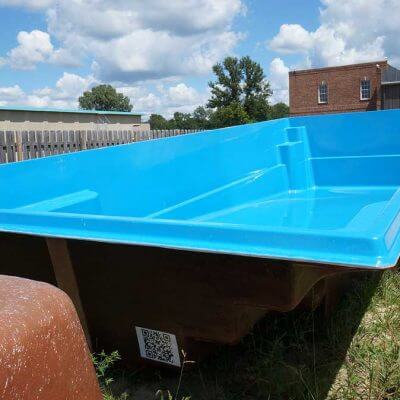
A fiberglass pool shell arrives at your home in one piece, up to 41 feet long and 16 feet wide, riding on a specialized wide-load trailer. Getting it from the factory to your backyard requires permits, site preparation, access planning, and in some cases, a crane. Here is exactly what that process looks like, from the day your dealer places the order to the day the water goes in.
What Happens Before Your Fiberglass Pool Shell Is Delivered?
Delivery doesn’t start with the truck. It begins with a site visit. Before Thursday Pools ships the shell, your authorized independent dealer visits your property to assess site conditions, confirm access routes for the wide-load trailer and installation equipment, mark utility lines, and verify that excavation can proceed safely.
Fiberglass pool installations also require local building permits in most jurisdictions, and the approval timeline varies by municipality. Your dealer should know the local processes and manage the application on your behalf. Work cannot legally begin until permits have approval, so proactive submission is essential for maintaining desired project timelines.
Once permits are in hand and the site is ready, the dealer coordinates the excavation schedule and the shell shipment.
How Does a Fiberglass Pool Shell Get Transported to Your Home?
Thursday Pools manufactures fiberglass pool shells at our facility in Fortville, Indiana. Each completed shell loads onto a flatbed trailer permitted for wide loads and travels to the customer’s property, sometimes hundreds of miles away. Wide-load transport follows state and local routing rules that restrict which roads a vehicle of that size can use.
What Happens When the Route Gets Complicated?
Most deliveries make it to their destination without incident. Some require an innovative approach to get there. One delivery to a home on Geist Reservoir near Indianapolis required something entirely unique. The homeowner’s street couldn’t accommodate a wide-load truck, so their local Thursday Pools dealer coordinated with Geist Marina personnel to lower the buoyant pool shell into the water and tow it across the reservoir to the customer’s backyard.
That story isn’t an outlier as much as it is an illustration of what delivery logistics actually require. Tight alleys, narrow gates, dense suburban streets, overhead utility lines, and sloped driveways all present real access challenges. Your dealer will assess these conditions during pre-delivery site visits and plan accordingly, whether that means alternative rigging, crane placement, or phasing access differently.
What Happens When the Shell Arrives? How Is the Pool Set?
Once the shell arrives, the installation crew uses a crane or specialized equipment to lift it from the trailer and place it in the excavated hole.
With the shell on its gravel base, the crew begins the simultaneous backfill and fill process. Backfilling material goes in around the outside of the shell at the same rate water goes inside, with the equalizing pressure preventing the fiberglass walls from bowing or deforming under soil load. The shell-setting phase typically takes one to two days for a standard residential installation, depending on site conditions and pool size.
What Does Fiberglass Pool Installation Include After the Shell Is Set?
Pool delivery and placing the shell in the ground are parts of a longer process. After the shell is set and backfilled, installers connect plumbing and electrical systems, complete a local inspection, install coping and decking, and balance the water chemistry before the pool is ready to use.
A complete fiberglass pool installation project typically takes two to four weeks, depending on site conditions, permit inspection scheduling, and the scope of surrounding decking and landscaping. For a detailed walkthrough of every phase, see our complete Fiberglass Pool Installation Guide.
What Affects the Pool Delivery and Installation Timeline?
Several factors influence how long the full process takes from order to water:
Permit Approval Speed: Some municipalities approve pool permits in a week. Others take four to six weeks or longer, particularly in jurisdictions with backlogged building departments or additional HOA review requirements.
Site Conditions: Rocky soil, high water tables, limited access, or significant grade changes all extend the excavation and installation timeline.
Weather: Heavy sustained rainfall can delay excavation, backfill, and concrete work. Most installers can work through light rain, but saturated ground requires a pause until conditions stabilize.
Decking and Landscaping Scope: The pool itself installs quickly. A large custom patio, retaining walls, or extensive landscaping can extend the overall project timeline independent of how smoothly the shell installation goes.
Talk to a Local Thursday Pools Dealer
Pool delivery and installation details vary by site and geographic location. A yard that looks straightforward may have a buried utility, HOA setback restrictions, or access restrictions that change the logistics.
The best way to understand exactly what delivery looks like for your specific property is to talk with an authorized Thursday Pools independent dealer in your area. They will assess your yard, walk you through the delivery and installation sequence, review design options, and give you an accurate project estimate based on your site.
Frequently Asked Questions About Fiberglass Pool Delivery
How is a fiberglass pool delivered to my home?
Your fiberglass pool shell travels from Thursday Pools’ manufacturing facility on a specialized flatbed trailer permitted for wide loads. The trailer delivers the shell to your property, where a crane or rigging equipment lifts it off the truck and into the excavated hole. Your local independent Thursday Pools dealer coordinates the route, timing, and access logistics for each delivery.
How big is a fiberglass pool shell for transport?
Thursday Pools fiberglass pool shells are up to 16 feet wide, the practical limit set by wide-load transport regulations, and up to 41 feet long. The shell ships as a single one-piece unit, which is why transportation dimensions set the upper size limit for fiberglass pools. A pool that large requires a wide-load trailer permit and, in some states, requires the truck to follow specific state-approved routes.
What if my yard doesn’t have enough access for pool delivery?
Limited yard access is one of the most common delivery complications, but it rarely prevents the project from moving forward. Your dealer will assess access during the initial site visit. Solutions include using smaller specialized equipment, adjusting the trailer approach angle, or bringing in a crane with a longer reach to clear an obstacle. In unusual cases, installers map an alternative delivery method before the truck leaves the factory.
What permits are needed before a fiberglass pool can be delivered?
Most jurisdictions require a building permit before pool excavation or installation can begin, and separate electrical and plumbing permit may also apply. Your dealer will help with managing the permit application and knows the local requirements. Permit approval timelines vary significantly by location, from one week to six weeks or more in some municipalities. Scheduling by early spring helps avoid delays that push delivery deep into summer.
How long does fiberglass pool delivery and installation take in total?
The shell-setting phase typically takes one to two days, while the full installation from excavation through final water balancing usually runs two to four weeks. Site conditions, local inspection scheduling, and the scope of surrounding decking and landscaping all affect where the project lands within that range.
Does the homeowner need to be present during pool delivery?
While your presence is not legally or logistically required for the installation crew to proceed, most homeowners choose to be present for the delivery. Your dealer will advise you on this. The delivery and shell-setting process is one of the more visually dramatic stages of a pool project. That said, your dealer will fully manage the crew and the logistics.
What is a wide-load trailer, and why does fiberglass pool delivery need one?
A wide-load trailer is a specialized flatbed permitted to carry cargo exceeding standard highway width limits (typically 8.5 feet), which is necessary for one-piece fiberglass shells. Because fiberglass pool shells can reach 16 feet in width and 41 feet in length, standard trailers can’t carry them legally or safely. Wide-load transport requires special permits, sometimes requires escort vehicles, and follows routes that accommodate the oversize dimensions.

 There’s nothing like a brisk jaunt around the neighborhood to shake off the after-dinner fog. Haul everyone off the couch and toss a football around in the backyard. Get the kids to play a game of freeze tag or throw a frisbee for the pup. (Or, if you have a pool, have an after-dinner swim!) It’s essential that you burn off some calories so that you can have enough energy to dive into the leftovers and make a turkey sandwich later that night. Aunt Sally’s green bean casserole is always better after it’s had a chance to sit, and that pie’s not going to eat itself, now is it?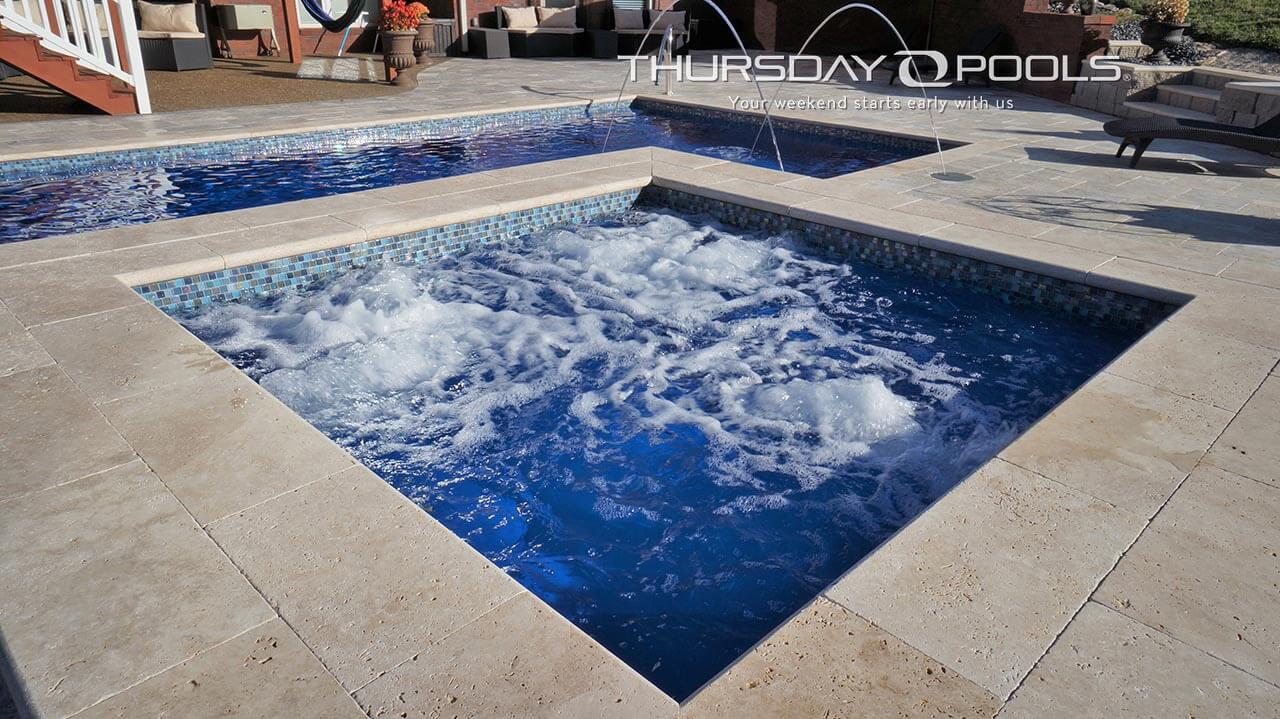
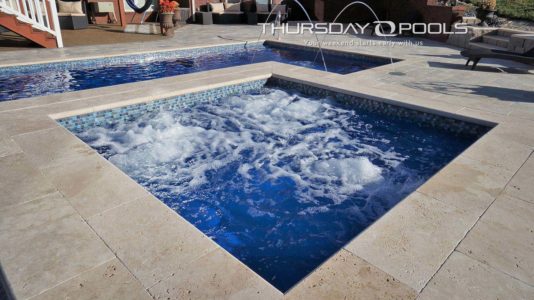 There are many studies out there that suggest that soaking in hot water before going to bed at night can help you fall asleep and have a more relaxed sleep. Getting into the hot pool spa before bed helps regulate your body temperature to a comfortably warm level that helps you fall asleep quicker and sleep through the night with fewer disruptions. Good sleep improves everything from your mental alertness, stronger immune system, rejuvenated muscles and even the way your body metabolizes food.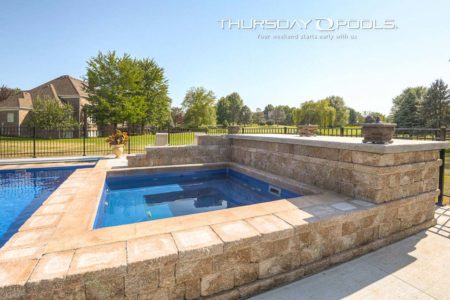
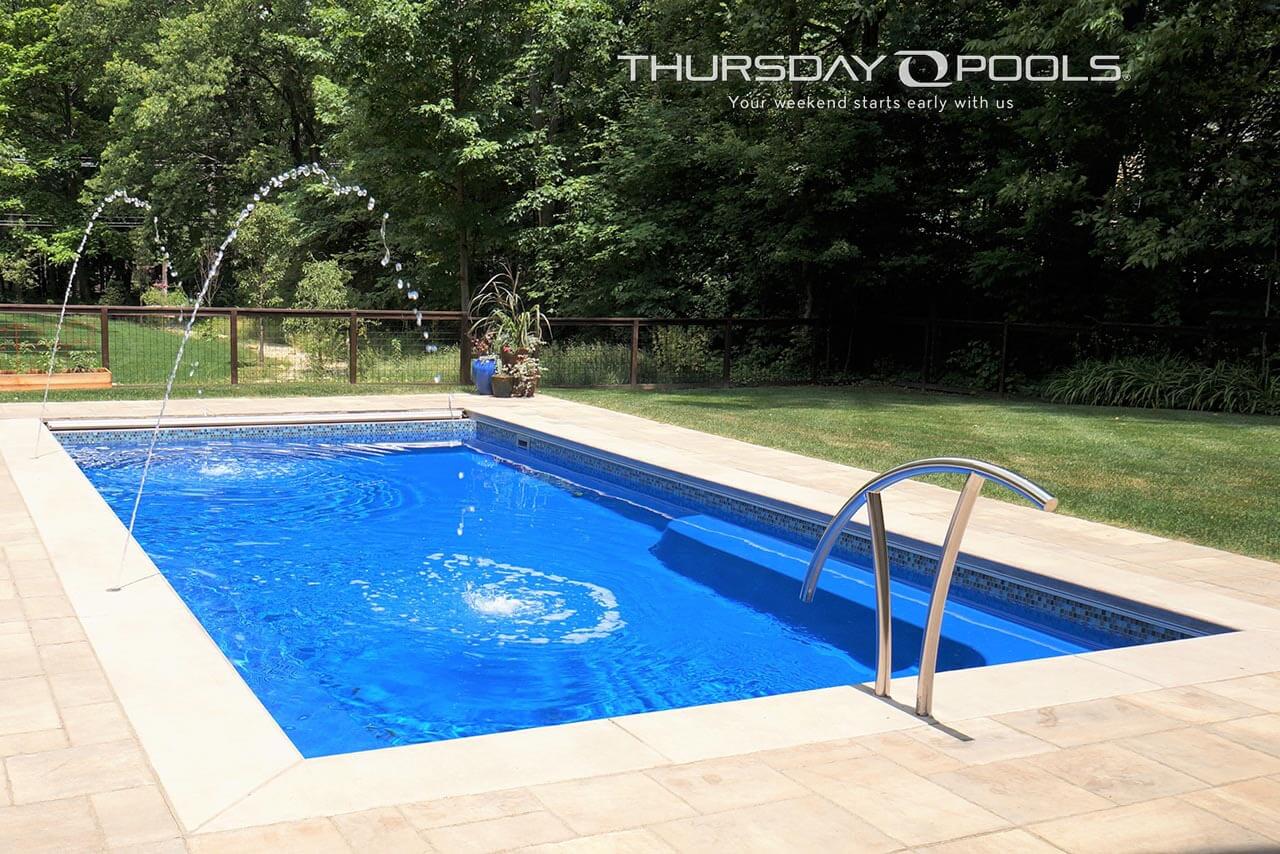
 Groundwater is virtually everywhere. It lies below the earth’s surface in the cracks and spaces of soil, rock, clay, and sand. In some areas, it may be closer to the surface than in others. The upper level of which the ground saturates with water is known as the water table. Often homeowners know they have a ground water issue when they have a high-water table. Their yard may remain soft and wet for many days after rain. Your water table does vary over time and is generally at its highest later winter/ early spring. Even if you do not have a high-water table, you still need to be aware that ground water exists and can have damaging effects on your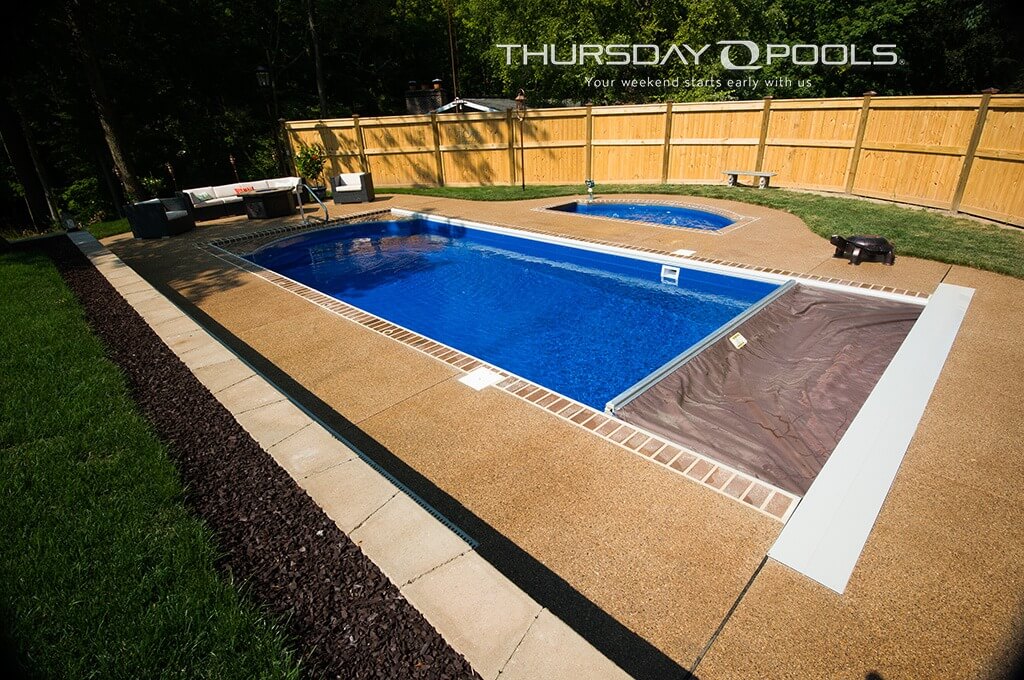
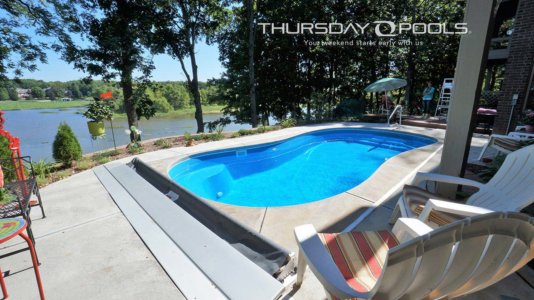 during winter months will protect your pool and make getting your pool ready for use easier. If a pool is left uncovered, the leaves and debris will not only be a hassle to remove in the springtime but will break down over the winter months and cause havoc on water chemistry and possible staining.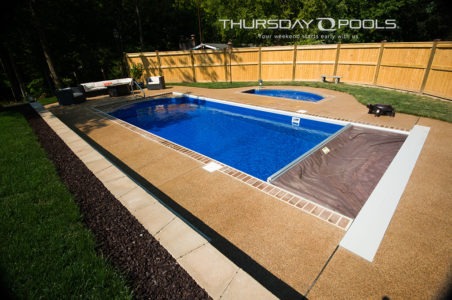
 Pros of Salt Water Pools-The Benefits of Owning a Saltwater Pool
 Cons of Salt Pools-The Disadvantage of Owning a Saltwater Pool