Topic: Fiberglass Pools
What You Need to Know About the Cost of Fiberglass Pools in 2024: The Essentials and Extras
Curious about the financial commitment required for a fiberglass pool? You are not alone. Cost is one of the most common questions among prospective pool owners. Understanding what goes into fiberglass pool cost not only determines the pool design you can afford but also influences the additional features and accessories you might choose to enhance your pool experience. Based on our industry experience, a full fiberglass pool package in 2024—including pool installation, a patio, and a handful of essential accessories—can cost between $70,000 and $135,000.
Essential Fiberglass Pool Costs
Initial Costs
- Professional Installation: In our experience, professional installation packages typically range from $35,000 to $60,000. Including the pool shell, excavation, backfilling, and setting up the pool, the installation process is relatively quick compared to other types of pools, often completed within a couple weeks.
- Permits and Site Preparation: Permit costs range from $50 to $200. Site preparation, including excavation, can range from $3,200 to $20,000, depending on the complexity of the site. The terrain and accessibility of your backyard can significantly affect these costs. For instance, rocky or uneven terrain may require additional excavation work, increasing the overall expense.
Maintenance
- Annual Maintenance: Fiberglass pools have lower maintenance costs than other pool types, averaging $600 to $1200 per year. Whether you perform the maintenance or hire a pool professional, you should consider maintenance costs for cleaning, balancing the water, opening, and closing the pool.

Insurance and Taxes
- Homeowner’s Insurance: Installing a pool increases your home’s value, potentially raising your property taxes and homeowner’s insurance premiums. Expect an increase of $17 to $25 monthly in insurance costs. It’s advisable to consult with your insurance provider to understand how a pool will affect your premiums.
- Property Taxes: A new pool can increase property value by five to seven percent, which may result in higher property taxes. The exact increase will depend on local tax regulations and the assessed value of your property.
Extra Pool Costs
Optional Features and Enhancements
- Automatic Covers: Prices begin at about $8,000. Automatic covers enhance safety and reduce maintenance by keeping debris out of the pool.
- Lighting: Installing lights in the pool ranges from $500 to $2,000. LED and fiber optic lighting systems can enhance the pool’s aesthetics and safety for night-time swimming.
- Water Features: Costs between $5,000 and $15,000. Waterfalls, fountains, and other features can add a touch of luxury and tranquility to your pool area.
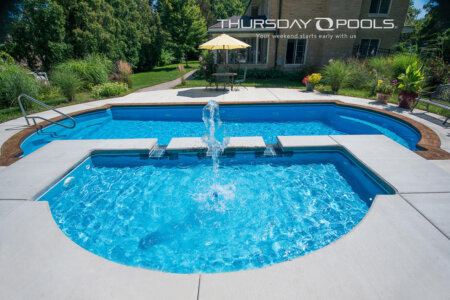
- Deck Jets and Bubblers: Pool deck jets cost range from $500 to $1,200 each and can create elegant water arcs into the pool. Bubblers, small fountains installed on tanning ledges or beach entries, cost about $1,000 each and add a playful element to the pool.
Additional Infrastructure
- Fencing: Required by many jurisdictions for safety. Average costs range from $2,000 to $13,500 for a 200 to 300 linear-foot fence but varies depending on the material and length needed. Options include chain-link, mesh, wrought iron, aluminum, vinyl, and wood. Each type has different cost implications and aesthetic effects.
- Electrical Work: Essential for operating filtration systems, lighting, and other features, electrical costs average $2,250. Pool electrical work typically includes pumps, heaters, and wiring for lighting systems.
- Pool Covers: Safety covers range from $1,000 to $20,000, depending on the type. Winter, manual, and automatic covers vary significantly in price and convenience. Winter covers are the least expensive but also the least convenient, while automatic covers are the most costly but offer the best convenience and safety.
- Heating Systems: Installing a pool heater can extend your swimming season. Gas heaters cost between $1,500 and $6,000, while solar heaters range from $1,5000 to $7,000. Heat pumps, which are energy-efficient, cost between $2,000 and $6500.
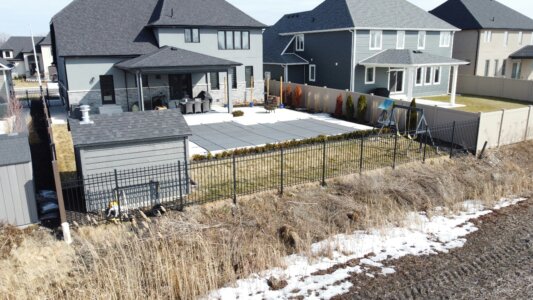
Get an Estimate on Your Fiberglass Pool
Investing in a fiberglass pool is a significant decision. By understanding the costs involved and exploring your options, you can make an informed choice that enhances your lifestyle and adds value to your property. Contact an independent dealer today to get an estimate, or try our Pool Cost Calculator for a ballpark estimate.
Start Making Waves: Fiberglass Pool Financing Advice
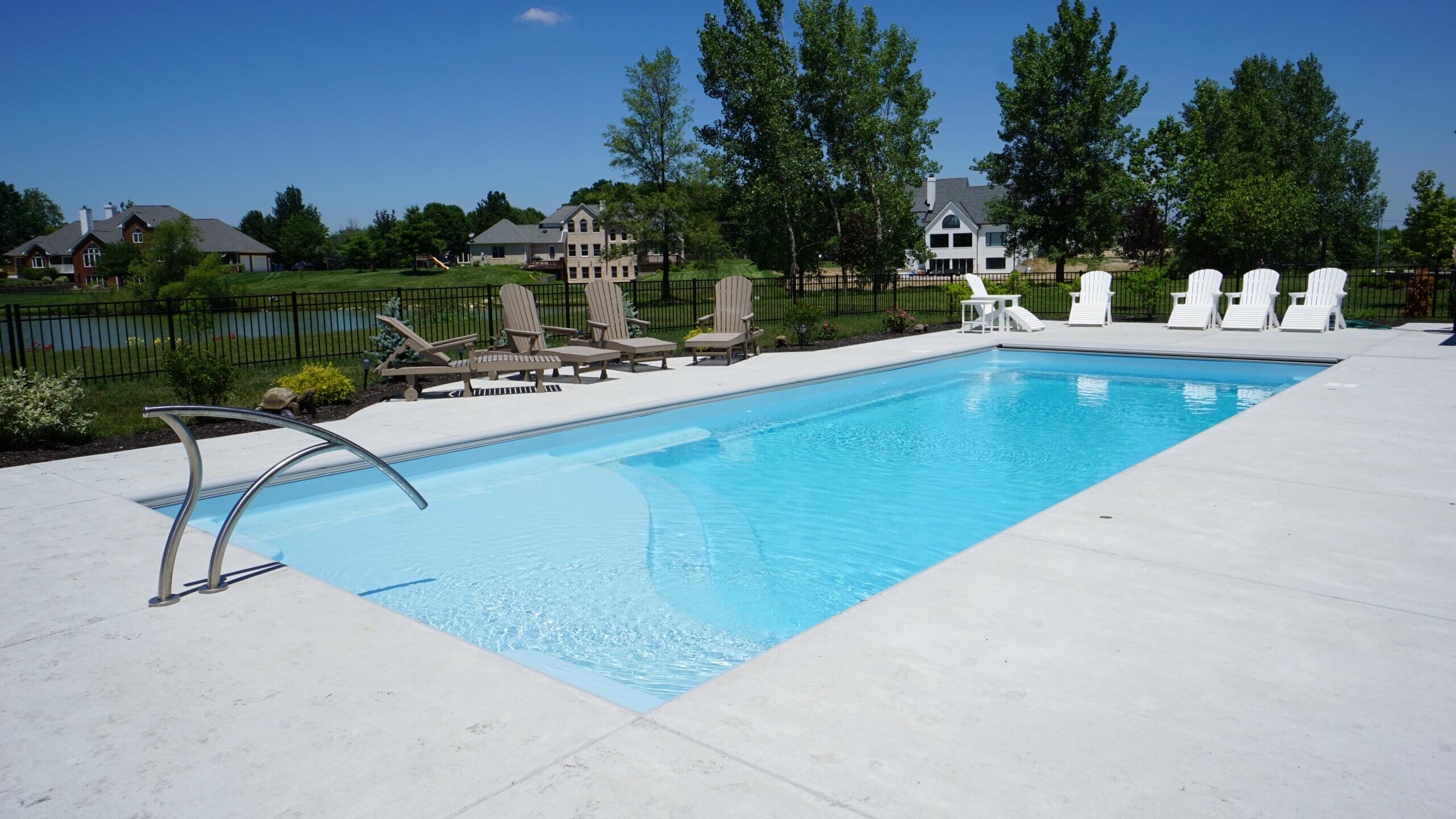
Hello, soon-to-be pool owner! If you’re already dreaming of your ideal inground Fiberglass swimming pool and have figured out your budget, the next step is to look into pool financing options to turn those dreams into reality. Navigating pool financing can seem daunting, but with the right information and resources, you can make informed decisions and bring your backyard oasis to life. Let’s plunge into the essentials, starting with a key aspect: the fiberglass pool cost.
Understanding Fiberglass Pool Costs
As of 2024, a turnkey fiberglass installation, including the installed pool, a patio, and a handful of essential accessories, costs between $70,000 and $135,000. Additional costs may arise from landscaping, decking, fencing, and ongoing maintenance. It’s essential to consider these when budgeting for your pool project to avoid unexpected financial strain.
Understanding Pool Loans
Imagine this: You can access pool loans up to $500,000 with annual interest rates ranging from 5.99% to 13%. These personal loans are great because they don’t require home equity or a property appraisal. For a ballpark figure, a $30,000 loan over 20 years usually has monthly repayments of about $225 to $250.
How You Receive the Funds
Once approved, depending on the lender, the loan amount may be directly provided to you in one total payment or it may be provided directly to the builder and dispersed at different stages of the project. Many contractors prefer this direct-to-consumer funding approach, which allows you to directly manage costs for the pool and any additional features like landscaping or accessories.

Interest Rates and Monthly Payments
Loan interest rates are stable, and you can find loans across all 50 states. For a quick reference, monthly payments on a $30,000 loan might be around $225, scaling up to about $360 for a $50,000 loan over 20 years. If you know how much you want to borrow, you can calculate your monthly payments online.

What Qualifies as ‘Good Credit’?
Lenders typically look for a strong credit history, including diverse accounts like credit cards, car loans, and mortgages. They value consistent on-time payments, the ability to save (demonstrated by significant down payments), and a favorable debt-to-income ratio. Stable and sufficient income is crucial to secure loan approval. Generally, a credit score of around 600 is acceptable for getting a loan offer from HFS Financial.
Specialized Companies for Pool Financing
Several finance companies offer loans on inground pools. Please note that Thursday Pools is not affiliated with, nor do we receive any payment from the following companies.
- HFS Financial: Known for offering up to $500,000 in loans specifically for pool projects, HFS Financial provides terms of up to 20 years. Longer terms allow for manageable monthly payments and extensive financing options tailored to the scope of your pool project.
- Lyon Financial: With a long history in the pool loan industry, Lyon Financial offers various loan amounts up to $500,000. They emphasize unsecured loans, which don’t require home equity, making it easier for homeowners to get the financing they need without leveraging their property.
- LightStream: A division of SunTrust Bank (now part of Truist), LightStream offers pool loans with competitive rates and terms. They focus on unsecured loans that can be used for various home improvement projects, including pools. Their streamlined process is convenient for borrowers looking for quick approvals and flexible terms.
- Viking Capital: Viking Capital provides pool financing solutions for pool purchases and related home improvements. They offer loans up to a certain amount, requiring specific credit qualifications. Their expertise in the pool industry ensures that their financing options are well-suited to meet the needs of pool buyers.
- Paramount Capital: Paramount Capital helps customers find financing for new pool construction and remodeling projects. They offer tailored financing solutions to meet the specific requirements of pool installations, ensuring that homeowners can access the funds they need for their projects.
Preparing for Financing
Before applying for financing, it’s essential to get your financial house in order. Here are some steps to take:
- Check Your Credit Score: A higher credit score can qualify you for better interest rates and terms.
- Evaluate Your Budget: Ensure you can comfortably afford the monthly payments without straining your finances.
- Compare Offers: Don’t settle for the first loan offer. Compare multiple lenders’ rates, terms, and fees to find the best deal.
- Get Pre-Approved: Pre-approval can give you a clear idea of how much you can borrow and at what terms, helping you set a realistic budget for your pool.

Overlooked Costs and Considerations
When budgeting for your fiberglass pool, it’s important to consider additional costs beyond the initial installation.
- Maintenance: Regular maintenance is essential to keep your pool in good condition. Whether you do it yourself or hire a pool professional, maintenance costs include cleaning, keeping the water balanced, and opening and closing the pool.
- Insurance: Adding a pool to your property can increase homeowners’ premiums. Check with your insurance provider to understand how your policy might change.
- Utilities: Running a pool pump, heater, and other equipment will increase utility bills. Energy-efficient options can help mitigate these costs.
- Landscaping and Decor: Post-installation landscaping, furniture, and decor can enhance the look of your pool area, but it will also add to the overall cost.
Contact an Independent Thursday Pools Dealer to Get Started!
Navigating pool financing requires careful planning and consideration of various factors, from understanding the fiberglass pool cost to exploring financing options and preparing for overlooked expenses. Doing your homework and making informed decisions can turn your dream of owning a fiberglass pool into a reality without causing financial strain. Are you ready to make a splash now? Contact an independent dealer to schedule a design consultation or get an estimate.
How Do I Backwash a Sand Filter in My Fiberglass Pool?
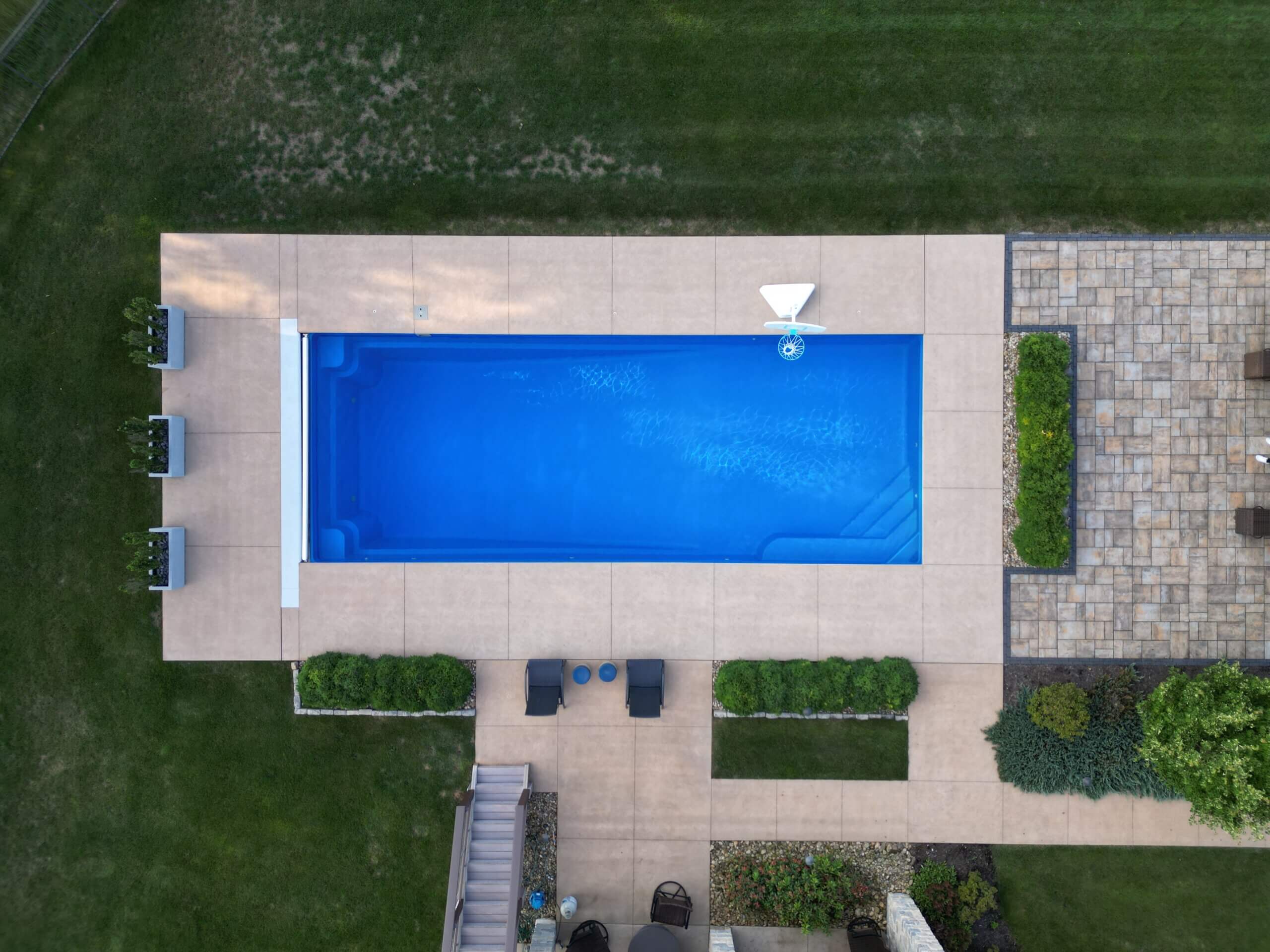
Keeping your fiberglass pool sparkling clean doesn’t need to be complicated, but it does require some regular care. One of the most critical parts of routine pool maintenance is making sure your filter runs efficiently. If you have a sand filter, you’ll need to know how to backwash it properly to keep your water clear and your system in top shape. The good news? Backwashing is quick, easy, and an essential step toward making every swim as refreshing as the first of the season.
Every pool relies on a filter to remove dirt, debris, and tiny particles that swimmers don’t want sharing the water. There are three main types of filters, each with their own strengths.
- Cartridge Filters: Low-maintenance and energy-efficient. Just rinse or replace the cartridges to keep the water clear.
- Diatomaceous Earth (DE) Filters: Ultra-fine filtration for the clearest water possible, but they require a little extra care and handling.
- Sand Filters: Durable, cost-effective, and easy to maintain. A quick backwash flushes out trapped debris, restoring flow and clarity with minimal hassle.
What is Pool Filter Backwashing?
Backwashing a sand filter is a maintenance procedure that cleans the filter and ensures it operates efficiently. Over time, as water pumps through the sand filter, the sand traps debris and particles to remove them from the pool water. The process gradually accumulates dirt and debris in the filter, which can decrease efficiency and encourage cloudy pool water.
Backwashing temporarily reverses the water flow through the sand filter. Instead of dirty water coming in and clean water going out, backwashing pumps clean water backward through the filter. The reverse flow lifts and flushes trapped debris from the sand bed and the filter through a waste line or drain.
During backwashing, the sand within the filter loosens and allows for trapped debris to make its way out of the system. After backwashing, return the filtration system to its normal operation of filtering the pool water again. Backwashing sand filters is essential for maintaining their ability to clean the pool water effectively and should be a regular part of your pool’s maintenance routine.
Why is Backwashing My Pool’s Sand Filter So Important?
Backwashing keeps your filter functioning properly and clear of debris. It also helps to keep your water clear. Even if you are meticulous about other maintenance and consistently add chlorine to the chlorinator, check its settings, brush all the pool surfaces, empty skimmer baskets, vacuum, test water chemistry, and maintain the correct water level, your pool water will still turn cloudy if you forget to clean the filter.
What Happens If I Don’t Backwash My Pool’s Sand Filter?
If you don’t backwash your sand filter for some time, you may notice your water getting cloudy or more debris making its way to the surface of your pool water. Other maintenance tasks are still essential, but none will replace the need for backwashing the pool’s sand filter..
How Do I Know If I Need to Backwash My Pool’s Sand Filter?
You will need to check your filter system’s pressure gauge regularly. When clean, your filter will generate a typical reading that you should note as its standard baseline. You’ll know it’s time to backwash once the gauge reaches 8 to 10 psi above your baseline reading. Your water may also look cloudy or dirty when the filter needs backwashing.
What is the Proper Way to Backwash My Pool’s Sand Filter?
- Turn the filter system off.
- Remove, empty, and replace the skimmer basket.
- Attach a backwash hose to your filter’s backwash port.
- Turn your multi-port valve to Backwash. Never turn the multi-port valve handle while the pool filter is on and running.
- Turn your filter system back on. Water should flow out the backwash port and through the hose.
- Let the water run for about two minutes or until the water runs clear in the site glass.
- Turn the filter system off again.
- Turn the multi-port valve to Rinse.
- Turn the filter system back on and rinse the filter for about 30 to 60 seconds.
- Turn the system off.
- Turn the multi-port valve to Filter.
- Turn the system back on.
What Are Some Potential Issues With Backwashing a Pool’s Sand Filter?
Sand in the Pool
If you notice sand in your pool during or after backwashing, then you might have cracked off laterals or piping inside the filter. You may also have too much sand in the filter. The open space from the top of the filter to the sand line is called “freeboard,” and having enough space is essential for preventing sand from exiting the filter during backwashing.
Too Much of a Good Thing
While backwashing is essential, it is possible to backwash a sand filter too often or for too long. During backwashing, turn the hose off as soon as the water runs clear. Prolonged backwashing of your sand filter can cause “channeling,” which occurs when channels develop down the sides inside the filter. Water can bypass the sand altogether because of channeling, defeating your sand filter’s purpose.
As with all aspects of your pool’s maintenance and day-to-day operations, please follow your specific sand filter’s instructions carefully. You will likely find directions on the filter itself. Your filter and pump are the backbones of pool cleanliness, safety, and enjoyment, and paying them proper attention is essential. A failure of either will cause problems and cost you money. You should consult a pool professional if you have any pool maintenance concerns.
Looking for more information on fiberglass pool maintenance? Explore Thursday Pools’ Ultimate Fiberglass Pool Maintenance Guide for a thorough look at everything you need to know.
And if you’re ready for personalized advice, connect with a local independent Thursday Pools dealer near you.
Frequently Asked Questions About Backwashing a Fiberglass Pool
-
How do I know when it’s time to backwash my sand filter?
Check the pressure gauge on your filter. When it reads 8–10 psi higher than the clean baseline, it’s time to backwash. Cloudy water can also be a sign your filter needs cleaning.
-
What is the correct way to backwash a sand filter?
Turn off the pump, set the multiport valve to Backwash, and restart the pump for about two minutes or until the sight glass runs clear. Then turn the pump off, switch the valve to Rinse for 30–60 seconds, and finally return it to Filter mode. Always shut off the system before moving the valve handle. (See the illustrated instructions above)
-
Can I over-backwash my pool filter?
Yes. Backwashing for too long or too often can cause “channeling,” where water cuts paths through the sand and bypasses filtration. That’s why it’s important to stop once the water in the sight glass runs clear.
-
Why is backwashing important for fiberglass pools?
Even with fiberglass’s lower maintenance needs, filters still collect debris, sunscreen oils, and fine particles. Backwashing clears these out, helping your system run efficiently, keeping water clear, and protecting your pump from strain.
-
What if I see sand in my pool after backwashing?
That usually means the filter has broken laterals or too much sand. A proper freeboard (the space between sand and the top of the filter) is needed to prevent sand from escaping. In this case, inspection or repair is necessary.
-
Do cartridge or DE filters need backwashing too?
No. Cartridge filters should be rinsed or replaced, and DE (diatomaceous earth) filters require backwashing plus recharging with fresh DE powder. Only sand filters use a standard backwashing cycle.
Fiberglass Pool Maintenance Guide: Schedule, Chemistry, and Costs
2024 Idea Book
How to Protect Your Pool Water Balance During the Off-season
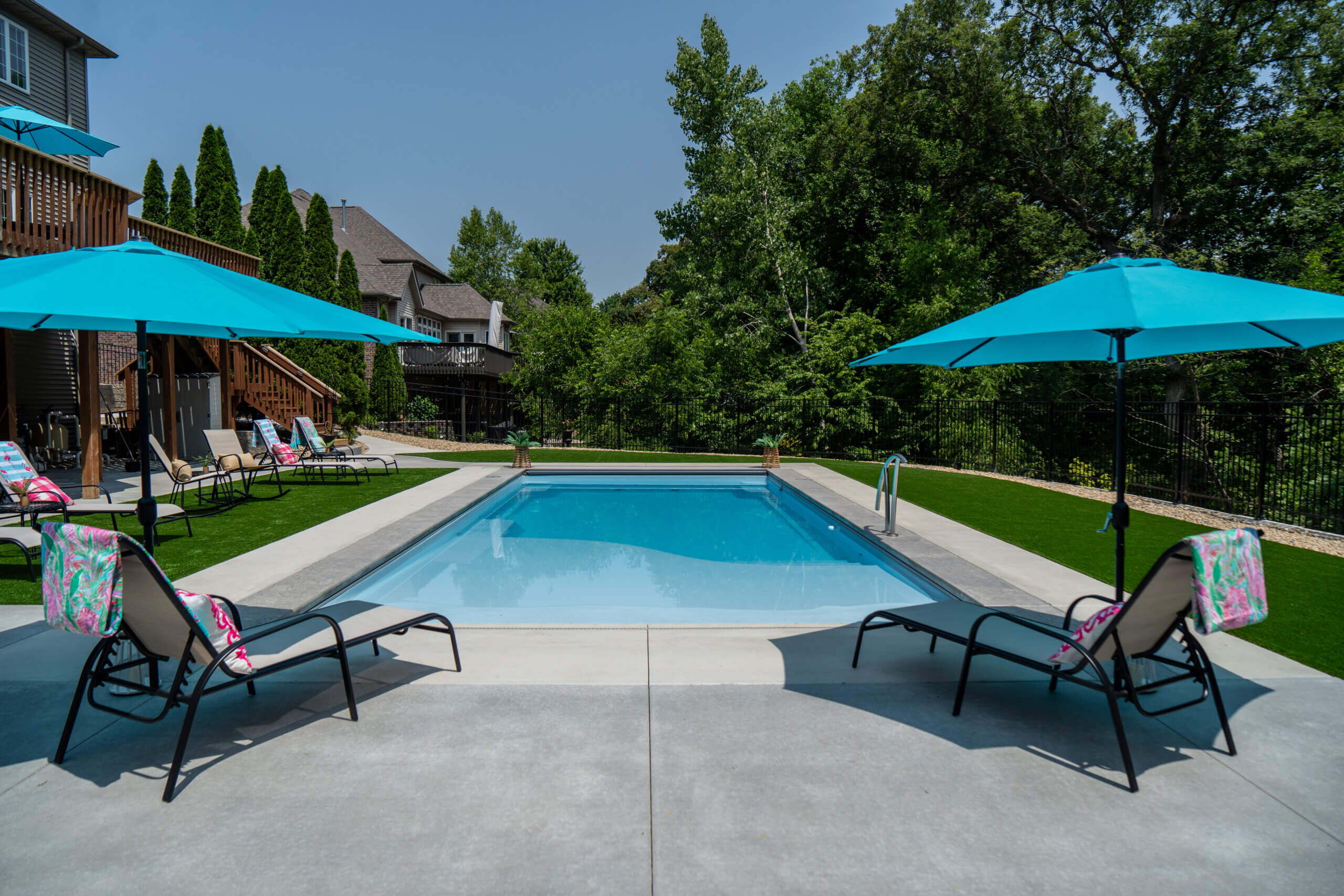
As the vibrant days of summer fade into the crisp air of autumn, fiberglass pool owners face the critical task of preparing their pools for the off-season. However, the upcoming period of dormancy does not equate to a halt in maintenance efforts. Instead, the off-season requires a strategic approach to ensure your pool water is neither corrosive nor scaling and will be ready for the next swimming season. Smart homeowners must understand the essential steps for monitoring the pool’s water chemistry balance during the colder months to safeguard against potential damage that winter can bring.
Water Chemistry Challenges in the Off-Season
Fiberglass pools, celebrated for their durability and longevity, are not immune to all the challenges of changing seasons. Fiberglass pool shells are generally resilient against winter conditions thanks to their flexibility, which can withstand stress from freezing temperatures. However, harsh winter conditions can still threaten the water balance and the pool surface if you do not properly winterize the pool. The risk of damage escalates during winter when colder water temperatures can render the water more aggressive. This aggressiveness primarily stems from the water’s chemistry balance shifting with temperature changes, potentially leading to issues that can compromise the integrity of your pool’s finish.
Seasonal Cleaning and Preparation
The first step in your off-season maintenance routine should be thoroughly cleaning your pool. End-of-season cleaning includes wiping down the waterline with a soft brush to eliminate any buildup of debris, sunscreen, body oils, and other contaminants that may have accumulated over the swimming season. Brush all pool surfaces, paying extra attention to corners and steps where algae and bacteria might accumulate. Remove all leaves, debris, and dirt from the water using a skimmer, and vacuum the pool thoroughly to eliminate any settled particles or algae. A clean pool goes beyond attractive aesthetics to create a stable foundation for your off-season water balance efforts.
The Role of a Pool Cover
Investing in a high-quality pool cover offers multiple benefits throughout the year, with its importance magnified during the off-season. A pool cover acts as a barrier against debris, reduces water evaporation, and helps maintain the pool’s water chemistry balance by minimizing external influences.
Especially important for households with children or pets, a properly secured winter pool cover can also prevent accidental falls into the pool. Safety covers can withstand a person’s weight, providing an extra layer of protection when the pool is not in use. More than a convenience, a pool cover offers peace of mind and ensures your pool remains clean, sealed, and safe throughout the winter.
Enjoy the Benefits of Proactive Off-Season Maintenance
The effort you put into off-season maintenance directly impacts the longevity and condition of your fiberglass pool. By taking steps to clean your pool, adjust its water chemistry for the cold, periodically check its balance, and secure it with a pool cover, you protect your investment and make for an easier and more efficient opening in the spring.
A proactive approach ensures your pool remains a source of enjoyment and relaxation for many years without extensive repairs or adjustments when the swim season arrives. Embrace the off-season as an opportunity to ensure your fiberglass pool’s continued health, beauty, and enjoyment.
Frequently Asked Questions About Off-Season Pool Water Chemistry
Why is water chemistry so important during the off-season?
Cold water can shift your pool’s chemistry and become more aggressive. Keeping pH, total alkalinity, and calcium in check, and routine use of a stain and scale product, helps protect your fiberglass surface and equipment throughout the winter months.
Do I need to clean my pool before closing for the season?
Yes. A thorough cleaning is essential. Brush all surfaces, skim, and vacuum to eliminate algae, dirt, and debris. A clean pool sets the stage for stable water chemistry all winter long.
What role does a pool cover play in off-season maintenance?
A high-quality pool cover keeps debris, dirt, and leaves out of the water, reduces evaporation, and helps preserve your pool’s chemical balance. Covers make winter care easier and spring openings faster.
Should I check my pool’s water chemistry during the winter?
Yes. Weather permitting, check the water’s balance periodically. Cold water’s chemistry can still shift over time, and making small adjustments ensures it remains stable. Regular checks prevent surprises at spring opening and help extend the life and beauty of your fiberglass pool.
What are the most common mistakes pool owners make during the off-season?
The biggest mistakes include failing to balance water chemistry for colder temperatures, skipping a thorough cleaning before closing, and not using a quality pool cover. Neglecting these steps can lead to algae growth, staining, scaling, or corrosion that makes spring opening more difficult and costly.
How does proper off-season care make spring opening easier?
When you clean, balance, and cover your pool correctly before winter, you prevent debris buildup and chemical imbalances. That means fewer surprises—like cloudy water, stains, or equipment issues—when you reopen. A proactive approach saves time, reduces costs, and helps you start swimming sooner in the spring.
What Does Routine Fiberglass Pool Maintenance Look Like?
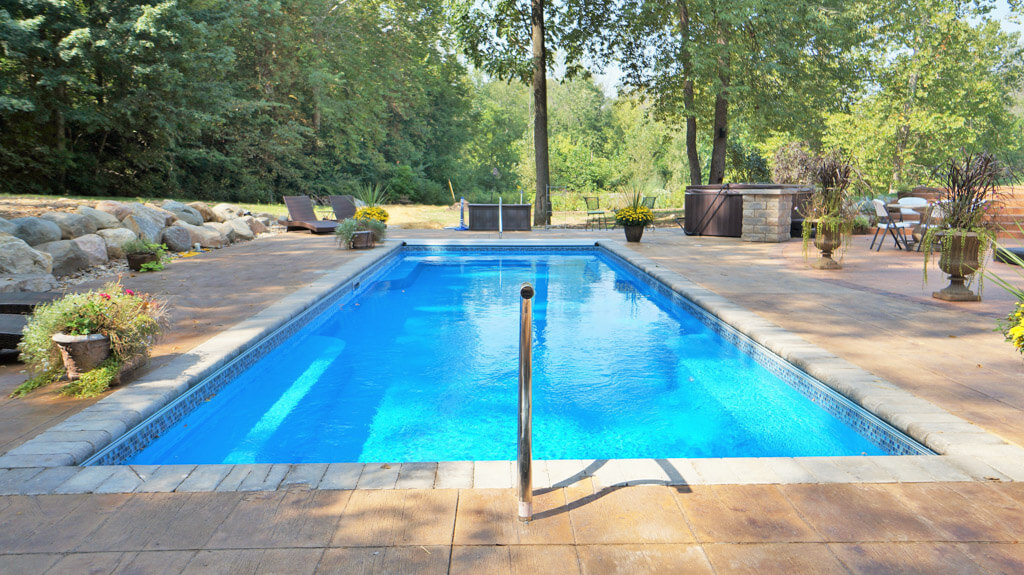
Benefits of owning a fiberglass pool include reduced upkeep demands and the guarantee of continuous enjoyment during the warmer months. However, it’s essential to recognize that consistent maintenance efforts are still necessary. Maintaining pool water chemistry is critical to ensure your pool remains a radiant and inviting space to spend time with family and friends.
Starting the Season Right
Opening your fiberglass pool marks the commencement of the swimming season and sets the stage for a season of fun and relaxation. Once you open your pool, commit to conducting daily tests to adjust your pool’s chemistry until the water’s chemistry factors fall within the following ranges:
- pH: 7.2 to 7.4
- Total Alkalinity (TA): 80 to 120 ppm
- Cyanuric Acid (CYA): 30 to 50 ppm
- Calcium Hardness (CH): Less than 120 ppm (do not add calcium)
- Total Dissolved Solids (TDS): Less than 1,500 ppm (or up to 1,000 ppm above your salt level)
This crucial first step ensures your pool water is neither too corrosive nor scaling, protecting the integrity and appearance of the fiberglass gel coat.
Maintaining Chlorine Levels
Once your fiberglass pool’s other water chemistry factors are within the recommended ranges, adding sanitizer maintains chlorine levels within a safe range of 1 to 3 parts per million (ppm), optimal for disinfecting the pool without damaging the fiberglass surface. Monitoring and adjusting chlorine levels is a fundamental aspect of routine maintenance that keeps the water clear, clean, and safe for swimmers.
Weekly Checks and Adjustments
Your pool’s water chemistry can quickly fluctuate even after establishing a balanced baseline due to various events such as changes in swimmer load, weather conditions, organic debris, water evaporation, and more. Perform weekly tests to monitor water chemistry, checking the chlorine, pH, alkalinity, and other factors are within recommended ranges. These regular check-ins help catch and correct minor imbalances before they become bigger issues.
Water Level and Filtration Maintenance
Maintaining the pool’s water level is another vital aspect of routine care. The water level should always be halfway to the top of the skimmer window to ensure efficient filtration and circulation. Regularly check and clean the filter and skimmer baskets to prevent clogs and maintain proper function. Vacuuming your pool to remove debris and sediment keeps the water clearer and reduces the strain on your pool’s filtration system.
Gentle Cleaning for Long-Lasting Shine
The non-porous gelcoat surface of fiberglass pools is highly stain-resistant, making cleaning a breeze. A soft microfiber cloth, sponge, or pool brush with nylon bristles should suffice. Some household cleaners contain harsh chemicals unsuitable for fiberglass pool surfaces and may cause damage over time. Always use cleaners specifically designed for fiberglass pools, as aggressive cleaning agents can damage the gelcoat, leading to unnecessary wear and repair costs. Metal scrapers or putty knives can gouge or scratch the fiberglass when used to remove debris or scale. Avoid using highly abrasive tools such as wire and stiff-bristle brushes or steel wool.
The Value of Prevention
In pool maintenance, an ounce of prevention is worth a pound of cure. Regular, proactive care keeps your pool looking and performing its best and extends the life of your investment. Fortunately, the inherent durability and ease of care with fiberglass pools mean that maintaining balanced water chemistry requires less effort than you might think. Test kits and resources such as the Thursday Pools Fiberglass Pool Care Guide can help quickly provide direction on how to balance your pool water best.
Understanding Low Maintenance Isn’t Maintenance-Free
While we celebrate fiberglass pools for their low maintenance needs, it’s important to remember that “less maintenance” doesn’t mean “maintenance-free.” The foundation of a healthy, long-lasting pool is achieving balanced water chemistry through frequent and routine testing, precise adjustments, and regular cleaning. By embracing these responsibilities, you’ll ensure your pool remains a beautiful source of joy, relaxation, and pride.
Looking for more information on fiberglass pool care? Explore Thursday Pools’ Ultimate Fiberglass Pool Maintenance Guide for a thorough look at everything you need to know.
And if you’re ready for personalized advice, connect with a local independent Thursday Pools dealer near you.
Routine Fiberglass Pool Maintenance Frequently Asked Questions
-
How often should I test my fiberglass pool water?
Test your pool daily when you first open it for the season until the critical water chemistry factors remain within the recommended ranges. After that, weekly tests help keep chlorine, pH, and alkalinity levels in check.
-
What’s the ideal chlorine level for a fiberglass pool?
Keep free chlorine between 1 and 3 ppm. This range keeps the water safe and sparkling without damaging the fiberglass gelcoat.
-
How should I clean my fiberglass pool surface?
Use a soft microfiber cloth, sponge, or a nylon-bristle pool brush. Avoid harsh chemicals, stiff brushes, or metal tools that can scratch or damage the gelcoat.
-
Where should my pool water level be for proper circulation?
Keep the water level halfway up the skimmer window to ensure the filtration system runs efficiently and helps prevent pump and skimming issues.
-
Do fiberglass pools really need less maintenance than other pools?
Yes, it is widely accepted in the pool industry that fiberglass pools are lower maintenance than other pool types. However, “less maintenance” doesn’t mean “maintenance-free.” Fiberglass pools resist algae and staining, so they require fewer chemicals and less scrubbing, but you still need regular testing, cleaning, and filter care to maintain your pool’s aesthetic and longevity.
Five Essential Steps to Maintain Your Pool’s Finish
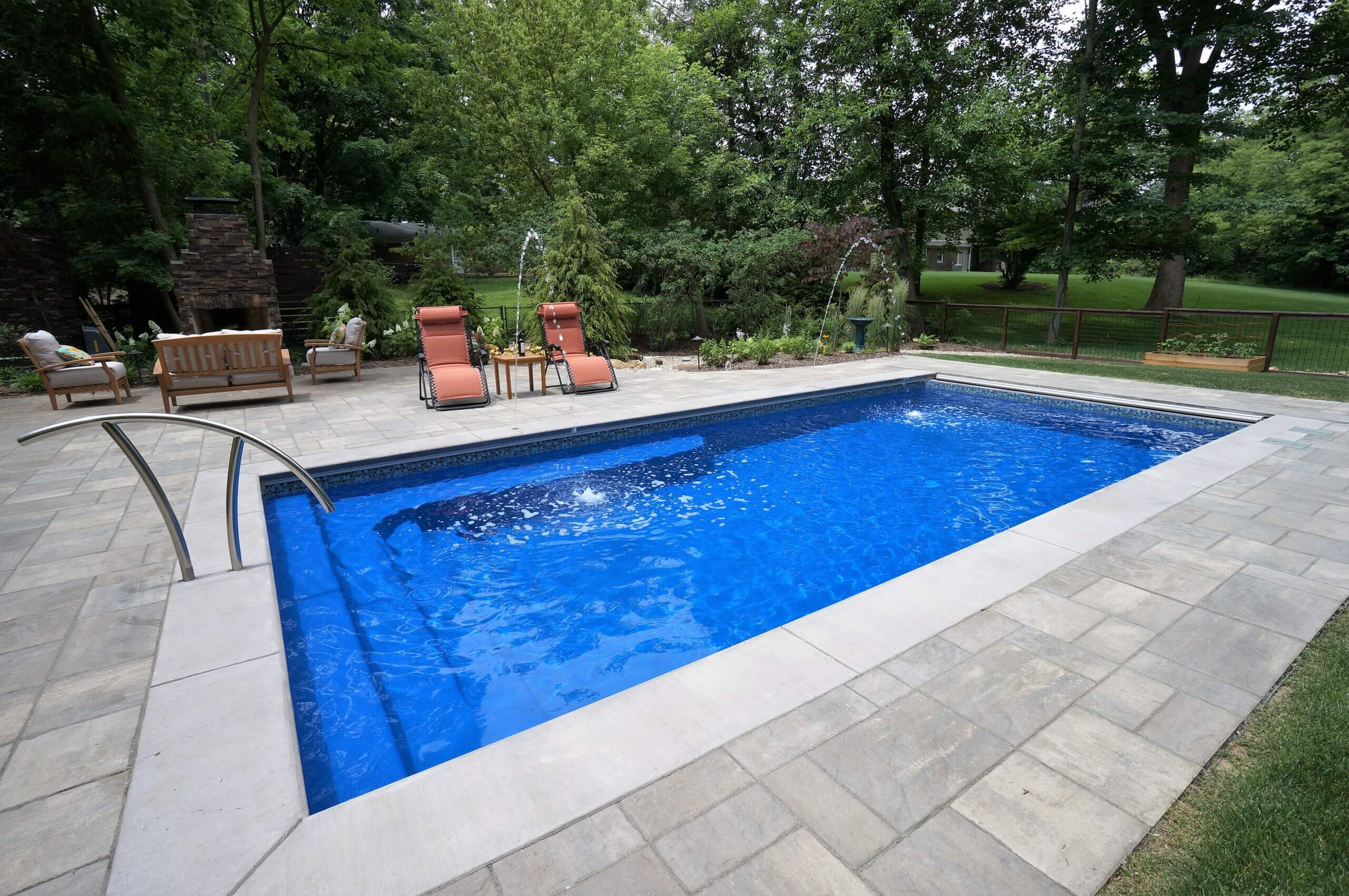
For many homeowners, the benefit of reduced maintenance responsibilities is influential in their decision to install a fiberglass pool in their backyard. The non-porous surface of a fiberglass pool significantly lessens the likelihood of algae growth and reduces the demand for chemicals to maintain water balance. This inherent characteristic of fiberglass pools substantially contributes to their appeal, offering homeowners more time to enjoy their aquatic sanctuary with less laborious upkeep. However, it’s crucial to understand that “lower maintenance” does not equate to “maintenance-free.” Maintaining your pool’s vibrant, smooth finish is just as important as keeping the water clear and inviting. While the allure of crystal-clear water is undeniable, the unseen balance of water chemistry plays a crucial role in preserving the integrity and appearance of your pool.
Step 1: Use a Stain and Scale Control Product Regularly
Even well-balanced water can carry minerals that deposit on your pool’s surface, leading to staining or scale buildup. A reliable stain and scale control product helps prevent fiberglass pool discoloration with chelating agents that can effectively shield your pool from calcium. In our experience, products like SC-1000 by Orenda and Scale & Stain Eliminator by Pool Stain Removers work well and should be part of your regular pool maintenance routine.
Step 2: Maintain Chlorine Levels Between 1-3 ppm
Chlorine protects your pool from harmful bacteria and algae. While chlorine is essential, too much can harm your pool’s finish. Keep free chlorine between 1 and 3 ppm. Beware of exceeding 5 ppm, as high chlorine levels can cause irreversible damage to your pool’s surface, leading to discoloration and degradation of the gelcoat.
Step 3: Avoid Calcium Hypochlorite
While calcium hypochlorite is common in various pool contexts for shock treatments, it poses risks for fiberglass pool surfaces due to its propensity to elevate pH levels and deliver a high dose of free chlorine. Liquid chlorine is a preferable alternative, offering a safer means to manage pool hygiene without the associated risks of calcium hypochlorite. Nevertheless, vigilance is required to prevent the adverse effects of excessive chlorine, ensuring the pool’s surface remains pristine.
Step 4: Keep pH Between 7.2 and 7.4
Maintaining a pH range between 7.2 and 7.4 keeps your chlorine effective and protects the pool’s surface. A pH above 7.6 can contribute to scaling and discoloration, while a pH that’s too low can lead to etching. Regular testing and adjustments help keep this critical pool maintenance parameter within range.
Step 5: Maintain Calcium Hardness Below 120 ppm
Fiberglass pools don’t need the same high calcium levels as concrete pools. Keeping calcium hardness less than 120 ppm helps prevent scale buildup and maintains the beauty of your surface finish. Do not add calcium-based products. If your water’s calcium hardness is greater than 120 ppm, use a chelating stain and scale control product to prevent scaling and discoloration.
Bonus Tip: Don’t Assume Your Pool Pros Know it All!
The pool maintenance industry is constantly evolving, with new products and refined best practices emerging regularly. As a pool owner, staying informed about these developments is beneficial to ensure your pool receives the best care possible.
Engage with your pool maintenance professionals and inquire whether they are familiar with specific parameters for fiberglass pools. Fiberglass pools are unique, and maintenance pros should treat them as such.
By following these five essential tips and staying on top of your water chemistry, you’ll protect your pool’s beauty and performance for years to come. Pool ownership is a journey. When you have the right knowledge, it’s a journey you can enjoy with confidence.
Looking for more information on fiberglass pool care? Explore Thursday Pools’ Ultimate Fiberglass Pool Maintenance Guide for a thorough look at everything you need to know.
And if you’re ready for personalized advice, connect with a local independent Thursday Pools dealer near you.
Frequently Asked Questions About Maintaining a Fiberglass Pool Finish
How do I protect my fiberglass pool’s finish?
Test your water often, keep chlorine between 1-3 ppm, maintain pH between 7.2-7.4, and use a stain and scale control product that chelates calcium. These steps prevent discoloration, scaling, and surface damage.
Why should I avoid calcium hypochlorite in a fiberglass pool?
Calcium hypochlorite raises pH and delivers a strong chlorine dose that can harm your pool’s gelcoat. Use liquid chlorine instead to sanitize safely.
What calcium hardness level works best for fiberglass pools?
Keep calcium hardness below 120 ppm. Higher levels can cause scale buildup and discoloration. Use a stain and scale control product that chelates calcium if you have naturally hard water with high calcium hardness, such as SC-1000 by Orenda or Scale & Stain Eliminator by Pool Stain Removers.
Does clear water always mean my pool water is balanced?
No. Water can look crystal clear but still be corrosive or scaling. Always test and adjust based on the LSI balance, especially as water temperature changes.
Should I rely on a pool service professional for water balance?
Stay informed and ask questions. Fiberglass pools require specific care, and not every pool professional knows the latest best practices. Double-check your pool’s water chemistry balance yourself regularly.
Fiberglass Pool Water Chemistry

Help ensure the longevity of your fiberglass pool by practicing proper pool water chemistry. Learn how to safeguard your pool from damage with expert insights and tips.