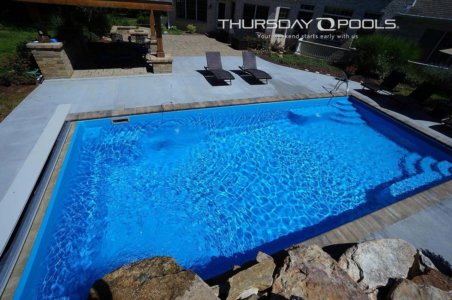
What Can I Expect for Fiberglass Pool Maintenance Cost?

pool maintenance cost

Fiberglass pools bring hours of relaxation, family togetherness, social activity and exercise. What’s more, fiberglass pool owners find that maintaining a fiberglass pool is less expensive than other pool styles. So how much does it cost to maintain a fiberglass pool?

It depends on several factors, but the cost of maintaining your fiberglass pool will largely be determined by your pool equipment, size, and usage. In all cases, there is a cost to maintaining healthy and balanced water with chemical treatments, as well as a cost of technically maintaining your pool equipment so that it runs properly and efficiently. This blog focuses mainly on the cost of maintaining healthy and balanced water.

The cost of maintaining healthy and balanced pool water can vary considerably with sanitizing options, the addition of alternative sanitizing equipment, the amount of water volume, and swimmer load.

Your perfect score is zero!


The Langelier Saturation Index (LSI) is a formula for analyzing water balance. A negative LSI means your water is corrosive. A positive LSI means your water is scale-forming. A neutral LSI is ideal. The LSI formula analyzes the ratios of the following variables:

  • Temperature
  • pH
  • Calcium Hardness
  • Alkalinity
  • Cyanuric Acid
  • Total Dissolved Solids

Ideally balanced water has a saturation index of 0, but -.03 to +.03 is considered within the acceptable range. There are several types of chemicals you’ll need to maintain this ideal range.

Water chemistry costs for an average pool

Let’s consider a 15’ x 30’ inground pool. It will hold about 10,000 gallons of water. We’ll also assume the pool is equipped with a standard pool pump, filter, and chlorine feeder. Whether you’re filling your pool for the first time, or opening it for the season, balancing your water is the foundation for your overall water chemistry plan.

Balancers

Balancers include pH and calcium hardness increasers and decreasers and alkalinity stabilizers. Each water chemical manufacturer will provide you with recommendations and a suggested pool water maintenance schedule. Ask your pool builder for a recommendation on a brand, and follow that manufacturer’s guidelines for a routine water maintenance program that may also include sanitizer, shock and algaecide. Your water will likely not need all of these things, but here’s an average cost and use for each.

pH increaser/decreaser: If you need it, you’ll use about 20 ounces per 10,000 gallons of water.
Average monthly cost = $10.00

Calcium hardness increaser: If you need it, you’ll use about 5 pounds per 10,000 gallons of water.
Average monthly cost = $20.00

Stabilizer (Cyanuric acid): This comes in different strengths, but on average, if you use it, you’ll use about 2 ½ pounds per month for a 10,000 gallon pool.

Average monthly cost = $15.00


Because you might need some, but won’t use all of these, plan on: 

Average monthly cost = $20.00

Sanitizer: Chlorine is the most widely used form of pool sanitizer. In the Midwest, on average, you can expect to use about 25 pounds of chlorine per month, which you can find online or at your local pool supply store, for anywhere between $65 and $99. Keep in mind that warmer water and warmer climates cause chlorine to dissolve more quickly, so that will affect your cost.

Average monthly cost = $80.00

Shock: Shocking your pool water rids it of bacteria, organic pollutants, and chloramines and it should be done weekly. Pool shock is available in chlorine and non-chlorine options and is typically packaged in one-pound bags. One pound of pool shock typically treats 10,000 gallons, and the cost averages about $3.00 per pound.

Average monthly cost = $12.00

Algaecide: You should also add algaecide to your pool about once a week. The standard recommendation for algaecide is two ounces per 10,000 gallons per week. So our 10,000-gallon pool would need approximately 8 ounces per month. A quart of good quality algaecide runs about $25.00. (Please note that algaecide dosages range greatly on recommendations, so always read the label carefully.)

Average monthly cost = $6.00

Total estimated average monthly water maintenance cost for a 10,000-gallon fiberglass pool = $118.00

Saving money on your pool maintenance costs

There are a few options available to reduce your chlorine use. For example, while chlorine is still the most widely used sanitizer, some pool owners feel like it’s too harsh. They’re moving to alternative sanitizing additions such as ozone and UV sanitizing systems that reduce the amount of chemicals required to maintain proper sanitization levels.

Salt systems also lower chlorine costs because they produce their own chlorine. It’s important to note that salt pools still require you to monitor your pool water chemistry closely and make adjustments as needed–chlorine levels can rise dramatically, especially in salt pools that are routinely kept covered and not used regularly.

An ounce of prevention

No matter what shape and size fiberglass pool you have, the water in your pool is constantly changing for all kinds of reasons–weather, swimmer load, water temperature, body oils, and a host of other variables–so your pool water chemistry is not something you can “set and forget,” even when you’re not using your pool. Consult a pool maintenance pro near you if you have questions about your water chemistry or are having trouble getting or keeping your water balanced. Regularly maintaining your pool water chemistry and following recommendations and guidelines will help keep your fiberglass pool maintenance costs to a minimum, help prevent equipment repairs, and prolong the life and beauty of your inground fiberglass pool, giving you a lifetime of enjoyment!

Get in the swim

If you don’t currently own an inground fiberglass pool but are considering purchasing one, get an estimate on a backyard swimming pool oasis of your very own. Thursday Pools fiberglass pools are handcrafted in Fortville, Indiana, and are manufactured to meet ISO 9001 and ISO 14001 standards for quality and environmental stewardship. Contact a dealer near you today.


Ask the General; Can You Fix This?

fiberglass poolDear General-


We’re relatively new inground pool owners. We’ve enjoyed reading your articles about common pool maintenance problems to avoid, new pool owner FAQs, tips and tricks to save money and keep our pool running at its best, like the importance of backwashing and how to care for our pool over the winter. There’s quite a lot to learn! We’ve still managed to make some rookie mistakes though. Your post about overflowing your own pool made us feel much better, so thanks for that! However, we are curious what the Thursday Pools warranty policy is. Also, do you have any other stories to share that will help us feel better about being swimming pool novices? We could use a chuckle today.

Signed-

Embarrassed in Elmore


Dear Embarrassed–

Believe me, you have absolutely no reason to feel badly. We all do the best we can, and some lessons are just learned the hard way.  However, since you’ve asked for a chuckle today, I’m happy to oblige. I do have a few stories up my sleeve from my years in the fiberglass pool biz.

We all have been told at one time or another by friends, teachers, and parents that there are no silly questions, just silly answers. In some circumstances, I believe there are both. To say a question or an answer is silly, can be embarrassing, and hurtful to whoever said it or asked it. Most of the time, we are not instructed completely, or the terminology used is completely foreign to us. I personally have that problem when talking to my grandson about computers. He is talking RAM, operating systems, and a whole myriad things that I have no idea what he is explaining to me.

Unfortunately, sometimes we just don’t completely communicate things we are familiar with to those who don’t. I also sometimes mistakenly think that new customers understand how things work. These are some of the things that people actually do that are our fault for not being specific when giving advice. On the other hand, people say and do some pretty funny things. Here are a few of my favorites:


SIMPLY SHOCKING.

I once had a new homeowner call me with a water problem. He said the water just didn’t sparkle and looked a little cloudy. I asked when the water had last been tested. He said they’d gone to the pool shop and were told to put some bags of shock into the pool. They did that, and it didn’t help. They were then advised to put two more bags in, but the water didn’t improve. I stopped by to troubleshoot thinking that there may be an issue with their filtration equipment. What did I find? The bags of shock laying on the bottom of the pool unopened. We fished them out with their dip net, OPENED THEM and poured the chemicals into the water. The customers’ response was, “We wondered how long it would take for those bags to dissolve!”


RECYCLING IS NOT ALWAYS A GOOD THING.

One customer was determined to save on water costs. So, he decided to put the backwash hose into the pool when he was backwashing to save water. Guess what? When you’re using the same hose to pull dirt of the pool that you would use to put water into the pool, you’re going to PUT DIRTY WATER IN YOUR POOL.


SERIOUSLY BLUE.

Another customer loved the idea of having beautiful blue water when he looked out his window. He did not seem to understand that the beautiful blue color in a fiberglass pool comes from the color of the pool’s walls–not the water itself. He asked me if he could add blue food coloring to his water to achieve this effect. I said, “Well, unless you want your entire family to look like Smurf’s, I would not recommend it.”


NO “FEESHES” ALLOWED.

Once, while I was traveling, we stayed at a motel with a pool. They had a sign posted at the pool that warned, “Do not put fish in the pool.” Confused by this, I asked the maintenance guy if they were having trouble with people putting fish in the water. And he said “no,” but someone told him that the health department would shut down the pool if they found fish in it. He didn’t know why. I asked, “Is it possible they said feces, not fish?” And he said, “Oh yeah. That makes a lot more sense.”


OVERINFLATED.

One customer called me, very upset because he was having trouble with the tubes for his winter cover. Even though he had filled them, they were not holding his cover in place and were not inflating properly. (The word “inflating” was my first clue to his troubles.) After a minute or two on the phone, I realized he was trying to fill the WATER tubes with AIR. His reply was, “Well, I inflated every other darn thing my wife bought all summer–I figured I needed to inflate those too!”


LANDSCAPING THE POOL.

thursday pools warrantyI got a call for a renovation bid from a gentleman who had bought a house with an existing pool. He let me know that the pool wasn’t working properly and wanted an estimate to get it black into swimming shape. I asked him if he could send a photo of the pool. When I saw the photo, my answer to his request for an estimate was, “A lot.”
Maybe when someone told the previous owner to landscape his pool, he didn’t understand that they meant AROUND the pool, not IN IT. It might have been time for the guy to get a new pool. So, the next time you’re worried that you’re not doing a good job with your pool maintenance, take a look at this picture, and I’m sure you’ll feel better right away.

Thanks for asking. I enjoyed this topic, and trust me, I can and will share more in the future.

Until next time-

The General

DIY or Pool Maintenance Pro? Caring for Your Pool Takes a Little of Both

Whether you’re a do-it-yourself type or a big believer in delegation, you are ultimately responsible for your pool. And no one will care more about your investment than you. Factors such as your inground pool shape and type can affect pool maintenance and your decision to take on certain tasks. You can handle several routine tasks, but some require pool professionals. Let’s explore what you need to know about maintaining your inground pool.

Regularly Caring for Surfaces

Consistently cleaning the walls and floor are relatively easy tasks that should be completed as needed. You should plan on doing some of this yourself, even if you hire a weekly pool service.

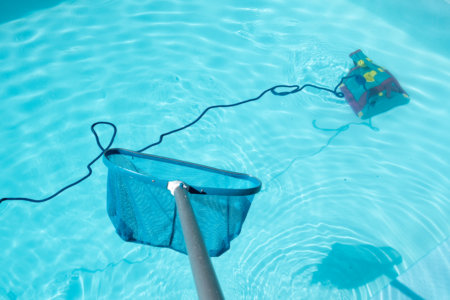
Thursday Pools' robot underwater cleaner and pool skimmer

  • Brushing the walls and surface prevents algae and bacteria from adhering to the surface and forming biofilms. The swimming experience is more enjoyable and safer, reducing the risk of slipping or stepping on debris.
  • Dirt and debris may settle in areas that have less circulation. Brushing surfaces allows it to get to the skimmer.
  • By removing debris and preventing clogging, vacuuming helps maintain the efficiency of the pool filter and pump system, prolonging their lifespan.
  • A skimmer net can get any leaves or other debris that may fall into your pool before they settle to the bottom or fill the skimmer basket.

A robotic pool cleaner and brush ensure debris, dirt, and algae don’t settle and build up in the pool. A soft brush or cloth is effective for wiping away organic material without damaging the surface of a vinyl or fiberglass pool. A stainless steel brush is more effective and safe on a concrete pool. 

Maintaining Proper Water Level

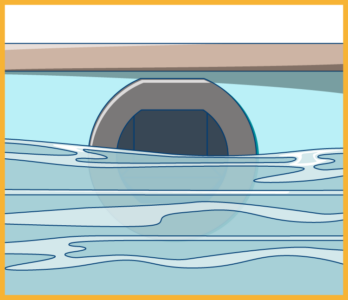
Thursday Pools water level graphicRegardless of your pool type, maintaining the correct water level is a key aspect of pool care, ensuring a longer lifespan for the pool structure, preventing damage, and providing a safer and more enjoyable swimming environment.
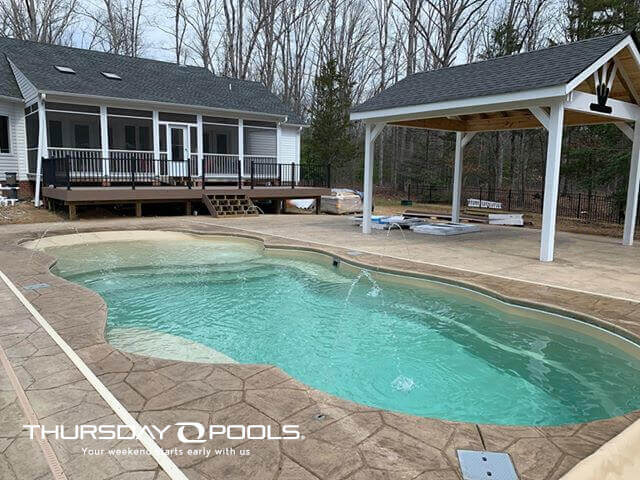
  • Protects Pool Equipment: Proper water levels prevent pumps and skimmers from running dry, which can cause overheating, cavitation, or burnout. Maintaining the correct level avoids costly equipment repairs and replacements.
  • Optimizes Water Circulation: The appropriate water level ensures skimming function and efficient circulation
  • Improves Safety: Maintaining the correct water level reduces the risk of accidents, such as slipping on a wet deck due to splashing from overfilled pools.

Opening and Closing Your Pool

We recommend bringing in the pros for this one. Correctly opening and winterizing your pool is essential to prevent damage and ensure your pool starts the season off right and finishes in good shape for next year. 

Often discovered during pool opening and closing, electrical issues, missing, broken, or cracked drain covers, and equipment issues are best left to those professionals with the proper tools and experience to service them and keep warranties intact. 

Routinely performing other pool maintenance tasks, keeping your pool clean, and doing checks will help prepare your pool for closing, ensuring a smooth process with fewer hiccups in the future and allowing you to save time and money.

Prioritizing Water Balance

Whether you do it yourself or hire a pro, become as much of an expert as possible on your pool’s water chemistry. The more you educate yourself, the easier it will be to find a pool professional you can trust with your maintenance.

Improperly balanced pool water can lead to various types of damage to pool surfaces and structures, depending on the type of pool—vinyl, fiberglass, or gunite. Each type has specific vulnerabilities when exposed to unbalanced water chemistry. Here’s an overview of the potential damage for each:

Vinyl Pools

  • Fading and Discoloration: High chlorine levels or low pH can cause the vinyl liner to fade or become discolored over time.
  • Wrinkling and Stretching: High alkalinity or calcium hardness can cause the vinyl liner to wrinkle or stretch, leading to an uneven pool surface.
  • Brittleness and Cracking: Low pH can cause vinyl liners to become brittle and more prone to cracking and tearing, which may lead to costly repairs or replacement.
  • Algae Growth: Improper sanitizer levels (e.g., chlorine or bromine) can encourage algae growth, making the surface slippery and eventually staining the liner.

Gunite (Concrete) Pools

  • Surface Etching and Scaling: Low pH or low calcium hardness can lead to etching, where the plaster or surface material of the pool is worn away, creating a rough and pitted surface. Conversely, high pH and high calcium hardness can cause scaling, where calcium deposits form on the surface.
  • Staining: Imbalanced water chemistry, especially improper metal ion levels, can lead to staining. Metal ions like iron, copper, and manganese can cause stains of different colors (brown, green, black) on the plaster.
  • Cracking: Prolonged exposure to highly acidic or highly alkaline water can weaken the structural integrity of the plaster, causing it to crack or delaminate.
  • Algae Growth: Improper sanitizer levels can result in algae growth, leading to green or black spots on the pool surface, making it slippery and unsanitary.

Fiberglass Pools

  • Gel Coat Damage: Imbalanced pH, alkalinity, or calcium hardness can cause the gel coat of fiberglass pools to deteriorate, resulting in a dull or chalky appearance.
  • Staining and Discoloration: Low pH or improper sanitizer levels can cause metal ions (like copper or iron) to stain the surface, leading to unsightly yellow, brown, or green marks.

General Consequences for All Pool Types

  • Corrosion of Equipment: Unbalanced water, especially with low pH or high chlorine levels, can corrode metal parts in pool equipment like ladders, pumps, and heaters.
  • Increased Maintenance Costs: Damage from unbalanced water often requires expensive repairs, replacements, or resurfacing, increasing overall maintenance costs.
  • Poor Swimmer Comfort: Improperly balanced water can cause eye irritation, skin discomfort, and an unpleasant swimming experience.
  • Damage to Pool Surfaces: Maintaining the appropriate water chemistry balance helps protect pool surfaces and swimmers’ health in all pool types. Regular testing and adjustments are key to preventing these types of damage. 

Each pool type requires maintenance tasks to keep them in good condition. Be sure to take the time to read your pool manufacturer’s owner’s manual along with any equipment manuals that may come along with your pool project to have a complete understanding of these tasks. Learn as much as you can about pool maintenance and enlist the help of a pool maintenance pro near you to bridge the gap between what you can and can’t do yourself. Then, the only thing left to do is sit back, enjoy your crystal clear water … and take a swim!


When Do I Start Winter Pool Maintenance?


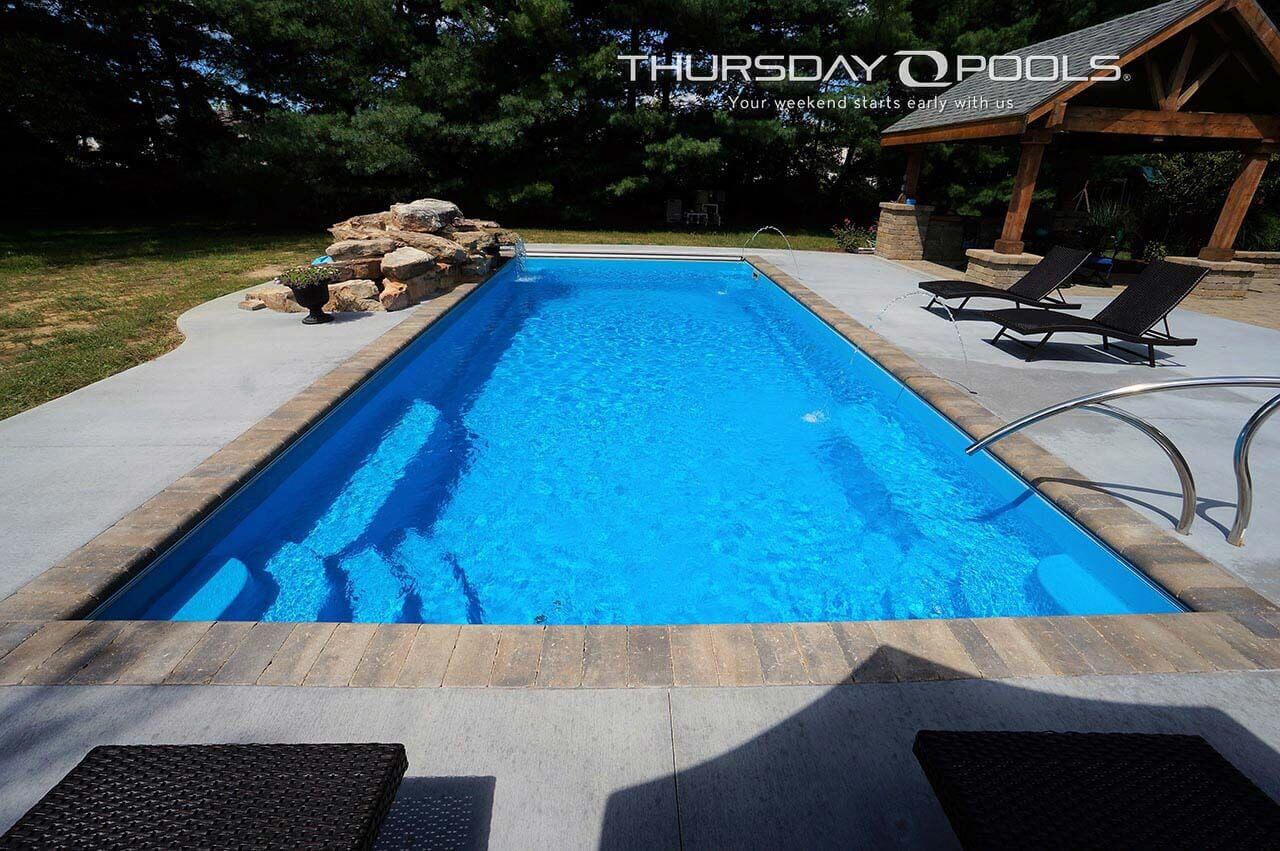
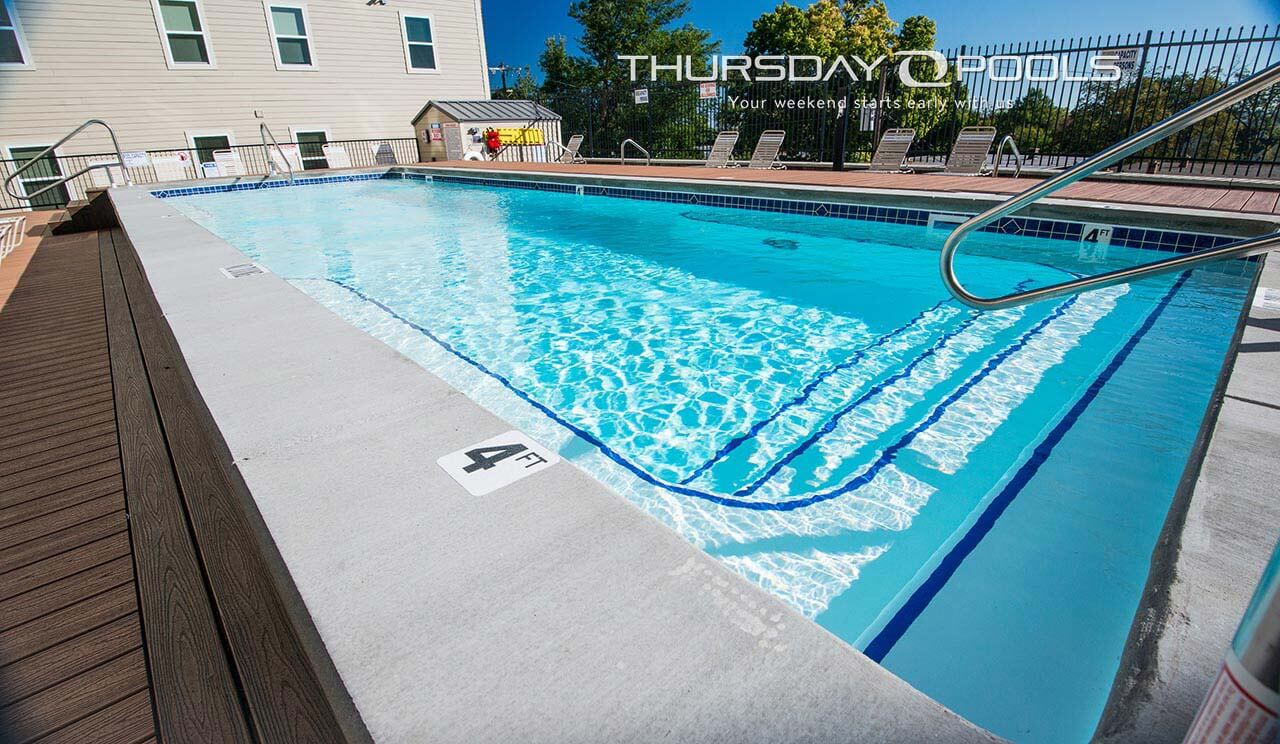
Thursday Pools Sandal Beach Entry with water featuresAs the air gets crisp, the leaves begin to fall, and stores start stocking Christmas decorations alongside Halloween candy, it’s impossible to ignore the signals that winter is just around the corner. For pool owners, this seasonal shift prompts an important question: when is the right time to start winter  pool maintenance? The answer depends largely on your local climate, whether you live in a region with harsh winters, mild winters, or something in between. Let’s dive into some essential considerations for winter pool maintenance for  fiberglass pools based on the climate where you live, helping you keep your pool in top shape as winter approaches.
Moderate Climates: Year-Round Pool Care Without Closing

In moderate climates, such as Sun Belt or coastal regions, pool owners have the luxury of keeping their pools open year-round. However, this doesn’t mean they can take a hands-off approach to winter maintenance. Even though freezing temperatures aren’t a concern, several important factors remain to consider as the weather cools.


  • Commit to Regular Maintenance: Just because you aren’t swimming as often during the winter doesn’t mean you can ignore the pool. You must still monitor and maintain your water balance even when the pool isn’t as frequently used. During the cooler months, the pool’s filter might not need as frequent backwashing as it does in the summer, but you will still need to maintain it. A dirty filter can reduce water flow, lead to cloudy water, and put undue stress on the pump.


  • Annual System Inspection: Developing a yearly maintenance checklist is an excellent idea if you don’t fully close the pool. The inspection helps catch minor issues before they become expensive repairs. Some items to include on your inspection list include checking pumps, filters, safety equipment, and pool covers.


  • Consider a Professional Service: If you’re using the pool less often, you might overlook minor issues that could develop over time. Pool owners in moderate climates may want to hire a professional maintenance service during the cooler months to ensure the pool remains in optimal condition. Hiring someone to maintain your pool can help prevent neglected problems from snowballing into costly repairs.


Semi-Cold Climates: Balancing the Risk of Delaying Pool Closure

In semi-cold climates like the southern Midwest or coastal regions flirting with freezing temperatures, pool maintenance becomes trickier. Pool owners in these areas often struggle with the decision of when to close their pools for the winter. Some years, temperatures might stay mild enough to keep the pool open longer, but delaying pool closure can be a gamble.


  • Consult a Professional: Keeping the pool open in semi-cold climates is like driving over the speed limit—you might not get caught, but you’re still taking a risk. A sudden freeze could catch you off guard, leading to cracked pipes, damaged equipment, and expensive repairs. Consult with a  local pool professional who understands the specific weather patterns in your region. They can advise on whether it’s safe to delay or if it’s time to start winterizing.


  • Protect Your Equipment: Even if you decide to keep the pool open later in the season, paying attention to your equipment is essential. Many newer pool systems come with freeze protection features, automatically turning the pump on when temperatures drop near freezing. While this feature can help during short cold snaps, it’s not a permanent solution. If your equipment doesn’t have freeze protection or if you experience prolonged freezing temperatures, the best solution is to winterize your pool completely.

Cold Climates: The Necessity of Earlier Pool Closure

Closing the pool is essential in regions with consistent freeze/thaw cycles, such as the northern U.S. If you wait too long, freezing temperatures can cause severe damage to your pool’s structure and equipment. Winterizing early and thoroughly is the best way to avoid costly repairs and ensure your pool stays in tip-top condition until spring.


  • Beat the 50-Degree Days: As temperatures drop, water inside your pool and plumbing can freeze, expand, and cause cracks in pipes, filters, and pumps. In cold climates, the general rule is to winterize the pool before temperatures consistently drop into the 50s (Fahrenheit) during the day.  Starting the closing process earlier allows plenty of time to prepare without racing against sudden drops in temperature.


  • A Thorough Closing Process: The key is a thorough closing process when preparing for winter in cold climates. It’s not just about covering the pool—it’s about balancing the water chemistry and ensuring all equipment is properly winterized. Taking the time to close the pool properly can save you from expensive repairs and a stressful opening process in the spring.


  • Plan Well for a Better Spring: Properly balancing the water before closing ensures it stays clean and clear through the winter, making spring maintenance much more manageable. You’ll spend less time cleaning and repairing and more time swimming.

Protect Your Investment, Enjoy the Holidays

Proper winter maintenance paves the way for a smooth and hassle-free spring opening. Consult your local pool professional to tailor your winter pool maintenance to your specific climate and address potential issues early. This way, you can relax and enjoy the holiday season and know that your pool is well-protected.

How to Avoid Common Pool Maintenance Mistakes

Whether you’re a new pool owner or have owned one for years, proper pool maintenance ensures your inground pool remains a sparkling oasis, extends its lifespan, and minimizes costly repairs. If you’re a fiberglass pool owner, you probably have heard that fiberglass pools are the lower maintenance option among pool types. However, lower maintenance does not mean no maintenance. The following tips can help you avoid the common mistakes people make when caring for their inground pool.

Video 1


Whether you’re a new or seasoned pool owner, proper pool maintenance ensures your inground pool remains a sparkling oasis, extends its lifespan, and minimizes costly repairs. Fiberglass pools feature the lightest regular maintenance demands among all pool types, but “low maintenance” does not mean “no maintenance.” Taking a proactive approach and following a few simple tips can help you avoid common—and costly—pool maintenance mistakes.

Tip 1: Balance Your Water with Fiberglass in Mind

Failing to monitor water chemistry appropriately is one of the most frequent and frustrating mistakes pool owners make. Your pool water may look crystal clear, but that doesn’t mean its chemistry is in proper balance. Poor water chemistry balance can silently cause scaling, chalking, and permanent damage to your fiberglass pool’s surface.

To achieve water chemistry balance, fiberglass pool owners must focus on the factors that matter most:

  • Maintain pH between 7.2 and 7.4.
  • Keep calcium hardness less than 120 ppm. If calcium hardness reaches more than 120 ppm, use a chelating stain and scale control product.
  • Chlorine should stay between 1 and 3 ppm.
  • Use a stain and scale control product consistently.

Rather than relying solely on the Langelier Saturation Index (LSI), originally intended for concrete pools, proper fiberglass pool care depends on tight control of a few core values. By carefully managing calcium levels and avoiding high pH, especially in salt pools, you’ll help preserve the beauty of your gelcoat finish for the long term.

Use a high-quality test kit for the best results, or have your water tested professionally. Just be sure to take in water samples for testing promptly—exposure to heat, or a delay with the water sitting in a car for a few hours, can alter results.

For the most information and recommendations, refer to Thursday Pools’ Fiberglass Pool Care Guide and Owner’s Manual, which outline more details, target ranges, and chemicals to avoid.

Tip 2: Backwash Regularly

Many pool owners begin each swim season backwashing filters once per week, but frequency often fades as the summer progresses. Your filter plays an essential role in the continued enjoyment of your pool. Proper backwashing can reduce pool maintenance costs in the long run and encourage a healthy pool experience.

  • Efficiency: A clean filter is more effective at trapping debris. A clogged filter cannot perform efficiently, putting more strain on your pool pump and reducing the equipment’s service lifespan.
  • Water Quality: Frequent backwashing helps maintain clear and sanitary pool water. A dirty filter can harbor bacteria and allow more contaminants to circulate through the pool.
  • Damage Prevention: Regular backwashing helps prevent issues from dirty filters or excessive pressure that can cause long-term damage to the pool’s filtration system.

A clean, efficient filtration system improves overall water quality and helps keep your pool water looking and feeling great.

Tip 3: Keep Up Your Water Level

Maintaining the water level at the midpoint of the skimmer opening allows your pool’s systems to operate correctly. The skimmer pulls debris from the pool’s surface before it sinks to the bottom of the pool, where it becomes harder to remove. If the water level is too high, the skimmer door may not work correctly, reducing its efficiency at collecting surface debris. If the water is too low, the skimmer may suck in air, which can lead to airlocks or damage the pool pump by causing it to run dry.

A proper water level also promotes balanced circulation. The pool pump must pull water through the skimmer for filtration and chemical treatment. Maintaining the correct water level helps ensure water circulates, distributes chemicals evenly, and keeps the temperature consistent.

With fiberglass pools, maintaining a proper water level is also critical to prevent structural stress. Extremely low water levels can lead to wall bulging or floating due to groundwater pressure, which is why most manufacturers’ warranties are void if owners allow the water level to drop below the skimmer.

Protect your pool’s structure by consistently checking and maintaining your water level.

Tip 4: Be Selective About the Pool Chemicals You Use

Not all pool chemicals and tools are safe for fiberglass pools. Mistakenly using the wrong products can lead to staining, discoloration, and surface damage.

Good Chemicals for Fiberglass Pools

  • pH Balancers: Keeping the pH level between 7.2 and 7.4 is crucial. To maintain this balance, use pH increasers (soda ash) or decreasers (muriatic acid or sodium bisulfate).
  • Alkalinity Increasers: Baking soda (sodium bicarbonate) can help keep total alkalinity between 80 and 120 ppm to stabilize pH levels.
  • Non-Copper Algaecides: Look for polyquat algaecides, which are a safe alternative for fiberglass pools.
  • Most Chlorine Types: Keep total chlorine at 1 to 3 ppm. When your water’s chemistry is in LSI balance, you will need less chlorine. High chlorine levels (more than 5 ppm) can damage the gelcoat finish.

Harmful Chemicals for Fiberglass Pools

  • Calcium Hypochlorite: Completely avoid calcium hypochlorite, which is a form of chlorine that contains calcium, as well as calcium increasers and other products that contain calcium.
  • High-Strength Chlorine: Avoid “shocking” the pool with high doses of chlorine, which can lead to discoloration and damage to the fiberglass surface.
  • Copper-Based Algaecides: Avoid algaecides that contain copper, as they can damage fiberglass surfaces with blue-green stains that are difficult to remove.

Good Tools for Fiberglass Pools

  • Soft-Bristle Brushes: Use soft nylon brushes to clean the pool’s sides and bottom. Fiberglass surfaces are relatively delicate, and using soft brushes will prevent scratches.
  • Manual or Automatic Cleaners: Ensure your automatic pool cleaner is suitable for fiberglass pools.

Tools to Avoid with Fiberglass Pools

  • Wire Brushes: Never use wire brushes or abrasive tools, which can scratch and damage the gelcoat finish.
  • Heavy-Duty Vacuums: Some heavy-duty vacuums designed for concrete pools can be too abrasive for fiberglass surfaces.

Above all, the most significant pool maintenance mistake is not doing the necessary pool maintenance. Consistency is critical, so be sure to develop a regular and thorough schedule to keep your pool in great shape.

Looking for more information on fiberglass pool maintenance and mistakes to avoid? Explore Thursday Pools’ Ultimate Fiberglass Pool Maintenance Guide for a thorough look at everything you need to know.

And if you’re ready for personalized advice, connect with a local independent Thursday Pools dealer near you.

Frequently Asked Questions About Avoiding Fiberglass Pool Maintenance Mistakes

  1. How often should I test my fiberglass pool water?

Test at least once a week during swim season, and more often if your pool sees heavy use or weather shifts. In the off-season, monthly checks help prevent chemistry surprises. Consistent testing and chemical adjustments helps prevent “invisible” damage like chalki


  1. What happens if I let my fiberglass pool water level get too low?

Low water levels can cause air to enter the skimmer, damage the pump, and even stress the pool structure. Always keep the water halfway up the skimmer opening to protect your pool.

  1. Can I use the same chemicals in a fiberglass pool that I would use in a concrete pool?

Not always. Avoid calcium-based chlorine (like cal-hypo), calcium increasers, and copper-based algaecides. These can cause staining or surface damage in fiberglass pools. Instead, use liquid chlorine, non-copper algaecides, and fiberglass-safe balancers.

  1. How often should I backwash my pool filter?

Backwash when your filter’s pressure gauge reads 8–10 psi higher than its clean baseline, which is often about once per week during heavy use. Regular backwashing keeps your system efficient, your water clear, and your pump from unnecessary strain.

  1. What cleaning tools are safe for fiberglass pools?

Use soft nylon brushes, microfiber cloths, and pool cleaners designed for fiberglass. Avoid wire brushes, stiff bristles, or heavy-duty vacuums that can scratch or damage the gelcoat surface.

How To Choose the Best Pool Maintenance Professional

pool maintenance professionalThe greatest joys of owning a swimming pool include the hours of relaxation and swimming in crystal clear water. Proper water chemistry, regular cleaning and systems maintenance for your inground fiberglass pool is essential to keep your pool systems running smoothly and ensure a lifetime of worry-free pool enjoyment. It’s important to find a good pool maintenance professional near you who you can trust to assist you in keeping your pool in tip-top shape so you can sit back and enjoy your investment. They’ll also be your expert guide when it’s time to close your pool for the season. To ensure you’ve got the best person for the job, here’s a list of things to do as you’re searching for and evaluating pool maintenance pros in your area.
 

  1. Ask for recommendations. Ask your local pool installer and any friends or neighbors who have a swimming pool who they use for their swimming pool maintenance and what their experience has been. If your pool installer also happens to offer maintenance and annual opening and closing service, that’s a great place to start. Since they’re the ones most familiar with your pool, they’re the best qualified to service it.
  2. Do your research. Whether you’re hiring a general contractor, an attorney or a pool maintenance pro, it’s important to check references and reviews. Check out their Facebook pages as well as their reviews on Google and Yelp. Look for a quantity of ratings and an average score of at least 4 out of 5.
  3. Check out their website. Ask questions about their pricing and make sure you understand everything that’s included in their service packages. Does their opening and closing service include inspections of your pool’s systems? Do they have a service contract that might save you money over time?
  4. Weigh their experience. How long has their company been in business? Your inground swimming pool was a big investment–you want to entrust its care to someone who’s seen all the potential issues that might arise in terms of water balance, system troubleshooting and equipment repair and replacement. Most pool maintenance pros make more than 60 pool visits per week, so they’ve seen it all.
  5. Don’t take chances. Proper maintenance of your pool’s water chemistry and systems is essential to keep your pool in optimal condition for years to come. Don’t take a chance on a brand new company, or entrust your pool’s maintenance to someone who does it part-time or as an add-on service with other outdoor services unless you have gotten glowing references for them. If their pricing sounds too good to be true, it probably is.


pool maintenance professionalProper care of your pool, including weekly skimming, vacuuming, chemical adjustment and filter cleaning is essential to extend the life of your pool and will help you save operating costs over time. Weekly service from a pool maintenance pro is nice to have, but it isn’t enough to ensure correct water chemistry– that needs to be monitored more than just once a week. Every pool owner should know how to check their pool’s water chemistry and do it a couple of times during the week to make sure their pool maintenance pro is on track. Pool service companies sometimes over-chlorinate pools (to above 3 ppm) to be on the safe side, but over-chlorination is just as bad as under-chlorination, so pool owners should take the lead on monitoring water balance to ensure their water is healthy and safe for their families.

Your attention to your pool’s care, along with the services of an inground fiberglass pool maintenance pro will give you the peace of mind that you’ll be able to enjoy your pool for years to come. If you don’t currently have an inground fiberglass pool but are thinking of getting one, it might be time to stop dreaming and start swimming.

How Do I Start Preparing to Close My Inground Fiberglass Pool?

When temperatures consistently fall below 65 degrees, it’s time to host the final pool parties of the season and start preparing to close your fiberglass pool. Preparing adequately for closing ensures a smooth transition into winter and a more effortless spring opening. To put your best foot forward, observe the following  pool maintenance tasks to check off your list before winter.

Schedule Your Closing Date

Timing is crucial when it comes to pool closing. Contact your pool service company early to schedule a closing date. Taking a proactive approach to saving the date will help ensure you secure a spot before the busy closing season begins. Consider scheduling based on your climate and coordinate the date with other seasonal tasks to maximize efficiency. In colder climates, close the pool consistently before temperatures drop below freezing, typically between late September and mid-October. You may push closing to late October or early November in milder climates. If you live in an area with lots of falling leaves, you might want to close the pool earlier or use a cover to prevent debris buildup.

Properly balanced water will reduce the likelihood of algae growth and ensure cleaner water when you reopen the pool next year. Fiberglass pools are more algae-resistant than other types, thanks to their non-porous, smooth surface, which makes it harder for algae to attach and grow. However, if conditions are favorable, algae can still develop over winter, even in fiberglass pools. A stain and scale preventative product should also be added to protect the fiberglass surface during the off-season. When preparing for winterization:

  • Adjust the pH to a level between 7.2 and 7.4.
  • Adjust the alkalinity to 80 to 120 ppm.
  • Adjust the calcium hardness to below 120 ppm.
  • Add an algaecide according to product instructions.
  • Add stain and scale remover per product instructions.

Pool supply stores offer winterization kits that often include everything you need, including algaecide and stain and scale preventatives. However, many pool owners enlist the help of a professional service to test their chemistry, adjust the water’s chemical levels, and complete other winter pool maintenance tasks.

Gather Your Equipment

Take the time to inspect all necessary winterization equipment, including winter plugs, skimmers, and maintenance tools. For easy access, items should be stored in one location, such as a garage or shed, to minimize time spent searching for tools. It’s also a great time to inspect all the equipment you’ll use upon opening your pool in the spring. If anything needs repair or replacing, handle it before closing so it won’t hinder your ability to enjoy your pool when the swim season comes around again.

Clean the Pool Thoroughly

Before closing your pool, it’s important to clean it thoroughly. Vacuum the pool to remove dirt and debris, scrub the water line, and backwash the filter (or remove and clean the cartridge filter if you have one). A clean pool is vital for closing as it will help you and the professionals enjoy a smoother closing process. It will also ensure the water is cleaner when you open next season.

Invest in a Quality Pool Cover

A reliable winter pool cover will help maintain the integrity of your pool during the off-season. Some pool cover options include:

  • Solid Vinyl Covers with a Pump System: These covers are popular for winterizing because they are highly effective at blocking sunlight and preventing algae growth. They keep out debris and water. Look for covers with a built-in pump system to remove accumulated water on top.
  • Mesh Safety Covers: Mesh safety covers are durable and allow rainwater and melted snow to drain through, which can be convenient. However, they let some sunlight through, so they’re not ideal in areas prone to algae. If you choose a mesh cover, opt for one with tightly woven mesh to limit light exposure as much as possible.
  • Hybrid Covers: These combine the benefits of solid and mesh covers, providing more durability and sunlight blocking while allowing water to drain. They can be an excellent compromise for easy maintenance while reducing algae risk.
  • Winter Covers with Air Pillows (for Freezing Climates): Air pillows placed under a solid or hybrid cover help prevent ice from damaging the pool walls by relieving pressure from expanding ice. This combination is especially beneficial if you live in a colder climate with freezing winters.
  • Automatic Pool Covers: Automatic pool covers are durable, secure, and easy to use, providing a tight seal that keeps out sunlight and debris. They provide convenient year-round protection, are more expensive, and require a power source. However, they make checking your water levels and chemistry easier during the winter months and provide nearly instant safety in any season.

Store Pool Accessories Properly

Gather and clean all pool toys, floats, and accessories as you prepare to close. Deflate rafts and thoroughly wash them before storing them in a dry location, such as a garage or pool house. Additionally, according to manufacturer or pool professional advice, protect your diving board, slide, handrails, and ladders. For unremovable items, consider applying a protective wax for winter storage.

Safely Store Chemicals

Store any unused pool chemicals securely and safely to prevent accidents. It’s important to ensure that all chemical containers are tightly sealed to avoid leaks and spills. Store these containers in a well-ventilated area, away from heat sources such as furnaces or direct sunlight, as excessive heat can compromise the integrity of the chemicals. Additionally, store different types of chemicals separately. For instance, keep chlorine and shock treatments away from acids to prevent dangerous reactions. Consider organizing your chemicals by categorizing them, labeling each container clearly, and maintaining an inventory to track what you have. This organized approach enhances safety and makes it easier to find the chemicals.

Cherish the Days

As you prepare to tuck your pool away for winter, take a moment to look back on the memories you made this season. From lazy afternoons and lively pool parties to quiet swims at sunset, every splash holds a story worth sharing. Why not revisit the photos and videos you’ve captured, reliving those sun-soaked days. Let the anticipation of next season build, knowing that your winterizing preparations set the stage for more unforgettable poolside moments when warmer days return.