Inquiring Minds Want to Know: How Do You Make a Fiberglass Pool?

How It's Made eBook

Have you ever watched that show “How It’s Made?” It’s pretty easy to get drawn in. If you’re a naturally curious person, you could get completely geeked out watching them explain how things are made–especially things you’ve never given much thought to the inner workings of–like baseballs, aluminum foil, shoelaces, and those cute little paper umbrellas you get in your pina colada.

Well, if you’ve ever seen a giant fiberglass pool shell riding down the road on a trailer, you might have stopped to wonder, “how in the world did they make that?” The process of making fiberglass is cool enough but when you see how it’s transformed into a beautifully finished inground fiberglass pool, it’s even cooler.

Fiberglass is literally fibers of glass, spun fine enough to be molded into many forms. Your first thoughts of fiberglass may conjure up giant bubblegum pink rolls of insulation, but it takes many more forms than that. You’ll find fiberglass in your car, your home, and all over the world around you. Fiberglass is a key component in airplanes, wind turbines, medical equipment, and electronics. And if you’re in the market for a new inground swimming pool, you’d be really happy to find it in your own backyard.

The process for creating an inground fiberglass pool is fascinating. They’re constructed by hand, by craftsmen who are very skilled at their trade. The best quality fiberglass pools are made up of numerous layers of resin, chopped fiberglass, and hand-laid woven roving fiberglass for the greatest strength and durability, and the flexibility of fiberglass allows for a great variety of styles, shapes, sizes, and finish colors.  

So if you’re thinking about creating your own private backyard oasis this year and would like to know more about fiberglass pools, take a look at this awesome and informative guide that will tell you exactly how a fiberglass pool is made. (But if you do get a pool and want to try and make your own paper umbrellas to go in your poolside drinks, you’ll have to watch the show to see how those are made– we’ve got absolutely no idea.)
Enjoy the Health Benefits of Swimming in the New Year

New Year’s Eve is almost here. For many of us, that means getting dressed up, celebrating with friends, and staying up way past our usual bedtime to properly greet the New Year. It’s also a time for us to stop and assess how our year has gone; what we’ve accomplished and what our hopes, goals and dreams are for the year to come.

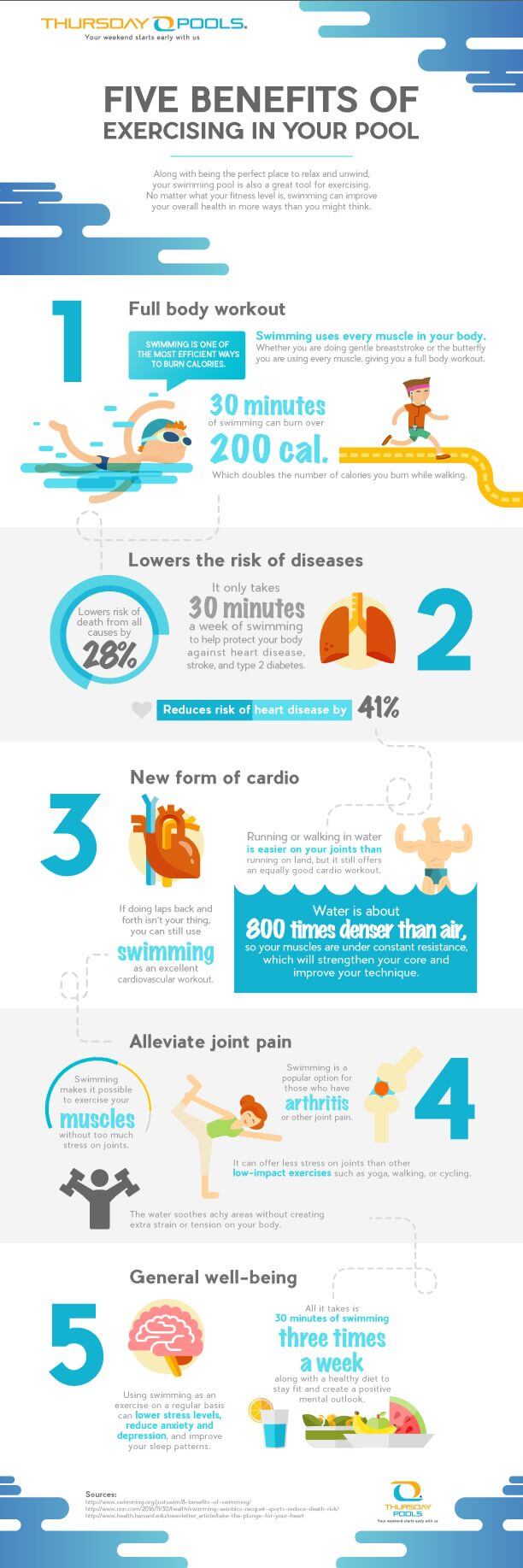
5 Benefits of Exercising In Your PoolThis inevitably brings up the topic of New Year’s Resolutions.

Resolutions come in many shapes and sizes. And, in fact, for many of us, the resolution itself is to change our own shapes and sizes. If getting more fit and feeling more healthy in the New Year is on your list, here are the health benefits of swimming to get you there.

  1. If exercises such as jogging are too jarring for you, swimming is a great way to get the health benefit of getting your heart pumping without the high impact stress of pounding the pavement.
  2. Swimming tones your muscles and builds strength. It provides a full body workout.
  3. In addition to increasing your overall strength, swimming can improve your coordination, balance and posture.
  4. There’s no better exercise to improve cardiovascular health. Swimming just 30 minutes a day will result in lower resting heart rates and lower blood pressure.
  5. Swimming is a very peaceful activity, so it’s great for stress reduction. Much like practicing yoga, there’s not much else to think about other than the motions you’re moving through, so it’s a great way to calm and clear your mind.

Measuring the success of your New Year’s health resolutions is not always as simple as seeing the numbers on the scale go down by ten pounds. (In fact, this is often the least effective way to measure success, because those numbers don’t tell the full picture of your overall health and well-being.) It’s really more a question of how you feel.

Feeling more energetic, fit and happy in the New Year is an achievable goal for all of us. For many of us, it’s simply a case of prioritizing our own health and making time to take the actions that will get us there. 

If you’d rather swim in the comfort of your own backyard, it’s not too late to tell Santa that you want an in-ground fiberglass pool for Christmas! That way, the entire family can be enjoying the health benefits of swimming by the time spring rolls around. To learn more about how easy it can be to own an in-ground fiberglass pool and start enjoying the health benefits of swimming by spring, click here.

What’s So Great About a Fiberglass Pool?

fiberglass pool advantages

Fiberglass Pool Advantages & Benefits

When you’re thinking of buying a pool, there’s a lot to consider. The first thing you’ll have to decide is whether you want fiberglass, concrete or vinyl. Personally, we believe that fiberglass is the way to go and that there are many fiberglass pool advantages. What’s so great about a fiberglass pool? Read on to learn!  

  1. That Gel Coat Finish. Why is it so great? First of all, it’s nonporous, and what that means to you is that it’s harder for algae to grow, which reduces the amount of sanitizing chemicals you’ll need (said another way, it saves you money!) The gel coat is also smooth to the touch– no scraping your little tootsies on a rough pool bottom. And because the gel coat finish is so durable, your furry kids can also get in the swim without you having to worry about damage.
  2. Built-in Seats, Steps and Tanning Ledges. Unless you’re planning on training for the Olympics, you’ll probably want to do more than just swim in your new pool. Fiberglass pools have wonderful built-in benches for sitting and chatting, tanning ledges and sun shelves for keeping cool while you’re soaking up some rays, and easy to navigate steps for graceful entrances and exits from the pool– those backwards ladders aren’t doing anyone any favors, and not everyone has the upper body strength to hoist themselves over the edge– we sure don’t!
  3. One-time Investment. With vinyl liners, you’re always going to worry about ripping the liner. With concrete, you have to worry about cracks, crumbling and resurfacing. With fiberglass, it’s one and done! You won’t have to worry about replacing a liner that the kids (or the dog!) has ripped and you also won’t have to repair concrete that cracked over the long, cold winter. With all types of pools, the life expectancy of your pool’s surface is greatly determined by how well you maintain proper water balance. Harsh water conditions can affect all pool surfaces and equipment.
  4. Quick Installation. Fiberglass pools arrive at your door ready to install. They’ve been built in a shiny clean manufacturing facility and they’re made just for you, to your specifications. Your pool installers can just drop them in and get you swimming much faster than building a concrete pool, which can take up to six months to build.
  5. Beautiful shapes, sizes and colors. Fiberglass pools come in an amazing array of shapes and sizes, so you can get as creative as you want to be when it comes to creating your perfect backyard oasis, and get just the right features for the way your family wants to use the pool. They also come in several different finish colors, so whether you want a Caribbean blue, calming green or sophisticated gray, there’s a color to fit your style.

With so many advantages to owning a fiberglass pool and so many options to choose from, the question becomes– what are you waiting for? Check out our fabulous selection of fiberglass pool designs today and get swimming by the Spring!

Get Outside After Your Thanksgiving Dinner!

Get Outside After Thanksgiving Dinner

We’ve all experienced that post-turkey dinner food coma, and for years we’ve been told that “tryptophan” is to blame. We could take comfort in the fact that all we wanted to do was nap on Thanksgiving, because our turkey had, in essence, slipped us a sleeping pill. Well, we’re sorry to have to tell you this, but apparently that’s an old wive’s tale. Tryptophan is found in many common foods, including cheese, chicken, beef and eggs. So much for our napping excuse. (We KNOW our need to sleep doesn’t have anything to do with the three servings of mashed potatoes, stuffing and pumpkin pie we had, right?)  So if we don’t have a good excuse to nap, what should we do? Get outside after Thanksgiving dinner, that’s what! 

family time outsideThere’s nothing like a brisk jaunt around the neighborhood to shake off the after-dinner fog. Haul everyone off the couch and toss a football around in the backyard. Get the kids to play a game of freeze tag or throw a frisbee for the pup. (Or, if you have a pool, have an after-dinner swim!) It’s essential that you burn off some calories so that you can have enough energy to dive into the leftovers and make a turkey sandwich later that night. Aunt Sally’s green bean casserole is always better after it’s had a chance to sit, and that pie’s not going to eat itself, now is it?


Benefits of Owning a Spa

No one can doubt that a spa can add an extra relaxation element to your backyard. Spas are popular choices among most people. They make for the perfect place to relax, as well as a perfect place to host friends and family. There are more advantages of owning a spa than just having a place to relax. As relaxing as spas are, other benefits help improve overall physical and mental health.

Improved sleeping habits

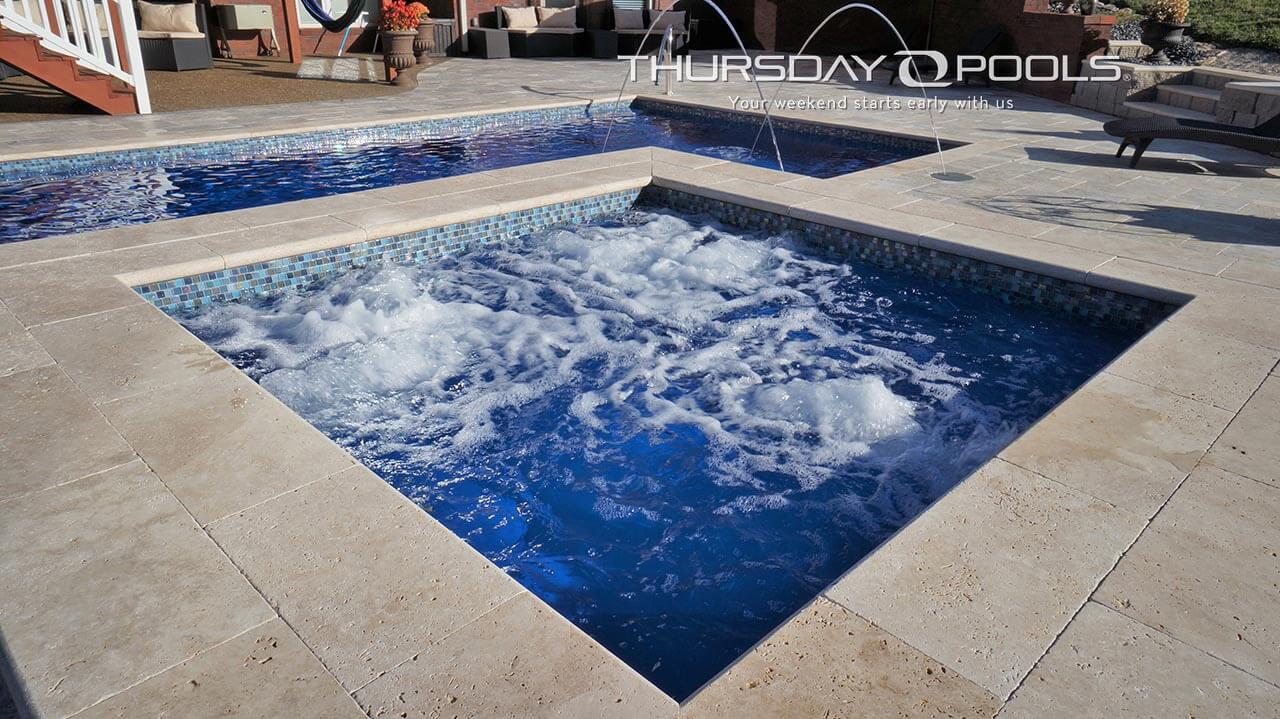
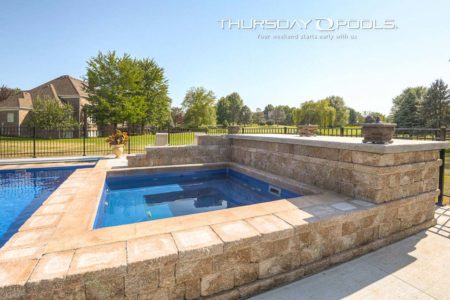
Thursday Pool SpaThere are many studies out there that suggest that soaking in hot water before going to bed at night can help you fall asleep and have a more relaxed sleep. Getting into the hot pool spa before bed helps regulate your body temperature to a comfortably warm level that helps you fall asleep quicker and sleep through the night with fewer disruptions. Good sleep improves everything from your mental alertness, stronger immune system, rejuvenated muscles and even the way your body metabolizes food.
Pain relief

While soaking in a hot spa may not cure any pain disorders you may experience, it can significantly alleviate chronic pain and provide relief. Heat can reduce the symptoms and alleviate pain associated with many different conditions. Muscle inflammation, arthritis, and general joint pain are some of the health conditions that can be reduced significantly by a warm soak in some hot water.

Lower blood pressure

While sitting in a hot spa, the elevated water temperature makes your heart works slightly harder and faster to get your body to disperse the excess heat. This does raise your blood pressure, but as the hot water raises your body’s temperature, that warmth causes cells and vessels to dilate which decreases the resistance to your heart. The decreasing of resistance to your heart improves your body’s circulation, and ultimately lowering your blood pressure.

Stress relief

Thursday Pool Spa

It is an obvious benefit, but soaking in a hot spa can be very beneficial to your health. Stress can cause a lot of problems in your life and with your health. Stress tends to increase a blood pressure and inhibit proper circulation. Soaking in hot water can counteract stress as the perfect combination of hot water, massaging from the spa jets, and the feel of being weightless in the water helps you relax and decrease anxiety.

There is no doubt in our mind that you will not regret purchasing a spa for your backyard. Depending on where you live, you can’t always use your swimming pool all year, but with a hot spa, you can enjoy it no matter what the season is. Take a look at a few spas that we have to offer, and we will help you choose one for you!

How Do I Know If I Have A Groundwater Issue?

Groundwater is virtually everywhere. It lies below the earth’s surface in the cracks and spaces of soil, rock, clay, and sand. In some areas, it may be closer to the surface than in others. The upper level of which the ground saturates with water is known as the water table. Often homeowners know they have a ground water issue when they have a high-water table. Their yard may remain soft and wet for many days after rain. Your water table does vary over time and is generally at its highest later winter/ early spring. Even if you do not have a high-water table, you still need to be aware that ground water exists and can have damaging effects on your fiberglass pool if it is not accounted for properly.  

Here are some ways you and your pool builder can prevent and reduce the risk of groundwater issues:

Install a well pit or sump pit. A well pit or sump pit is usually an 8”-10” corrugated pipe that runs from the top of the deck to 1’ below the deepest depth of an inground swimming pool.  The well pit allows you the ability to visually see when groundwater is present and when necessary to be able to drop a pump to pump the groundwater away from the pool.  

Install a perimeter drain. Install a perimeter drain around the base of the excavated pool area. A perimeter drain will provide the water an easy path to the well pit.

Maintain proper water level. Most groundwater damage to inground pools happens when a pool is empty, or the water level is low. This provides an easy opportunity for the groundwater pressure outside the pool to exceed the internal pressure of the pool.

Reroute downspouts. Ensure that downspouts are rerouted out and around the pool.

Regardless of whether or not you believe you have a groundwater issue, these simple steps can drastically reduce the risk of groundwater issues associated with inground pools. Talk to your pool builder about including them as part of your inground pool project.

Mosquito Repellent Plants for Your Backyard

There’s no doubt about it; mosquitoes can ruin everyone’s time around the swimming pool. We all do what we can to keep them away at all times because we all know that they are annoying to have around. You can rely on chemical treatments to keep them away, but that requires planning and researching. Chemical treatments require professionals and the pesticides can contaminate your pool water making it difficult to keep your water chemistry balanced. To avoid all of this, we suggest including mosquito repellent plants in your landscaping. There are a couple of plants that you can trust will act as insect control and be an eco-friendly solution for being a mosquito repellent for swimming pools. The mosquito-fighting plants that you have to choose from are well-known and easy to maintain in your backyard.

Citronella

mosquito repellent for swimming pools

Citronella fills the air with a strong and citrusy smell that works to keep all kinds of insects away. Typically, citronella is an active ingredient in pesticides, repellant candles, and wearable repellant devices. The powerful odor from the citronella hides the scent of the plants and people that usually attracts bugs. The plant grows well in full or partial sunlight and can be grown in decorative pots. So, you have a couple of options for how and where you want this plant in your backyard.

mosquito repellent for swimming pools

Lavender

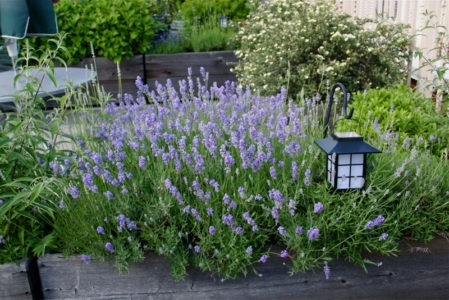
You might be using lavender to soothe and relax you. But you can also use the plant to keep the flying insects away. The fragrance of the plants hinders insects and small animals ability to smell, and that’s why it works to keep mosquitoes away from your yard. Lavender is a tough and durable plant that only requires full sun and good soil drainage.

Marigolds

mosquito repellent for swimming poolsMarigolds are annual flowers that are easy to grow. These flowers emit a smell that deters all insects, including mosquitoes. Marigolds are a popular addition to borders of your backyard and to add to your vegetable gardens. You can also grow them in pots and place them anywhere around your patio so they can do their job anywhere in your backyard. No matter where you choose to plant them, marigolds will do their job and keep mosquitoes away from your pool parties
These plants can help be a mosquito repellent for swimming pools so that you can enjoy the rest of your summer pesk-free. Looking for other plants to include in your landscape that will look great with these mosquito repellent plants? Check out our past blog for the best types of plants to surround your swimming pool.

Should I Buy A Cover For My Pool?

Pool covers are common in areas where pools have an “off-season” or when they close during the winter months. If you expect to winterize your pool for some time, we recommended that you buy a pool cover. Keeping your pool covered Inground Poolduring winter months will protect your pool and make getting your pool ready for use easier. If a pool is left uncovered, the leaves and debris will not only be a hassle to remove in the springtime but will break down over the winter months and cause havoc on water chemistry and possible staining.
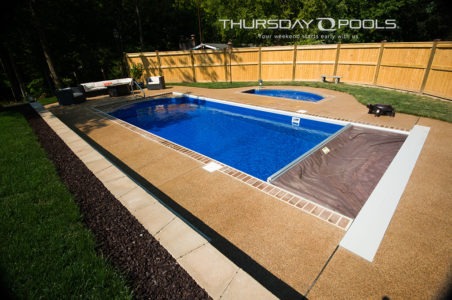
There are three basic types of pool covers: tarp covers, safety covers (both solid and mesh) and automatic safety covers. Tarp covers are tarps that are made to fit over your pool and rest on top of the water. They are secured by being weighted down. Often, they are weighted down with water tubes (vinyl bags filled with water).

Safety covers are available in mesh and solid. Safety covers are anchored to the perimeter of the pool deck using grommets and steel springs. These are made to suspend freely and fit snugly over the pool. Mesh safety covers allow water to filter through the cover into the pool. The solid safety covers do not. Any pool cover that holds water must be accompanied with a cover pump. Cover pumps continually keep the water pumped off the top of the pool cover.

fiberglass pool covers
Automatic safety covers are built into a set of tracks that run the length of the pool and when closed rests on top of the pool water. An automatic safety cover provides all the benefits of a safety cover in 60 seconds or less. Not only are they perfect for the wintertime, but they will protect your pool on a regular basis.

Pool covers that meet ASTM safety cover standards are considered safety covers as well. When installed and used correctly, safety covers prevent children from accessing the pool water. Pool safety covers can be seen as one layer of protection. Thursday Pools supports the idea of providing multiple layers of protection to prevent drownings in pools or hot tubs. You should never rely on only one means of protection, and there is no replacement for constant adult supervision. 

Our Thursday Pools fiberglass pools will fit with any type of pool cover. Find all our fiberglass pool designs here!

Style Your Backyard!

How to Improve Your Backyard Style

You’re spending most of your time dreaming about opening up your swimming pool this summer, aren’t you? We know you are ready to open your pool for the season. But is your space and environment surrounding your swimming pool ready? Your backyard style can make a big difference in your backyard pool parties.

Now is when you should be taking the time to decide on how you want to style your backyard. We know it’s hard to decide on a design for your backyard style. We want to help you think about all the ways you can achieve any style in your backyard.

Thursday Pools Aspen with Spa

In our guide, we cover four different styles; caribbean, modern, rustic cottage, and whimsical. In each style, we cover how small touches work together to achieve the style.

For a caribbean style backyard, we explain how details like plants and the furniture can turn your backyard into a beach paradise. In a more modern style backyard, we advise paying close attention to the color scheme and accent details to complete a more clean and polished look. A rustic cottage look can be reached by creating cozy outdoor living spaces with vintage looking furniture. Achieve the whimsical style with unique and different pieces of furniture and lighting that create a soft look in your backyard.

No matter what style you are going for in you backyard, our Style Your Backyard Paradise Guide can help get you started. Be creative and don’t be afraid to try something different in your backyard this summer. Make sure to follow our Pinterest page for more style inspiration.

Saltwater Pool vs. Chlorine Water Pool

Choosing how to sanitize your inground swimming pool can be confusing when you are comparing a saltwater pool vs. a chlorine water pool. Overall, salt water pools and traditional chlorine pools are very similar. The differences lie in the method of adding chlorine to the pool. Salt systems use the dissolved salt in the pool water and a process called electrolysis. The dissolved salt passes through the salt cell to produce chlorine. Traditional chlorine pools use chlorine tablets or pucks that are made to dissolve as water passes over them.

Pros of Salt Water Pools-The Benefits of Owning a Saltwater Pool
  • Convenience. Pool owners don’t have to handle or store chlorine. With traditional chlorine options, you have to add chlorine granules, tablets, or pucks manually.
  • Reduces the amount of chlorine needed to maintain a properly sanitized pool. Salt systems work as both a sanitizer and an oxidizer. Traditional chlorine pools will require a weekly or bi-weekly oxidizing shock.
  • The pool water feels noticeably better on the skin and eyes. The chlorine water that the unit produces is very pure and does not have any irritating chloramines, unlike traditional chlorine pools.

Cons of Salt Pools-The Disadvantage of Owning a Saltwater Pool

  • Salt is naturally corrosive. It’s corrosive nature can cause premature aging on metal parts and equipment and can be harsh on the natural stone decking. We would recommend adding a sacrificial anode to the pool. For instance, an easy example would be adding a zinc ball to your skimmer basket. The sacrificial anode like the zinc ball is a weaker metal. It will sacrifice itself and corrode before all other metals in the water.
  • Salt systems inherently drive up the pH levels. We recommended incorporating a system that automatically detects pH levels and introduces acid as needed.
  • Salt systems can cause calcium build-up. Properly maintaining your pH and Total Alkalinity levels will help prevent calcium buildup.  
  • Costly start-up costs. While you will save money on chlorine over the life of the pool, the initial unit cost of a salt system can range anywhere from $1,500-$2,200 or more, depending on the system and size of the pool. The cell inside your salt generator should last an average of three to five years depending on how well you maintain it. The replacement cost of the cell ranges $500-$800.

While there are some definite benefits to a salt pool, they do not equate to a no maintenance pool.  Salt pools still need to have their water tested at least once a week and adjusted accordingly to ensure all chemical levels are within proper range.