How Much Does an Inground Pool Cost in 2026?

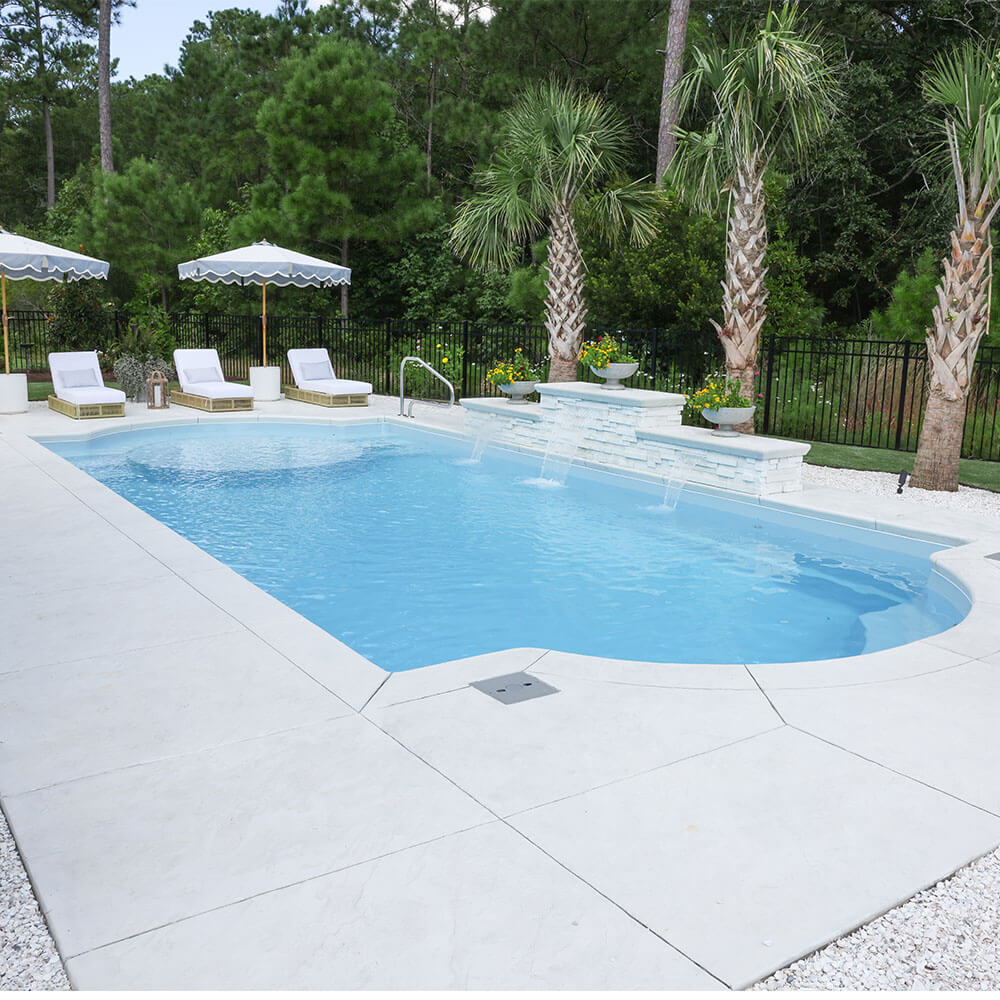
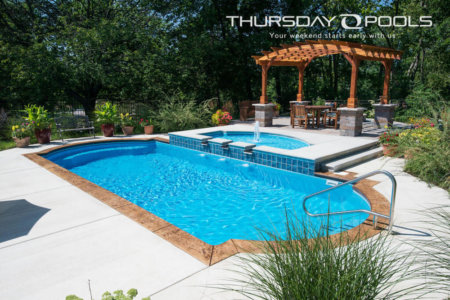
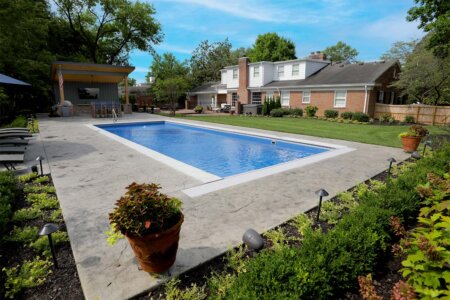
Aspen 16x40 in MayaFor many homeowners, adding a pool creates a lasting space for connection, recreation, and relaxation. But costs are shifting with the economy, labor market, and materials. Whether you know what type of inground pool you want or are still researching pool types and materials and building a budget, final inground pool costs in 2026 will depend on the size and shape you choose, location and site conditions, the extra add-ons you want, and even what’s happening in the broader economy. 


2026 Inground Pool Costs by Pool Type

Homeowners’ final inground pool price tags can vary wildly based on location across the country, pool type, and design decisions. Most 2026 inground pool projects include standard installation services, but do not account for additional premium features, lavish landscaping, or a luxurious outdoor living space around the pool.


Vinyl liner pools feature moderate installation pricing ranging from $35,000 to $80,000. Don’t forget liner replacements every 5 to 15 years, costing between $3,000 and $7,500.


Concrete (gunite) pools are highly customizable, but the most expensive to install and maintain. A 2026 concrete inground pool installation can cost from $50,000 to $120,000 or more, and will need $300 to $1,000 acid wash treatments every 3 to 5 years, as well as $8,000 to $10,000 resurfacing every 10 to 15 years.


Fiberglass pools are our specialty, and Thursday Pools can offer unique insight into 2026 fiberglass pool costs through a recent survey of our independent dealer network. 


  • Small fiberglass pools (less than 26 feet long or 400 square feet) average approximately $74,000.


  • Medium fiberglass pools (between 27 and 34 feet long or 400 to 600 square feet) average around $109,000.


  • Large fiberglass pools (35 feet and longer or more than 600 square feet) average near $113,000.


Economic Forces Influencing 2026 Pool Costs

Your location, pool type, and pool size are among the most impactful factors for 2026 inground pool costs, but other macroeconomic currents will also influence prices.


1. Construction Spending and Tariff Pressures

Tariffs on materials like lumber, steel, and aluminum will continue to push up 2026 construction costs. Fiberglass inground pools don’t rely on wood and metal as much as other pool types, but rising costs in areas such as labor, excavation, and concrete work can ripple into all projects and budgets.


2. Tight Construction Labor Market

A 2025 Associated Builders and Contractors model estimates the construction industry needs 439,000 net new workers before the end of the year to meet anticipated demand—and then another 499,000 new workers in 2026. A gap in construction labor supply and demand inflates wages, stretches schedules, and can drive up inground pool installation bids. 


3. Inflation and Interest Rate Outlook

The Kiplinger Special Report on business costs for 2026 expects the Federal Reserve to cut interest rates by 2% by the end of the year, with inflation easing toward 3% and economic growth remaining modest. A softer cost of capital could lower financing costs for inground pool builds, while slower inflation may relieve pressure on materials and labor costs. Lower rates typically reduce contractors’ borrowing costs, which can help keep inground pool installation quotes in check.


Variables Shaping Your 2026 Inground Pool Budget

Even with overall estimates for inground pool installations handy, some details can significantly shift your 2026 inground pool investment.


Permits

Local license fees vary wildly and depend on your city, county, or neighborhood’s regulations and approval processes. Your local pool builder should be familiar with the area’s ordinances and municipalities’ inspection requirements. Permits can cost from $100 to $1,000 or more. Ask your pool dealer who is responsible for acquiring the necessary permits, and whether or not they are part of your installation costs. 


Excavation

Every inground pool needs a hole in the ground, but soil type, accessibility, and sloping yards can change digging complexities and cost. Excavation for a 2026 inground pool dig averages from $1,000 to $5,000. Softer loam soil with a balance of sand, silt, and clay is easiest to excavate, while challenging conditions, such as rocky soil or uneven terrain, could add costs from a few hundred to several thousand dollars to address. Ask your dealer whether their excavation costs also include hauling away dirt.


Fencing

Safety comes first, and many state or local municipalities have codes requiring 4- or 5-foot barrier fencing surrounding new 2026 inground pool builds. Depending on the quality and aesthetics of the fence’s material, homeowners should budget to spend between $10 and $45 per linear foot. For a typical 200- to 300-foot fence, that’s an average total cost between $2,000 and $13,500.


Electrical Work

Reliable electricity is essential for your inground pool’s pump, filter, lights, and other critical equipment or decorative touches. The average cost to hire an electrician for larger projects like an inground pool installation is between $2,000 and $10,000. Your local pool dealer may offer electrical wiring and installation work as part of their standard installation package—either way, we recommend budgeting for at least $3,000 to $5,000 at minimum in electrical work.


Pool Cover

Temporary inground pool covers cost much less than automatic safety covers, which come at a higher price but also enhance convenience and peace of mind. 

  • Winter covers can be inconvenient and cumbersome when closing your inground pool for the season, but they are a relatively inexpensive option with an average cost between $75 and $250.
  • Manual retractable pool covers install a reel with a mechanical roller to cover and uncover the pool quickly, and have an average cost range of $1,500 to $6,000.
  • Automatic pool covers are the most convenient option to open or close your inground pool at the touch of a button. A motor moves the retractable cover along a hidden track system under the pool decking, with installations averaging $8,000 to $20,000.


Pool Heater

Depending on where you live, a pool heater may be an essential inclusion or a luxurious add-on to lengthen your swimming season into cooler evenings and early spring or late fall weather. An electric resistance, natural gas, or propane inground pool heater can cost between $1,200 and $6,000 to install. Solar pool heaters and energy-efficient heat pumps average from $2,000 to $6,500, but feature lower monthly operating costs.


Patio, Decking, and Landscaping

Your inground pool may be the main draw, but the entire outdoor design should reflect your lifestyle and fit your vision. Paving, plantings, hardscape features, and other outdoor living space elements can boost enjoyment—but also your budget. Pool builders often include 3 feet of concrete decking around the pool perimeter, but lavish landscaping, a custom patio, and an outdoor living space with a fire pit or outdoor kitchen are typically additional expenses. Depending on the material—from poured or stamped concrete to brick, pavers, or natural stone—a 20-foot by 20-foot patio can average between $2,000 and $14,000.


FAQs: Saving Money on Your 2026 Inground Pool

Q: How can I keep pool costs manageable without sacrificing quality?
A: Prioritize must-haves first—like pool size, safety features, and basic decking. Extras such as water features or outdoor kitchens can always be added later once the core installation is complete.

Q: Are energy-efficient pool upgrades really worth it?
A: Yes. Variable-speed pumps, LED lighting, and heat pumps may cost more upfront, but they significantly reduce monthly operating expenses and typically pay for themselves over time.

Q: How can I avoid expensive repairs down the road?
A: Plan for maintenance from the start. A good pool cover, routine cleaning, and keeping water chemistry within ranges will protect your pool’s structure and equipment, saving money on repairs.


Planning for Your 2026 Inground Pool and Lifelong Investment

Building an inground pool in 2026 will require careful planning, but it remains one of the most rewarding upgrades you can make to your home. By factoring in size, pool type, site conditions, and the broader economic forces at play, you’ll be better prepared to shape a realistic budget.

To get a clearer picture, use the Thursday Pools Pool Cost Calculator and explore financing options with the Financing Calculator to see how monthly payments may fit your household budget. Then connect with an independent Thursday Pools dealer for tailored guidance. With the right preparation, your 2026 pool project can set the stage for years of enjoyment and value.

How Much Does a Fiberglass Pool Cost in Minnesota?

Based on a 2026 survey of independent Thursday Pools dealers across Minnesota, a standard fiberglass pool installation in Minnesota averages $86,250 for a small pool, $105,000 for a medium pool, and $125,000 for a large pool. Your final cost will depend on details like pool size, yard conditions, local permit requirements, and the optional upgrades you choose.

Minnesota’s varied terrain can add complexity to the installation-cost picture. Rocky and clay-heavy glacial soils are common throughout the northern and central parts of the state, including the communities around Duluth, Brainerd, and St. Cloud, where excavation can require specialized equipment and additional preparation. Sandy loam in parts of southern Minnesota and the Twin Cities corridor is easier to excavate, but may need reinforced backfilling for long-term pool stability. Sloped lots, common around the lakes of Central Minnesota and the rolling terrain of the western metro, often require grading work before installation can begin. In dense suburban communities from Minnetonka to Woodbury, tight access conditions can require crane service to deliver the one-piece fiberglass shell.

A local independent Thursday Pools dealer can evaluate your site, navigate local permit and fence requirements, and help you build a pool package built for Minnesota summers.


What is the Average Cost of a Fiberglass Pool Installation in Minnesota?

Thursday Pools surveys its network of independent dealers across the country each year to track real-world installation costs. The figures below reflect current market conditions in Minnesota based on our 2026 survey of 5 independent Thursday Pools dealers across the state.

Based on the 2026 survey of independent Thursday Pools dealers in Minnesota, installed fiberglass pool costs average $86,250 for small pools, $105,000 for medium pools, and $125,000 for large pools.


AVERAGE MINNESOTA FIBERGLASS POOL INSTALLATION BY SIZE

Pool Type Small Fiberglass Pools Medium Fiberglass Pools Large Fiberglass Pools
Size Range Up to 26 ft Long or 400 ft² 26 to 34 ft Long or 400 to 600 ft² 35 ft and Longer or 600+ ft²
Average Cost $86,250 $105,000 $125,000


What Does a Standard Fiberglass Pool Installation in Minnesota Include?

Most Minnesota dealers include the following in a base package: the pool shell, excavation, basic pump and filtration equipment, plumbing, basic electrical, permits, a single pool light, initial water fill, dirt hauling, concrete decking approximately 3 feet around the pool, delivery, and labor. What individual dealers include can vary, so always compare proposals carefully. Expanded decking, fencing, landscaping, pool covers, and optional features typically cost extra.

Contact a nearby Thursday Pools dealer for a custom quote and to learn about financing options for your Minnesota pool installation.


What Do Popular Fiberglass Pool Models Cost Installed in Minnesota?

Apen 14 x 35 in California

ASPEN (12’ x 25’)

Aspen is a compact, efficient design for Minnesota homeowners who want a full pool experience in a manageable footprint. It’s a natural fit for the suburban lots of Minneapolis, St. Paul, Rochester, and communities throughout the metro. A built-in tanning ledge, open central swim lane, and wide entry steps deliver genuine functionality without overcommitting on yard space. Its clean, rectangular lines hold up beautifully next to both classic Minnesota lake-cabin aesthetics and contemporary outdoor living setups.

Based on 2026 feedback from Thursday Pools dealers throughout Minnesota, the average installed cost for a small fiberglass pool like Aspen or other designs less than 26 feet long and 400 square feet is $86,250.

Goliath fiberglass pool in color Caribbean Sparkle

GOLIATH (14’ x 33’)

Goliath is a versatile mid-size design that fits comfortably in many Minnesota backyards while still delivering a spacious, family-friendly pool experience. Its broad tanning ledge, wraparound bench seating, and open swim lane make it a natural gathering place equally suited for active family summers in Edina or Minnetonka and lakefront retreat builds throughout central Minnesota’s lake country.

According to 2026 survey responses from independent Thursday Pools dealers throughout Minnesota, the average installed cost for a medium-sized fiberglass pool like Goliath is $105,000.

Wellspring by Thursday Pools

WELLSPRING (16’ x 40’)

Wellspring is built for Minnesota homeowners with larger properties and bigger outdoor living ambitions on spacious lots in Wayzata and Orono, rural acreages in the Brainerd Lakes area, or open properties throughout Southern Minnesota with room to build something exceptional. An expansive sun shelf, graceful curves, wraparound bench seating, and a generous swim area make Wellspring a true backyard destination, equally suited for quiet weekday mornings and weekend gatherings.

The average cost for a standard installation of a large fiberglass pool like Wellspring in Minnesota is $125,000.


What Yard Conditions Affect Fiberglass Pool Installation Costs in Minnesota?

Minnesota’s varied terrain means that what’s beneath the surface of your backyard can significantly shape project costs. Before breaking ground, a professional installer will assess your site for conditions that may require extra preparation.

Soil Type

Minnesota’s post-glacial geology creates distinct challenges across the state. Rocky soil is more common in the northeastern Arrowhead region, the terrain around Duluth, and parts of Central Minnesota, where glacial deposits left behind dense, boulder-heavy ground that requires specialized excavation equipment. Clay-heavy soils are widespread throughout the Twin Cities metro, including areas around Bloomington, Edina, and St. Cloud, requiring careful drainage planning during installation. Sandy loam in parts of Southern Minnesota and the western Twin Cities corridor is easier to excavate but may need reinforced backfilling to maintain long-term pool stability.

Slope and Grade

Minnesota’s lake country and the rolling terrain around many of its most popular communities create sloped properties throughout the state. Lakefront lots in the Brainerd Lakes area, Minnetonka, Orono, and Wayzata, as well as properties near the Mississippi bluffs and the St. Croix Valley, often require grading work, retaining walls, or other leveling preparation before excavation can proceed.

Backyard Access

Wide-open access makes a fiberglass pool installation more efficient. Dense suburban neighborhoods across the Twin Cities metro and older established communities with mature trees, tight lot lines, and established fencing frequently require specialty equipment or crane service to position the one-piece pool shell.

AVERAGE ADDITIONAL YARD-RELATED EXPENSES IN MINNESOTA


Excavating Rocky Soil $675
Excavating Sandy Soil $2,375
Excavating Clay-Heavy Soil $150
Above-Average Slope Requiring Extra Grading  $4,000
Limited Yard Access $5,750

Based on Thursday Pools’ 2026 independent dealer survey, site-condition upcharges in Minnesota range from about $150 for excavating clay-heavy soil to $5,750 for navigating limited yard access.

What Are Minnesota’s Swimming Pool Fence Requirements?

Minnesota’s residential pool barrier and fencing requirements are set by local municipalities under their own building codes and ordinances, informed by the pool barrier provisions of the 2020 Minnesota State Building Code.

Because requirements vary across the state’s cities and counties, homeowners should always verify with their local building department before installation. The City of Minneapolis, for example, requires a fence or enclosure at least 4 feet tall completely surrounding any outdoor residential pool, with all fence openings and points of entry equipped with self-closing, self-latching gates. Gate latch devices must be placed at the top of the gate or otherwise positioned out of reach of children. The gap between the bottom of the fence and the ground may not exceed 4 inches.

Other major Minnesota municipalities impose stricter requirements. The City of Minnetonka requires a non-climbable fence at least 5 feet tall, and the City of St. Paul requires 4-foot fencing that obscures public views of the pool. Openings in barriers are generally limited to no larger than 4 inches statewide. Some cities have adopted the ISPSC gate latch standard of 54 inches above the ground or, if lower, positioned on the pool side of the gate.

Always verify current pool barrier and fencing requirements with your local building department, county, and HOA before installation.

For a 300-linear-foot basic pool fence, Minnesota dealers estimate an average cost of $13,900. Final pricing varies by material, height, gate requirements, terrain, and local ordinance compliance.

How Much Do Fiberglass Pool Upgrades Cost in Minnesota?

Optional features can expand what your pool does and extend your swimming season throughout Minnesota’s climate. The right upgrades enhance comfort, convenience, and safety while maximizing your investment. The averages below come from Thursday Pools’ 2026 dealer survey in Minnesota.

Water Quality and System Controls

Pool Heater

  • Average Cost in Minnesota: $3,450
  • A pool heater is among the highest-value upgrades available for Minnesota homeowners to extend comfortable swimming from May into September, keeping water inviting when temperatures drop in the evenings, and making every hour of the short Midwest season count.

UV Filter System

  • Average Cost in Minnesota: $1,250
  • A UV system passes pool water through an ultraviolet light chamber that destroys bacteria, algae, and chloramines so chlorine works more efficiently and you need less of it to maintain safe, sanitary water.

Pool Automation and Smart Control System

  • Average Cost in Minnesota: $2,000
  • Manage temperature, lighting, and filtration from a smartphone or tablet.

Patio and Hardscape

Poured Concrete Patio (Approx. 1,200 sq. ft.)

  • Average Cost in Minnesota: $16,000
  • A durable, low-maintenance decking option that handles Minnesota’s significant freeze-thaw cycles when properly installed with expansion joints and adequate base preparation.

Paver Patio (Approx. 1,200 sq. ft.)

  • Average Cost in Minnesota: $12,000
  • Available in concrete pavers or natural stone. Individual units can be repaired or replaced when Minnesota’s winters shift them.

Safety and Covers

Fence (300 Linear ft.)

  • Average Cost in Minnesota: $13,900
  • Final cost varies by material choices, total fence length, and local ordinance requirements.

Non-Automatic Safety Pool Cover

  • Average Cost in Minnesota: $7,500
  • A manual option for securing the pool and keeping debris out between uses.

Automatic Pool Cover

  • Average Cost in Minnesota: $16,500
  • One-touch operation to protect the pool, retain heat, and reduce evaporation. For Minnesota homeowners managing a shorter season, automatic covers provide meaningful energy savings and extend comfortable use at both ends of the swim season.

Water Features

Deck Jets

  • Average Cost in Minnesota: $1,250 per jet
  • Arc water from the coping into the pool, adding visual movement and ambient sound to the pool area.

Bubblers

  • Average Cost in Minnesota: $1,900 per bubbler
  • On a tanning ledge or beach entry, create movement and the sounds of a babbling brook in shallow pool water.

Cascade or Waterfall

  • Average Cost in Minnesota: $4,800
  • Add a flowing water element and natural sound to the pool environment.

Cleaning and Maintenance

Automatic Pool Cleaning and Vacuuming System

  • Average Cost in Minnesota: $1,175
  • Keep the pool floor and walls clean with minimal manual effort.

Lighting and Tile

LED Pool Lights

  • Average Cost in Minnesota: $1,100 per light
  • Adds ambiance and visibility for evening and nighttime use.

Specialty Waterline Tile

  • Average Cost in Minnesota: $5,500
  • Installed along the waterline for a custom, finished appearance at the pool edge.

Recreation

Simple Pool Slide*

  • Average Cost in Minnesota: $4,800
  • A standard slide for family use.

Deluxe Pool Slide*

  • Average Cost in Minnesota: $8,500
  • More height and design details than a basic model.

Diving Board (Type 1 Diving Pools Only)*

  • Average Cost in Minnesota: $4,000
  • Only manufacturer-designated Type 1 diving pools support diving board installation. Homeowners should use only manufacturer-approved diving boards with pool models designated as diving pools and must consult a licensed professional to verify compliance with all local building codes and safety requirements before installation.

*Thursday Pools strongly advises against pool slides and diving boards due to safety concerns. The inclusion of a diving board or slide with any fiberglass pool must be carefully reviewed by a licensed professional to ensure compliance with all local building codes, safety regulations, and manufacturer guidelines. Not all fiberglass pool models are suitable for diving or slide use. It is the responsibility of the homeowner and installer to ensure proper installation and usage. Always prioritize safety and consult a qualified expert before adding any diving or sliding feature to your pool.

Landscaping and Extras

Surrounding Landscaping

  • Average Cost in Minnesota: $11,000
  • Includes decorative rocks, plantings, trees, bushes, flower beds, and similar elements that connect the pool to the rest of the yard.

Add-On Spa

  • Average Cost in Minnesota: $24,000
  • A separate spa unit for relaxing hydrotherapy, neighboring or independent of the main pool.

Frequently Asked Questions About Minnesota Fiberglass Pool Costs

How much does a fiberglass pool cost in Minnesota?

A fiberglass pool in Minnesota costs an average of $86,250 for a small pool, $105,000 for a medium pool, and $125,000 for a large pool, based on Thursday Pools’ 2026 survey of the state’s independent dealers.

What does a standard fiberglass pool installation in Minnesota include?

A standard fiberglass pool installation in Minnesota typically includes:

  • Excavation and Dirt Hauling: Soil removal and site preparation.
  • Pool Shell and Delivery: The physical fiberglass pool shell unit delivered to your home.
  • Filtration System: Basic pump, filter, and plumbing.
  • Standard Decking: Approximately 3 feet of concrete surrounding the pool.
  • Permits and Basic Electrical: Includes local municipal filings and one LED pool light.

What yard conditions raise fiberglass pool installation costs in Minnesota?

Rocky soil in Northeastern Minnesota and parts of the central lakes region requires specialized excavation equipment and additional labor. Clay-heavy soils throughout the Twin Cities metro and Central Minnesota create drainage challenges during installation. Sandy loam in Southern Minnesota and parts of the western metro is easier to excavate but may need reinforced backfilling for long-term stability. Sloped lakefront properties and rolling terrain in the Brainerd Lakes area and western metro often require grading work. Limited backyard access in dense suburban neighborhoods frequently requires crane service. Based on the 2026 Minnesota dealer survey, site-condition upcharges range from about $150 for excavating clay-heavy soil to $5,750 for navigating limited yard access.

What are Minnesota’s pool fence requirements?

Minnesota’s residential barrier requirements are set by local municipalities. The City of Minneapolis, for example, requires a fence at least 4 feet tall with self-closing, self-latching gates and no openings greater than 4 inches. Other cities are stricter, such as Minnetonka, requiring a non-climbable fence at least 5 feet tall. Always verify current requirements with your local building department before installation.

The 2026 Thursday Pools survey of Minnesota independent dealers shows an average cost of $13,900 for a 300-linear-foot basic fence, with final costs varying by material, height, gate requirements, terrain, and local ordinance compliance.

How much do common pool upgrades add to the cost in Minnesota?

Upgrade costs vary widely depending on the feature:

  • A pool heater averages $3,450.
  • An automatic pool cover averages $16,500.
  • A paver patio of approximately 1,200 square feet averages $12,000.
  • An add-on spa averages $24,000.
  • Smaller additions like deck jets ($1,250 per jet), bubblers ($1,900 per bubbler), and LED lights ($1,100 per light) add cost in more manageable increments.

How do I get an accurate cost estimate for a fiberglass pool in Minnesota?

The most accurate estimate comes from a local independent Thursday Pools dealer who can assess your yard, review local permit requirements, and give you a project-specific quote. Survey averages provide a useful starting point, but site conditions, design choices, and local labor rates determine what you actually pay.

Get Your Personalized Minnesota Pool Estimate

Survey averages give you a realistic starting point, but your actual cost depends on your yard, your location in Minnesota, and the design details and upgrades you choose. A local independent Thursday Pools dealer can assess your site, walk you through pool options that fit your budget, and give you a project-specific quote, whether you’re in the Twin Cities, Rochester, Duluth, Brainerd, St. Cloud, Mankato, or anywhere across the state.


Thursday Pools manufactures fiberglass pool shells and does not install pools. Pools are installed by locally owned independent dealers. Consumers should consult a local independent dealer for the most accurate and updated information based on the unique conditions of their region and property.
How Much Does a Fiberglass Pool Cost in West Virginia?

Based on a 2026 survey of independent fiberglass pool builders in the Thursday Pools dealer network, a standard fiberglass pool installation in West Virginia averages $65,000 for a small pool, $85,000 for a medium pool, and $120,000 for a large pool. Your final cost will depend on details like pool size, yard conditions, local permit requirements, and the optional upgrades you choose.

West Virginia’s rugged Appalachian terrain plays a role in pool installation costs. Rocky soil, prevalent across the highlands, the Allegheny Plateau, and the mountain communities between Charleston and Morgantown, is one of the most significant excavation cost factors, often requiring specialized equipment and more labor than a typical soft-soil project. Steep slopes are common on residential properties throughout the state, from the river valleys of the Kanawha and Ohio to the hillside neighborhoods of Morgantown and Beckley. Limited access, such as narrow mountain roads, tight driveways, or heavily wooded lots, can require crane service or specialty equipment to position the one-piece pool shell. These conditions contribute to the broad range of project costs West Virginia homeowners may experience.

West Virginia’s swim season typically runs from Memorial Day through Labor Day, with warm, humid summers that make a backyard pool a high-use investment for the months it’s in season. Pool heaters and automatic covers are popular upgrades for homeowners looking to extend the swim season and protect the pool through winter. A local independent Thursday Pools dealer can evaluate your site, navigate your local permit requirements, and help you build the right pool and upgrades package for your property.


What is the Average Cost of a Fiberglass Pool Installation in West Virginia?

Thursday Pools tracks real-world fiberglass pool installation costs through annual surveys of our independent dealer network. The figures below reflect current market conditions in West Virginia based on our 2026 dealer survey.

Based on the 2026 survey of independent Thursday Pools dealers, installed fiberglass pool costs in West Virginia average $65,000 for small pools, $85,000 for medium pools, and $120,000 for large pools.


AVERAGE WEST VIRGINIA FIBERGLASS POOL INSTALLATION BY SIZE

Pool Type Small Fiberglass Pools Medium Fiberglass Pools Large Fiberglass Pools
Size Range Up to 26 ft Long or 400 ft² 26 to 34 ft Long or 400 to 600 ft² 35 ft and Longer or 600+ ft²
Average Cost $65,000 $85,000 $120,000


What Does a Standard Fiberglass Pool Installation in West Virginia Include?

Most West Virginia dealers include the following in a base package: the pool shell, excavation, basic pump and filtration equipment, plumbing, basic electrical, permits, a single pool light, initial water fill, dirt hauling, concrete decking approximately 3 feet around the pool, delivery, and labor. What individual dealers include can vary, so always compare proposals carefully. Expanded decking, fencing, landscaping, pool covers, and optional features typically cost extra.

Contact a nearby Thursday Pools dealer for a custom quote and to learn about financing options for your West Virginia pool installation.


What Do Popular Fiberglass Pool Models Cost Installed in West Virginia?

Aspen 12 x 25 in Diamond

ASPEN (12′ x 25′)

Aspen is a smart, compact design for West Virginia homeowners who want a full pool experience without demanding a large footprint. It’s a natural fit for hillside yards, smaller suburban lots, and tighter backyard spaces common across Charleston, Morgantown, and residential communities throughout Appalachian West Virginia. Built-in entry steps, wraparound bench seating, and an open swim lane deliver functionality in a manageable package.

Based on 2026 feedback from Thursday Pools dealers, the average installed cost for a small fiberglass pool like Aspen 12×25 or other designs less than 26 feet long and 400 square feet is about $65,000.


Thursday Pools side view of Ocean Lil Bob pool with two orange lounge chairs

LIL BOB (13.5’ x 27.5’)

Lil Bob is a versatile mid-size design that fits naturally into West Virginia backyards where homeowners want a capable pool without overcommitting on square footage. Wide entry steps, bench seating, a clean flat-bottom layout, and a rectangular form make Lil Bob equally well-suited to scenic yards of Huntington and Parkersburg or river-valley lots that define much of West Virginia’s residential landscape.

According to 2026 survey responses from independent Thursday Pools dealers throughout West Virginia, the average installed cost for a medium-sized fiberglass pool like Lil Bob is $85,000.


Magnate by Thursday Pools

MAGNATE (16’ x 36’)

Magnate is built for West Virginia homeowners with big goals and large lots, including spacious properties in Bridgeport, the Eastern Panhandle’s growing suburbs, or generous rural acreages throughout the Greenbrier Valley and beyond. A built-in spa area, broad tanning ledge, generous swim lane, and wraparound bench seating give the Magnate multiple activity zones in a design that anchors the entire backyard.

The average cost for a standard installation of a large fiberglass pool like Magnate in West Virginia is $120,000.


What Yard Conditions Affect Fiberglass Pool Installation Costs in West Virginia?

West Virginia’s varied Appalachian terrain means that site conditions can shape project costs. Before breaking ground, a professional installer will assess your site for conditions that may require extra preparation.

Soil Type

West Virginia’s geology creates distinct excavation challenges across the state. Sandy soils are found along riverbank communities on the Ohio, Kanawha, and Monongalia Rivers, where looser ground excavates quickly but may need reinforced backfilling for long-term pool stability. Clay-heavy soils are common throughout much of the state’s flatter residential areas and suburban communities, requiring careful drainage planning during installation. Rocky soil is widespread across the highlands, ridgelines, and much of the Allegheny Plateau, and frequently requires specialized equipment and additional labor to break through.

Slope and Grade

Sloped properties are common throughout West Virginia. From the hillside neighborhoods of Morgantown and Charleston to the mountain communities of Beckley and Elkins, elevation changes frequently require grading, retaining walls, or other leveling work before excavation can proceed, adding to both a project’s cost and timeline.

Backyard Access

Wide-open access makes a fiberglass pool installation more efficient. Narrow mountain roads, tight driveways, densely wooded lots, and older established neighborhoods can all present access challenges that require crane service or specialty delivery approaches to position the one-piece pool shell.

AVERAGE ADDITIONAL YARD-RELATED EXPENSES IN WEST VIRGINIA
Excavating Sandy Soil $5,000
Excavating Clay Soil $2,226
Excavating Rocky Soil $4,464
Above-Average Slope Requiring Extra Grading $4,919
Limited Yard Access  $4,388

Based on 2026 pricing data, site-condition upcharges in West Virginia range from about $2,226 for excavating clay-heavy soil to $5,000 for sandy soil excavation.


What Are West Virginia’s Swimming Pool Fence Requirements?

West Virginia’s statewide residential pool safety requirements come from the West Virginia Swimming Pool Safety Act. The Act takes a layered protection approach, requiring that new residential pools be equipped with at least one of the following safety features:

  • A barrier or enclosure that isolates the pool from access to the home and meets the specific construction requirements.
  • Removable mesh pool fencing that meets ASTM F2286 specifications, with a gate that is self-closing and self-latching.
  • An approved safety pool cover that meets ASTM F1346 specifications.
  • Exit alarms on all doors that provide direct access to the pool area from the residence.

Homeowners who use a traditional barrier or enclosure as their chosen safety feature must ensure it meets the following requirements under the West Virginia Swimming Pool Safety Act:

  • The barrier must be at least 60 inches (5 feet) tall.
  • The maximum vertical clearance between the ground and the bottom of the barrier must not exceed 2 inches.
  • Openings in the barrier must not allow passage of a 4-inch-diameter sphere.
  • The exterior surface of the barrier must be free of protrusions, cavities, or other features that would allow a child to climb over.
  • Gates must open outward, away from the pool, and must be self-closing.
  • Gate latches must be no lower than 60 inches above the ground.

Local municipalities may impose additional requirements beyond the statewide baselines. Always verify current local permit and barrier requirements before installation.

For a 300-linear-foot basic pool fence, West Virginia dealers estimate an average cost of $9,000. Final pricing varies by material, height, gate requirements, terrain, and local code compliance.


How Much Do Fiberglass Pool Upgrades Cost in West Virginia?

Optional features can expand what your pool does and extend your swimming season throughout West Virginia’s climate. The right upgrades enhance comfort, convenience, and safety while maximizing your investment. The figures below come from Thursday Pools’ 2026 survey of independent dealers.

Water Quality and System Controls

Pool Heater

  • Average Cost in West Virginia: $4,500
  • A pool heater extends the swim season for West Virginia homeowners into May, September, and cooler summer evenings.

UV Filter System

  • Average Cost in West Virginia: $2,574
  • A UV system passes pool water through an ultraviolet light chamber that destroys bacteria, algae, and chloramines so chlorine works more efficiently and you need less of it to maintain safe, sanitary water.

Pool Automation and Smart Control System

  • Average Cost in West Virginia: $4,022
  • Manage temperature, lighting, and filtration from a smartphone or tablet.


Patio and Hardscape

Poured Concrete Patio (Approx. 1,200 sq. ft.)

  • Average Cost in West Virginia: $20,000
  • A durable, low-maintenance decking option that handles West Virginia’s seasonal temperature variation and the freeze-thaw cycles common at higher elevations.

Paver Patio (Approx. 1,200 sq. ft.)

  • Average Cost in West Virginia: $20,000
  • Available in a range of materials, from concrete pavers to natural stone. Natural flagstone and bluestone complement West Virginia’s Appalachian landscape particularly well, and individual units can be repaired or replaced when ground movement shifts them.


Safety and Covers

Fence (300 Linear ft.)

  • Average Cost in West Virginia: $9,000
  • Final cost varies by material choices, total fence length, and local code requirements. 

Non-Automatic Safety Pool Cover

  • Average Cost in West Virginia: $3,500
  • A manual option for securing the pool and keeping debris out between uses.

Automatic Pool Cover

  • Average Cost in West Virginia: $17,580
  • One-touch operation to protect the pool, retain heat, and reduce evaporation. An automatic cover meeting ASTM F1346 standards also satisfies the West Virginia Swimming Pool Safety Act’s layered protection requirement as a standalone safety feature, making it one of the most functionally valuable upgrades available.


Water Features

Deck Jets

  • Average Cost in West Virginia: $5,000 per jet
  • Arc water from the coping into the pool, adding visual movement and ambient sound to the pool area.

Bubblers

  • Average Cost in West Virginia: $4,000 per bubbler
  • On a tanning ledge or beach entry, create movement and the sounds of a babbling brook in shallow pool water.

Cascade or Waterfall

  • Average Cost in West Virginia: $4,955
  • Add a flowing water element and natural sound to the pool environment.


Cleaning and Maintenance

Automatic Pool Cleaning and Vacuuming System

  • Average Cost in West Virginia: $2,594
  • Keep the pool floor and walls clean with minimal manual effort.


Lighting and Tile

LED Pool Lights

  • Average Cost in West Virginia: $1,000 per light
  • Adds ambiance and visibility for evening and nighttime use.

Specialty Waterline Tile

  • Average Cost in West Virginia: $4,212
  • Installed along the waterline for a custom, finished appearance at the pool edge.


Recreation

Simple Pool Slide*

  • Average Cost in West Virginia: $3,500
  • A standard slide for family use.

Deluxe Pool Slide*

  • Average Cost in West Virginia: $6,000
  • More height and design details than a basic model.

Diving Board (Type 1 Diving Pools Only)*

  • Average Cost in West Virginia: $3,701
  • Only manufacturer-designated Type 1 diving pools support diving board installation. Homeowners should use only manufacturer-approved diving boards with pool models designated as diving pools and must consult a licensed professional to verify compliance with all local building codes and safety requirements before installation.

*Thursday Pools strongly advises against pool slides and diving boards due to safety concerns. The inclusion of a diving board or slide with any fiberglass pool must be carefully reviewed by a licensed professional to ensure compliance with all local building codes, safety regulations, and manufacturer guidelines. Not all fiberglass pool models are suitable for diving or slide use. It is the responsibility of the homeowner and installer to ensure proper installation and usage. Always prioritize safety and consult a qualified expert before adding any diving or sliding feature to your pool.


Landscaping and Extras

Surrounding Landscaping

  • Average Cost in West Virginia: $7,231
  • Includes decorative rocks, plantings, trees, bushes, flower beds, and similar elements that connect the pool to the rest of the yard. Native West Virginia plantings and natural stone elements complement both the pool and the surrounding Appalachian landscape.

Add-On Spa

  • Average Cost in West Virginia: $19,515
  • A separate spa unit for relaxing hydrotherapy, neighboring or independent of the main pool.


Frequently Asked Questions About West Virginia Fiberglass Pool Costs

How much does a fiberglass pool cost in West Virginia?

A fiberglass pool in West Virginia costs an average of $65,000 for a small pool, $85,000 for a medium pool, and $120,000 for a large pool, based on Thursday Pools’ 2026 survey of the state’s independent dealers.

What does a standard fiberglass pool installation in West Virginia include?

A standard fiberglass pool installation in West Virginia typically includes:

  • Excavation and Dirt Hauling: Soil removal and site preparation.
  • Pool Shell and Delivery: The physical fiberglass pool shell unit delivered to your home.
  • Filtration System: Basic pump, filter, and plumbing.
  • Standard Decking: Approximately 3 feet of concrete surrounding the pool.
  • Permits and Basic Electrical: Includes local municipal filings and one LED pool light.

What yard conditions raise fiberglass pool installation costs in West Virginia?

Rocky soil throughout the Appalachian highlands, ridgelines, and much of the Allegheny Plateau requires specialized excavation equipment and additional labor. Clay-heavy soil in residential communities and suburban areas can create drainage challenges during installation. Sandy soils along river corridors are easier to excavate, but may need reinforced backfilling for long-term stability. Sloped properties, common throughout West Virginia, frequently require grading or retaining wall work. Limited backyard access in mountain communities, heavily wooded properties, and older neighborhoods can require crane service. Based on 2026 pricing data, site-condition upcharges in West Virginia range from $2,226 for excavating clay-heavy soil to $5,000 for sandy soil excavation.

What are West Virginia’s pool fence requirements?

The West Virginia Swimming Pool Safety Act requires all residential pools to have at least one of the following safety features: a barrier or enclosure meeting specific requirements, removable mesh fencing with a self-closing, self-latching gate, an approved safety pool cover, or exit alarms on all doors with direct pool access. If a traditional barrier is chosen, it must be at least 60 inches tall with no more than 2 inches of ground clearance, no openings allowing a 4-inch sphere to pass through, and self-closing gates with latches no lower than 60 inches above the ground. Local municipalities may impose additional requirements, so always verify regulations for your area before installation.

The 2026 Thursday Pools survey of West Virginia independent dealers shows an average cost of $9,000 for a 300-linear-foot basic fence, with final costs varying by material, height, gate requirements, terrain, and local code compliance.

How much do common pool upgrades add to the cost in West Virginia?

Upgrade costs vary widely depending on the feature:

  • A pool heater averages $4,500.
  • An automatic pool cover averages $15,000.
  • A poured concrete patio of approximately 1,200 square feet averages $20,000.
  • An add-on spa averages $19,515.
  • Smaller additions like deck jets ($5,000 per jet), bubblers ($4,000 per bubbler), and LED lights ($1,000 per light) add cost in more manageable increments.

How do I get an accurate cost estimate for a fiberglass pool in West Virginia?

The most accurate estimate comes from a local independent Thursday Pools dealer who can assess your yard, review local permit requirements, and give you a project-specific quote. Survey averages provide a useful starting point, but site conditions, design choices, and local labor rates determine what you actually pay.


Get Your Personalized West Virginia Pool Estimate

Survey averages give you a realistic starting point, but your actual cost depends on your yard, your location in West Virginia, and the design details and upgrades you choose. A local independent Thursday Pools dealer can assess your site, walk you through pool options that fit your budget, and give you a project-specific quote, whether you’re in Charleston, Huntington, Morgantown, Parkersburg, Beckley, Clarksburg, or anywhere across the state.


Thursday Pools manufactures fiberglass pool shells and does not install pools. Pools are installed by locally owned independent dealers. Consumers should consult a local independent dealer for the most accurate and updated information based on the unique conditions of their region and property.

How Much Does a Fiberglass Pool Cost in New Jersey?

Based on a 2026 survey of independent fiberglass pool builders in the Thursday Pools dealer network, a standard fiberglass pool installation in New Jersey averages $56,667 for a small pool, $73,333 for a medium pool, and $86,667 for a large pool. Your final cost will depend on details like pool size, yard conditions, local permit requirements, and the optional upgrades you choose.

New Jersey’s compact geography packs remarkable variety into one state, and that variety shows up in pool installation costs. Sandy coastal soils behave very differently from the clay-heavy ground common throughout central New Jersey’s suburban sprawl or the rocky terrain in the hills of Sussex and Hunterdon Counties. Dense, established neighborhoods from Bergen County to Cherry Hill often present tight access conditions that require specialty equipment to deliver the pool shell. 

Optional features like pool heaters to extend the swim season, automatic covers for easy maintenance, and landscaping that connects the pool to the rest of the yard add to the total investment but also add daily enjoyment and value. A local independent Thursday Pools dealer can help you evaluate your yard, understand municipal requirements, and choose the right pool and upgrades for your property.


What is the Average Cost of a Fiberglass Pool Installation in New Jersey?

Thursday Pools surveys its network of independent dealers across the country each year to track real-world installation costs. 

Based on the 2026 survey of independent Thursday Pools dealers in New Jersey, installed fiberglass pool costs average $56,667 for small pools, $73,333 for medium pools, and $86,667 for large pools.


AVERAGE NEW JERSEY FIBERGLASS POOL INSTALLATION BY SIZE

Pool Type Small Fiberglass Pools Medium Fiberglass Pools Large Fiberglass Pools
Size Range Up to 26 feet long or 400 square feet 26 to 34 feet long or 400 to 600 square feet 35 feet and longer or 600+ square feet
Average Cost $56,667 $73,333 $86,667

What Does a Standard Fiberglass Pool Installation in New Jersey Include?

Most New Jersey dealers include the following in a base package: the pool shell, excavation, basic pump and filtration equipment, plumbing, basic electrical, permits, a single pool light, initial water fill, dirt hauling, concrete decking approximately 3 feet around the pool, delivery, and labor. What individual dealers include can vary, so always compare proposals carefully. Expanded decking, fencing, landscaping, pool covers, and optional features typically cost extra.

Contact a nearby Thursday Pools dealer for a custom quote and to learn about financing options for your New Jersey pool installation.

What Do Popular Fiberglass Pool Models Cost Installed in New Jersey?


Thursday Pools Pearl Pool with landscaping surrounding pool

PEARL (15′ x 25′)

Pearl is a standout choice for New Jersey homeowners seeking a stylish and efficient pool within a compact footprint. Its elegant and space-efficient freeform shape is well-suited to suburban lots common in communities like Montclair, Marlboro, and towns along the Jersey Shore. Wide entry steps and built-in bench seating make Pearl equally useful for entertaining and for quiet evenings.

Based on 2026 feedback from Thursday Pools dealers throughout New Jersey, the average installed cost for a small fiberglass pool like Pearl or other designs less than 26 feet long and 400 square feet is $56,667.


Apen 14 x 35 in California

ASPEN (14′ x 30′)

Aspen brings refined rectangular pool design to mid-size backyards across New Jersey. A spacious tanning ledge provides a place to unwind, while the open swim corridor and integrated bench seating make Aspen equally useful for casual dips, lap swimming, and family use.

According to 2026 survey responses from independent Thursday Pools dealers in New Jersey, the average installed cost for a medium-sized fiberglass pool like the Aspen is $73,333.


Magnate by Thursday Pools

MAGNATE (16′ x 36′)

Magnate is built for New Jersey properties where the yard can support a serious statement. At 36 feet long and 16 feet wide, its elegant rectangular design features a generous swim lane, wraparound seating, and a broad tanning ledge that creates multiple zones for relaxation and activity. Larger suburban lots in communities like Saddle River, Mendham, and Rumson are a natural fit.

The average cost for a standard installation of a large fiberglass pool like Magnate in New Jersey is $86,667

What Yard Conditions Affect Fiberglass Pool Installation Costs in New Jersey?

New Jersey’s varied terrain and soil composition mean that what’s beneath the surface can shape project costs as much as what’s above it. Before breaking ground, a professional installer will assess your site for conditions that may require extra preparation.

Soil Type

New Jersey’s diverse geology creates distinct challenges across the state. Sandy soils are common throughout the Shore and Pine Barrens communities, where the looser ground moves easily during excavation but may require reinforced backfilling to ensure long-term pool stability. Clay-heavy soils dominate much of Central and Northern New Jersey, holding water and requiring careful drainage planning during installation. Rocky ground is more common in the hilly northwest, where specialized excavation equipment and additional labor may be needed. A pre-installation site assessment can identify what your specific soil requires before the project begins.

Slope and Grade

New Jersey’s terrain ranges from the flat coastal plain to the hills of the Watchung Mountains and the Kittatinny Ridge. Properties on elevated or sloped ground may need grading, retaining walls, or other leveling work before excavation can proceed. A relatively flat, level yard keeps installation more straightforward and predictable.

Backyard Access

Wide, open access makes a fiberglass pool installation more efficient. In New Jersey’s dense suburban and urban communities, narrow streets, tight lot lines, mature trees, and older fencing may call for specialty equipment, additional labor, or crane service to move the one-piece pool shell into position.


AVERAGE ADDITIONAL YARD-RELATED EXPENSES IN NEW JERSEY


Excavating Sandy Soil $350
Excavating Clay-Heavy Soil $550
Excavating Rocky Soil $1,050
Above-Average Slope Requiring Extra Grading $1,750
Limited Yard Access  $2,000

Based on Thursday Pools’ 2026 independent dealer survey, site-condition upcharges in New Jersey range from about $350 for excavating sandy soil to $2,000 for navigating limited yard access.


What Are New Jersey’s Swimming Pool Fence Requirements?

New Jersey establishes residential pool barrier requirements through the Uniform Construction Code (UCC), codified at N.J.A.C. 5:23 and administered statewide by the New Jersey Department of Community Affairs (DCA). The UCC adopts the International Swimming Pool and Spa Code (ISPSC), which governs barrier requirements for all residential swimming pools. 

Under the ISPSC, residential pool barriers must meet the following requirements:

  • The barrier must be at least 48 inches tall.
  • The barrier must be permanent.
  • The maximum vertical clearance between the ground and the bottom of the barrier must not exceed 2 inches.
  • The barrier must not have openings of more than 4 inches and cannot be climbable from the exterior side.
  • Gates must be self-closing and self-latching, and must open outward away from the pool.
  • Gate latches must be located on the pool side of the gate, or at least 54 inches above the ground on the exterior side.

Local municipalities may impose requirements more stringent than the UCC baseline, including specific materials, lockable gates, or temporary barriers during the construction period. Always verify current requirements with your local building department before installation.

For a 300-linear-foot basic pool fence, New Jersey dealers estimate an average cost of $5,700. Final pricing varies by material, height, gate requirements, terrain, and local code compliance.


How Much Do Fiberglass Pool Upgrades Cost in New Jersey?

Optional features can expand what your pool does and extend your swimming season throughout New Jersey’s warm-weather months. The right upgrades enhance comfort, convenience, and safety while maximizing your investment. The averages below come from Thursday Pools’ 2026 dealer survey in New Jersey.


Water Quality and System Controls

Pool Heater

  • Average Cost in New Jersey: $5,000
  • New Jersey’s brisk spring and fall temperatures make a pool heater one of the most practical upgrades available, extending the swim season on both ends and keeping water comfortable when evening air temperatures drop.

UV Filter System

  • Average Cost in New Jersey: $2,850
  • A UV system passes pool water through an ultraviolet light chamber that destroys bacteria, algae, and chloramines so chlorine works more efficiently and you need less of it to maintain safe, sanitary water.

Pool Automation and Smart Control System

  • Average Cost in New Jersey: $5,250
  • Manage temperature, lighting, and filtration from a smartphone or tablet.


Patio and Hardscape

Poured Concrete Patio (Approx. 1,200 sq. ft.)

  • Average Cost in New Jersey: $6,650
  • A durable, low-maintenance decking option that handles New Jersey’s freeze-thaw cycles when properly installed.

Paver Patio (Approx. 1,200 sq. ft.)

  • Average Cost in New Jersey: $18,500
  • Available in a range of materials, from concrete pavers to natural stone. Pavers complement colonial-style homes and coastal properties across New Jersey, and individual units can be repaired or replaced without tearing up the entire surface.


Safety and Covers

Fence (300 Linear ft.)

  • Average Cost in New Jersey: $5,700
  • Final cost varies by material choices, total fence length, and local code requirements.

Non-Automatic Safety Pool Cover

  • Average Cost in New Jersey: $3,550
  • A manual option for securing the pool and keeping debris out between uses.

Automatic Pool Cover

  • Average Cost in New Jersey: $23,000
  • One-touch operation to protect the pool, retain heat, and reduce evaporation. Automatic covers are popular with homeowners who want quick, reliable pool security.


Water Features

Deck Jets

  • Average Cost in New Jersey: $750 per jet
  • Arc water from the coping into the pool, adding visual movement and ambient sound to the pool area.

Bubblers

  • Average Cost in New Jersey: $2,500 per bubbler
  • On a tanning ledge or beach entry, create movement and the sounds of a babbling brook in shallow pool water.

Cascade or Waterfall

  • Average Cost in New Jersey: $6,750
  • Add a flowing water element and natural sound to the pool environment.


Cleaning and Maintenance

Automatic Pool Cleaning and Vacuuming System

  • Average Cost in New Jersey: $2,250
  • Keep the pool floor and walls clean with minimal manual effort.


Lighting and Tile

LED Pool Lights

  • Average Cost in New Jersey: $1,482 per light
  • Adds ambiance and visibility for evening and nighttime use.

Specialty Waterline Tile

  • Average Cost in New Jersey: $3,450
  • Installed along the waterline for a custom, finished appearance at the pool edge. Durable tile holds up well against New Jersey’s seasonal temperature swings and salt-air conditions near the Shore.


Recreation

Simple Pool Slide*

  • Average Cost in New Jersey: $2,800
  • A standard slide for family use.

Deluxe Pool Slide*

  • Average Cost in New Jersey: $6,700
  • More height and design details than a basic model.

Diving Board (Type 1 Diving Pools Only)*

  • Average Cost in New Jersey: $1,800
  • Only manufacturer-designated Type 1 diving pools support diving board installation. Homeowners should use only manufacturer-approved diving boards with pool models designated as diving pools and must consult a licensed professional to verify compliance with all local building codes and safety requirements before installation.

*Thursday Pools strongly advises against pool slides and diving boards due to safety concerns. The inclusion of a diving board or slide with any fiberglass pool must be carefully reviewed by a licensed professional to ensure compliance with all local building codes, safety regulations, and manufacturer guidelines. Not all fiberglass pool models are suitable for diving or slide use. It is the responsibility of the homeowner and installer to ensure proper installation and usage. Always prioritize safety and consult a qualified expert before adding any diving or sliding feature to your pool.


Landscaping and Extras

Surrounding Landscaping

  • Average Cost in New Jersey: $8,400
  • Includes decorative rocks, plantings, trees, bushes, flower beds, and similar elements that connect the pool to the rest of the yard.

Add-On Spa

  • Average Cost in New Jersey: $18,750
  • A separate spa unit for relaxing hydrotherapy, neighboring or independent of the main pool.


Frequently Asked Questions About New Jersey Fiberglass Pool Costs

How much does a fiberglass pool cost in New Jersey?

A fiberglass pool in New Jersey costs an average of $56,667 for a small pool, $73,333 for a medium pool, and $86,667 for a large pool, based on Thursday Pools’ 2026 survey of the state’s independent dealers.

What does a standard fiberglass pool installation in New Jersey include?

A standard fiberglass pool installation in New Jersey typically includes:

  • Excavation and Dirt Hauling: Soil removal and site preparation.
  • Pool Shell and Delivery: The physical fiberglass pool shell unit delivered to your home.
  • Filtration System: Basic pump, filter, and plumbing.
  • Standard Decking: Approximately 3 feet of concrete surrounding the pool.
  • Permits and Basic Electrical: Includes local municipal filings and one LED pool light.

What yard conditions raise fiberglass pool installation costs in New Jersey?

Rocky soil in the hilly northwest of the state often requires specialized excavation equipment and additional labor. Clay-heavy soil throughout Central and Northern New Jersey can create drainage challenges during installation. Sandy soils along the Shore and in the Pine Barrens are easier to excavate but may need reinforced backfilling for long-term stability. Sloped terrain, common in the Watchung Mountains and throughout Northern New Jersey, often requires grading work before a level base can be established. Limited backyard access in dense suburban and urban communities frequently requires crane service or specialty equipment. Based on the 2026 New Jersey dealer survey, site-condition upcharges range from about $350 for excavating sandy soil to $2,000 for navigating limited yard access.

What are New Jersey’s pool fence requirements?

New Jersey’s Uniform Construction Code (UCC) at N.J.A.C. 5:23, administered by the NJ Department of Community Affairs, adopts the International Swimming Pool and Spa Code (ISPSC) for all residential pool barrier requirements. Barriers must be at least 48 inches tall on the exterior side, permanent in construction, free of climbable features, and must not allow a 4-inch sphere to pass through any opening. Maximum ground clearance is 2 inches. Gates must be self-closing and self-latching, opening away from the pool, with latches on the pool side or at least 54 inches above the ground on the exterior side. Local municipalities administer plan review and inspections and may impose additional requirements beyond the statewide baseline.

The 2026 survey of independent Thursday Pools dealers in New Jersey shows an average cost of $5,700 for a 300-linear-foot basic fence, with final costs varying by material, height, gate requirements, terrain, and local code compliance.

How much do common pool upgrades add to the cost in New Jersey?

Upgrade costs vary widely depending on the feature:

  • A pool heater averages $5,000.
  • An automatic pool cover averages $23,000.
  • A paver patio of approximately 1,200 square feet averages $18,500.
  • An add-on spa averages $18,750.
  • Smaller additions like deck jets ($750 per jet), bubblers ($2,500 per bubbler), and LED lights ($1,482 per light) add cost in more manageable increments.

How do I get an accurate cost estimate for a fiberglass pool in New Jersey?

The most accurate estimate comes from a local independent Thursday Pools dealer who can assess your yard, review local permit requirements, and give you a project-specific quote. Survey averages provide a useful starting point, but site conditions, design choices, and local labor rates determine what you actually pay.


Get Your Personalized New Jersey Pool Estimate

Survey averages give you a realistic starting point, but your actual cost depends on your yard, your location in New Jersey, and the design details and upgrades you choose. A local independent Thursday Pools dealer can assess your site, walk you through pool options that fit your budget, and give you a project-specific quote, whether you’re in Bergen County, Monmouth County, Morris County, Atlantic City, Cherry Hill, Princeton, or anywhere across the state.


Thursday Pools manufactures fiberglass pool shells and does not install pools. Pools are installed by locally owned independent dealers. Consumers should consult a local independent dealer for the most accurate and updated information based on the unique conditions of their region and property.


How Much Does a Fiberglass Pool Cost in Canada?

Based on a 2026 survey of independent Thursday Pools dealers in Ontario, a standard fiberglass pool installation in Canada averages $82,500 for a small pool, $103,750 for a medium pool, and $130,000 for a large pool. Your final cost will depend on details like pool size, yard conditions, local permit requirements, and the optional upgrades you choose.

Ground preparation factors vary widely across Canada’s vast geography. Rocky terrain in Ontario’s Canadian Shield regions, clay-heavy soils in the urban corridors from Toronto to Ottawa, and the varied conditions of BC’s Lower Mainland and the Prairies all shape excavation costs. Access challenges in dense urban neighborhoods across Toronto, Vancouver, and Montreal can require crane service to deliver the fiberglass shell. And because Canada’s building and pool barrier requirements are set at the provincial and municipal level, navigating local permit processes is an essential part of planning. A local independent Thursday Pools dealer who knows your region’s conditions and regulations is the most valuable resource for getting that process right.

It’s also worth noting that trade conditions between Canada and the United States can affect pool installation pricing in ways that are difficult to predict at the time of any survey. Swimming pools are among the goods subject to Canadian tariffs on US imports, and while that situation continues to evolve, Canadian homeowners should be aware that the pricing environment may shift and the averages in this guide may not fully capture tariff-related impacts at the time of installation.


What is the Average Cost of a Fiberglass Pool Installation in Canada?

Thursday Pools surveys its network of independent dealers across North America each year to track real-world installation costs. The figures below reflect current market conditions based on our 2026 survey of independent Thursday Pools dealers in Canada.

Based on the 2026 survey of independent Thursday Pools dealers in Ontario, installed fiberglass pool costs average $82,500 for small pools, $103,750 for medium pools, and $130,000 for large pools.


AVERAGE CANADA FIBERGLASS POOL INSTALLATION BY SIZE

Pool Type Small Fiberglass Pools Medium Fiberglass Pools Large Fiberglass Pools
Size Range Up to 26 ft Long or 400 ft² 26 to 34 ft Long or 400 to 600 ft² 35 ft and Longer or 600+ ft²
Average Cost $82,500 $103,750 $130,000

What Does a Standard Fiberglass Pool Installation in Canada Include?

Most Canadian dealers include the following in a base package: the pool shell, excavation, basic pump and filtration equipment, plumbing, basic electrical, permits, a single pool light, initial water fill, dirt hauling, concrete decking approximately 3 feet around the pool, delivery, and labor. What individual dealers include can vary, so always compare proposals carefully. Expanded decking, fencing, landscaping, pool covers, and optional features typically cost extra.

Contact a nearby Thursday Pools dealer for a custom quote and to learn about financing options for your Canadian pool installation.


What Do Popular Fiberglass Pool Models Cost Installed in Canada?

Thursday Pools pearl pool with decorative hardscaping border

PEARL (15’ x 25’)

Pearl is a standout choice for homeowners who want elegance and distinctive visual character in a compact footprint. Its signature scalloped curves, built-in tanning ledge, and wraparound bench seating bring a boutique aesthetic to urban lots in Toronto and Vancouver, cottage-country retreats in Muskoka and the Kawarthas, and tight suburban yards that make up most of Canada’s residential landscape. At just 25 feet long, Pearl fits where larger designs can’t.

Based on 2026 feedback from Thursday Pools dealers throughout Canada, the average installed cost for a small fiberglass pool like Pearl or other designs less than 26 feet long and 400 square feet is $82,500.


Sunday pool with Thursday Pools logo

SUN DAY (15’ x 30’)

Sun Day delivers resort-style freeform elegance to mid-size Canadian backyards, whether it’s a suburban lot in Oakville or Mississauga, an Edmonton property in a newer development, or a sprawling yard in the BC Interior wine country. Wide entry steps, a generous tanning ledge, wraparound bench seating, and organic curves create a pool that invites long afternoons and easy entertaining in equal measure. Its warm, unhurried presence fits naturally into the Canadian outdoor living aesthetic.

According to 2026 survey responses from independent Thursday Pools dealers throughout Canada, the average installed cost for a medium-sized fiberglass pool like Sun Day is $103,750.


Thursday Pools Monolith Ocean Pool in Michigan

MONOLITH (16’ x 40’)

Monolith is built for Canadian homeowners with the space to build something exceptional. Sleek, contemporary, and strikingly proportioned, it anchors a full outdoor living setup on large suburban lots in Calgary and Ottawa, open acreage properties throughout rural Ontario, or the generous backyards common in Alberta and Saskatchewan’s newer residential communities. A spacious swim lane, large tanning ledge, wide entry steps, and bench seating give it practical zones for every use.

The average cost for a standard installation of a large fiberglass pool like Monolith in Canada is $130,000.

What Yard Conditions Affect Fiberglass Pool Installation Costs in Canada?

Canada’s vast and varied geography means that site conditions can differ dramatically from one province to the next, and sometimes from one neighborhood to the next. Before breaking ground, a professional installer will assess your site for conditions that may require extra preparation.

Soil Type

Soil conditions vary as much as Canada’s landscape. Rocky soil from the Canadian Shield is prevalent across much of Ontario and Quebec’s cottage country, where excavation through granite and glacial till requires specialized equipment and additional labor. Clay-heavy soils dominate much of southern Ontario’s urban corridor, from Windsor through Toronto and Ottawa, where dense, moisture-retaining ground requires careful drainage planning to protect the pool structure over time. Sandy soil is present across much of western Canada, including parts of Manitoba, Saskatchewan, Alberta, and British Columbia, where looser ground excavates more easily but may need reinforced backfilling for long-term pool stability. 

Slope and Grade

Sloped properties are common throughout much of Canada. Lakefront lots in Ontario’s cottage country, properties in the foothills outside Calgary, and hillside homes in Metro Vancouver and Victoria all present grade changes that may require grading work, retaining walls, or other leveling preparation before excavation can proceed.

Backyard Access

Tight urban access is one of the most significant cost variables in Canadian pool installation. Dense residential neighborhoods in Toronto, Vancouver, and Montreal, with narrow laneways, mature trees, fenced lots, and limited equipment staging areas, regularly require crane service or specialty delivery to position the one-piece fiberglass shell. 


AVERAGE ADDITIONAL YARD-RELATED EXPENSES IN CANADA
Excavating Sandy Soil $1,900
Excavating Rocky Soil $750
Above-Average Slope Requiring Extra Grading $3,925
Limited Yard Access  $6,625

Based on Thursday Pools’ 2026 independent dealer survey of Ontario dealers, site-condition upcharges range from about $750 for excavating rocky soil to $6,625 for navigating limited yard access.


What Are Canada’s Swimming Pool Fence Requirements?

Canada’s residential pool fencing and barrier requirements are established at the provincial and municipal levels, and they can differ from one municipality to the next. Homeowners planning a pool should verify requirements with their local building department before installation begins.

In Ontario, the Ontario Building Code (Section 3.10 of Division B) establishes the baseline requirements for residential pool enclosures. The City of Ottawa provides a clear example of how these requirements are enforced at the municipal level under Pool Enclosure By-law No. 2013-39:

  • The barrier must be at least 1.5 metres (approximately 5 feet) tall, completely surrounding the pool area.
  • No opening through or under the fence may allow passage of a 100-millimetre (4-inch) sphere.
  • Barriers must not contain horizontal features that could allow a child to climb over.
  • The enclosure must be located at least 1 metre (3 feet) from the nearest wetted surface of the pool.
  • All gates must be self-closing, equipped with a self-latching device and a lock located inside the enclosure at least 1.35 metres (4 feet, 6 inches) above the bottom of the enclosure.
  • Every gate must be closed and locked at all times when the pool is not actively in use.
  • A pool enclosure permit is required before construction; the pool may not be filled until the enclosure has been inspected and approved.

Requirements can vary across Canada’s provinces. Toronto‘s municipal bylaw follows Ottawa’s 1.5-metre standard, for example, while Alberta’s major cities of Edmonton and Calgary require barriers at least 1.8 metres (6 feet) tall. Quebec has its own provincial Swimming Pool Safety Regulation with distinct enforcement timelines and requirements. 

Always verify current pool barrier requirements with your local municipality and any applicable homeowners’ association before installation begins.

For a 300-linear-foot basic pool fence, Canadian dealers estimate an average cost of $7,525. Final pricing varies by material, height, gate requirements, terrain, and local code compliance.


How Much Do Fiberglass Pool Upgrades Cost in Canada?

Optional features can expand what your pool does and extend your swimming season throughout Canada’s climate. The right upgrades enhance comfort, convenience, and safety while maximizing your investment. The averages below come from Thursday Pools’ 2026 dealer survey of independent dealers in Canada.

Water Quality and System Controls

Pool Heater

  • Average Cost in Canada: $4,525
  • For Canadian homeowners, a pool heater is among the highest-value upgrades available. Canada’s summers are warm but short, so a pool heater extends the comfortable swimming season and keeps water inviting when evening temperatures drop, making every day of the season count.

UV Filter System

  • Average Cost in Canada: $1,700
  • A UV system passes pool water through an ultraviolet light chamber that destroys bacteria, algae, and chloramines so chlorine works more efficiently and you need less of it to maintain safe, sanitary water.

Pool Automation and Smart Control System

  • Average Cost in Canada: $5,500
  • Manage temperature, lighting, and filtration from a smartphone or tablet.


Patio and Hardscape

Poured Concrete Patio (Approx. 1,200 sq. ft.)

  • Average Cost in Canada: $17,125
  • A durable, low-maintenance decking option engineered to handle Canada’s significant freeze-thaw cycles when properly installed with expansion joints and adequate base preparation.

Paver Patio (Approx. 1,200 sq. ft.)

  • Average Cost in Canada: $18,775
  • Available in concrete pavers, brick, or natural stone. Individual units can be repaired or replaced when Canadian winters shift them.


Safety and Covers

Fence (300 Linear ft.)

  • Average Cost in Canada: $7,525
  • Final cost varies by material, height, gate requirements, and local bylaw compliance. 

Non-Automatic Safety Pool Cover

  • Average Cost in Canada: $4,800
  • A manual option for securing the pool and keeping debris out between uses.

Automatic Pool Cover

  • Average Cost in Canada: $20,000
  • One-touch operation to protect the pool, retain heat, and reduce evaporation. 


Water Features

Deck Jets

  • Average Cost in Canada: $550 per jet
  • Arc water from the coping into the pool, adding visual movement and ambient sound to the pool area.

Bubblers

  • Average Cost in Canada: $1,225 per bubbler
  • On a tanning ledge or beach entry, create movement and the sounds of a babbling brook in shallow pool water.

Cascade or Waterfall

  • Average Cost in Canada: $5,750
  • Add a flowing water element and natural sound to the pool environment.


Cleaning and Maintenance

Automatic Pool Cleaning and Vacuuming System

  • Average Cost in Canada: $3,250
  • Keep the pool floor and walls clean with minimal manual effort.


Lighting and Tile

LED Pool Lights

  • Average Cost in Canada: $1,625 per light
  • Adds ambiance and visibility for evening and nighttime use.

Specialty Waterline Tile

  • Average Cost in Canada: $3,375
  • Installed along the waterline for a custom, finished appearance at the pool edge.


Recreation

Simple Pool Slide*

  • Average Cost in Canada: $2,800
  • A standard slide for family use.

Deluxe Pool Slide*

  • Average Cost in Canada: $6,125
  • More height and design details than a basic model.

Diving Board (Type 1 Diving Pools Only)*

  • Average Cost in Canada: $1,450
  • Only manufacturer-designated Type 1 diving pools support diving board installation. Homeowners should use only manufacturer-approved diving boards with pool models designated as diving pools and must consult a licensed professional to verify compliance with all local building codes and safety requirements before installation.

*Thursday Pools strongly advises against pool slides and diving boards due to safety concerns. The inclusion of a diving board or slide with any fiberglass pool must be carefully reviewed by a licensed professional to ensure compliance with all local building codes, safety regulations, and manufacturer guidelines. Not all fiberglass pool models are suitable for diving or slide use. It is the responsibility of the homeowner and installer to ensure proper installation and usage. Always prioritize safety and consult a qualified expert before adding any diving or sliding feature to your pool.


Landscaping and Extras

Surrounding Landscaping

  • Average Cost in Canada: $13,025
  • Includes decorative rocks, plantings, trees, bushes, flower beds, and similar elements that connect the pool to the rest of the yard.

Add-On Spa

  • Average Cost in Canada: $19,450
  • A separate spa unit for relaxing hydrotherapy, neighboring or independent of the main pool.


Frequently Asked Questions About Fiberglass Pool Costs in Canada

How much does a fiberglass pool cost in Canada?

A fiberglass pool in Canada costs an average of $82,500 for a small pool, $103,750 for a medium pool, and $130,000 for a large pool, based on Thursday Pools’ 2026 survey of 5 independent dealers in Canada.


What does a standard fiberglass pool installation in Canada include?

A standard fiberglass pool installation in Canada typically includes:

  • Excavation and Dirt Hauling: Soil removal and site preparation.
  • Pool Shell and Delivery: The physical fiberglass pool shell unit delivered to your home.
  • Filtration System: Basic pump, filter, and plumbing.
  • Standard Decking: Approximately 3 feet of concrete surrounding the pool.
  • Permits and Basic Electrical: Includes local municipal filings and one LED pool light.

What yard conditions raise fiberglass pool installation costs in Canada?

Rocky soil from the Canadian Shield across Ontario and Quebec cottage country requires specialized excavation equipment and additional labor. Clay-heavy soils throughout southern Ontario’s urban corridor create drainage challenges during installation. Sandy soils in western Canada excavate more easily but may need reinforced backfilling for long-term stability. Sloped properties in cottage country, Calgary’s foothills, and Metro Vancouver regularly require grading or retaining wall work. Limited backyard access in dense urban neighborhoods can require crane service or specialty equipment to position the one-piece pool shell. Based on Thursday Pools’ 2026 dealer survey of Ontario dealers, site-condition upcharges range from about $750 for excavating rocky soil to $6,625 for navigating limited yard access.

What are Canada’s pool fence requirements?

Most major Ontario municipalities, including Ottawa and Toronto, require barriers at least 1.5 metres (5 feet) tall with no openings larger than 100 millimetres, no climbable features, self-closing and self-latching gates that lock when not in use, and gate latches at least 1.35 metres above ground. Alberta’s major cities require barriers at 1.8 metres (6 feet). Quebec and British Columbia have their own provincial and municipal frameworks. Always verify current requirements with your local municipality before installation.

The 2026 Thursday Pools dealer survey of Ontario dealers shows an average cost of $7,525 for a 300-linear-foot basic fence, with final pricing varying by material, height, gate requirements, terrain, and local bylaw compliance.


How much do common pool upgrades add to the cost in Canada?

Upgrade costs vary widely depending on the feature:

  • A pool heater averages $4,525.
  • An automatic pool cover averages $20,025.
  • A paver patio of approximately 1,200 square feet averages $18,775.
  • An add-on spa averages $19,450.
  • Smaller additions like deck jets ($550 per jet), bubblers ($1,225 per bubbler), and LED lights ($1,625 per light) add cost in more manageable increments.

How do I get an accurate cost estimate for a fiberglass pool in Canada?

The most accurate estimate comes from a local independent Thursday Pools dealer who can assess your yard, review local permit requirements, and give you a project-specific quote. Survey averages provide a useful starting point, but site conditions, design choices, regional labor rates, and the evolving tariff environment all determine what you actually pay.


Get Your Personalized Canadian Pool Estimate

Survey averages give you a realistic starting point, but your actual cost depends on your yard, your province, and the design details and upgrades you choose. A local independent Thursday Pools dealer can assess your site, walk you through pool options that fit your budget, and give you a project-specific quote, whether you’re in Ontario, Alberta, British Columbia, Quebec, or anywhere across Canada.


Thursday Pools manufactures fiberglass pool shells and does not install pools. Pools are installed by locally owned independent dealers. Consumers should consult a local independent dealer for the most accurate and updated information based on the unique conditions of their region and property.

How Much Does a Fiberglass Pool Cost in Delaware?

According to a 2026 survey of independent fiberglass pool builders in the Thursday Pools dealer network, a standard fiberglass pool installation in Delaware averages $68,667 for a small pool, $87,722 for a medium pool, and $104,000 for a large pool. Your final cost will depend on details like pool size, yard conditions, local permit requirements, and the optional upgrades you choose.


Delaware’s compact geography packs a surprising range of installation conditions into a small footprint. Sandy coastal soils of Sussex County, from Rehoboth Beach and Lewes down to Bethany Beach, are looser and faster to excavate but may need reinforcement to stabilize the pool shell over time. Moving inland through Kent County and into the Wilmington suburbs of New Castle County, soils shift toward heavier clay compositions that retain moisture and require more careful drainage planning. Tight urban neighborhoods in Wilmington and older established communities throughout New Castle County frequently present tight access conditions that require specialty equipment to deliver a one-piece fiberglass shell.


What is the Average Cost of a Fiberglass Pool Installation in Delaware?

Thursday Pools tracks real-world fiberglass pool installation costs through annual surveys of our independent dealer network. 

Based on the 2026 survey of independent Thursday Pools dealers, installed fiberglass pool costs in Delaware average $68,667 for small pools, $87,722 for medium pools, and $104,000 for large pools.


AVERAGE DELAWARE FIBERGLASS POOL INSTALLATION BY SIZE

Pool Type Small Fiberglass Pools Medium Fiberglass Pools Large Fiberglass Pools
Size Range Up to 26 feet long or 400 square feet 26 to 34 feet long or 400 to 600 square feet 35 feet and longer or 600+ square
Average Cost $68,667 $87,722 $104,000

What Does a Standard Fiberglass Pool Installation in Delaware Include?

Most Delaware dealers include the following in a base package: the pool shell, excavation, basic pump and filtration equipment, plumbing, basic electrical, permits, a single pool light, initial water fill, dirt hauling, concrete decking approximately 3 feet around the pool, delivery, and labor. What individual dealers include can vary, so always compare proposals carefully. Expanded decking, fencing, landscaping, pool covers, and optional features typically cost extra.

Contact a nearby Thursday Pools dealer for a custom quote and to learn about financing options for your Delaware pool installation.


What Do Popular Fiberglass Pool Models Cost Installed in Delaware?

Sea Turtle in Caribbean Sparkle by Thursday Pools

SEA TURTLE (9.5′ x 19.5′)

Sea Turtle is a compact, thoughtfully designed pool built for Delaware homeowners making the most of a smaller footprint. At just under 20 feet long, Sea Turtle fits where larger pools simply can’t, from the tight coastal lots common in Rehoboth Beach and Bethany Beach to compact suburban yards in Newark and Wilmington. Built-in bench seating and an integrated tanning ledge deliver real comfort and style without demanding a large backyard.

Based on 2026’s survey of independent Thursday Pools dealers , the average installed cost for a small fiberglass pool like Sea Turtle or other designs less than 26 feet long and 400 square feet in Delaware is $68,667.


Thursday Pools Caribbean Spark Pool with Cathedral design

CATHEDRAL (14′ x 33′)

Cathedral brings timeless elegance to mid-size Delaware backyards as a natural fit for the neighborhood lots in Hockessin, Dover, and the communities along the Chesapeake and Delaware Canal corridor. Grand entry steps, wraparound bench seating, and an open swim lane combine traditional symmetry with everyday family functionality. Its Roman-inspired proportions hold up well alongside both traditional and contemporary Delaware homes.

According to the 2026 survey responses from independent Thursday Pools dealers, the average installed cost for a medium-sized fiberglass pool like Cathedral in Delaware is $87,722.


Thursday Pools California Spirit pool featuring safety handle

SPIRIT (13.5′ x 40′)

Spirit is built for Delaware properties where the yard can support a genuine showpiece, such as expansive Sussex County lots behind the coastal dunes, spacious properties in Greenville or Middletown, or acreages throughout Kent County with room to build something memorable. A full-length swim lane, wide entry steps, wraparound benches, and a built-in tanning ledge create multiple purpose zones in one elegant, streamlined design.

The 2026 survey of independent Thursday Pools dealers says the average installed cost for a large fiberglass pool like Spirit in Delaware is $104,000.


What Yard Conditions Affect Fiberglass Pool Installation Costs in Delaware?

Delaware soil and terrain types vary and can shape project costs. Before breaking ground, a professional installer will assess your site for conditions that may require extra preparation.

Soil Type

Sandy soils are common throughout Sussex County’s coastal communities, where loose ground moves quickly during excavation but may need reinforced backfilling to ensure the pool shell holds position over time. Clay-heavy soils dominate much of New Castle County and parts of Kent County, retaining moisture and requiring careful drainage planning during installation. Rocky conditions are less common in Delaware than in neighboring states, but can appear in older glacial terrain. A pre-installation site assessment identifies what your specific soil requires before the project begins.

Slope and Grade

Delaware’s terrain is generally flat, but some properties in the northern part of the state may require grading work before excavation can begin. A relatively flat, level yard keeps installation more straightforward and predictable.

Backyard Access

Wide-open access makes a fiberglass pool installation more efficient. Established neighborhoods and older or coastal communities frequently feature tight lot lines, mature trees, and narrow access points that require specialty equipment to deliver the pool shell.


AVERAGE YARD-RELATED EXPENSES IN DELAWARE


Excavating Sandy Soil $1,992
Excavating Clay-Heavy Soil $3,331
Excavating Rocky Soil $2,188
Above-Average Slope Requiring Extra Grading $3,866
Limited Yard Access  $2,950

Based on the 2026 dealer survey, site-condition upcharges in Delaware range from about $1,992 for excavating sandy soil to $3,866 for above-average slopes requiring extra grading.


What Are Delaware’s Swimming Pool Fence Requirements?

Delaware’s residential pool fencing and barrier requirements are set and enforced at the county level.

New Castle County, for example, adopts the International Swimming Pool and Spa Code (ISPSC) as its standard for residential pool barriers, which must meet the following criteria:

  • The barrier must be at least 48 inches tall, measured on the exterior side of the barrier facing away from the pool.
  • The maximum vertical clearance between the ground and the bottom of the barrier must not exceed 2 inches on soft surfaces such as grass or gravel, or 4 inches on solid surfaces such as concrete.
  • Openings in the barrier must not allow passage of a 4-inch-diameter sphere.
  • Pedestrian access gates must be self-closing and self-latching, and must open outward away from the pool.
  • Spas and hot tubs equipped with a lockable safety cover compliant with ASTM F1346 are exempt from barrier requirements.

Requirements are similar across Delaware, but can vary slightly by county and municipality, HOA, or individual development. Sussex County adopts the International Residential Code rather than the ISPSC specifically, for example, while mandating a 3-foot walkway between the pool edges and 4-foot-tall fencing. Pools in Sussex County must also be at least 10 feet from side property lines and 6 feet from rear property lines. Always verify current requirements with your county building department before installation.

For a 300-linear-foot basic pool fence, independent Thursday Pools dealers estimate an average cost of approximately $10,472. Final pricing varies by material, height, gate requirements, terrain, and local code compliance.


How Much Do Fiberglass Pool Upgrades Cost in Delaware?

Optional features can expand what your pool does and extend your swimming season throughout Delaware’s mid-Atlantic climate. The right upgrades enhance comfort, convenience, and safety while maximizing your investment. The averages below are derived from 2026 dealer survey responses.

Water Quality and System Controls

Pool Heater

  • Average Cost in Delaware: $5,328
  • Delaware’s cooler spring and fall temperatures make a pool heater one of the most practical upgrades available, extending comfortable swimming and keeping water inviting when evening air temperatures drop.

UV Filter System

  • Average Cost in Delaware: $2,281
  • A UV system passes pool water through an ultraviolet light chamber that destroys bacteria, algae, and chloramines so chlorine works more efficiently and you need less of it to maintain safe, sanitary water.

Pool Automation and Smart Control System

  • Average Cost in Delaware: $4,250
  • Manage temperature, lighting, and filtration from a smartphone or tablet.


Patio and Hardscape

Poured Concrete Patio (Approx. 1,200 sq. ft.)

  • Average Cost in Delaware: $11,685
  • A durable, low-maintenance decking option that handles Delaware’s seasonal temperature variation and occasional coastal weather.

Paver Patio (Approx. 1,200 sq. ft.)

  • Average Cost in Delaware: $18,106
  • Available in a range of materials, from concrete pavers to natural stone. Brick and concrete pavers complement the colonial architectural traditions common throughout New Castle County, and individual units can be repaired or replaced without tearing up the entire surface.


Safety and Covers

Fence (300 Linear ft.)

  • Average Cost in Delaware: $10,472
  • Final cost varies by material choices, total fence length, and local code requirements.

Non-Automatic Safety Pool Cover

  • Average Cost in Delaware: $3,997
  • A manual option for securing the pool and keeping debris out between uses.

Automatic Pool Cover

  • Average Cost in Delaware: $19,806
  • One-touch operation to protect the pool, retain heat, and reduce evaporation.


Water Features

Deck Jets

  • Average Cost in Delaware: $1,003 per jet
  • Arc water from the coping into the pool, adding visual movement and ambient sound to the pool area.

Bubblers

  • Average Cost in Delaware: $1,988 per bubbler
  • On a tanning ledge or beach entry, create movement and the sounds of a babbling brook in shallow pool water.

Cascade or Waterfall

  • Average Cost in Delaware: $4,828
  • Add a flowing water element and natural sound to the pool environment.


Cleaning and Maintenance

Automatic Pool Cleaning and Vacuuming System

  • Average Cost in Delaware: $1,975
  • Keep the pool floor and walls clean with minimal manual effort.


Lighting and Tile

LED Pool Lights

  • Average Cost in Delaware: $1,369 per light
  • Adds ambiance and visibility for evening and nighttime use.

Specialty Waterline Tile

  • Average Cost in Delaware: $4,635
  • Installed along the waterline for a custom, finished appearance at the pool edge.


Recreation

Simple Pool Slide*

  • Average Cost in Delaware: $4,744
  • A standard slide for family use.

Deluxe Pool Slide*

  • Average Cost in Delaware: $8,450
  • More height and design details than a basic model.

Diving Board (Type 1 Diving Pools Only)*

  • Average Cost in Delaware: $2,519
  • Only manufacturer-designated Type 1 diving pools support diving board installation. Homeowners should use only manufacturer-approved diving boards with pool models designated as diving pools and must consult a licensed professional to verify compliance with all local building codes and safety requirements before installation.

*Thursday Pools strongly advises against pool slides and diving boards due to safety concerns. The inclusion of a diving board or slide with any fiberglass pool must be carefully reviewed by a licensed professional to ensure compliance with all local building codes, safety regulations, and manufacturer guidelines. Not all fiberglass pool models are suitable for diving or slide use. It is the responsibility of the homeowner and installer to ensure proper installation and usage. Always prioritize safety and consult a qualified expert before adding any diving or sliding feature to your pool.


Landscaping and Extras

Surrounding Landscaping

  • Average Cost in Delaware: $7,228
  • Includes decorative rocks, plantings, trees, bushes, flower beds, and similar elements that connect the pool to the rest of the yard.

Add-On Spa

  • Average Cost in Delaware: $17,678
  • A separate spa unit for relaxing hydrotherapy, neighboring or independent of the main pool.


Frequently Asked Questions About Delaware Fiberglass Pool Costs

How much does a fiberglass pool cost in Delaware?

A fiberglass pool in Delaware costs approximately $68,667 for a small pool, $87,722 for a medium pool, and $104,000 for a large pool, based on Thursday Pools’ 2026 survey of independent dealers.

What does a standard fiberglass pool installation in Delaware include?

A standard fiberglass pool installation in Delaware typically includes:

  • Excavation and Dirt Hauling: Soil removal and site preparation.
  • Pool Shell and Delivery: The physical fiberglass pool shell unit delivered to your home.
  • Filtration System: Basic pump, filter, and plumbing.
  • Standard Decking: Approximately 3 feet of concrete surrounding the pool.
  • Permits and Basic Electrical: Includes local county filings and one LED pool light.

What yard conditions raise fiberglass pool installation costs in Delaware?

Sandy soils in coastal communities are easier to excavate, but may need reinforced backfilling for long-term stability. Clay-heavy soils can create drainage challenges during installation. Rocky soil is less common, but may require specialized excavation equipment. Sloped properties may require grading work, and limited backyard access in older neighborhoods can require crane service or specialty equipment. Based on the 2026 dealer survey, site-condition upcharges in Delaware range from about $1,992 for excavating sandy soil to $3,866 for above-average slopes requiring extra grading.

What are Delaware’s pool fence requirements?

Delaware’s residential pool barrier and fencing requirements are set at the county level. New Castle County adopts the International Swimming Pool and Spa Code, requiring barriers at least 48 inches tall on the exterior side, with no more than 2 inches of ground clearance on soft surfaces, openings no larger than 4 inches in diameter, and self-closing, self-latching gates that open away from the pool. Always verify current requirements with your county building department before installation.

Regional pricing data suggests an average cost of approximately $10,472 for a 300-linear-foot basic fence in Delaware, with final costs varying by material, height, gate requirements, terrain, and local code compliance.

How much do common pool upgrades add to the cost in Delaware?

Upgrade costs vary widely depending on the feature:

  • A pool heater averages $5,328.
  • An automatic pool cover averages $19,806.
  • A paver patio of approximately 1,200 square feet averages $18,106.
  • An add-on spa averages $17,678.
  • Smaller additions like deck jets ($1,003 per jet), bubblers ($1,988 per bubbler), and LED lights ($1,369 per light) add cost in more manageable increments.

How do I get an accurate cost estimate for a fiberglass pool in Delaware?

The most accurate estimate comes from a local independent Thursday Pools dealer who can assess your yard, review local permit requirements, and give you a project-specific quote. Regional averages provide a useful starting point, but site conditions, design choices, and local labor rates determine what you actually pay.


Get Your Personalized Delaware Pool Estimate

Regional averages give you a realistic starting point, but your actual cost depends on your yard, your location in Delaware, and the design details and upgrades you choose. Whether you’re in Wilmington, Dover, Newark, Rehoboth Beach, Lewes, Bethany Beach, or anywhere across the state, an independent Thursday Pools dealer can assess your site, walk you through pool options that fit your budget, and give you a project-specific quote.


Thursday Pools manufactures fiberglass pool shells and does not install pools. Pools are installed by locally owned independent dealers. Consumers should consult a local independent dealer for the most accurate and updated information based on the unique conditions of their region and property.

How Much Does a Fiberglass Pool Cost in Kansas?

Based on a 2026 survey of independent fiberglass pool builders in the Thursday Pools dealer network, a standard fiberglass pool installation in Kansas averages $73,889 for a small pool, $93,889 for a medium pool, and $112,222 for a large pool. Your final cost will depend on details like pool size, yard conditions, local permit requirements, and the optional upgrades you choose.

The state’s range of terrain and soil conditions shapes Kansas pool installation costs, with the eastern part of the state having clay-rich soil that retains moisture and can require enhanced drainage planning to protect the pool shell over the long term. Moving west and south toward Hutchinson, Salina, and the Arkansas River valley, soils shift toward loamier and sandier compositions that excavate easily but may need reinforced backfilling for stability. The Flint Hills and rolling terrain in Central Kansas can present sloped yards that require grading work before installation can begin, adding to both timeline and cost.

A local independent Thursday Pools dealer can evaluate your site, navigate local permit requirements, and help you build the right pool package for your property.


What is the Average Cost of a Fiberglass Pool Installation in Kansas?

Thursday Pools surveys its network of independent dealers across the country each year to track real-world installation costs.

Based on the 2026 survey of independent Thursday Pools dealers in Kansas, installed fiberglass pool costs average $73,889 for small pools, $93,889 for medium pools, and $112,222 for large pools.


AVERAGE KANSAS FIBERGLASS POOL INSTALLATION BY SIZE

Pool Type Small Fiberglass Pools Medium Fiberglass Pools Large Fiberglass Pools
Size Range Up to 26 feet long or 400 square feet 26 to 34 feet long or 400 to 600 square 35 feet and longer or 600+ square feet
Average Cost $73,889 $93,889 $112,222


What Does a Standard Fiberglass Pool Installation in Kansas Include?

Most Kansas dealers include the following in a base package: the pool shell, excavation, basic pump and filtration equipment, plumbing, basic electrical, permits, a single pool light, initial water fill, dirt hauling, concrete decking approximately 3 feet around the pool, delivery, and labor. What individual dealers include can vary, so always compare proposals carefully. Expanded decking, fencing, landscaping, pool covers, and optional features typically cost extra.

Contact a nearby Thursday Pools dealer for a custom quote and to learn about financing options for your Kansas pool installation.


What Do Popular Fiberglass Pool Models Cost Installed in Kansas?

Thursday Pools Pearl Titus Pool with landscaping and pond in background

TITUS (12′ x 26′)

Titus is a compact, refined pool design that delivers maximum function in a manageable footprint. Wide entry steps, wraparound bench seating, and an open swim lane make Titus equally useful for morning laps and casual evening swims. 

Based on 2026 feedback from Thursday Pools dealers throughout Kansas, the average installed cost for a small fiberglass pool like Titus or other designs less than 26 feet long and 400 square feet is $73,889.


Thursday Pools Sun Day

SUN DAY (15′ x 30′)

Sun Day brings resort-style elegance to mid-size Kansas backyards. It’s equally at home in Topeka’s tree-lined neighborhoods, suburban Lawrence, or newer developments stretching across the Kansas City metro. Gentle freeform curves, a wraparound sun shelf, wide entry steps, and integrated bench seating create a natural gathering space that works as well for a quiet evening as for a larger weekend gathering. Its organic shape softens structured backyard landscapes with a warm, unhurried presence.

According to 2026 survey responses from independent Thursday Pools dealers throughout Kansas, the average installed cost for a medium-sized fiberglass pool like Sun Day is $93,889.


Owning a Pool

CATHEDRAL LX (16′ x 40′)

Cathedral LX is built for Kansas homeowners ready to build something signature. Grand entry steps, an expansive tanning ledge, and a wide swim lane give it the presence and functionality to anchor a full outdoor living setup. At its size, Cathedral LX feels at home on spacious Johnson County lots, rural acreage near Hutchinson, or open properties throughout the state. Its Roman-inspired architecture adapts well to everything from classic stone patios to modern hardscaping.

The average cost for a standard installation of a large fiberglass pool like Cathedral LX in Kansas is $112,222.


What Yard Conditions Affect Fiberglass Pool Installation Costs in Kansas?

Kansas’s varied terrain means what’s below the surface of your backyard can shape project costs. Before breaking ground, a professional installer will assess your site for conditions that may require extra preparation.

Soil Type

Clay-rich soils dominate much of Eastern Kansas, including the metro areas around Kansas City, Topeka, and Wichita, where the dense, moisture-retaining ground can require enhanced drainage solutions to protect the pool structure over time. Sandy and loamy soils are more common in Central and Western Kansas, particularly near the Arkansas River valley, where easier excavation must be balanced against the need for reinforced backfilling to maintain long-term pool stability. Rocky conditions appear in parts of the Flint Hills and in certain limestone-bedrock areas across the state, requiring specialized excavation equipment and additional labor. A pre-installation site assessment can identify what your specific soil requires before the project begins.

Slope and Grade

Rolling terrain in the Flint Hills, sloped suburban lots in Wichita and Overland Park, and properties with significant elevation changes may require grading, retaining walls, or other leveling work before excavation can proceed. A relatively flat, level yard keeps installation more straightforward and predictable.

Backyard Access

Wide-open access makes a fiberglass pool installation more efficient. Mature neighborhoods in Topeka, Overland Park, and older suburban communities across Kansas often feature mature trees, tight lot lines, and narrow side yards that require specialty equipment or crane service to position the one-piece pool shell.


AVERAGE ADDITIONAL YARD-RELATED EXPENSES IN KANSAS


Excavating Sandy Soil $2,889
Excavating Clay-Heavy Soil $3,367
Excavating Rocky Soil $5,322
Above-Average Slope Requiring Extra Grading $7,133
Limited Yard Access  $5,700

Based on Thursday Pools’ 2026 independent dealer survey, site-condition upcharges in Kansas range from about $2,889 for excavating sandy soil to $7,133 for above-average slopes requiring extra grading.


What Are Kansas’s Swimming Pool Fence Requirements?

Local municipalities establish their residential swimming pool fencing and barrier regulations in Kansas, with most adopting International Swimming Pool and Spa Code (ISPSC) standards.

The City of Shawnee’s Building Codes Division, for example, provides residential pool, spa, and hot tub barrier requirements with its permit application, with regulations including:

  • The barrier must be at least 48 inches tall, measured on the exterior side of the barrier facing away from the pool.
  • The maximum vertical clearance between the ground and the bottom of the barrier must not exceed 2 inches.
  • Openings in the barrier must not allow passage of a 4-inch-diameter sphere.
  • Barriers must not contain footholds, handholds, or other features that would allow a child to climb over.
  • Gates must be self-closing and self-latching, and must open outward away from the pool.
  • Gate latch release mechanisms must be located at least 54 inches above the ground.

Requirements can vary across Kansas municipalities. Always verify current pool barrier and fencing requirements with your local building department before installation.

For a 300-linear-foot basic pool fence, Kansas dealers estimate an average cost of $12,300. Final pricing varies by material, height, gate requirements, terrain, and local ordinance compliance.


How Much Do Fiberglass Pool Upgrades Cost in Kansas?

Optional features can expand what your pool does and extend your swimming season throughout Kansas’s climate. The right upgrades enhance comfort, convenience, and safety while maximizing your investment. The averages below come from Thursday Pools’ 2026 dealer survey in Kansas.

Water Quality and System Controls

Pool Heater

  • Average Cost in Kansas: $6,500
  • Extend your swim season by maintaining a comfortable water temperature during cooler months, maximizing enjoyment into spring and fall months.

UV Filter System

  • Average Cost in Kansas: $4,167
  • A UV system passes pool water through an ultraviolet light chamber that destroys bacteria, algae, and chloramines so chlorine works more efficiently and you need less of it to maintain safe, sanitary water.

Pool Automation and Smart Control System

  • Average Cost in Kansas: $6,517
  • Manage temperature, lighting, and filtration from a smartphone or tablet.


Patio and Hardscape

Poured Concrete Patio (Approx. 1,200 sq. ft.)

  • Average Cost in Kansas: $14,700
  • A durable, low-maintenance decking option that handles Kansas’s significant seasonal temperature swings.

Paver Patio (Approx. 1,200 sq. ft.)

  • Average Cost in Kansas: $11,850
  • Available in a range of materials, from concrete pavers to natural stone, with a more finished aesthetic than poured concrete.


Safety and Covers

Fence (300 Linear ft.)

  • Average Cost in Kansas: $12,300
  • Final cost varies by material choices, total fence length, and local code requirements.

Non-Automatic Safety Pool Cover

  • Average Cost in Kansas: $4,067
  • A manual option for securing the pool and keeping debris out between uses.

Automatic Pool Cover

  • Average Cost in Kansas: $17,033
  • One-touch operation to protect the pool, retain heat, and reduce evaporation. A popular upgrade for Kansas homeowners managing the transition between warm summers and cooler shoulder months.


Water Features

Deck Jets

  • Average Cost in Kansas: $1,250 per jet
  • Arc water from the coping into the pool, adding visual movement and ambient sound to the pool area.

Bubblers

  • Average Cost in Kansas: $1,500 per bubbler
  • On a tanning ledge or beach entry, create movement and the sounds of a babbling brook in shallow pool water.

Cascade or Waterfall

  • Average Cost in Kansas: $5,250
  • Add a flowing water element and natural sound to the pool environment.


Cleaning and Maintenance

Automatic Pool Cleaning and Vacuuming System

  • Average Cost in Kansas: $3,417
  • Keep the pool floor and walls clean with minimal manual effort.

Lighting and Tile

LED Pool Lights

  • Average Cost in Kansas: $1,473 per light
  • Adds ambiance and visibility for evening and nighttime use.

Specialty Waterline Tile

  • Average Cost in Kansas: $3,267
  • Installed along the waterline for a custom, finished appearance at the pool edge.


Recreation

Simple Pool Slide*

  • Average Cost in Kansas: $4,550
  • A standard slide for family use.

Deluxe Pool Slide*

  • Average Cost in Kansas: $9,550
  • More height and design details than a basic model.

Diving Board (Type 1 Diving Pools Only)*

  • Average Cost in Kansas: $4,700
  • Only manufacturer-designated Type 1 diving pools support diving board installation. Homeowners should use only manufacturer-approved diving boards with pool models designated as diving pools and must consult a licensed professional to verify compliance with all local building codes and safety requirements before installation.

*Thursday Pools strongly advises against pool slides and diving boards due to safety concerns. The inclusion of a diving board or slide with any fiberglass pool must be carefully reviewed by a licensed professional to ensure compliance with all local building codes, safety regulations, and manufacturer guidelines. Not all fiberglass pool models are suitable for diving or slide use. It is the responsibility of the homeowner and installer to ensure proper installation and usage. Always prioritize safety and consult a qualified expert before adding any diving or sliding feature to your pool.


Landscaping and Extras

Surrounding Landscaping

  • Average Cost in Kansas: $11,450
  • Includes decorative rocks, plantings, trees, bushes, flower beds, and similar elements that connect the pool to the rest of the yard.

Add-On Spa

  • Average Cost in Kansas: $19,517
  • A separate spa unit for relaxing hydrotherapy, neighboring or independent of the main pool.


Frequently Asked Questions About Kansas Fiberglass Pool Costs

How much does a fiberglass pool cost in Kansas?

A fiberglass pool in Kansas costs an average of $73,889 for a small pool, $93,889 for a medium pool, and $112,222 for a large pool, based on Thursday Pools’ 2026 survey of the state’s independent dealers.

What does a standard fiberglass pool installation in Kansas include?

A standard fiberglass pool installation in Kansas typically includes:

  • Excavation and Dirt Hauling: Soil removal and site preparation.
  • Pool Shell and Delivery: The physical fiberglass pool shell unit delivered to your home.
  • Filtration System: Basic pump, filter, and plumbing.
  • Standard Decking: Approximately 3 feet of concrete surrounding the pool.
  • Permits and Basic Electrical: Includes local municipal filings and one LED pool light.

What yard conditions raise fiberglass pool installation costs in Kansas?

Clay-rich soils across Eastern Kansas can create drainage challenges during installation. Rocky conditions in the Flint Hills and limestone-bedrock areas require specialized excavation equipment and additional labor. Sandy soils in Central and Western Kansas near the Arkansas River valley are easier to excavate but may need reinforced backfilling for long-term stability. Sloped properties throughout the Flint Hills and rolling suburban areas often require grading work before a level base can be established. Limited backyard access in established urban neighborhoods may require crane service or specialty equipment. Based on the 2026 Kansas dealer survey, site-condition upcharges range from about $2,889 for excavating sandy soil to $7,133 for above-average slopes requiring extra grading.

What are Kansas’s pool fence requirements?

Pool barrier requirements are set by local regulations and can vary across Kansas communities, though most municipalities adopt International Swimming Pool and Spa Code standards. The City of Shawnee, for example, requires barriers at least 48 inches tall on the exterior side, with no more than 2 inches of ground clearance, openings no larger than 4 inches in diameter, self-closing and self-latching gates, and latch release mechanisms at least 54 inches above the ground. Requirements can differ by city and county, so always verify current requirements with your local building department before installation.

The 2026 Thursday Pools survey of Kansas independent dealers shows an average cost of $12,300 for a 300-linear-foot basic fence, with final costs varying by material, height, gate requirements, terrain, and local ordinance compliance.

How much do common pool upgrades add to the cost in Kansas?

Upgrade costs vary widely depending on the feature:

  • A pool heater averages $6,500.
  • An automatic pool cover averages $17,033.
  • A paver patio of approximately 1,200 square feet averages $11,850.
  • An add-on spa averages $19,517.
  • Smaller additions like deck jets ($1,250 per jet), bubblers ($1,500 per bubbler), and LED lights ($1,473 per light) add cost in more manageable increments.

How do I get an accurate cost estimate for a fiberglass pool in Kansas?

The most accurate estimate comes from a local independent Thursday Pools dealer who can assess your yard, review local permit requirements, and give you a project-specific quote. Survey averages provide a useful starting point, but site conditions, design choices, and local labor rates determine what you actually pay.

Get Your Personalized Kansas Pool Estimate

Survey averages give you a realistic starting point, but your actual cost depends on your yard, your location in Kansas, and the design details and upgrades you choose. A local independent Thursday Pools dealer can assess your site, walk you through pool options that fit your budget, and give you a project-specific quote, whether you’re in Wichita, Overland Park, Kansas City, Topeka, Lawrence, Manhattan, or anywhere across the state.


Thursday Pools manufactures fiberglass pool shells and does not install pools. Pools are installed by locally owned independent dealers. Consumers should consult a local independent dealer for the most accurate and updated information based on the unique conditions of their region and property.

How Much Does a Fiberglass Pool Cost in Maryland?

Based on a 2026 survey of independent fiberglass pool builders in the Thursday Pools dealer network, a standard fiberglass pool installation in Maryland averages $68,067 for a small pool, $85,422 for a medium pool, and $102,800 for a large pool. Your final cost will depend on details like pool size, yard conditions, local permitting requirements, and the optional upgrades you choose.


Along the Eastern Shore and Chesapeake Bay, flat terrain and sandy soil typically make excavation straightforward, but the proximity to the water table may require careful drainage planning. Moving inland toward Baltimore, clay-heavy soil creates its own drainage and excavation considerations. In Western Maryland, rocky terrain and rolling hills add complexity and may require additional grading work. Dense suburban neighborhoods frequently present tight access conditions that require specialty equipment to deliver and install a one-piece fiberglass pool shell.

Optional features like pool heaters, automatic covers, and upgraded lighting and decking help extend the Maryland swim season and add daily value. A local independent Thursday Pools dealer can help you evaluate your site, navigate Maryland’s permit requirements, and choose the right pool and upgrades for your property.


What is the Average Cost of a Fiberglass Pool Installation in Maryland?

Based on a 2026 survey of independent Thursday Pools dealers, installed fiberglass pool costs in Maryland average $68,067 for small pools, $85,422 for medium pools, and $102,800 for large pools.

AVERAGE MARYLAND FIBERGLASS POOL INSTALLATION BY SIZE

Pool Type Small Fiberglass Pools Medium Fiberglass Pools Large Fiberglass Pools
Size Range Up to 26 feet long or 400 square feet 26 to 34 feet long or 400 to 600 square feet 35 feet and longer or 600+ square feet
Average Cost $68,067 $85,422 $102,800


What Does a Standard Fiberglass Pool Installation in Maryland Include?

Most Maryland dealers include the following in a base package: the pool shell, excavation, basic pump and filtration equipment, plumbing, basic electrical, permits, a single pool light, initial water fill, dirt hauling, concrete decking approximately 3 feet around the pool, delivery, and labor. What individual dealers include can vary, so always compare proposals carefully. Expanded decking, fencing, landscaping, pool covers, and optional features typically cost extra.

Contact a nearby Thursday Pools dealer for a custom quote and to learn about financing options for your Maryland pool installation.

What Do Popular Fiberglass Pool Models Cost Installed in Maryland?

Thursday Pools Aspen Pool Graphite

ASPEN (12′ x 25′)

Aspen, in its smallest size, is an excellent choice for Maryland homeowners making the most of compact backyard spaces. A built-in tanning ledge, wide entry steps, and an open swim lane deliver style and functionality in a footprint that fits where larger pools can’t. 

Based on 2026 survey responses, the average installed cost for a small fiberglass pool like Aspen or other designs less than 26 feet long and 400 square feet in Maryland is approximately $68,067.


Thursday Pools Cathedral LX pool

CATHEDRAL (14′ x 33′)

Cathedral brings traditional elegance to mid-size backyards across Maryland. Grand entry steps, wraparound bench seating, and a generous swim lane create a pool that works for quiet weekday evenings and busy weekend gatherings alike. Cathedral’s classic proportions hold up well in both traditional and contemporary Maryland homes.

According to the 2026 independent dealer survey, the average installed cost for a medium-sized fiberglass pool like Cathedral in Maryland is approximately $85,422.


Thursday Pools California Spirit pool featuring safety handle

SPIRIT (16′ x 40′)

Spirit is built for Maryland properties where the yard can support a serious statement, such as larger lots in Potomac, waterfront properties near Annapolis, or spacious acreage in Frederick County. A flat-bottom swim lane, wide entry steps, and wraparound benches create multiple activity and relaxation zones in a pool that’s equally suited for lap swimming, family use, and entertaining. Spirit’s 40-foot length makes it one of Thursday Pools’ most versatile large-format designs.

Based on Thursday Pools’ 2026 independent dealer survey, the average installed cost for a large fiberglass pool like Spirit in Maryland is approximately $102,800.

What Yard Conditions Affect Fiberglass Pool Installation Costs in Maryland?

Maryland’s geographic diversity means site conditions can vary significantly from one backyard to the next. Before breaking ground, a professional installer will assess your site for conditions that may require extra preparation.

Soil Type

Maryland’s sandy soils along the Eastern Shore and near Chesapeake Bay coastal areas are easier to excavate, but may require reinforced backfilling to prevent pool shifting over time. Clay-heavy soils are prevalent throughout the Baltimore-Washington corridor and across much of Central Maryland, where they can hold moisture and require careful drainage planning to protect the pool structure. Rocky soil is more common in Western Maryland near Hagerstown, Cumberland, and into the Appalachian foothills, where specialized excavation equipment and additional labor may be necessary.

Slope and Grade

Rolling terrain is common throughout much of Maryland, particularly in the western counties, the Piedmont Plateau, and many suburban communities. Properties with significant slopes may need grading, retaining walls, or other leveling work before excavation can proceed. A relatively flat, level yard keeps installation more straightforward and predictable.

Backyard Access

Wide-open access makes a fiberglass pool installation more efficient. Dense suburban neighborhoods around Baltimore, Bethesda, Silver Spring, and Annapolis frequently feature tight lot lines, mature trees, established fencing, and narrow access points that can restrict equipment movement. Properties with significant access limitations may require crane service or specialty delivery approaches to move the one-piece pool shell into position.


AVERAGE ADDITIONAL YARD-RELATED EXPENSES IN MARYLAND


Excavating Sandy Soil $1,887
Excavating Clay-Heavy Soil $1,281
Excavating Rocky Soil $2,538
Above-Average Slope Requiring Extra Grading $3,803
Limited Yard Access  $3,944

Based on Thursday Pools’ 2026 survey of independent dealers, site-condition upcharges in Maryland range from about $1,281 for excavating clay-heavy soil to $3,944 for navigating limited yard access.

What Are Maryland’s Swimming Pool Fence Requirements?

Residential swimming pool barrier requirements are governed statewide by the Maryland Swimming Pool and Spa Standards, administered by the Maryland Department of Labor. The regulations adopt the International Swimming Pool and Spa Code (ISPSC) as the state minimum standard for all new pool and spa construction.

Residential pool barriers must meet baseline requirements under Maryland standards, including:

  • The barrier must be at least 48 inches tall, measured on the exterior side of the barrier facing away from the pool.
  • The maximum vertical clearance between the ground and the bottom of the barrier must not exceed 2 inches.
  • Openings in the barrier must not allow passage of a 4-inch-diameter sphere.
  • Barriers must not contain footholds, handholds, or other features that would allow a child to climb over.
  • Gates must be self-closing and self-latching, and must open outward away from the pool.

Local jurisdictions may impose requirements more restrictive than the state minimum. Montgomery County, for example, requires pool enclosures be at least 5 feet tall with self-closing, self-latching gates, with latches positioned at least 4 feet above the ground.

Always verify current requirements with your local municipality or county building department before installation. Local requirements, permit processes, and any additional specifications vary by jurisdiction.

For a 300-linear-foot basic pool fence, Thursday Pools independent dealers estimate an average cost of $10,284 in Maryland. Final pricing varies by material, height, gate requirements, terrain, and local code compliance.

How Much Do Fiberglass Pool Upgrades Cost in Maryland?

Optional features can expand what your pool does and extend your swimming season throughout Maryland’s warm, humid summers. The right upgrades enhance comfort, convenience, and safety while maximizing your investment. The average costs for pool extras and add-ons below come from the responses of Thursday Pools’ 2026 survey of our independent dealers.

Water Quality and System Controls

Pool Heater

  • Average Cost in Maryland: $4,876
  • Extend your swim season by maintaining a comfortable water temperature during cooler months, stretching Maryland’s swim season into May and October.

UV Filter System

  • Average Cost in Maryland: $1,919
  • A UV system passes pool water through an ultraviolet light chamber that destroys bacteria, algae, and chloramines so chlorine works more efficiently and you need less of it to maintain safe, sanitary water.

Pool Automation and Smart Control System

  • Average Cost in Maryland: $4,433
  • Manage temperature, lighting, and filtration from a smartphone or tablet.


Patio and Hardscape

Poured Concrete Patio (Approx. 1,200 sq. ft.)

  • Average Cost in Maryland: $14,254
  • A durable, low-maintenance decking option that handles Maryland’s seasonal temperature swings and humid summers.

Paver Patio (Approx. 1,200 sq. ft.)

  • Average Cost in Maryland: $17,152
  • Available in a range of materials, from concrete pavers to natural stone, with a more finished aesthetic than poured concrete.


Safety and Covers

Fence (300 Linear ft.)

  • Average Cost in Maryland: $10,284
  • Final cost varies by material choices, total fence length, and local code requirements.

Non-Automatic Safety Pool Cover

  • Average Cost in Maryland: $3,244
  • A manual option for securing the pool and keeping debris out between uses.

Automatic Pool Cover

  • Average Cost in Maryland: $17,352
  • One-touch operation to protect the pool, retain heat, and reduce evaporation.


Water Features

Deck Jets

  • Average Cost in Maryland: $986 per jet
  • Arc water from the coping into the pool, adding visual movement and ambient sound to the pool area.

Bubblers

  • Average Cost in Maryland: $1,604 per bubbler
  • On a tanning ledge or beach entry, create movement and the sounds of a babbling brook in shallow pool water.

Cascade or Waterfall

  • Average Cost in Maryland: $5,411
  • Add a flowing water element and natural sound to the pool environment.


Cleaning and Maintenance

Automatic Pool Cleaning and Vacuuming System

  • Average Cost in Maryland: $2,108
  • Keep the pool floor and walls clean with minimal manual effort.


Lighting and Tile

LED Pool Lights

  • Average Cost in Maryland: $1,380 per light
  • Adds ambiance and visibility for evening and nighttime use.

Specialty Waterline Tile

  • Average Cost in Maryland: $4,626
  • Installed along the waterline for a custom, finished appearance at the pool edge.


Recreation

Simple Pool Slide*

  • Average Cost in Maryland: $4,768
  • A standard slide for family use.

Deluxe Pool Slide*

  • Average Cost in Maryland: $7,300
  • More height and design details than a basic model.

Diving Board (Type 1 Diving Pools Only)*

  • Average Cost in Maryland: $2,486
  • Only manufacturer-designated Type 1 diving pools support diving board installation. Homeowners should use only manufacturer-approved diving boards with pool models designated as diving pools and must consult a licensed professional to verify compliance with all local building codes and safety requirements before installation.

*Thursday Pools strongly advises against pool slides and diving boards due to safety concerns. The inclusion of a diving board or slide with any fiberglass pool must be carefully reviewed by a licensed professional to ensure compliance with all local building codes, safety regulations, and manufacturer guidelines. Not all fiberglass pool models are suitable for diving or slide use. It is the responsibility of the homeowner and installer to ensure proper installation and usage. Always prioritize safety and consult a qualified expert before adding any diving or sliding feature to your pool.


Landscaping and Extras

Surrounding Landscaping

  • Average Cost in Maryland: $8,328
  • Includes decorative rocks, plantings, trees, bushes, flower beds, and similar elements that connect the pool to the rest of the yard.

Add-On Spa

  • Average Cost in Maryland: $17,486
  • A separate spa unit for relaxing hydrotherapy, neighboring or independent of the main pool.


Frequently Asked Questions About Maryland Fiberglass Pool Costs

How much does a fiberglass pool cost in Maryland?

A fiberglass pool in Maryland costs approximately $68,067 for a small pool, $85,422 for a medium pool, and $102,800 for a large pool, based on a 2026 survey of independent builders in the Thursday Pools dealer network.

What does a standard fiberglass pool installation in Maryland include?

A standard fiberglass pool installation in Maryland typically includes:

  • Excavation and Dirt Hauling: Soil removal and site preparation.
  • Pool Shell and Delivery: The physical fiberglass pool shell unit delivered to your home.
  • Filtration System: Basic pump, filter, and plumbing.
  • Standard Decking: Approximately 3 feet of concrete surrounding the pool.
  • Permits and Basic Electrical: Includes local municipal filings and one LED pool light.

What yard conditions raise fiberglass pool installation costs in Maryland?

Sandy soils on the Eastern Shore and near the Chesapeake coast are easier to excavate, but may need reinforced backfilling for long-term stability. Clay-heavy soils throughout the Baltimore-Washington corridor can create drainage challenges during installation. Rocky soil in Western Maryland often requires specialized excavation equipment and additional labor. Sloped properties may require grading work, and limited backyard access in dense suburban neighborhoods frequently requires crane service or specialty equipment. Based on 2026 survey data, site-condition upcharges in Maryland range from about $1,281 for excavating clay-heavy soil to $3,944 for navigating limited yard access.

What are Maryland’s pool fence requirements?

Maryland’s residential pool barrier requirements are governed statewide by the Maryland Swimming Pool and Spa Standards, which adopts the International Swimming Pool and Spa Code as the state minimum standards. Residential pools must be surrounded by a barrier at least 48 inches tall on the exterior side, with no more than 2 inches of ground clearance, openings no larger than 4 inches in diameter, and self-closing, self-latching gates that open away from the pool. Local jurisdictions may impose stricter requirements. Montgomery County, for example, requires 5-foot barriers with latches at least 4 feet above the ground. Always verify current requirements with your local county or municipality before installation.

Thursday Pools dealers estimate an average cost of $10,284 for a 300-linear-foot pool fence in Maryland. Final pricing varies by material, height, gate requirements, terrain, and local code compliance.

How much do common pool upgrades add to the cost in Maryland?

Upgrade costs vary widely depending on the feature:

  • A pool heater averages $4,876.
  • An automatic pool cover averages $17,352.
  • A paver patio of approximately 1,200 square feet averages $17,152.
  • An add-on spa averages $17,486.
  • Smaller additions like deck jets ($986 per jet), bubblers ($1,604 per bubbler), and LED lights ($1,380 per light) add cost in more manageable increments.

How do I get an accurate cost estimate for a fiberglass pool in Maryland?

The most accurate estimate comes from a local independent Thursday Pools dealer who can assess your yard, review local permit requirements, and give you a project-specific quote. Regional averages provide a useful starting point, but site conditions, design choices, and local labor rates determine what you actually pay.


Get Your Personalized Maryland Pool Estimate

Regional averages give you a realistic starting point, but your actual cost depends on your yard, your location in Maryland, and the design details and upgrades you choose. A local independent Thursday Pools dealer can assess your site, walk you through pool options that fit your budget, and give you a project-specific quote, whether you’re in Montgomery County, Baltimore, Annapolis, Columbia, Bethesda, Frederick, or anywhere across the state.


Thursday Pools manufactures fiberglass pool shells and does not install pools. Pools are installed by locally owned independent dealers. Consumers should consult a local independent dealer for the most accurate and updated information based on the unique conditions of their region and property.

How Much Does a Fiberglass Pool Cost in Wisconsin?

Based on a 2026 survey of independent fiberglass pool builders in the Thursday Pools dealer network, a standard fiberglass pool installation in Wisconsin averages $67,500 for a small pool, $86,250 for a medium pool, and $100,000 for a large pool. Your final cost will depend on details like pool size, yard conditions, local permit requirements, and the optional upgrades you choose.

With a warm-weather swim season that typically runs from Memorial Day through Labor Day, many Wisconsin homeowners treat upgrades like pool heaters and automatic covers as essential investments to squeeze more value out of a relatively short swim season and protect the pool through the offseason.

Wisconsin’s varied geology can add complexity to installation costs. Sandy soils may need reinforced backfilling for long-term stability. Clay-heavy soils create drainage challenges that require careful handling during installation. Rocky soil adds excavation time and equipment costs. Sloped lots can present tight access conditions that require specialty equipment.

A local independent Thursday Pools dealer can evaluate your site, navigate local permit requirements, and help you build a pool that performs through Wisconsin seasons.


What is the Average Cost of a Fiberglass Pool Installation in Wisconsin?

Thursday Pools surveys its network of independent dealers across the country each year to track real-world installation costs.

Based on the 2026 survey of independent Thursday Pools dealers in Wisconsin, installed fiberglass pool costs average $67,500 for small pools, $86,250 for medium pools, and $100,000 for large pools.


AVERAGE WISCONSIN FIBERGLASS POOL INSTALLATION BY SIZE

Pool Type Small Fiberglass Pools Medium Fiberglass Pools Large Fiberglass Pools
Size Range Up to 26 feet long or 400 square feet 26 to 34 feet long or 400 to 600 square feet 35 feet and longer or 600+ square feet
Average Cost $67,500 $86,250 $100,000


What Does a Standard Fiberglass Pool Installation in Wisconsin Include?

Most Wisconsin dealers include the following in a base package: the pool shell, excavation, basic pump and filtration equipment, plumbing, basic electrical, permits, a single pool light, initial water fill, dirt hauling, concrete decking approximately 3 feet around the pool, delivery, and labor. What individual dealers include can vary, so always compare proposals carefully. Expanded decking, fencing, landscaping, pool covers, and optional features typically cost extra.

Contact a nearby Thursday Pools dealer for a custom quote and to learn about financing options for your Wisconsin pool installation.

What Do Popular Fiberglass Pool Models Cost Installed in Wisconsin?


GOLIATH (12′ x 25′)

Goliath’s smallest size is a compact design for Wisconsin homeowners who want a capable pool without demanding a large footprint. Whether it’s a walkable neighborhood lot in Madison, a weekend retreat near Lake Geneva, or a suburban backyard in Appleton, Goliath’s entry steps, bench seating, and central swim lane offer functionality in a package that fits where larger models can’t.

Based on 2026 feedback from Thursday Pools dealers throughout Wisconsin, the average installed cost for a small fiberglass pool like Goliath or other designs less than 26 feet long and 400 square feet is $67,500.


Thursday Pools Wet Deck with waterfall into Cathedral pool

CATHEDRAL (14′ x 33′)

Cathedral makes a graceful statement in mid-size Wisconsin backyards, from Brookfield’s established neighborhoods to the lake-adjacent properties of Sheboygan and Wausau. Its sweeping entry steps, wraparound bench seating, and open swim lane create a natural gathering space that fits well within Wisconsin’s outdoor living season.

According to 2026 survey responses from independent Thursday Pools dealers throughout Wisconsin, the average installed cost for a medium-sized fiberglass pool like Cathedral is $86,250.


Mack Daddy Pool Model Image

MACK DADDY (16′ x 36′)

Mack Daddy is for Wisconsin homeowners who want the full package. Featuring a fully integrated spa with a spillway, Mack Daddy also includes a spacious tanning ledge, a conversation area with wraparound benches and wide entry steps, and an open swim lane at uniform flat-bottom depth. Larger suburban lots across Waukesha, Eau Claire, and the Fox Valley have room for a pool that becomes the permanent anchor of an outdoor living space.

The average cost for a standard installation of a large fiberglass pool like Mack Daddy in Wisconsin is $100,000.


What Yard Conditions Affect Fiberglass Pool Installation Costs in Wisconsin?

Wisconsin’s diverse terrain and soil conditions can affect pool project costs. Before breaking ground, a professional installer will assess your site for conditions that may require extra preparation.

Soil Type

Wisconsin’s geology creates distinct challenges across the state. Sandy soils, common throughout the Central Sands region and in parts of the lakeshore communities along Lake Michigan and Green Bay, move easily during excavation and may require reinforced backfilling to maintain long-term pool stability. Clay-heavy soils across Southeastern Wisconsin, including the Milwaukee and Madison metro areas, retain moisture and require careful drainage planning to protect the pool structure over time. Rocky soil is more common in the northern part of the state and in areas with glacial till, where specialized excavation equipment and additional labor may add to project costs. A pre-installation site assessment will identify what your specific soil requires before the project begins.

Slope and Grade

Wisconsin’s lake country and moraines create sloped properties throughout the state, particularly in the Kettle Moraine area, the Dells region, and across much of Central and Northern Wisconsin. Properties with significant sloping may need grading, retaining walls, or other leveling work before excavation can proceed. A relatively flat, level yard keeps installation more straightforward and predictable.

Backyard Access

Wide-open access makes a fiberglass pool installation more efficient. Dense residential neighborhoods in Milwaukee, Madison, and older Wisconsin suburbs often feature tight lot lines, mature trees, narrow side yards, and established fencing that can restrict equipment movement. Properties with significant access limitations may require crane service or specialty equipment to position the one-piece pool shell.


AVERAGE ADDITIONAL YARD-RELATED EXPENSES IN WISCONSIN


Excavating Sandy Soil $2,175
Excavating Clay-Heavy Soil $2,000
Excavating Rocky Soil $4,650
Above-Average Slope Requiring Extra Grading $2,850
Limited Yard Access  $4,325


Based on Thursday Pools’ 2026 independent dealer survey, site-condition upcharges in Wisconsin range from about $2,000 for excavating clay-heavy soil to $4,650 for rocky soil.


What Are Wisconsin’s Swimming Pool Fence Requirements?

Private residential pool barrier and fencing requirements in Wisconsin are governed by local municipal ordinances.

The City of Madison, for example, requires a 4-foot fence with a self-closing, self-latching gate, while other areas mandate 5-foot fencing. Some communities require additional permits, inspections, or setback compliance before installation can begin.

Common requirements found across Wisconsin local ordinances include:

  • A barrier of sufficient height, typically 4 to 5 feet, completely enclosing the pool area.
  • Gates that are self-closing and self-latching to prevent unauthorized access.
  • No openings in the barrier larger than 4 inches in width or diameter.
  • A maximum clearance of 4 inches between the bottom of the fence and the ground.
  • Barriers free of external footholds or handholds that could assist climbing over the fence.

Always verify current pool barrier and fencing requirements with your local municipality and county building department before installation.

For a 300-linear-foot basic pool fence, Wisconsin dealers estimate an average cost of $6,200. Final pricing varies by material, height, gate requirements, terrain, and local ordinance compliance.


How Much Do Fiberglass Pool Upgrades Cost in Wisconsin?

Optional features can expand what your pool does and extend your swimming season throughout Wisconsin’s climate. The right upgrades enhance comfort, convenience, and safety while maximizing your investment. The averages below come from Thursday Pools’ 2026 dealer survey in Wisconsin.

Water Quality and System Controls

Pool Heater

  • Average Cost in Wisconsin: $4,575
  • For Wisconsin homeowners, a pool heater is among the most practical upgrades available to extend comfortable swimming into May and September.

UV Filter System

  • Average Cost in Wisconsin: $1,725
  • A UV system passes pool water through an ultraviolet light chamber that destroys bacteria, algae, and chloramines so chlorine works more efficiently and you need less of it to maintain safe, sanitary water.

Pool Automation and Smart Control System

  • Average Cost in Wisconsin: $3,925
  • Manage temperature, lighting, and filtration from a smartphone or tablet.


Patio and Hardscape

Poured Concrete Patio (Approx. 1,200 sq. ft.)

  • Average Cost in Wisconsin: $10,250
  • A durable, low-maintenance decking option that handles Wisconsin’s significant freeze-thaw cycles.

Paver Patio (Approx. 1,200 sq. ft.)

  • Average Cost in Wisconsin: $9,625
  • Available in a range of materials, from concrete pavers to natural stone.


Safety and Covers

Fence (300 Linear ft.)

  • Average Cost in Wisconsin: $6,200
  • Final cost varies by material choices, total fence length, local ordinance requirements, and terrain.

Non-Automatic Safety Pool Cover

  • Average Cost in Wisconsin: $3,200
  • A manual option for securing the pool and keeping debris out between uses.

Automatic Pool Cover

  • Average Cost in Wisconsin: $18,400
  • One-touch operation to protect the pool, retain heat, and reduce evaporation.


Water Features

Deck Jets

  • Average Cost in Wisconsin: $1,875 per jet
  • Arc water from the coping into the pool, adding visual movement and ambient sound to the pool area.

Bubblers

  • Average Cost in Wisconsin: $2,250 per bubbler
  • On a tanning ledge or beach entry, create movement and the sounds of a babbling brook in shallow pool water.

Cascade or Waterfall

  • Average Cost in Wisconsin: $6,725
  • Add a flowing water element and natural sound to the pool environment.


Cleaning and Maintenance

Automatic Pool Cleaning and Vacuuming System

  • Average Cost in Wisconsin: $2,050
  • Keep the pool floor and walls clean with minimal manual effort.


Lighting and Tile

LED Pool Lights

  • Average Cost in Wisconsin: $3,041 per light
  • Adds ambiance and visibility for evening and nighttime use.

Specialty Waterline Tile

  • Average Cost in Wisconsin: $5,075
  • Installed along the waterline for a custom, finished appearance at the pool edge.


Recreation

Simple Pool Slide*

  • Average Cost in Wisconsin: $5,275
  • A standard slide for family use.

Deluxe Pool Slide*

  • Average Cost in Wisconsin: $9,875
  • More height and design details than a basic model.

Diving Board (Type 1 Diving Pools Only)*

  • Average Cost in Wisconsin: $2,850
  • Only manufacturer-designated Type 1 diving pools support diving board installation. Homeowners should use only manufacturer-approved diving boards with pool models designated as diving pools and must consult a licensed professional to verify compliance with all local building codes and safety requirements before installation.

*Thursday Pools strongly advises against pool slides and diving boards due to safety concerns. The inclusion of a diving board or slide with any fiberglass pool must be carefully reviewed by a licensed professional to ensure compliance with all local building codes, safety regulations, and manufacturer guidelines. Not all fiberglass pool models are suitable for diving or slide use. It is the responsibility of the homeowner and installer to ensure proper installation and usage. Always prioritize safety and consult a qualified expert before adding any diving or sliding feature to your pool.


Landscaping and Extras

Surrounding Landscaping

  • Average Cost in Wisconsin: $8,900
  • Includes decorative rocks, plantings, trees, bushes, flower beds, and similar elements that connect the pool to the rest of the yard.

Add-On Spa

  • Average Cost in Wisconsin: $18,950
  • A separate spa unit for relaxing hydrotherapy, neighboring or independent of the main pool.


Frequently Asked Questions About Wisconsin Fiberglass Pool Costs

How much does a fiberglass pool cost in Wisconsin?

A fiberglass pool in Wisconsin costs an average of $67,500 for a small pool, $86,250 for a medium pool, and $100,000 for a large pool, based on Thursday Pools’ 2026 survey of the state’s independent dealers.

What does a standard fiberglass pool installation in Wisconsin include?

A standard fiberglass pool installation in Wisconsin typically includes:

  • Excavation and Dirt Hauling: Soil removal and site preparation.
  • Pool Shell and Delivery: The physical fiberglass pool shell unit delivered to your home.
  • Filtration System: Basic pump, filter, and plumbing.
  • Standard Decking: Approximately 3 feet of concrete surrounding the pool.
  • Permits and Basic Electrical: Includes local municipal filings and one LED pool light.

What yard conditions raise fiberglass pool installation costs in Wisconsin?

Rocky soil in Northern Wisconsin and areas with glacial till requires specialized excavation equipment and additional labor. Clay-heavy soils across Southeastern Wisconsin create drainage challenges during installation. Sandy soils in the Central Sands region and along lakeshore communities are easier to excavate, but may need reinforced backfilling for long-term stability. Sloped lots across Wisconsin’s lake country and moraines often require grading work before excavation. Limited backyard access in Milwaukee, Madison, and older suburban neighborhoods may require crane service or specialty equipment. Based on the 2026 Wisconsin dealer survey, site-condition upcharges range from about $2,000 for excavating clay-heavy soil to $4,650 for rocky soil.

What are Wisconsin’s swimming pool fence requirements?

Private residential pool barrier and fencing requirements in Wisconsin are governed by local municipal ordinances, which can vary from one community to the next. Common local requirements include barriers of 4 to 5 feet in height, self-closing and self-latching gates, openings no wider than 4 inches, and fences free of climbable features. Always verify current requirements with your local building department before installation.

The 2026 Thursday Pools survey of Wisconsin independent dealers shows an average cost of $6,200 for a 300-linear-foot basic fence, with final costs varying by material, height, gate requirements, terrain, and local ordinance compliance.

How much do common pool upgrades add to the cost in Wisconsin?

Upgrade costs vary widely depending on the feature:

  • A pool heater averages $4,575.
  • An automatic pool cover averages $18,400.
  • A paver patio of approximately 1,200 square feet averages $9,625.
  • An add-on spa averages $18,950.
  • Smaller additions like deck jets ($1,875 per jet), bubblers ($2,250 per bubbler), and LED lights ($3,041 per light) add cost in more manageable increments.

How do I get an accurate cost estimate for a fiberglass pool in Wisconsin?

The most accurate estimate comes from a local independent Thursday Pools dealer who can assess your yard, review local permit requirements, and give you a project-specific quote. Survey averages provide a useful starting point, but site conditions, design choices, and local labor rates determine what you actually pay.


Get Your Personalized Wisconsin Pool Estimate

Survey averages give you a realistic starting point, but your actual cost depends on your yard, your location in Wisconsin, and the design details and upgrades you choose. A local independent Thursday Pools dealer can assess your site, walk you through pool options that fit your budget, and give you a project-specific quote, whether you’re in Milwaukee, Madison, Green Bay, Appleton, Waukesha, Eau Claire, or anywhere across the state.


Thursday Pools manufactures fiberglass pool shells and does not install pools. Pools are installed by locally owned independent dealers. Consumers should consult a local independent dealer for the most accurate and updated information based on the unique conditions of their region and property.

How Much Does a Fiberglass Pool Cost in New York?

Based on a 2026 survey of independent fiberglass pool builders in the Thursday Pools dealer network, a standard fiberglass pool installation in New York averages $63,750 for a small pool, $75,000 for a medium pool, and $87,500 for a large pool. Your final cost will depend on details like pool size, yard conditions, local permit requirements, and the optional upgrades you choose.

New York’s varied geography plays an impactful role in pool project costs. Rocky soil in the Catskills and Hudson Highlands demands different excavation approaches than the sandy glacial outwash of Long Island. Clay-heavy terrain across the upstate interior creates its own drainage and stability challenges. Sloping properties often require leveling work before excavation begins, and dense suburban communities frequently present tight access conditions that require specialty equipment to deliver and install the pool shell.

New York’s four-season climate also shapes how homeowners approach pool investments. In Buffalo, Syracuse, Albany, and across upstate New York, pool heaters and automatic covers are among the most popular upgrades to extend the swim season and protect the pool through the off-season. A local independent Thursday Pools dealer can help you evaluate your site, understand municipal requirements, and build a pool package tailored to your property and your climate.


What is the Average Cost of a Fiberglass Pool Installation in New York?

Thursday Pools surveys its network of independent dealers across the country each year to track real-world installation costs. The figures below reflect current market conditions in New York based on our 2026 dealer survey.

Based on the 2026 survey of independent Thursday Pools dealers in New York, installed fiberglass pool costs average $63,750 for small pools, $75,000 for medium pools, and $87,500 for large pools.


AVERAGE NEW YORK FIBERGLASS POOL INSTALLATION BY SIZE

Pool Type Small Fiberglass Pools Medium Fiberglass Pools Large Fiberglass Pools
Size Range Up to 26 feet long or 400 square feet 26 to 34 feet long or 400 to 600 square feet 35 feet and longer or 600+ square feet
Average Cost $63,750 $75,000 $87,500

What Does a Standard Fiberglass Pool Installation in New York Include?

Most New York dealers include the following in a base package: the pool shell, excavation, basic pump and filtration equipment, plumbing, basic electrical, permits, one pool light, initial water fill, dirt hauling, concrete decking approximately 3 feet around the pool, delivery, and labor. What individual dealers include can vary, so always compare proposals carefully. Expanded decking, fencing, landscaping, pool covers, and optional features typically cost extra.

Contact a nearby Thursday Pools dealer for a custom quote and to learn about financing options for your New York pool installation.

What Do Popular Fiberglass Pool Models Cost Installed in New York?

GOLIATH (12′ x 25′)

Goliath’s smallest size is a compact design for New York homeowners who want a full pool experience without demanding a large footprint. From cozy suburban lots in New Rochelle and White Plains to mountain-view properties in the Catskills, Goliath’s integrated entry steps and perimeter bench seating surround a clean, open swim lane. It handles both active use and quiet evenings on the water with equal ease.

Based on 2026 feedback from Thursday Pools dealers throughout New York, the average installed cost for a small fiberglass pool like Goliath or other designs less than 26 feet long and 400 square feet is $63,750.


Sun Day by Thursday Pools

SUN DAY (15′ x 30′)

Sun Day brings a resort-style freeform feel to mid-size New York backyards. Whether set among Hudson Valley pines or opening up a Long Island backyard, its organic curves soften structured landscapes while bringing in a wide entry landing pad, wraparound bench seating, a sun shelf, and a deep-end courtesy ledge for purposeful zones for activity and relaxation alike.

According to 2026 survey responses from independent Thursday Pools dealers throughout New York, the average installed cost for a medium-sized fiberglass pool like Sun Day is $75,000.


Mack Daddy Thursday Pools

MACK DADDY (16′ x 36′)

Mack Daddy is for New York properties where the yard can make a statement and support a serious investment. Featuring a fully integrated spa with a spillway, Mack Daddy also includes a spacious tanning ledge, conversation area with wraparound benches and wide entry steps, and a flat-bottom open swim lane at uniform depth. It fits naturally on larger suburban lots in Westchester, Rockland County, and Long Island’s North Shore, or on sprawling upstate properties with room to build something memorable.

The average cost for a standard installation of a large fiberglass pool like Mack Daddy in New York is $87,500.


What Yard Conditions Affect Fiberglass Pool Installation Costs in New York?

New York’s varied terrain and soil conditions can shape pool project costs. Before breaking ground, a professional installer will assess your site for conditions that may require extra preparation.

Soil Type

New York’s geology can create distinct challenges depending on where you are in the state. Rocky soil, prevalent throughout the Catskills, Hudson Highlands, Adirondacks, and much of the upstate interior, requires specialized excavation equipment and additional labor to break through. Clay-heavy soil is common across the central and western parts of the state, creating drainage challenges that require careful handling to ensure stable installation. Looser sandy soil along Long Island’s glacial outwash plain may need reinforced backfilling to ensure long-term pool stability. A pre-installation site assessment will identify what your specific soil requires before the project begins. 

Slope and Grade

Sloped lots are common across New York’s hilly regions like the Hudson Valley, Finger Lakes, Southern Tier, and much of the Adirondack foothills. Properties with significant grade changes may need grading, retaining walls, or other leveling work before excavation can proceed. A relatively flat, level yard keeps installation more straightforward and predictable.

Backyard Access

Wide-open access makes a fiberglass pool installation more efficient. Dense suburban and urban communities across Long Island, Westchester, and the lower Hudson Valley often feature narrow streets, established mature trees, tight lot lines, and older fencing that can constrain equipment access. Properties with significant access limitations may require crane service or specialty delivery approaches to move the one-piece pool shell into position.


AVERAGE ADDITIONAL YARD-RELATED EXPENSES IN NEW YORK


Excavating Clay-Heavy Soil $1,233
Excavating Rocky Soil $1,833
Excavating Sandy Soil $1,294
Above-Average Slope Requiring Extra Grading $2,567
Limited Yard Access  $2,333

Based on Thursday Pools’ 2026 independent dealer survey, site-condition upcharges in New York range from about $1,233 for excavating clay-heavy soil to $2,567 for working with above-average slopes requiring extra grading.


What Are New York’s Swimming Pool Fence Requirements?

New York enforces residential pool barrier regulations through Section R328 of the Residential Code of New York State. Key pool fencing and barrier requirements for New York homeowners include:

  • The barrier must be at least 48 inches tall, measured on the exterior side of the fence or wall facing away from the pool.
  • The vertical clearance between the ground and the bottom of the barrier must not exceed 2 inches, measured on the exterior side.
  • All gates must be self-closing. Pedestrian access gates must open outward, away from the pool.
  • Gate latch mechanisms accessed from outside the barrier that are not self-locking must be at least 54 inches above the ground. Self-locking mechanisms must be no more than 54 inches above the ground. If the only latch is on the pool side of the gate, it must be at least 3 inches below the top of the gate.
  • All gates must securely lock with a key, combination, or other child-proof lock whenever the pool is not in active use or supervised.
  • A pool alarm is required unless the pool has an ASTM F1346-compliant automatic safety cover.

Local municipalities may impose requirements more restrictive than the statewide code. Always verify current local requirements with your municipality’s building or code enforcement office before installation.

For a 300-linear-foot basic pool fence, New York dealers estimate an average cost of $8,500. Final pricing varies by material, height, gate requirements, terrain, and local code compliance.


How Much Do Fiberglass Pool Upgrades Cost in New York?

Optional features can expand what your pool does and extend your swimming season throughout New York’s climate. The right upgrades enhance comfort, convenience, and safety while maximizing your investment. The averages below come from Thursday Pools’ 2026 dealer survey in New York.

Water Quality and System Controls

Pool Heater

  • Average Cost in New York: $4,633
  • For New York homeowners where the swim season runs shorter, a pool heater is one of the most practical investments available, extending comfortable swimming into May and September.

UV Filter System

  • Average Cost in New York: $1,000
  • A UV system passes pool water through an ultraviolet light chamber that destroys bacteria, algae, and chloramines so chlorine works more efficiently and you need less of it to maintain safe, sanitary water.

Pool Automation and Smart Control System

  • Average Cost in New York: $4,867
  • Manage temperature, lighting, and filtration from a smartphone or tablet.


Patio and Hardscape

Poured Concrete Patio (Approx. 1,200 sq. ft.)

  • Average Cost in New York: $14,000
  • A durable, low-maintenance decking option that handles New York’s freeze-thaw cycles.

Paver Patio (Approx. 1,200 sq. ft.)

  • Average Cost in New York: $10,000
  • Available in a range of materials, from concrete pavers to natural stone.


Safety and Covers

Fence (300 Linear ft.)

  • Average Cost in New York: $8,500
  • Final cost varies by material choices, total fence length, and local code requirements.

Non-Automatic Safety Pool Cover

  • Average Cost in New York: $3,936
  • A manual option for securing the pool and keeping debris out between uses.

Automatic Pool Cover

  • Average Cost in New York: $17,580
  • One-touch operation to protect the pool, retain heat, and reduce evaporation. In New York, automatic covers also satisfy the state’s pool alarm requirement, providing both safety compliance and seasonal convenience.


Water Features

Deck Jets

  • Average Cost in New York: $1,133 per jet
  • Arc water from the coping into the pool, adding visual movement and ambient sound to the pool area.

Bubblers

  • Average Cost in New York: $1,000 per bubbler
  • On a tanning ledge or beach entry, create movement and the sounds of a babbling brook in shallow pool water.

Cascade or Waterfall

  • Average Cost in New York: $2,033
  • Add a flowing water element and natural sound to the pool environment.


Cleaning and Maintenance

Automatic Pool Cleaning and Vacuuming System

  • Average Cost in New York: $467
  • Keep the pool floor and walls clean with minimal manual effort.


Lighting and Tile

LED Pool Lights

  • Average Cost in New York: $795 per light
  • Adds ambiance and visibility for evening and nighttime use.

Specialty Waterline Tile

  • Average Cost in New York: $833
  • Installed along the waterline for a custom, finished appearance at the pool edge.


Recreation

Simple Pool Slide*

  • Average Cost in New York: $3,967
  • A standard slide for family use.

Deluxe Pool Slide*

  • Average Cost in New York: $5,567
  • More height and design details than a basic model.

Diving Board (Type 1 Diving Pools Only)*

  • Average Cost in New York: $1,067
  • Only manufacturer-designated Type 1 diving pools support diving board installation. Homeowners should use only manufacturer-approved diving boards with pool models designated as diving pools and must consult a licensed professional to verify compliance with all local building codes and safety requirements before installation.

*Thursday Pools strongly advises against pool slides and diving boards due to safety concerns. The inclusion of a diving board or slide with any fiberglass pool must be carefully reviewed by a licensed professional to ensure compliance with all local building codes, safety regulations, and manufacturer guidelines. Not all fiberglass pool models are suitable for diving or slide use. It is the responsibility of the homeowner and installer to ensure proper installation and usage. Always prioritize safety and consult a qualified expert before adding any diving or sliding feature to your pool.


Landscaping and Extras

Surrounding Landscaping

  • Average Cost in New York: $1,333
  • Includes decorative rocks, plantings, trees, bushes, flower beds, and similar elements that connect the pool to the rest of the yard.

Add-On Spa

  • Average Cost in New York: $9,333
  • A separate spa unit for relaxing hydrotherapy, neighboring or independent of the main pool.


Frequently Asked Questions About New York Fiberglass Pool Costs

How much does a fiberglass pool cost in New York?

A fiberglass pool in New York costs an average of $63,750 for a small pool, $75,000 for a medium pool, and $87,500 for a large pool, based on Thursday Pools’ 2026 survey of the state’s independent dealers.

What does a standard fiberglass pool installation in New York include?

A standard fiberglass pool installation in New York typically includes:

  • Excavation and Dirt Hauling: Soil removal and site preparation.
  • Pool Shell and Delivery: The physical fiberglass pool shell unit delivered to your home.
  • Filtration System: Basic pump, filter, and plumbing.
  • Standard Decking: Approximately 3 feet of concrete surrounding the pool.
  • Permits and Basic Electrical: Includes local municipal filings and one pool light.

What yard conditions raise fiberglass pool installation costs in New York?

Rocky soil requires specialized excavation equipment and additional labor. Clay-heavy soil creates drainage challenges during installation. On Long Island, sandy glacial soil is easier to excavate but may need reinforced backfilling for long-term stability. Sloped lots common across New York’s hilly regions often require grading work before a level base can be established. Limited backyard access in dense suburban communities may require crane service or specialty equipment. Based on the 2026 New York dealer survey, site-condition upcharges range from about $1,233 for excavating clay-heavy soil to $2,567 for overcoming above-average slopes with extra grading.

What are New York’s pool fence requirements?

New York enforces residential pool barrier regulations through Section R328 of the Residential Code of New York State. Permanent barriers must be at least 48 inches tall on the exterior side, with no more than 2 inches of clearance between the ground and the bottom of the barrier. All gates must be self-closing, with pedestrian gates opening outward away from the pool. Gate latch mechanisms accessed from outside the barrier that are not self-locking must be at least 54 inches above the ground, and self-locking mechanisms must be no more than 54 inches above the ground. If the only latch is on the pool side of the gate, it must be at least 3 inches below the top of the gate. All gates must be securely locked when the pool is not in active use or supervised, and a pool alarm is required unless an ASTM F1346-compliant automatic safety cover is installed. Local municipalities may impose more restrictive requirements, so always verify with your local building department before installation.

The 2026 Thursday Pools survey of New York independent dealers shows an average cost of $8,500 for a 300-linear-foot basic fence, with final costs varying by material, height, gate requirements, terrain, and local code compliance.

How much do common pool upgrades add to the cost in New York?

Upgrade costs vary widely depending on the feature:

  • A pool heater averages $4,633.
  • An automatic pool cover averages $17,580.
  • A poured concrete patio of approximately 1,200 square feet averages $14,000.
  • An add-on spa averages $9,333.
  • Smaller additions like deck jets ($1,133 per jet), bubblers ($1,000 per bubbler), and LED lights ($795 per light) add cost in more manageable increments.

How do I get an accurate cost estimate for a fiberglass pool in New York?

The most accurate estimate comes from a local independent Thursday Pools dealer who can assess your yard, review local permit requirements, and give you a project-specific quote. Survey averages provide a useful starting point, but site conditions, design choices, and local labor rates determine what you actually pay.


Get Your Personalized New York Pool Estimate

Survey averages give you a realistic starting point, but your actual cost depends on your yard, your location in New York, and the design details and upgrades you choose. A local independent Thursday Pools dealer can assess your site, walk you through pool options that fit your budget, and give you a project-specific quote, whether you’re in Westchester, Long Island, the Hudson Valley, Finger Lakes, Albany, Buffalo, Rochester, or anywhere across the state.


Thursday Pools manufactures fiberglass pool shells and does not install pools. Pools are installed by locally owned independent dealers. Consumers should consult a local independent dealer for the most accurate and updated information based on the unique conditions of their region and property.