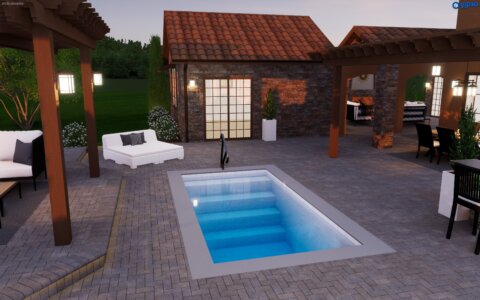
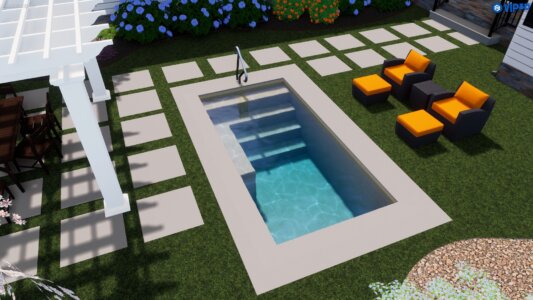
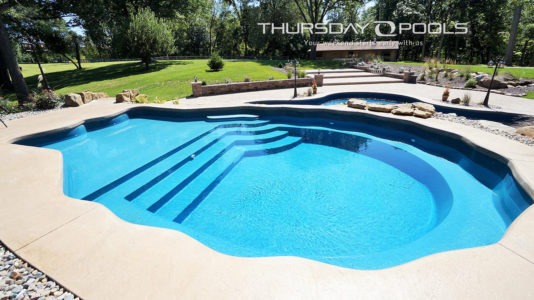
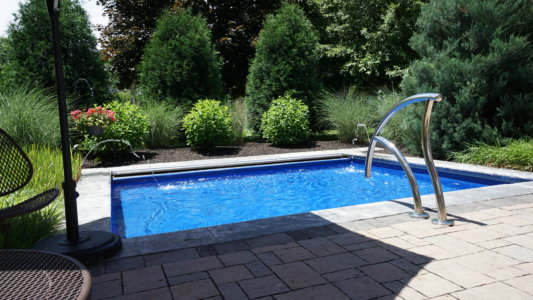
Is My Backyard Big Enough For A Swimming Pool?

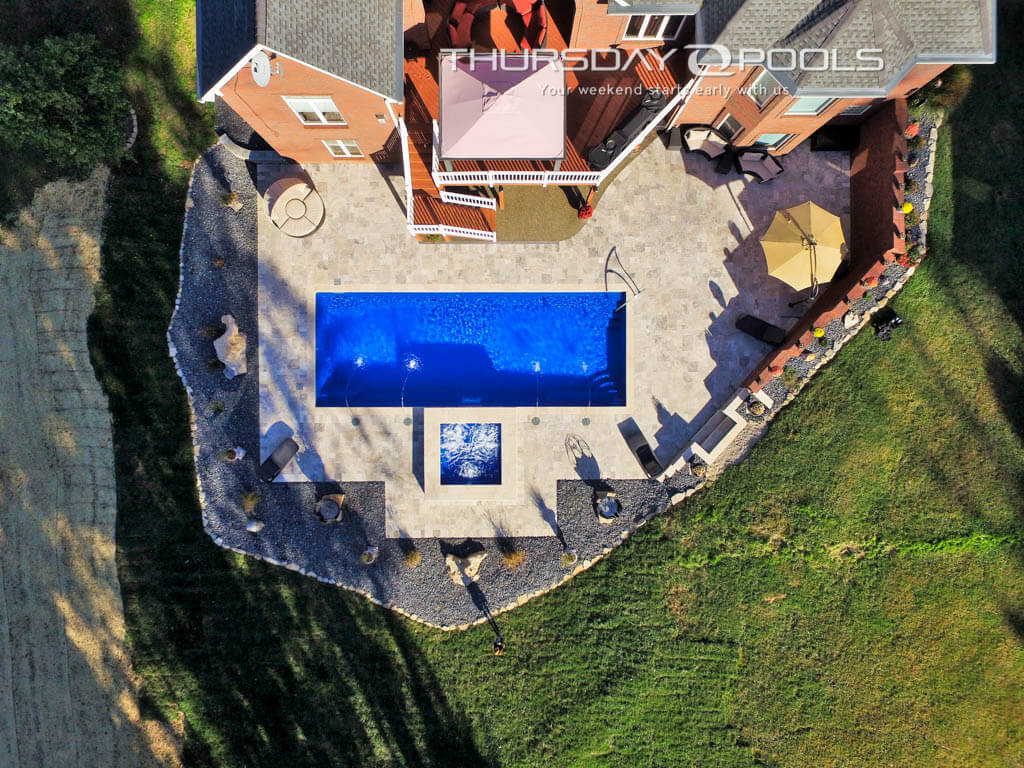
Contacting a pool builder near you for an on-site evaluation is the best way to find out what size, shape, or style of inground pools will work with your yard. Many of Thursday Pools’ independent dealers will provide a complimentary evaluation and estimate for creating a beautiful pool in your available space.


When the pool builder arrives, it will be helpful if you have a copy of your surveyor report or plot plan available. This plan details your lot specifications and property lines, along with your house and any other structures, and helps ensure you get the most accurate estimate. Here are some common factors that can affect the size of the swimming pool your yard can accommodate:


  • Property Line Setbacks: Many states, counties, and cities have regulations outlining how close your swimming pool can be to your property line, especially if your yard wraps around to the front of your house.


  • Septic System or Underground Utilities: Before choosing the size and depth of your pool, your local utility company will have to come out and mark the locations of all septic systems and underground utilities in the yard. You may discover your yard is large enough for the pool you’re considering, but the depth of the pool won’t work with underground utility placements. If that’s the case, you might consider a uniform-depth pool.


  • Public Agency Easements: It’s possible to have easements on your property from government agencies or public utilities that you’re not aware of. If easements are not properly part of your title documents, you may not learn of them until applying for a pool permit. Potential public easements include storm drains, sewer mains, and natural gas lines.


  • Neighboring Property Easements: If a neighboring property has an easement on part of your backyard, consult with your county assessor to determine if your pool size and placement are subject to easement issues.


  • Overhead Power Lines and Utility Poles: Because fiberglass pools arrive prefabricated in one piece, installers must be able to clear existing power lines and utility poles while placing the shell in your yard.


  • Zoning Regulations and Lot Coverage Rules: Many cities, counties, and states have zoning ordinances that require a certain percentage of your yard to be green space. You’ll need to check with your local zoning office for the rules in your area. If you have one, your homeowner’s association may also have codes regarding lot coverage.


  • Retaining Walls, Trees, and Other Natural or Man-Made Structures: The position of trees and existing fencing, as well as the layout of your home, garage, outbuildings, and any retaining walls on your land, may also factor into the size of the pool you can get into your yard.


Depending on where you live, you may be able to apply for variances to keep your pool project on track, and your installers may not even encounter many hidden surprises or challenges. We simply want to alert you of potential issues upfront so you can prepare and avoid surprise costs down the line. Again, your local pool builder is the expert here. They will have experience dealing with just about every potential obstacle in your area, and will be able to help find solutions.


Check Out Thursday Pools’ Designs for Small Backyards 


Thursday Pools Lil Bob pool with stone stairs and landscaping

Sea Turtle

The Sea Turtle has many of the same great features of our larger fiberglass pools, including wide-open entry steps and elongated benches for sitting and visiting. The uniform, flat-bottom depth is great for water games and aerobics, and the Sea Turtle is swim-jet-ready, so you can easily add a swim jet system for the exercise benefits of lap swimming! 

The Nest Feature Video

The Nest

The Nest is a chic plunge pool that brings big style to smaller spaces. Its modern, streamlined design features full-width entry steps that double as a natural gathering space, while the flat-bottom 4’8” depth is great for light exercise or effortless relaxation. The Nest makes minimalist luxury feel like a major win in any yard.

The Nook by Thursday Pools

The Nook

The Nook offers a cozy twist on the modern plunge pool, combining built-in entry steps and a bench seating area to create a social-ready conversation zone. With the same 16-foot by 8-foot, 4-inch size and flat depth as the Nest, it’s an ideal fit for courtyards, compact lots, or anyone who loves refined design and meaningful moments in a more intimate space.

Thursday pools' side view California Pearl Pool with stair entry, tanning ledge, and bench seating

Pearl

Pearl is a sweet little gem of a freeform pool that’s perfect for soaking up some sun and cooling off. The 12-inch-deep tanning ledge accommodates two lounge chairs, and the wraparound bench seating gives you plenty of places to relax and socialize while children and young swimmers have room to play and splash around. 


Thursday Pools' Maya Wading Pool 06/08/2020. 

Wading Pool

If space is truly limited, you might be able to tuck a small Wading Pool in your backyard and still enjoy all the benefits of the fiberglass pool lifestyle. Wading pools are great for little ones learning to enjoy the water safely, and they’ll still provide a great backdrop for parties and entertaining.


Is it time to take the plunge? Which compact pool will YOU choose? Do your research and get the information you need to make an informed decision before you buy, and you’ll enjoy a lifetime of low-maintenance, fiberglass pool enjoyment.

What to Expect When You’re Expecting (a Fiberglass Pool, That Is!)

fiberglass pool delays

Congratulations! You’ve taken the plunge, and your growing family excitedly awaits its forthcoming bundle of joy: an inground fiberglass pool! That’s amazing, and it will be a fabulous addition to your family—maybe even with lower

 maintenance and less cost than raising a child over time. A proactive and customer-focused pool builder typically shares their projected schedule with how long you can expect your  fiberglass pool installation process to take. There are things you should know and ways to get ready before the work begins. Knowing what to expect when expecting your fiberglass pool can help everyone prepare for your pool’s big opening day. 

Expect a Mess.

There’s no way of getting around it. A construction crew will bring heavy equipment and dig a giant, pool-sized hole in your backyard.

An experienced, trusted pool builder will work to ensure there is as little mess and disruption as possible during the excavation process. However, you’ll still have piles of dirt, mud, gravel, boxes, and equipment in your yard.

Heavy machinery, trucks, and other equipment will move around your project site. Protect children, neighbors, and pets during the pool installation by entirely keeping them out of the construction area. You might also want to give your neighbors a courtesy “heads-up” that you are getting a pool. They may hear loud noises or construction commotion, but inviting them to make some noise with you at your opening pool party should compensate for the inconvenience.

Expect Delays.

Under ideal conditions, experienced builders can install a fiberglass pool in as few as three weeks. However, every pool project is different; issues can crop up beyond the pool builder’s control.

Deliveries, permits, or inspections may experience delays. Essential equipment can break down. The builder could unearth  unexpected soil conditions, or Mother Nature might decide to wreak havoc with your schedule.

Take an open-minded approach to your pool’s schedule. Proactively preparing yourself for the possibility of some delays can help you feel much more relaxed throughout the process.

Expect Communication From The Builder.

The pool builder should consistently communicate with you during each phase of the installation process. They should inform you of projected start, delivery, inspection, and completion dates. The pool installer may coordinate subcontractors for portions of the project, like plumbing, electrical, concrete, and automatic pool cover installation. They should keep you informed and updated throughout.

Let the pool installer know how much communication you expect from them during the installation. For example, some homeowners want to know ahead of time every time someone is going to be in their backyard, while others just want to know if there are any significant delays or when the builder expects the job to conclude.

Expect to Do a Little Work, Too.

Every pool builder includes various “standard” options with an inground pool installation, but most won’t offer an altogether “turn-key” package. Chances are you will have some work to take care of after the installers have done their part.

Most pool builders’ standard installations take projects through a “rough grade” stage. The finishing touches of the pool area, such as surrounding grass and  landscaping, are your responsibility. While every pool builder should perform a final cleanup of your yard and pool area before they leave, you’ll likely continue to deal some with dirt, dust, or debris collecting in the pool until your grass and landscaping begin to take hold.

Expect Great Things to Look Forward To!

Now that you know what to expect throughout your pool installation process, you can sit back, relax, and enjoy watching your pool’s progress. You could use this time to review pool safety rules with your children, plan for that first big pool party, or research the best toys and most comfortable floats you can find.

For some fun for the whole family, create a countdown calendar and celebrate the milestones along the way, like Dig Day, Pool Delivery Day, and Concrete Day, until you can finally check off the biggest one: Pool Opening Day!

The first milestone is meeting with a local pool dealer in your area. Reach out to book a design consultation with an independent Thursday Pools dealer near you to begin discussing designs and other options for your backyard pool paradise.

Fiberglass Pool Installations Done Right: Timing Is Everything

Fiberglass Pool Installation

What may have begun as a simple curiosity and an online search of “fiberglass pools for sale,” “fiberglass pool cost,” or even “fiberglass pools near me” has now come down to how long it will take to install your  fiberglass pool. Good news! A fiberglass pool installation can be quick and painless when it’s done right. Becoming familiar with the fiberglass pool installation process can help ease your mind and manage timeline expectations as you go through this all-new inground pool journey.

LET’S TALK FIBERGLASS POOL INSTALLATION TIMELINE

Waiting is the most challenging part of getting a new quality fiberglass inground pool! However, fiberglass installation is faster than other pool types.

How fast can an inground pool be installed? An experienced and efficient pool professional can install a new fiberglass pool and have it swim-ready in as little as three weeks! By comparison, vinyl liner pools can take up to eight weeks, and concrete (gunite) pools can take up to six months.

But remember, every project is different, and actual timings can vary. Project timelines may increase during busy install seasons or due to unforeseen supply chain issues. Effective communication with the local pool professional will give you the most accurate timeline projection and ensure everyone is on the same page.

Let’s explore the installation process for fiberglass pools, along with some guidelines for approximately how long each phase might take. We’ll also take a quick look at some of the other variables, such as the accessibility of your site, your soil conditions, the weather, and local code requirements or inspections that could impact the process and your timeline.

HOW LONG DOES IT TAKE TO INSTALL A FIBERGLASS POOL FROM START TO FINISH? LET’S BREAK IT DOWN!

When we cite timelines for a fiberglass pool installation, we are speaking based on experience and data from independent dealers within our dealer network. Timeline estimates are not for a do-it-yourself fiberglass pool install or a fiberglass pool kit—they’re for fiberglass pool shells crafted by manufacturers with high quality-control standards working with an established network of dealers and fiberglass pool installers. 

Pre-Installation: Permit Application and Approval

Permit application and approval can take as little as a few weeks or as long as several months, depending on where you live. Since this part happens before excavation, we don’t typically count it as part of how long it takes to install the pool. However, it’s important to allot time in your schedule for this process. It’s not something that should wait until the last minute. The pool builder will likely be handling the acquisition of the permits for you as part of the installation process, but they’ll need some documentation from you to get started.

Almost all the following phases are weather-dependent, so you and the pool dealer must watch your local forecast! Account for your local weather patterns as part of your installation timeline. Some dealers may shift and shuffle parts of certain phases based on their construction approach and not all builders will adhere to the following timeline verbatim. 


Phase One (2-3 days): Site Excavation and Setting the Pool 

Fiberglass Pool Installation

The pool builder will outline the dimensions for excavation using “dig specs” for your pool design provided by the fiberglass pool shell manufacturer.

The excavated area will be approximately four inches deeper and about a foot larger than the pool’s diameter to add backfill material under and around the shell.

The pool builder will add the base material your fiberglass pool shell will rest on and carefully level it.

Generally, pool installers will complete all pre-plumbing tasks at this installation stage.

The builder will use an excavator or crane to set your fiberglass pool shell in the hole.


Phase Two (2-3 days): Installing Remaining Plumbing, Electrical and Filtration Systems 

The pool builder will install the pool pump and filtration system lines, valves, and any other wiring needed for lights or other water features.


Phase Three (2-3 days): Backfilling the Shell and Filling the Pool 

The pool installer will add backfill around the outside of the pool shell while adding water inside the pool. These processes must happen in tandem so that the pressure on the shell is equal on both sides.

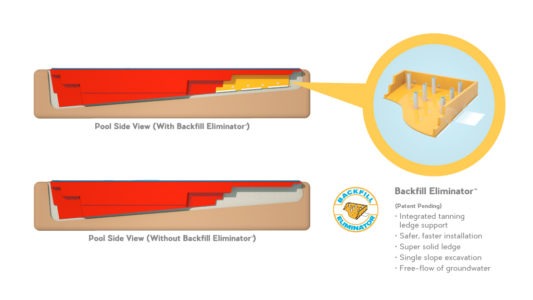
If your fiberglass pool design features a built-in tanning ledge but not  Backfill Eliminator® technology, you’ll need to allow an extra day or so for the backfill process. Tanning ledges are more challenging to backfill than any other area of the pool shell.

Opting for waterline tile in your pool design may add a day or two to the project’s installation timeline.


Phase Four (Time Varies): Inspection 

The local building and construction inspections department in your area must now inspect your pool installation.

Timing for scheduling and completing an inspection can vary significantly based on your local government agency’s availability.

The pool installer should be familiar with local agencies and officials in your area and can be an invaluable resource in planning for and scheduling this all-important step.


Phase Five (3-5 days): Coping, Decking and Auto-Cover Installation 

The pool builders will now install the coping—the top of the pool wall—around the edge of the shell.

If your design incorporates an automatic pool cover, at this point, builders will complete the rest of the “pre-pour” portion and prep work for your pool cover installation.

The pool area is now ready for whatever type of decking and pool patio surroundings you’ve chosen for the outdoor living space.

While the concrete is curing, the pool builders can begin cleaning up the site. Once the concrete cures, builders will complete the post-pour installation of your pool’s automatic safety cover.


Phase Six (2-3 days): Clean Up, Water Balancing, and Other Add-Ons 

The pool installer will remove their equipment and clean their construction materials from your property.

Before swimming, you must ensure your pool water is safe, clean, and healthy for the pool shell and your family. If your local pool builder also offers pool maintenance service, you might ask them to help you balance your water for the first time. Otherwise, you may need to bring in a pool service pro to help. Online resources, such as the  Orenda Calculator™, can be an excellent tool for helping to balance your fiberglass pool’s water using the Langelier Saturation Index (LSI).

If your project requires  new landscaping, fencing, or other features to enhance your backyard swimming pool oasis, you’ll need to add the time those contractors quoted you into your timeline.

What Factors Can Impact My Pool Installation Timeline? 

When the stars align, everything falls right into place, and proceeds without significant surprises or scheduling delays, talented and experienced pool dealers can complete a fiberglass pool install in as little as three weeks. 

You’ll want to play it safe and build a little bit of a buffer and cushion into your personal project timeline, however. Mother Nature may have her say on your schedule, or excavation may turn up ground and soil conditions necessitating extra steps in the process. 

Rain or other adverse weather conditions can potentially delay a fiberglass pool installation by days or even weeks depending on the severity and duration. Rain can impact and delay nearly every phase of construction, from excavation and leveling to the installation of plumbing work, electrical systems, concrete decking, surrounding landscaping, and other finishing touches.

Soil types and local geographic conditions in your area can also significantly impact your timeline. Underground rock, clay- or sand-heavy soils, and excessive groundwater are among the potential conditions that an independent dealer near you will have a local familiarity with and know how to approach.

No homeowner should ever have to experience fiberglass pool purchase regrets. Understanding what a fiberglass pool installation done right looks like will prepare you for the changes to come to your backyard. Then, once the installation is complete and your new pool is open, you can start  enhancing your swimming pool area with outdoor living features. 

For design advice, a detailed estimate, or answers to your questions, book a consultation with an independent dealer near you.

How Geography Can Impact Your Fiberglass Pool Installation

How Long Does Pool Installation Take?

When you make a significant purchase, it’s nice to have reassurance it’s in the best position to last for a long time. You want to be sure builders have your house on a solid foundation. The same goes for your pool. Among other factors, it’s important to understand how geography can impact your inground pool installation. The soil types and conditions in your backyard may make the pool installer’s job a breeze—or a big challenge. For homeowners, that means your overall fiberglass pool installation costs and timelines may vary. Let’s “dig in” and explore some common soil issues your pool builders may encounter during excavation.

Rock

Rock is notorious for causing problems early in the installation process. Underground rock, such as limestone, is more prevalent in some areas and can impact your inground pool installation. Excavating rock often requires specialized equipment to break the stone into manageable pieces so workers can remove and haul it away. Many swimming pool installation contracts include a “rock clause,” so carefully read the agreement with your local builder. Rock clauses usually state that the homeowner must pay to remove rocks from the project site.

Clay

Soils with a substantial clay content are “expansive soils,” meaning they have a high capacity to absorb moisture and can swell or contract based on how much moisture is in the ground. Clay-rich soils often cause basement leaks or home foundation problems. Too much clay in the soil surrounding your pool may increase the likelihood of higher groundwater pressure under the pool shell, possibly causing significant damage.

Sand 

If your soil is sandy, pool installers should amend the soil to include some sturdier fill dirt. Sand tends to shift, and shifting soil under your pool will not provide a sufficient support system. Sand that liquifies outside a pool can upset the balance between the water inside and outside the pool. The liquified sand is heavier and can cause a bulge. The installer can eliminate these problems by amending the soil and using the appropriate backfill material

Groundwater

It’s critical that your builder accounts for the groundwater table in your area and drainage options in your yard. High water tables can create hydrostatic pressure in the earth around your pool. Builders may need to reroute downspouts or find other drainage solutions to move groundwater away from the shell while maintaining the water level within the pool to prevent damage.


Patented Solutions

Will soil type and ground conditions impact the style or design of the pool you have your heart set on? Fortunately for homeowners with less-than-ideal soil, it doesn’t have to be a limiting factor! Many innovations within the fiberglass pool industry can help anchor your pool to the earth and give you peace of mind that your pool will last for decades of priceless memories, such as Thursday Pools’ Geo-Anchoring Pool Wall® System and the Backfill Eliminator®.

geo-anchor fiberglass pool wall


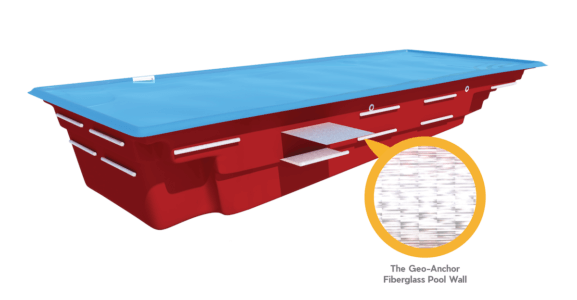
The Geo-Anchoring Pool Wall® helps secure fiberglass pools during installation and protects the shell against groundwater pressure. The system is revolutionary for installers by providing a solution that prevents wall movement or bulging. Thursday Pools infuses a specially formulated geotextile material into the pool wall during manufacturing. During installation, this material is rolled out into the backfill and covered, thus anchoring the pool to the earth. As a result, the fiberglass pool walls will resist movement or bulging.


Backfill Elminator


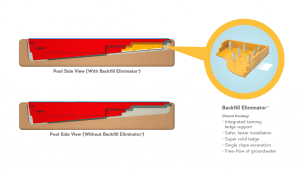
The Backfill Eliminator® is another innovative installation technology that works with the Geo-Anchoring Pool Wall® for pools with built-in tanning ledges. The Backfill Eliminator® encases the tanning ledge on the pool’s underside, permitting free groundwater flow and providing access to plumbing and wiring. Most importantly, the Backfill Eliminator® provides lifetime structural support to the tanning ledge and one continuous slope for excavation, making installation more convenient.

The Bottom Line

A local pool builder should be familiar with the soil types in your area and can give you a good idea of what you might be up against even before they begin to dig. Be sure to ask about any additional costs that might crop up once the builder has had a chance to assess your soil and incorporate those into your pool finance budget as contingencies, just in case. If your project is a more straightforward dig, you can use that money for fun items like ledge loungers or other add-ons such as a water feature or specialty lighting.


Learn more about the soil conditions in your region and discuss your design possibilities with a local expert. Connect with an independent dealer near you today.


Six Money-Saving Tips to Lower Your Pool Installation Costs

You have decided to purchase a fiberglass inground pool—congratulations! As you’re narrowing your choices and making plans for your backyard’s new addition, you may want to consider a few ways to save money on your pool installation cost. What you pay for a  fiberglass pool can vary greatly depending on numerous factors, but a few options can help lower the overall price. Getting the right fiberglass inground pool is a big decision, and homeowners need information on their options. This blog post explores advice and ways to help lower your initial construction costs.

  1. Choosing the Right Pool Pros

Everyone has their specialties and things at which they excel. As a homeowner, there’s no expectation that you’re an expert in pool installation. Trusting a fiberglass pool dealer you’ve researched and feel comfortable working with can help you save money in the long run.

If the pool dealer is established, highly experienced, and comes personally recommended, that can help save you from many potential headaches (or even swimming pool buyer’s remorse). Trying to save a few bucks on your inground pool cost upfront can result in significant repairs and maintenance expenses in the long run. 

  1. Buy Your Pool in Winter

The winter swimming offseason is a great time to buy a pool. While dealers can install pools year-round in the southern and western regions of the country, colder weather can slow down pool installations in the Midwest and similar climates. You might even be able to take advantage of additional cost-savings if you’re willing to commit to a spring installation but make your pool purchase the fall or winter before. It’s always worth asking.

  1. Select a Simpler Design

While springing for the largest and most elaborate fiberglass pool design is tempting, opting for a more straightforward shell and fewer additional features can significantly reduce costs. Consider selecting a smaller design without intricate surroundings or extra elements like attached spas or elaborate water features. Scaling back such amenities saves homeowners money on the initial purchase, required materials, and the labor involved. A conservative approach to your backyard pool project makes for a more affordable installation and a faster, hassle-free experience.

  1. Build Your Perfect Pool in Phases

Maybe some features and options you’re interested in aren’t the cheapest inground pool options. That’s okay! You don’t have to pay upfront for every bell, whistle, and additional feature.

If your pool budget is tight, ask the dealer to design the project so you can add additional features later. Maybe the fire pit or some of the surrounding landscaping can wait until next year. While options like robotic pool cleaners and automatic pool covers are great, you can always upgrade and purchase them later.

  1. Can You DIY Anything?

Thursday Pools does not recommend DIY installations for fiberglass pools. 

However, some homeowners, who may be electricians or skilled tradespeople, could perform electrical work or pour concrete into the patio. Green-thumbed homeowners can likely do some grading, seeding, and landscaping. They may even be able to purchase building permits and variances as needed. Others may remove trees, install fences, build retaining walls, move sprinkler systems, lay electrical lines, reroute water lines, move septic systems, remove old wood decks, or install gas lines.

You could save on pool installation costs if you have the necessary training and skills. However, if you’re not an experienced contractor, you might cost yourself more in the long run. Ultimately, having an insured, independent dealer do the dirty work is probably best.

  1. Explore Your Financing Options

Explore various financing options for managing installation costs and making your dream pool more attainable. Many dealers offer financing plans that spread pool costs over several years with a competitive interest rate, making monthly payments more manageable on your budget. Look for special promotions, low-interest offers, and flexible terms to find the best deal for your financial situation. Home improvement loans or home equity lines of credit are other cost-effective possibilities to finance your pool through your bank, credit union, or specialized lender.

Save Money with Thursday Pools 

The sooner you do it, the more money you may be able to save on your pool installation cost. Like most other great things in life, industry watchers don’t project the price of pools to drop anytime soon. It goes without saying, but the sooner you do it, the more money you’ll save. Ready to go ahead, take the plunge, and make a splash?

If you’d like to receive a ballpark pricing estimate for your dream fiberglass pool project, check out our innovative inground pool cost estimator! The  Pool Cost Calculator can give you an idea of how certain factors impact pricing.

Learn more about the options and possibilities for financing a fiberglass pool project with our free ebook, “Financing the Pool of Your Dreams,” and reach out to book a design consultation and learning session with a local independent dealer in your area.

The Hidden Costs of Installing an Inground Pool

Inground pool quotes are often not all-inclusive. The estimate a builder provides on day one typically covers the pool structure, the excavation, and the core installation, but may stop there. Permits, fencing, decking, landscaping, and more line items may appear later as hidden costs of installing an inground pool.

Why Inground Pool Quotes Can Look Lower Than the Final Total

Two buyers with identical pools can receive quotes that differ by $20,000 or more. The gap usually comes down to scope: one quote includes premium decking, fencing, and landscaping, while the other covers only the pool and core installation. 

The only way to compare quotes accurately is to confirm what each one includes and excludes before you use it to make decisions. A low base quote isn’t a bargain if it leaves out $15,000 in fencing and electrical work you’ll have to pay for anyway.

For a full breakdown of inground pool cost by pool type, including fiberglass, vinyl liner, and concrete, see our complete Inground Pool Cost Guide.

What Does an Inground Pool Installation Quote Typically Include?
Thursday Pools photo of workers installing pool

Most standard installation packages cover the pool structure (shell, steel framing, or concrete depending on pool type), excavation and backfill, delivery, a pump and filter system, basic electrical setup, rough plumbing, and often a handrail. Most basic quotes do not always include the costs of permits, full electrical work, safety fencing, water fill, dirt hauling, pool covers, decking beyond a basic perimeter, landscaping, and yard restoration.

What Are the Most Common Extra Costs During Inground Pool Installation?

Permits and Inspections

Most municipalities require a building permit before pool excavation can begin. Separate permits for electrical and plumbing work may also be required. Permit costs typically run between $100 and $1,000, according to Pool Research, though the range varies significantly by jurisdiction. Some dealers or contractors handle the application, but the cost is yours to cover.

Excavation and Site Preparation

Site-specific conditions change excavation costs more than most buyers expect. Rocky soil requires heavier equipment and takes longer to excavate, clay-heavy soil needs drainage solutions, and sandy soil may need additional stabilization around the pool shell. Sloped yards can require grading or retaining walls before installation can proceed.

According to a 2026 survey of independent pool builders in the Thursday Pools dealer network, navigating soil conditions, elevation changes, or limited access can cost between $1,500 to $4,500 or more.

Safety Fencing

Many states and municipalities require fencing around residential pools. Specific requirements, including barrier height, material, gate types, self-latching mechanisms, and other regulations, vary by location. Your contractor should know the local code, but the cost is not always included in the base quote.

According to a 2026 survey of Thursday Pools independent dealers, the average cost for a standard 300-linear-foot fence is just more than $8,000.

Electrical Work

Pool equipment, including pumps, filtration systems, heaters, lighting, and automation controls, all require electrical connections. The complexity of that work depends on your home’s panel capacity, the distance from the equipment pad to the main panel, and the scope of lighting or automation you want.

Your pool dealer may or may not offer full electrical wiring and installation as part of their pool installation package. Either way, we recommend budgeting at least $2,000 to $5,000 for pool electrical work, though more complex setups or homes that need a panel upgrade can cost up to $10,000 or more. Confirm with your contractor whether electrical work is included in the base installation package.

Water Fill

Filling an inground pool for the first time requires a significant volume of water. Depending on pool size and local water rates, the initial fill can cost up to $2,000, according to HomeGuide

Decking, Landscaping, and Yard Restoration

Construction equipment will occupy your backyard for weeks and can leave the surrounding yard in rough shape. Post-installation restoration, including grading, sod, and landscaping, is typically not included in a base pool quote.

Decking adds significantly to the project total. A 1,200-square-foot poured concrete patio averages just over $12,500, according to 2026 data from Thursday Pools independent dealers. Paver patios of the same size run just over $13,000. Premium materials like stamped concrete or natural stone cost more.

Pool Covers

A pool cover is not optional if you live where winters freeze. The type you choose affects both upfront cost and long-term maintenance convenience.

  • Winter covers average $75-$250, according to HomeGuide.
  • Manual retractable safety covers average around $4,000, according to the 2026 Thursday Pools dealer survey.
  • The 2026 Thursday Pools dealer survey shows that automatic pool covers average $17,580 installed.

Automatic covers provide the most convenience and protection, but they require an electrical hookup and need to be factored into the electrical budget. In many cases, installing the auto cover and running the electrical simultaneously reduces total cost.

What Are the Ongoing Costs of Owning an Inground Pool?

Installation is a one-time expense. The following costs may seem hidden initially, but will recur for the life of the pool.

Regular Maintenance

Inground pool ownership requires staying on top of tasks like skimming the surface, vacuuming debris, and maintaining correct water chemistry levels for safe water and surface protection. In our experience, fiberglass pool owners typically spend $500 to $1,500 per year on DIY maintenance, while vinyl liner pool owners spend $1,000 to $2,000 per year. Gunite pool owners spend more, from $2,000 to $4,000 annually, because the porous concrete surface requires additional chemicals to control algae.

Equipment Maintenance and Repairs

Pumps, filters, heaters, and plumbing components require periodic maintenance and eventual replacement. Budget for routine upkeep and set aside a reserve for unexpected equipment failures.

Utility Costs

Running a pool pump, heater, and lighting adds to your electricity and water bill throughout the season. Energy-efficient variable-speed pumps and covers that reduce evaporation both help lower operating costs over time.

Winterization

In climates with a freeze-thaw cycle, closing the pool properly each fall protects the plumbing, equipment, and structure. Winterization typically involves blowing out plumbing lines, treating water chemistry, covering the pool, and storing or protecting equipment. Labor and materials add an annual cost. 

Resurfacing or Liner Replacement

Concrete pools need resurfacing every 10-15 years, typically at $6,000 to $15,000 or more, according to HomeGuide. Vinyl liner pools need a new liner every 5-15 years, typically costing $3,000 to $7,500, per HomeGuide. Fiberglass pools do not require periodic resurfacing, and there is no liner to replace.

How Does an Inground Pool Affect Homeowners’ Insurance?

Pools are classified as an “attractive nuisance” under most homeowners’ insurance policies, which means they increase your liability exposure in the eyes of your insurer. Expect your annual premium to rise after installation. The specific increase varies by carrier, location, coverage level, and what safety features, such as fencing, alarms, or an automatic cover, you have in place.

Contact your homeowners’ insurance provider before installation to understand the impact on your policy. Adding required safety features upfront can reduce both liability risk and premium impact.

Questions to Ask Your Contractor Before You Sign

Before committing to any inground pool quote, get clear answers to the following questions:

  1. Does this quote include permits, inspection fees, and permit applications?
  2. Is all electrical work, not just the panel, included?
  3. Does the quote include dirt hauling and excavated material removal?
  4. What decking is included, and what does additional patio work cost?
  5. Is fencing included, and does it meet local code requirements?
  6. Is the initial water fill included?
  7. Is any pool cover included, and what is the cost to upgrade to an automatic cover?
  8. Is basic yard restoration or landscaping included?

Talk to a Local Thursday Pools Dealer Before You Budget

Installation costs vary by yard, location, soil type, access conditions, and what you want surrounding the pool. The most accurate budget comes from a dealer who has seen your specific site. An authorized Thursday Pools independent dealer will assess your yard and give you a project estimate that accounts for your site, project scope, and budget. You can also try our Pool Cost Calculator for a ballpark starting point before your first dealer conversation.

Frequently Asked Questions About Inground Pool Installation Costs

What costs are typically not included in an inground pool installation quote?

Base installation quotes most often exclude permits and inspection fees, safety fencing, the full scope of electrical work, water fill, dirt hauling, decking beyond a small perimeter, landscaping, yard restoration, pool covers, and pool heaters. Getting a fully itemized quote makes it possible to compare proposals accurately and avoid budget surprises.

How much does it cost to install an inground pool, including all expenses?

A fiberglass pool typically runs $45,000 to $100,000 or more for the base installation, according to a 2026 Thursday Pools independent dealer network survey. Adding fencing, full decking, electrical work, a heater, and an automatic cover can push the total significantly higher. For a full breakdown by pool type, see our Inground Pool Cost Guide.

Do I need a permit to install an inground pool?

Yes. In most jurisdictions, a building permit is required before excavation can begin. Separate permits for electrical and plumbing work may also apply. Permit costs typically run $100 to $1,000, though the amount varies by location. Your contractor should manage the application process, but the cost is typically not included in the base installation quote.

Does inground pool fencing have to meet local code?

Yes. Most municipalities and states have specific fencing requirements for residential pools, covering minimum height, gate specifications, and latching mechanisms. Requirements vary by location, and your builder should know the local codes. According to a 2026 survey of Thursday Pools independent dealers, the average cost for a standard 300-linear-foot fence is just more than $8,000.

How much does inground pool electrical work cost?

Pool electrical work typically runs $2,000 to $5,000 at minimum in our experience, and up to $10,000 or more for complex setups or homes that need a panel upgrade. This cost is frequently excluded from base installation quotes. Confirm what is included before signing, and get a separate electrical estimate if it is not covered.

Will installing an inground pool raise my homeowners’ insurance?

Yes. Pools are classified as attractive nuisances, and most homeowners’ insurance policies will increase annual premiums after installation. The impact depends on your carrier, coverage level, location, and what safety features you have installed. Contact your insurance provider before installation to understand the impact on your policy.

Which type of inground pool has the lowest lifetime cost?

Fiberglass pools typically carry the lowest lifetime maintenance cost because they do not require periodic resurfacing or liner replacement. Concrete pools need resurfacing every 10-15 years at $6,000 to $15,000 or more. Vinyl liner pools need a new liner every 5-15 years at $3,000 to $7,500 per replacement. Fiberglass pools require no resurfacing or liner replacements.

What questions should I ask before signing a pool installation contract?

Ask specifically whether the inground pool quote includes permits, dirt hauling, electrical work, safety fencing, water fill, decking, an initial pool cover, and yard restoration. Ask for an itemized breakdown so you can compare quotes from different contractors on equal terms.
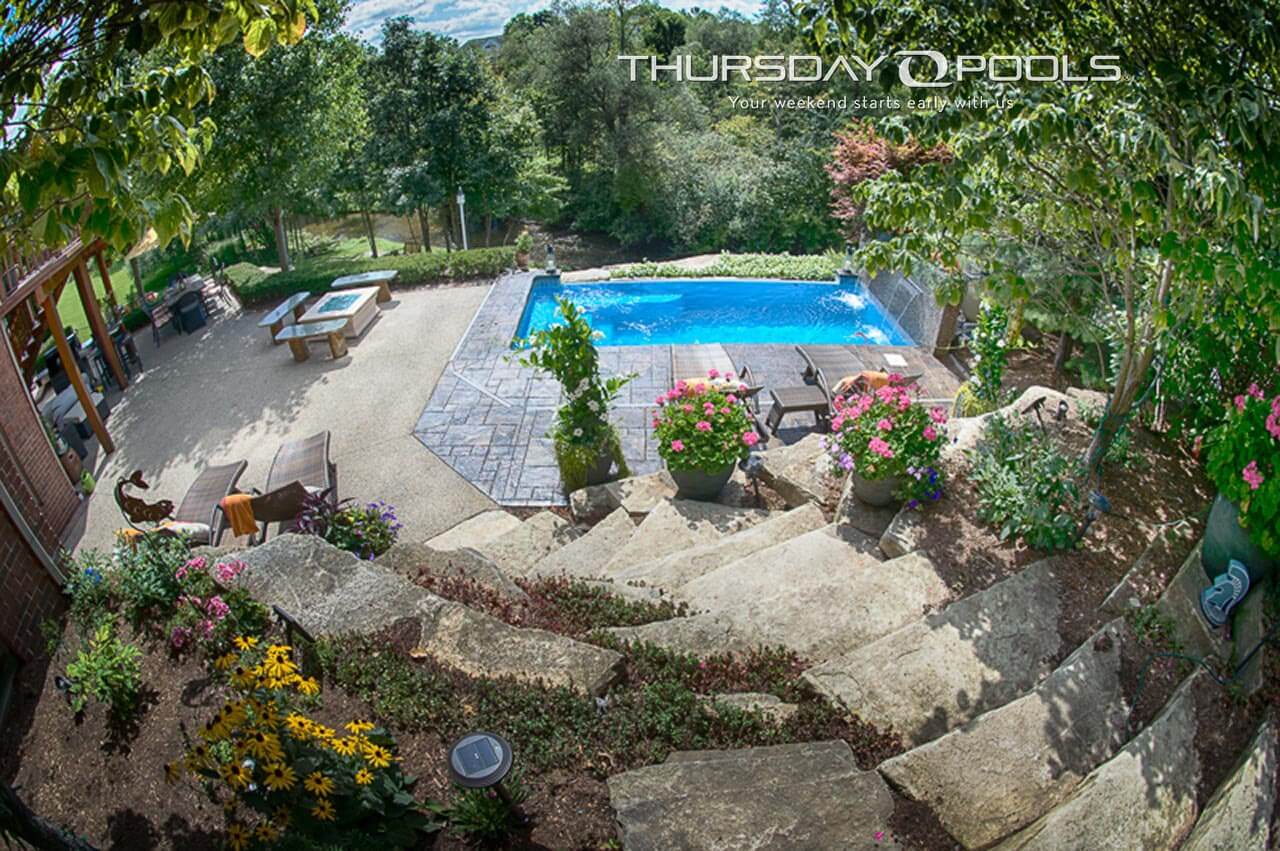
Ask the General: Will a Pool Fit in my Yard?

will a pool fit in my yard

Looking for high-class, very nice pools? See what the General has to say about making your pool dreams a reality!

Dear General; 

My family has been begging for a new inground fiberglass pool (and I want one too!), but our yard is pretty small and I’m worried we can’t fit one. It is also hard to find very nice pools that are a smaller size. How can I find out if a pool will fit in my yard and what it might look like, so we can decide on a pool and get in the swim?

Signed–

Wondering in Winnetka


Dear Wondering;

Will an inground fiberglass pool fit in your backyard? The short answer is: probably! Fiberglass pools come in a wide variety of shapes, sizes and colors. While your yard might not be large enough to accommodate a pool with features such as  built-in tanning ledges, open swim lanes or beach entry, there are still awesome fiberglass pool designs that are as small as 19.5 feet long and 9.5 feet wide that can give you the relaxing oasis you’re dreaming of. The first step is to consult with a professional pool builder. They’ll send an estimator to your house to let you know what your options are and give you a quote so you can be one step closer to having the backyard swimming pool oasis of your dreams. Here’s how to get started:

  1. Do your research. Before you contact anyone, do some research. Check them out with the Better Business Bureau, look at their online consumer reviews, check out their website, and then, once you’ve contacted a company, ask them for recommendations from their customers. Like you’ve heard me say before, just make sure the company is an established, experienced, honest, professional pool builder. And don’t be afraid to check out their competition–most people will get more than one quote.
  2. Get an estimate. Once you’ve done your research, it’s time to schedule an estimate by having a professional pool estimator/designer come to your home. Some companies may have a showroom you can visit, but the standard procedure is to send someone to you. Some pool builders may require a fee to come to your home, but most of them will give you a free estimate. Regardless, at some point in time, someone will actually have to see your backyard in order to give you an accurate quote.
  3. Prepare for your meeting. Your inground fiberglass pool estimator will need to see a plot plan or survey of your property, preferably with the house and setbacks stated on  them. Have this ready for your meeting if you can. During the 30 years I was a design consultant, I spent a lot of time sitting around folks’ dining room tables, discussing pool projects and this was always my first step. Then, we’d head out to the yard to see what was possible. Most yards could accommodate a very nice pool design.
  4. Be ready for a few bumps. Regardless of how large or small your yard is, there are other things to take into consideration when you’re planning and designing your inground fiberglass pool. Some sites can be a little tricky and might require things like:
    • Dealing with setback variances
    • Working around HOA covenant concerns and special  building regulations
    • Cutting down trees and/or moving landscaping
    • Building retaining  walls
    • Shuttling dirt out
    • Shuttling materials in
    • Pumping concrete
    • Moving utilities such as gas, cable and phone lines
    • Moving sewer and water lines and septic  systems
    • Moving, installing or reinstalling fences, wood  decks and concrete patios
  5. Make a plan. An experienced, professional inground fiberglass pool designer should be able to quickly ascertain the size of the pool, the best location for it and the elevation by asking the right questions and listening to what you want including how you plan to use your pool. He or she should also be familiar with the local building codes and permit requirements and have suggestions for ways to work around any of the above issues.  They will then create a design and provide you with a quote.
  6. Remember the big picture. Your new inground fiberglass pool will need some beauty around it. You’ll probably need some new landscaping to complete your design. Some  pool companies have their own landscaping service, but most will use an independent  landscaping contractor to incorporate the pool into a master landscaping design. Using a landscaper who has experience with pool designing will ensure that your finished product is the gorgeous backyard swimming pool oasis you expected.

The takeaway here is this: An inground fiberglass swimming pool in your backyard is most likely doable, regardless of size. But you’ll never know if you just keep wondering! It’s time to take the plunge and pick up the phone. It might seem like a time consuming project, but the years of having family and friends over to swim, the memories you can make with the kids, the entertaining, exercise and pure relaxation make it all worthwhile.

Where I am, it’s 93 degrees today with high humidity. Think I’ll grab a float and enjoy my pool.

Until next time…

The  General


Who is The General?

The man, the myth, the legend….we just call him The General. His organized, systematic approach to pool installations over the years had his crew members calling him “The General” and it stuck. The General has over 30 years’ experience in the pool and spa industry, working for one of Pool and Spa News’ Top 50 Pool Builders.”

Over that time, he designed, sold, project-managed and installed over a thousand inground swimming pools. As a pool owner himself, he’s the perfect authority to give you the inside scoop, with amazing tips and tricks to make pool ownership a breeze!

Properly Backfilling and Installing Your Fiberglass Pool’s Tanning Ledge

Inground fiberglass swimming pools featuring built-in tanning ledges are, in a word, heaven. They allow swimmers to lounge in just enough water to keep cool while still soaking up the sun’s rays. Whether you’re in tanning ledge chairs or sitting on the ledge itself, they truly offer the best of both worlds. Built-in tanning ledges are also great for young children and family pets. Whether they’re confident swimmers or not, all can enjoy the water and relax on the wading area’s shallow ledge. Add a bubbler or other fun water feature to make a little splash, and you have the perfect backyard pool oasis. However, for all the enjoyment built-in tanning ledges can bring to fiberglass pool owners, proper installation is essential for long-lasting enjoyment.

Properly backfilling under and around a fiberglass pool shell’s tanning ledge can be difficult. The tight spaces and voids the ledge creates at transition areas are hard to reach, and the varying grades needed for excavation add time, money, and potential headaches to the pool-building process. If the pool builder doesn’t backfill and install it correctly, a tanning ledge can develop a hollow or fragile feeling under your feet. Over time, the backfill material can shift and settle under the tanning ledge, leaving voids between the pool shell and the ground below.

How can you be sure the ledge in your tanning ledge pool will feel sturdy and as durable as the rest of the fiberglass shell? Ensure the installer is experienced with similar pool designs and understands proper tanning ledge installation. Various pool builders may have differing opinions about the best way to backfill underneath a tanning ledge, but some of the most reliable strategies include:

  • Enlist multiple resources. Getting the backfill material into every nook and cranny under a built-in tanning ledge is difficult, so pool builders must get creative. Your dealer might use various tools to force backfill material into tight spaces or have the crew’s smallest member squeeze into the small spaces to move material by hand.
  • Use a suitable backfill material. A clean chip stone that is three-eighths to three-quarters inch in size will make it easier for pool builders to move around and get into the tight spaces under the tanning ledge. 
  • Use a flowable fill. Flowable fill is a self-compacting, low-strength material with a flowable consistency. If the pool builder has experience with flowable fill, it can be a good option for reaching those hard-to-reach areas under the tanning ledge. However, flowable fill is non-permeable, and dealers must account for groundwater and ensure proper drainage.
  • Excavate the ledge separately. When excavating the hole for your pool, installers should treat the tanning ledge as a separate pool bottom area with its own measurements. It’s also vital to consider freeze depths in your area. The backfill material should be at least as deep as your frost line.
  • Install Piers. Another option for supporting built-in tanning ledges is for the pool builder to install “piers” along the outside edges of the ledge. The process involves excavating to a point where the builder can stack level blocks forming a pier. They then level the blocks front to back and side to side before lowering the pool onto the pier. Piers should only add complementary support and leveling. Installers must still pack the entire underside of the ledge with backfill material.

If some of these strategies sound a little less sophisticated, it’s because they are. For years, they were the only sound options available to pool builders to support the tanning ledges. Not anymore.

Meet The Thursday Pools Backfill Eliminator® 

The Backfill Eliminator® (US Patent 10,450, 766) is an exclusive Thursday Pools innovation that makes installing a tanning ledge easier, faster, and cost-effective with a stronger and more durable ledge over time. Pool builders used to consistently struggle with the aforementioned strategies for installing built-in tanning ledges, but purchasing a Backfill Eliminator®  eliminates the need for older and near-obsolete strategies.


tanning ledge backfill eliminator

Thursday Pools engineers designed the Backfill Eliminator® to integrate into the bottom of your pool, allowing for a sturdy and level installation. It provides structural support to the tanning ledge and one continuous slope for excavation, making it as easy to install as any other fiberglass pool design.

The Backfill Eliminator® also allows groundwater to flow freely under your pool, eliminating the possibility of stagnant water accumulating underneath or excess groundwater lifting the pool. The device even includes a convenient access point to help builders reach essential plumbing components. The Backfill Eliminator® can work in tandem with Thursday Pools’ Geo-Anchoring Pool System, which helps homeowners secure their investment by providing extra strength to the pool structure. 

Built-in features like a welcoming and relaxing tanning ledge are great for many types of people and pool activities, especially activities of the relaxing-in-a-lounger variety. Many fiberglass pool manufacturers provide pool specification sheets for their designs. If you ever need to know your current (or future) pool’s tanning ledge depth or size to figure out what other pool accessories will work in the unique space, contact a local dealer or the shell manufacturer directly. Are you ready to get in touch with a local independent dealer about your favorite Thursday Pools design with a tanning ledge? Reach out today to schedule a design consultation with a dealer in your area to learn more!


How Do I Know If I Have A Groundwater Issue?

Groundwater is virtually everywhere. It lies below the earth’s surface in the cracks and spaces of soil, rock, clay, and sand. In some areas, it may be closer to the surface than in others. The upper level of which the ground saturates with water is known as the water table. Often homeowners know they have a ground water issue when they have a high-water table. Their yard may remain soft and wet for many days after rain. Your water table does vary over time and is generally at its highest later winter/ early spring. Even if you do not have a high-water table, you still need to be aware that ground water exists and can have damaging effects on your fiberglass pool if it is not accounted for properly.  
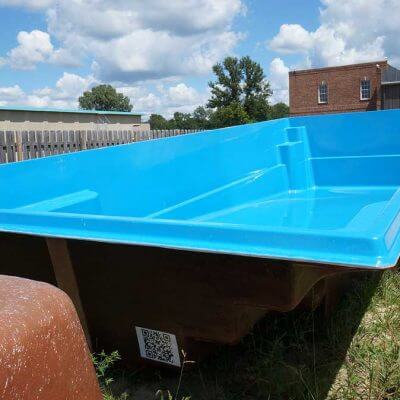
Here are some ways you and your pool builder can prevent and reduce the risk of groundwater issues:

Install a well pit or sump pit. A well pit or sump pit is usually an 8”-10” corrugated pipe that runs from the top of the deck to 1’ below the deepest depth of an inground swimming pool.  The well pit allows you the ability to visually see when groundwater is present and when necessary to be able to drop a pump to pump the groundwater away from the pool.  

Install a perimeter drain. Install a perimeter drain around the base of the excavated pool area. A perimeter drain will provide the water an easy path to the well pit.

Maintain proper water level. Most groundwater damage to inground pools happens when a pool is empty, or the water level is low. This provides an easy opportunity for the groundwater pressure outside the pool to exceed the internal pressure of the pool.

Reroute downspouts. Ensure that downspouts are rerouted out and around the pool.

Regardless of whether or not you believe you have a groundwater issue, these simple steps can drastically reduce the risk of groundwater issues associated with inground pools. Talk to your pool builder about including them as part of your inground pool project.

How Fiberglass Pool Delivery Works: Your Pool’s Journey from Factory to Backyard

A fiberglass pool shell arrives at your home in one piece, up to 41 feet long and 16 feet wide, riding on a specialized wide-load trailer. Getting it from the factory to your backyard requires permits, site preparation, access planning, and in some cases, a crane. Here is exactly what that process looks like, from the day your dealer places the order to the day the water goes in.

What Happens Before Your Fiberglass Pool Shell Is Delivered?

Delivery doesn’t start with the truck. It begins with a site visit. Before Thursday Pools ships the shell, your authorized independent dealer visits your property to assess site conditions, confirm access routes for the wide-load trailer and installation equipment, mark utility lines, and verify that excavation can proceed safely.

Fiberglass pool installations also require local building permits in most jurisdictions, and the approval timeline varies by municipality. Your dealer should know the local processes and manage the application on your behalf. Work cannot legally begin until permits have approval, so proactive submission is essential for maintaining desired project timelines.

Once permits are in hand and the site is ready, the dealer coordinates the excavation schedule and the shell shipment. 

How Does a Fiberglass Pool Shell Get Transported to Your Home?

Thursday Pools manufactures fiberglass pool shells at our facility in Fortville, Indiana. Each completed shell loads onto a flatbed trailer permitted for wide loads and travels to the customer’s property, sometimes hundreds of miles away. Wide-load transport follows state and local routing rules that restrict which roads a vehicle of that size can use. 

What Happens When the Route Gets Complicated?

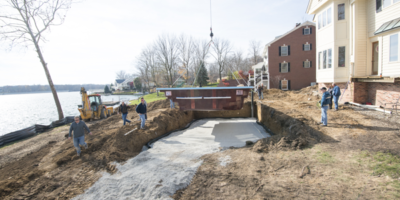
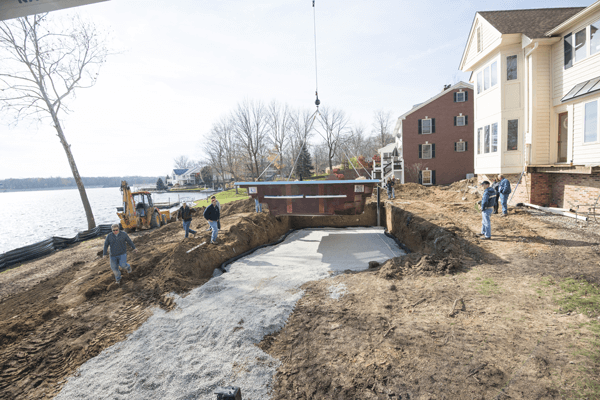
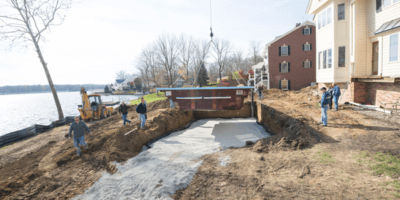
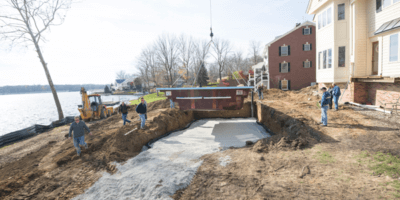
Most deliveries make it to their destination without incident. Some require an innovative approach to get there. One delivery to a home on Geist Reservoir near Indianapolis required something entirely unique. The homeowner’s street couldn’t accommodate a wide-load truck, so their local Thursday Pools dealer coordinated with Geist Marina personnel to lower the buoyant pool shell into the water and tow it across the reservoir to the customer’s backyard.


That story isn’t an outlier as much as it is an illustration of what delivery logistics actually require. Tight alleys, narrow gates, dense suburban streets, overhead utility lines, and sloped driveways all present real access challenges. Your dealer will assess these conditions during pre-delivery site visits and plan accordingly, whether that means alternative rigging, crane placement, or phasing access differently.

What Happens When the Shell Arrives? How Is the Pool Set?

Once the shell arrives, the installation crew uses a crane or specialized equipment to lift it from the trailer and place it in the excavated hole.

With the shell on its gravel base, the crew begins the simultaneous backfill and fill process. Backfilling material goes in around the outside of the shell at the same rate water goes inside, with the equalizing pressure preventing the fiberglass walls from bowing or deforming under soil load. The shell-setting phase typically takes one to two days for a standard residential installation, depending on site conditions and pool size.

What Does Fiberglass Pool Installation Include After the Shell Is Set?

Pool delivery and placing the shell in the ground are parts of a longer process. After the shell is set and backfilled, installers connect plumbing and electrical systems, complete a local inspection, install coping and decking, and balance the water chemistry before the pool is ready to use.

A complete fiberglass pool installation project typically takes two to four weeks, depending on site conditions, permit inspection scheduling, and the scope of surrounding decking and landscaping. For a detailed walkthrough of every phase, see our complete Fiberglass Pool Installation Guide.

What Affects the Pool Delivery and Installation Timeline?

Several factors influence how long the full process takes from order to water:

Permit Approval Speed: Some municipalities approve pool permits in a week. Others take four to six weeks or longer, particularly in jurisdictions with backlogged building departments or additional HOA review requirements.

Site Conditions: Rocky soil, high water tables, limited access, or significant grade changes all extend the excavation and installation timeline. 

Weather: Heavy sustained rainfall can delay excavation, backfill, and concrete work. Most installers can work through light rain, but saturated ground requires a pause until conditions stabilize.

Decking and Landscaping Scope: The pool itself installs quickly. A large custom patio, retaining walls, or extensive landscaping can extend the overall project timeline independent of how smoothly the shell installation goes.

Talk to a Local Thursday Pools Dealer

Pool delivery and installation details vary by site and geographic location. A yard that looks straightforward may have a buried utility, HOA setback restrictions, or access restrictions that change the logistics.

The best way to understand exactly what delivery looks like for your specific property is to talk with an authorized Thursday Pools independent dealer in your area. They will assess your yard, walk you through the delivery and installation sequence, review design options, and give you an accurate project estimate based on your site.

Frequently Asked Questions About Fiberglass Pool Delivery

How is a fiberglass pool delivered to my home?

Your fiberglass pool shell travels from Thursday Pools’ manufacturing facility on a specialized flatbed trailer permitted for wide loads. The trailer delivers the shell to your property, where a crane or rigging equipment lifts it off the truck and into the excavated hole. Your local independent Thursday Pools dealer coordinates the route, timing, and access logistics for each delivery.

How big is a fiberglass pool shell for transport?

Thursday Pools fiberglass pool shells are up to 16 feet wide, the practical limit set by wide-load transport regulations, and up to 41 feet long. The shell ships as a single one-piece unit, which is why transportation dimensions set the upper size limit for fiberglass pools. A pool that large requires a wide-load trailer permit and, in some states, requires the truck to follow specific state-approved routes.

What if my yard doesn’t have enough access for pool delivery?

Limited yard access is one of the most common delivery complications, but it rarely prevents the project from moving forward. Your dealer will assess access during the initial site visit. Solutions include using smaller specialized equipment, adjusting the trailer approach angle, or bringing in a crane with a longer reach to clear an obstacle. In unusual cases, installers map an alternative delivery method before the truck leaves the factory.

What permits are needed before a fiberglass pool can be delivered?

Most jurisdictions require a building permit before pool excavation or installation can begin, and separate electrical and plumbing permit may also apply. Your dealer will help with managing the permit application and knows the local requirements. Permit approval timelines vary significantly by location, from one week to six weeks or more in some municipalities. Scheduling by early spring helps avoid delays that push delivery deep into summer.

How long does fiberglass pool delivery and installation take in total?

The shell-setting phase typically takes one to two days, while the full installation from excavation through final water balancing usually runs two to four weeks. Site conditions, local inspection scheduling, and the scope of surrounding decking and landscaping all affect where the project lands within that range.

Does the homeowner need to be present during pool delivery?

While your presence is not legally or logistically required for the installation crew to proceed, most homeowners choose to be present for the delivery. Your dealer will advise you on this. The delivery and shell-setting process is one of the more visually dramatic stages of a pool project. That said, your dealer will fully manage the crew and the logistics.

What is a wide-load trailer, and why does fiberglass pool delivery need one?

A wide-load trailer is a specialized flatbed permitted to carry cargo exceeding standard highway width limits (typically 8.5 feet), which is necessary for one-piece fiberglass shells. Because fiberglass pool shells can reach 16 feet in width and 41 feet in length, standard trailers can’t carry them legally or safely. Wide-load transport requires special permits, sometimes requires escort vehicles, and follows routes that accommodate the oversize dimensions.