How Much Does a 16×32 Inground Pool Cost?

16X32 Pool

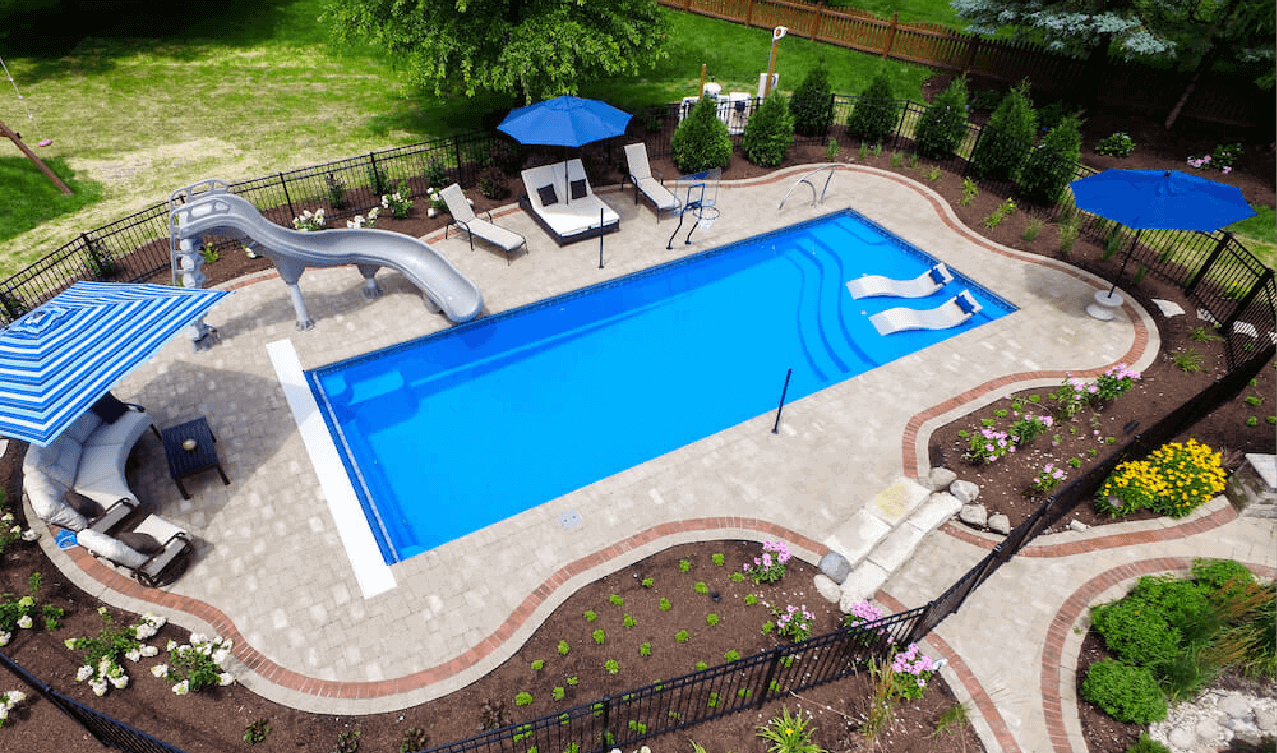
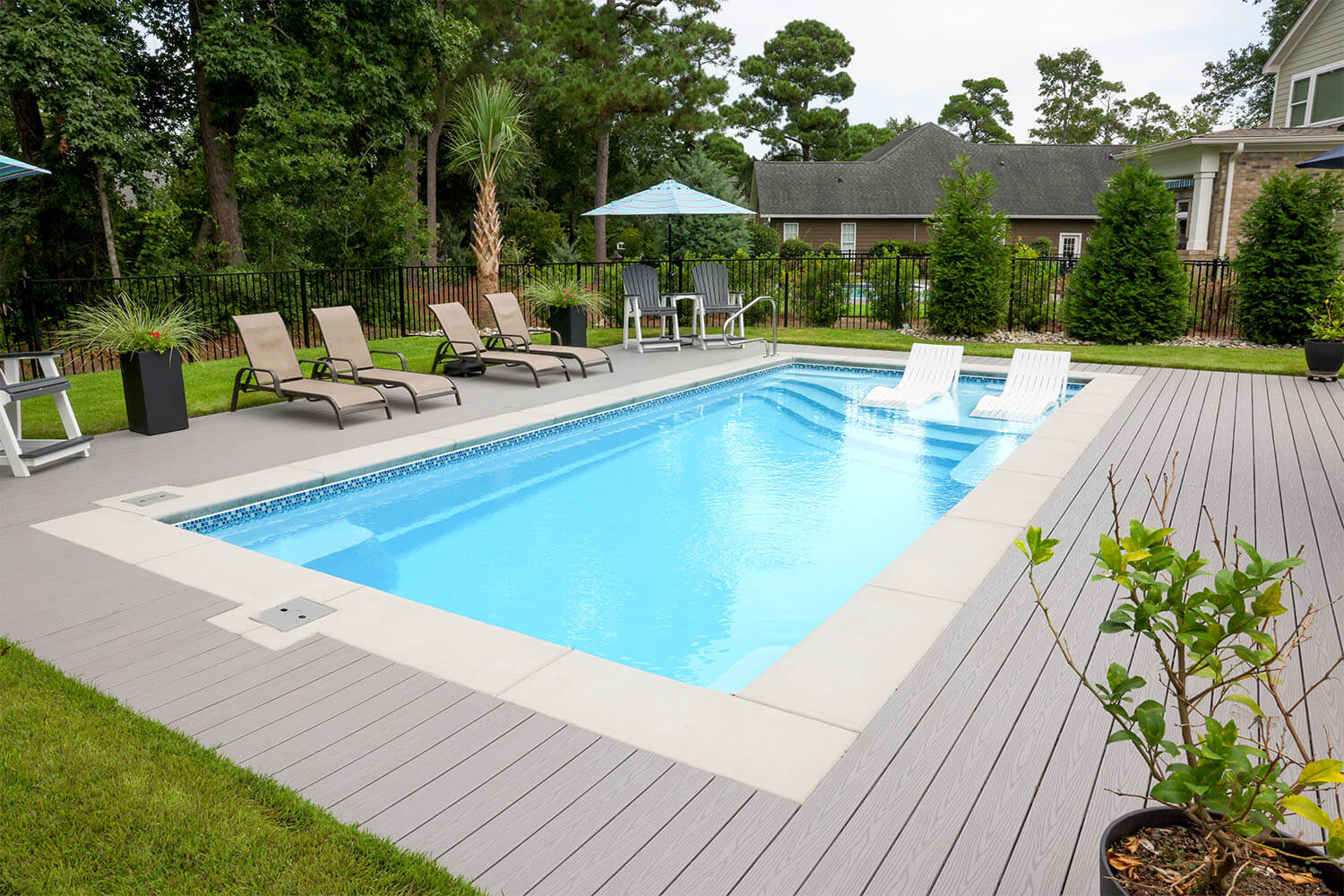
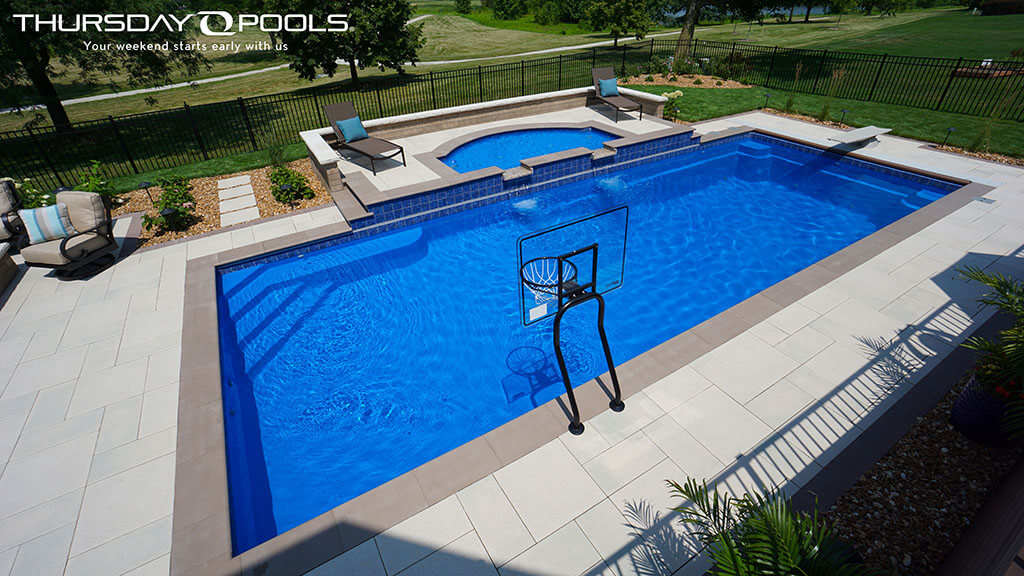
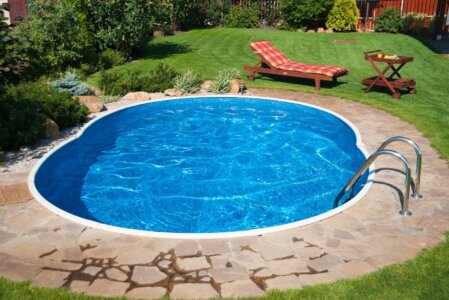
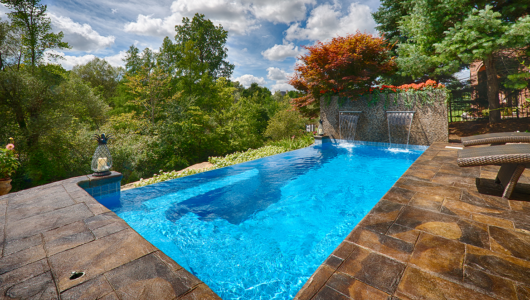
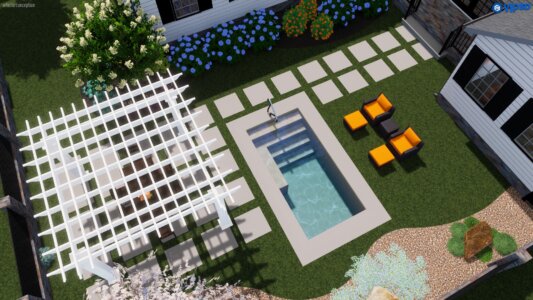
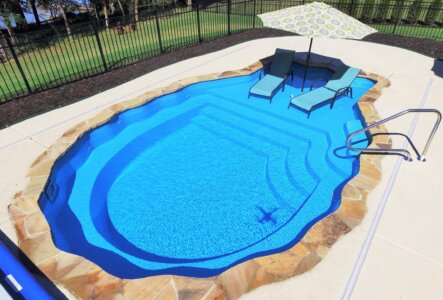
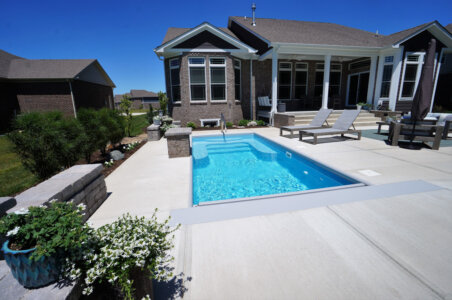
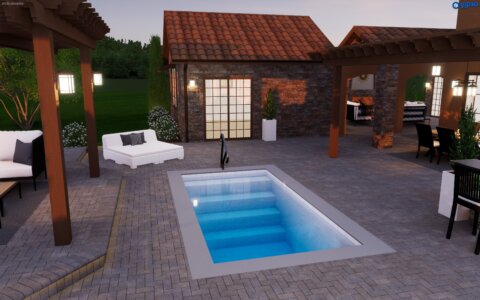
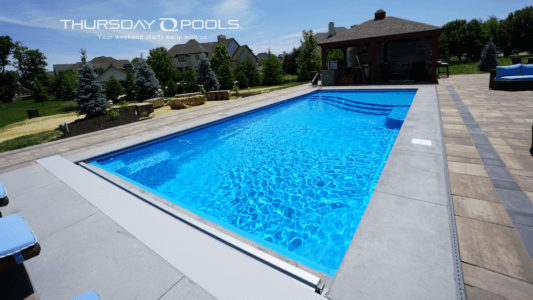
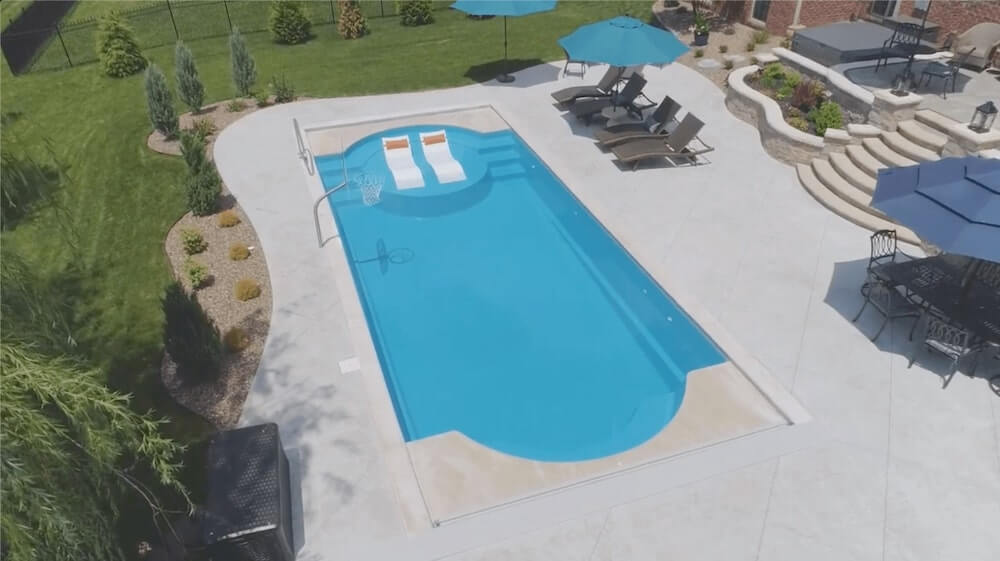
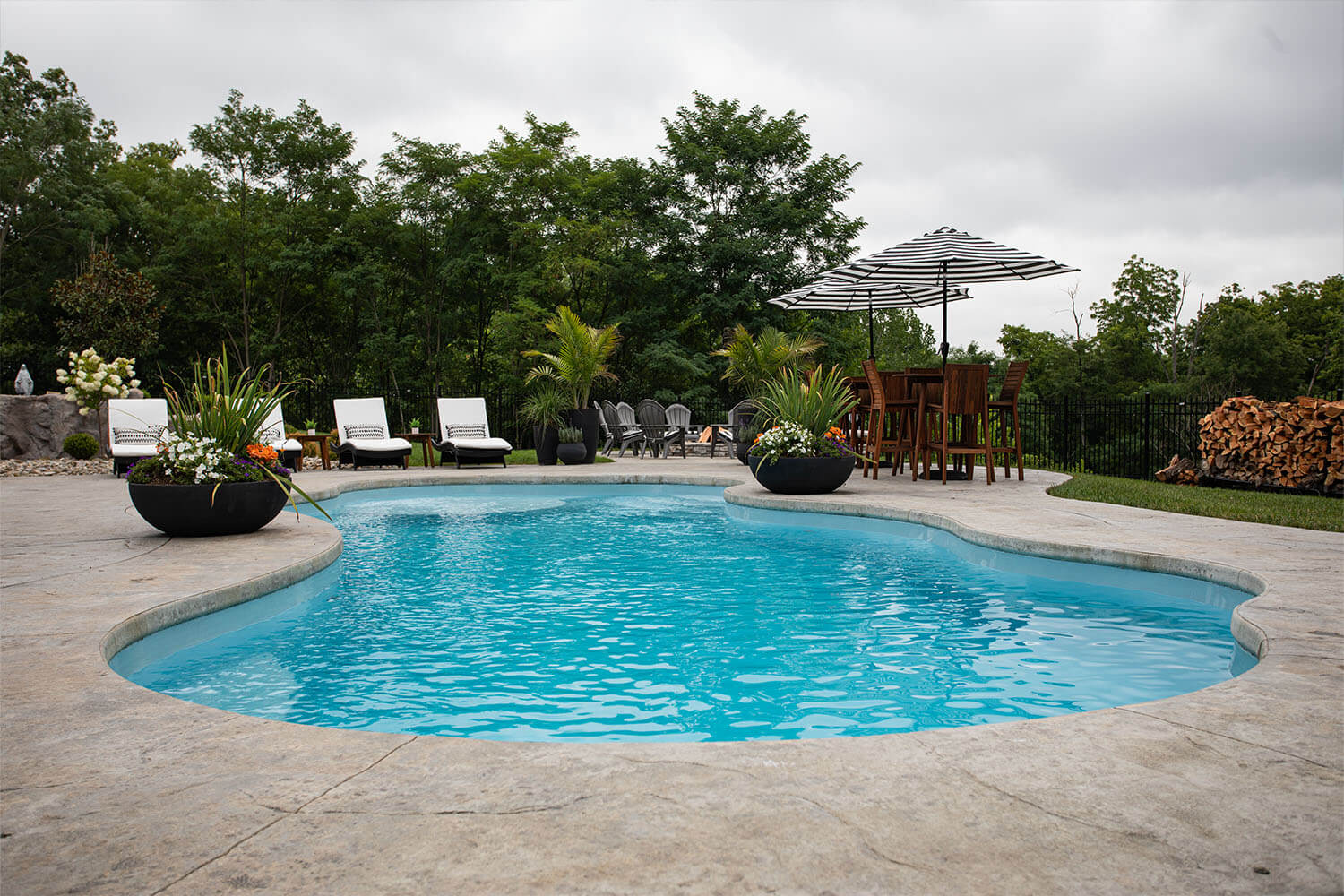
When planning to buy an  inground pool, the size of the pool is an important factor that influences how you use the rest of your outdoor space. The pool’s footprint can determine if there’s enough room for additional features. A popular pool size, 16 x 32, is often the top choice for homeowners with medium to large yards as they still allow room to integrate extras such as seating areas, outdoor kitchens, and maybe even a putting green. Naturally, your next question may be, “What does a 16 x 32  inground pool cost?” Let’s discuss how to get a ballpark estimate.

Understanding How Builders Estimate Inground Pools Prices

One of the first things a homeowner should know is that builders estimate each pool differently depending on the material type. The difference in measurement units—square feet for vinyl and gunite pools versus linear feet for fiberglass pools—arises mainly from how these pool types are constructed and estimated.

Vinyl and Gunite Pools (Square Foot):

  • Construction Approach: Vinyl and gunite pools are built directly on-site, providing the flexibility to create nearly any shape or size tailored to the homeowner’s vision.
  • Square Foot Estimation: These pools may be irregularly shaped due to their custom nature, so builders calculate the total surface area when estimating costs. Estimates include material costs—like the vinyl liner or concrete used in gunite pools—and factors in the complexity of the construction process.
  • Pricing Factors: The pool’s square footage significantly determines the required material and labor and the cost of integrating complex features such as built-in steps or tanning ledges.

Fiberglass Pools (Linear Foot):

  • Construction Approach: Fiberglass pools are manufactured as prefabricated units in various shapes and sizes and are then transported and installed at the pool site.
  • Linear Foot Estimation: Pricing for fiberglass pools often depends on the pool’s length. The length affects installation, transport, and site preparation costs. With fewer variables than custom-built pools, fiberglass pool pricing estimation is less complex.
  • Pricing Factors: The extent of excavation, backfilling, and coping required affects fiberglass pool prices. Since fiberglass pools are pre-shaped and built, surface area measurements are more predictable than those of custom vinyl or gunite pools.

Average Pricing for a 16 x 32 Pool by Pool Type

With a better understanding of how pool builders price pools, let’s discuss the formulas and corresponding inground pool cost estimates.

16 x 32 Vinyl Pool Cost: $61,500

According to  HomeGuide’s 2024 pricing guide, vinyl liner pools average $123 per square foot, putting a pool that is about 500 square feet around $61,500.

16 x 32 Fiberglass Pool Cost: $64K

If you are interested in a fiberglass inground pool, we recommend estimating the initial cost at $2Kper linear foot. So, a 16 x 32 inground fiberglass pool’s ballpark estimate is 32′ x 2K = $64K.

16 x 32 Gunite Pool Cost: $89,600

According to the renovation calculator site,  renotag, gunite pools average $175 per square foot; therefore, a 16 x 32  gunite pool may cost around $89,600.

Other Cost Factors to Consider

Naturally, these numbers don’t cover every situation. For instance, the cost of a pool in a coastal Florida region might be different from that of a pool in a mountainous Colorado area due to variations in local regulations, environmental conditions, labor costs, and material availability. Each location has unique factors that can influence the overall cost of installing a pool. A checklist of other items you may consider in developing your cost picture includes: 

  • Driveway Repair
  • Association Fees or Permits
  • Crane Rental
  • Landscaping
  • Retaining Walls
  • Pool Heater
  • Automatic Vacuum Systems
  • Dirt Hauling
  • Slides or Waterfalls
  • Saltwater Option
  • Generator
  • Specialty Tile
  • Led Lights
  • Bubblers or Deck Jets
  • Spas  

Which Pool Type is Best for You?

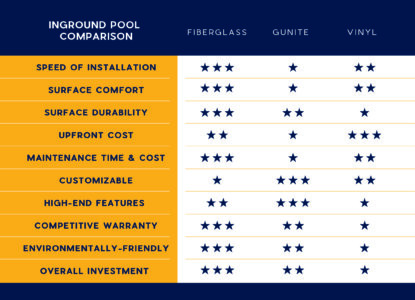
We strongly appreciate fiberglass pools, but it’s essential to consider all your options to make an informed decision. A 16 x 32 inground pool offers various benefits depending on the type you choose. For instance, gunite pools are ideal if you’re looking for a long-lasting option that can fit unique or complex yard shapes. They are also particularly well-suited for expansive properties where custom features and designs are popular. Conversely, you may prefer vinyl pools if you’re aiming for the lowest upfront cost (over the life of the pool, vinyl costs can add up). Each type has its advantages, and considering your specific needs and circumstances will help you make your decision. Here’s a quick reference to some of the pros and cons of each type of inground pool. 

None of the pool types has three stars across the board in our comparison chart. It’s a question of what’s most important to you. Two of the biggest surprises for some buyers are fiberglass’s high marks in “durability” and “surface comfort and safety.” Fiberglass looks so shiny that some mistakenly link it to plastic and worry that it will be brittle and slippery. The fact is that multilayered fiberglass is incredibly durable, and the attractive gelcoat provides a comfortable, non-snag/non-skid surface!


Inground pool comparison Thursday Pools

Need More Tools for Your Quest?

When evaluating fiberglass inground pools, use tools like the Thursday Pools free  pool cost calculator, print out our  pool cost checklist, and  consult a dealer. Every installation is unique, and a dealer can be a great resource in highlighting cost factors specific to your locale, such as site preparation, access issues, fencing, restoration, dirt hauling, or electrical work. The investment in an inground pool can be substantial, but it’s a worthwhile investment in your lifestyle—creating a backyard retreat where unforgettable moments with family and friends can unfold daily!

Is a New Fiberglass Pool a Good Investment?

Adding a swimming pool to your outdoor space transforms what time at home means. For some, it means staycationing at will. For others, it means getting social, stayingThursday Pools Monolith healthy, or having more memories with the family. Regardless of why you want an inground pool, it’s natural to ask, “Is a new fiberglass pool a good investment?” Many factors make a fiberglass pool a good investment. Some will be universal to pools in general (like inground pool cost), some personal to you (like shape and size), and others specific to fiberglass versus other types of pools.

A FEW THINGS YOU MAY NOT KNOW ABOUT FIBERGLASS POOLS

Here are a few quick facts about fiberglass pools that are helpful as you make your assessment of value:

Fiberglass pools are quick to install. Fiberglass pools typically take just a few weeks to install. The shell is pre-built in a controlled factory environment and arrives ready to put in at your site. 

Fiberglass pools are aesthetically pleasing. They look good! The gelcoat finish of a quality-made and maintained fiberglass pool retains its beautiful appearance long after installation. 

Fiberglass pools are not slippery. The shiny gelcoat finish appearance may lead you to think fiberglass pools are slippery. However, the smooth, durable fiberglass surface is non-skid and non-snag for stepping, walking, or sitting on the surface. 

Fiberglass pools are durable. Fiberglass pools can last decades with minimal maintenance and no need for resurfacing, acid-washing, or relining. 

Fiberglass pools are feature-rich. Today’s fiberglass pools have the most in-demand built-in features, like tanning ledges, wide-entry steps, wrap-around bench seating, and swim-outs. 

Fiberglass pools require the lowest maintenance. Fiberglass pools are easier and less expensive to maintain because they are durable and resistant to algae and mineral deposits.  

COMPARING THE INVESTMENT IN FIBERGLASS VERSUS GUNITE OR VINYL 

Let’s dig a little deeper into those fiberglass pool pros and how they compare with gunite and vinyl-lined pools: 

Installation. A vinyl pool can cost a little less than fiberglass upfront but often takes longer to install because pool builders create them onsite. And a gunite pool will cost more than fiberglass or vinyl and can take three to six months to install. 

Aesthetics. Your neighbor will not mistake a ten-year-old vinyl pool for new. You’ll probably need to get a new liner after only five to seven years. A gunite pool can look good for years, but maintaining a like-new appearance requires acid washing and a significant investment in regular maintenance. 

Feel. Gunite feels and looks solid. Its porous surface may also have a more rough feel on feet and paws alike versus other pool types. . Vinyl generally feels soft and comfortable, but wrinkles and seams can cause tripping. Both vinyl-liner and gunite pools can be slippery due to algae buildup.

Features. Installing a vinyl-lined pool with complex features, like wrap-around benches, isn’t impossible, but it adds to both the cost and number of seams (which can harbor algae). You can build a gunite pool with any features you want, but they will be custom, more expensive, and may make cleaning the porous surface more difficult. 

Durability and Maintenance. Vinyl can more easily tear from the scratch of a dog’s nail, and, as mentioned before, you’ll likely need to replace the liner after five to seven years. Gunite’s surface is porous and typically needs to be resurfaced after ten to twelve years on average. In addition, gunite requires more regular maintenance, scrubbing, and chemicals than fiberglass pools.

TIPS TO ENSURE YOUR FIBERGLASS POOL IS A GOOD INVESTMENT 

Don’t try to DIY. When you learn that fiberglass pool shells are durable and arrive at your site already constructed, it’s tempting to think you could save money by doing it yourself. We  don’t advise that approach, especially if you’re thinking long-term about your investment. Warranties are invalid if a qualified dealer or installer doesn’t install the pool. And the technique, know-how, and tools an installer brings to the table are invaluable.

Installers need access. Fiberglass swimming pools are unique in that they arrive as constructed shells, as big as 41′ x 16′. If your backyard site is challenging to access, consult with a dealer. There may be an additional effort and investment required to get your pool into the desired location in some situations.  

Marketability. The National Association of Realtors estimated a fiberglass pool could add more than 5% to the resale value of your home. However, according to HomeLight’s Top Agent Insights Survey for Spring 2021, with the current demand for pools skyrocketing, homes with pools are garnering 69 percent more than those without pools. The exact return on investment will vary. However, in a competitive market, the presence of a beautiful, relatively easy-to-maintain fiberglass pool could be a differentiator that gives your home a selling advantage. 

Value comes with use. It’s not easy to calculate the return on investment of a fiberglass pool in the same way you might a mutual fund. And you probably won’t purchase a fiberglass pool to stage your home the way you might add a new coat of paint or carefully place a new sofa in the living room. We derive much of the value from our pool through its use.

Investment in yourself. Imagine how you will use a fiberglass pool and how that investment will add value to your life. A fiberglass pool is an investment in: 

  • Your social life
  • Childhood enjoyment and family life 
  • Your health and well-being
  • Aesthetics and pleasure 
  • Connection to nature and each other 

As you can see, whether a new fiberglass pool is a good investment or not is somewhat of a personal choice. Before you make your final decision, we urge you to talk with a dealer and discuss your unique situation. 

How Much Does An Inground Pool Cost?

What Does the Cheapest Inground Pool Cost?

Quick Answer: What is the Cheapest Inground Pool?

Vinyl liner pools carry the lowest upfront installation cost at $25,000 to $65,000. Fiberglass pools typically run $45,000 to $100,000 or more installed. Gunite pools have the widest price range at $50,000 to $120,000 or more. Upfront cost tells only part of the story, though. Annual maintenance, vinyl liner replacement cycles, and concrete resurfacing requirements affect long-term ownership cost significantly.


Finding the cheapest inground pool type to install is a reasonable starting point, but it doesn’t accurately reflect inground pool cost over 10, 20, or 50 years of ownership. 

What Is the Cheapest Inground Pool to Install?

Vinyl liner pools are the least expensive inground option for initial installation. Fiberglass pools typically fall in the middle, while gunite pools carry the widest range and most often land at the high end.

Vinyl Liner Pool Cost: $25,000-$65,000

Vinyl liner pools are generally the most affordable inground pools to build, with an average installed cost of $25,000 to $65,000. That range makes them the entry point for most buyers choosing an inground pool on a tighter budget.

The lower upfront cost comes with a recurring expense built into the pool’s design. Vinyl liners need replacement every 5 to 15 years, and each replacement typically costs $3,000 to $7,500, according to HomeGuide. Custom shapes beyond a standard rectangle add to both the initial liner cost and future replacement costs, because custom liners require specialized manufacturing.

Inground Pool Cost Fiberglass Pool Cost: $45,000-$100,000+

Fiberglass pools typically cost $45,000 to $100,000 or more installed, according to a 2026 survey of independent builders in the Thursday Pools dealer network. A commonly used industry baseline for estimating a fiberglass pool’s starting cost is at least $2,000 per linear foot for the shell and core installation.

For a full cost breakdown by size, design, and region, see the Fiberglass Pool Cost Guide.

The price of a fiberglass pool stays relatively consistent across shapes because the shell comes pre-manufactured. A freeform fiberglass pool and a rectangle of similar length typically cost within the same range. Beach entry designs tend to run 15 to 20 percent more than a standard design of comparable size.

Fiberglass built-in features, including wide steps, wraparound bench seating, tanning ledges, and swim-outs, come molded into the shell at no additional construction cost. In a vinyl liner or gunite pool, those same features are custom-built and add to both the upfront price and ongoing maintenance considerations.

Gunite Pool Cost: $50,000-$120,000+

Gunite pool installation costs range from $50,000 to $120,000 or more, making gunite the most expensive pool type on average. The range is wide because gunite pools are built entirely on-site, and every design decision on shape complexity, size, depth, and features adds labor and material cost. A basic rectangle in a region with high gunite installation volume can land at the lower end. An elaborate custom design in a high-cost market can push well above $120,000.

Sunbelt markets like Texas, Arizona, and Florida see the highest concentration of gunite installations, partly because those climates don’t subject concrete to the same freeze-thaw stress as northern states. Where gunite installation is high-volume, pricing can be more competitive.

What Does Each Inground Pool Type Cost to Maintain Over Time?

Upfront installation is one number. Long-term ownership is a different calculation.

Annual Maintenance Costs

Fiberglass pools typically cost $500 to $1,500 per year to maintain, primarily because the smooth, non-porous gelcoat surface resists algae and requires fewer chemicals than the other pool types. Most fiberglass owners manage the weekly routine of skimming, testing, and basket cleaning in about an hour.

Vinyl liner pools typically cost $1,000 to $2,000 per year in maintenance. The liner surface is more prone to algae and requires more cleaning effort, closer to two to three hours per week on average.

Gunite pools typically cost $2,000 to $4,000 per year to maintain. Concrete is porous, which means algae takes hold more easily and chemical use runs higher. Expect four to eight hours per week of maintenance, plus the recurring cost of acid washing every three to five years.

Long-Term Resurfacing and Replacement Costs

Vinyl liner pools require a new liner every 5 to 15 years. At $3,000 to $7,500 per cycle, per HomeGuide, this is a predictable but recurring cost over the life of the pool.

Gunite pools require resurfacing every 10 to 15 years, typically at $6,000 to $15,000 or more per cycle, per HomeGuide. The porous surface accumulates algae and mineral deposits over time and eventually degrades to the point where a fresh plaster finish is needed.

Fiberglass pools don’t require liner replacements or resurfacing work. The gelcoat surface is non-porous and, with proper chemistry and care, doesn’t degrade the same way that concrete or vinyl does.

Maintenance Comparison

Pool Type Annual Maintenance Estimated 10- to 15-Year Maintenance Cost
Fiberglass $500-$1,500 per year $3,000-$5,000
Vinyl liner $1,000-$2,000 per year $6,000-$10,000+ (plus liner replacement)
Gunite (concrete) $2,000-$4,000 per year $20,000+ (plus resurfacing)

What Factors Make Any Inground Pool More or Less Expensive?

Several variables affect the final project total regardless of pool type.

Pool Size

Smaller pools cost less to install and less to maintain. A compact pool requires less excavation, less water, less chemical maintenance, and less surrounding decking than a large pool. For buyers prioritizing affordability, small pool designs are the starting point.

Pool Shape

For vinyl liner and gunite pools, shape directly affects cost. Simple rectangles cost less because they require less custom labor at installation and, for vinyl, less custom liner fabrication. For fiberglass pools, shape doesn’t significantly affect the price because shells are manufactured at a set cost regardless of contour.

Site Conditions

Rocky soil, clay-heavy ground, steep slopes, and limited yard access all add to installation costs. Excavation in difficult soil conditions can cost significantly more than standard work. Limited access may require crane service to place the pool shell, adding several thousand dollars.

Features and Add-Ons

Heaters, automatic covers, bubblers, deck jets, LED lighting, slides, and water features all add to the project total. Safety fencing, required in most jurisdictions, is frequently excluded from base quotes. According to the 2026 survey of independent Thursday Pools dealers, homeowners can expect to pay an average of $8,115 for a 300-linear-feet fence, depending on material and linear footage.

Region

Labor rates, permit costs, and material supply all vary by location. The same pool project can cost meaningfully more in a high-cost coastal market than in a Midwest suburb, independent of the pool type.

Find the Most Affordable Pool for Your Backyard

The cheapest pool for your backyard depends on your priorities. If the lowest upfront cost matters most, vinyl liner pools are often the easiest and most affordable path to pool ownership. If the lowest total cost over a decade matters more, fiberglass pools typically come out ahead once factoring in maintenance and replacement cycles.

A local Thursday Pools independent dealer can assess your yard, review your budget, and walk you through which designs and pool types fit your goals. The Pool Cost Calculator and Pool Cost Checklist are also good starting points before your first dealer conversation.

Frequently Asked Questions About Cheapest Inground Pool Costs

What is the cheapest type of inground pool?

Vinyl liner pools carry the lowest upfront installation cost at $25,000 to $65,000. Fiberglass pools typically run $45,000 to $100,000 or more installed. Gunite pools range from $50,000 to $120,000 or more. Over time, fiberglass pools typically cost the least to own because they don’t require liner replacement or resurfacing like other pool types.

What is the cheapest inground pool to maintain?

Fiberglass pools are the least expensive inground pool type to maintain. Annual maintenance typically runs $500 to $1,500 per year, compared to $1,000 to $2,000 for vinyl liner pools and $2,000 to $4,000 for gunite pools. Fiberglass pools also avoid the liner replacement costs ($3,000-$7,500 every 5-15 years) that vinyl owners face and the resurfacing costs ($6,000-$15,000 every 10-15 years) that gunite owners face.

How can I reduce the cost of an inground pool?

Choosing a smaller pool is the most direct way to reduce cost. Simpler shapes reduce construction costs in vinyl liner and gunite pools. Avoiding expensive add-ons, such as auto covers, water features, and heaters, at installation keeps the base project lower. For fiberglass buyers, built-in features like steps and benches come at no extra cost, so the savings on those elements are already built in. Comparing fully itemized quotes from multiple dealers is essential, since base estimates can exclude permits, electrical, fencing, and dirt hauling.

Is fiberglass or vinyl liner cheaper?

Vinyl liner pools cost less to install upfront. Fiberglass pools typically cost less over 10 to 15 years of ownership because they don’t require liner replacement. At $3,000 to $7,500 per liner replacement every 5 to 15 years, the cumulative cost narrows the gap between vinyl and fiberglass relatively quickly.

What is not included in a cheap inground pool quote?

Many base inground pool quotes exclude permits, electrical work, safety fencing, water fill, dirt hauling, decking, pool covers, and yard restoration. These line items can add $10,000 to $30,000 or more to the total project cost, depending on location and scope. Always request an itemized quote and ask specifically about each of those items before comparing estimates from different contractors.

Does a cheap inground pool add value to your home?

Inground pools generally add value in markets where outdoor recreation is a priority, particularly in warmer climates. A pool in good condition tends to be viewed more favorably by buyers than one with visible deferred maintenance. A fiberglass pool with no resurfacing needs and low ongoing maintenance presents as a lower-cost ownership experience to potential buyers compared to a gunite pool due for resurfacing.

What is the cheapest inground pool for a small yard?

For small yards, compact fiberglass designs such as plunge pools and small rectangle models starting around 12′ x 25′ provide the smallest footprint at predictable cost. Vinyl liner pools in a small rectangle shape are the least expensive starting point on price alone. Both types can work in limited spaces, though fiberglass offers the advantage of built-in features and lower long-term maintenance.

Everything You Need to Know About Inground Pools: Comparing Fiberglass, Vinyl, and Gunite Options

How Much Does a Fiberglass Pool Cost?

How Much Does a Small Inground Pool Cost?

Thursday Pools' Lil Bob Maya Jenn James GragUnderstanding how much a small inground pool costs is an important first step when planning for a pool in a compact backyard. Smaller pools offer a practical solution for limited spaces, delivering style, function, and enjoyment without the size or expense of a full-size pool. With the right approach, they can enhance your outdoor space while fitting your budget. Whether you’re dreaming of a quiet retreat or a stylish entertaining spot, a small inground pool can transform even the smallest or simplest backyard into something extraordinary.

Why Choose a Small Inground Pool?

Small inground pools offer numerous benefits for homeowners with smaller yards, families, or those seeking an efficient and stylish pool solution. Thoughtful and creative designs enable these pools to maximize limited outdoor spaces while maintaining sophistication and practicality. Their streamlined size contributes to easier maintenance, reduced water and chemical use, and lower long-term ownership costs. Despite their compact dimensions, these pools do not compromise on features or visual appeal. With careful planning, a small inground pool can become a striking focal point of your backyard, providing a perfect balance of relaxation, recreation, and fitness opportunities. For example, flat-bottom models are particularly well-suited for activities like water aerobics or integrating swim jet systems, combining leisure and exercise in a versatile setting.


How Much Does a Small Inground Vinyl Liner Pool Cost?

As of 2025, HomeGuide’s data indicates that the average cost of a vinyl liner inground pool ranges from $16,600 to $49,000 for pools between 200 and 400 square feet, depending on design and features. This price covers installation, excavation, materials, and labor, but excludes additional expenses like decking, landscaping, and optional upgrades such as lighting or heating. It’s also important to consider that vinyl liners typically need replacement every 5 to 15 years, at a cost ranging from $2,000 to $7,500, which adds to the long-term ownership expenses.


How Much Does a Small Inground Gunite (Concrete) Pool Cost?


Gunite (concrete) pools for smaller yards, typically ranging from 200 to 400 square feet, generally cost between $20,000 and $84,000, according to Renotag’s pricing data, depending on the complexity of the design and regional variables. It’s also important to factor in ongoing maintenance costs such as resurfacing, acid washing, and regular upkeep, which add to the overall long-term expense. Taking all these considerations into account will help ensure a comprehensive budget for both installation and long-term care.


How Much Does a Small Inground Fiberglass Pool Cost?

Inground fiberglass pool costs typically begin around an average $2,000 per foot of pool length. For example, the Sea Turtle model, which measures 19.5 feet long, may cost approximately $39,000, while the 27.5-foot-long Lil Bob design can average $55,000 based on this calculation. These estimates generally cover the pool itself but exclude additional expenses such as decking, spa add-ons, and ongoing maintenance.

Unlike vinyl liner or gunite pools, manufacturers prefabricate fiberglass pools in a controlled factory environment and deliver them ready for installation, reducing complexity and installation costs. While customization options are more limited, many features come built into the design, minimizing the need for costly add-ons. Although fiberglass pools generally require less maintenance than other types, regular care—including cleaning, chemical treatments, and electricity—remains essential and should be in your budget.


Plunge Pools


Plunge pools offer a peaceful, space-saving retreat ideal for repose, light exercise, and socializing, with several popular designs that bring comfort and style to smaller backyards.

The Nook by Thursday Pools

The Nook
Compact and serene, The Nook measures 8 feet, 4 inches, wide by 16 feet long and features a consistent flat-bottom surface. It’s ideal for lounging or cooling off on warm days. Its simple yet practical design makes it easy to maintain and a perfect escape for calm moments.


Thursday Pools pearl pool with decorative hardscaping border

The Pearl
With a wraparound bench and built-in tanning ledge, the Pearl brings a spa-like experience to your backyard. Measuring 15 feet wide by 25 feet long, it’s designed for elegant ease and effortless conversation. The graceful curves of this pool create a welcoming atmosphere for entertaining guests or unwinding solo.


Sea Turtle in Caribbean Sparkle by Thursday Pools

Sea Turtle
The Sea Turtle combines style with usability, measuring 9.5 feet wide by 19.5 feet long and featuring generous bench seating and wide entry steps. It’s great for socializing or adding a swim jet for light exercise, and the design adds a touch of sophistication while maximizing comfort.


The Nest Feature Video

The Nest
Minimalist in design yet big on comfort, The Nest measures 16 feet long by 8 feet, 4 inches, wide with a flat-bottom surface. It’s easy to navigate, safe for all ages, and ideal for socializing or light water aerobics. Auto-cover compatibility makes it a smart, versatile choice for any backyard.


Other Small Pool Options


These small pool designs provide more room to move while still maintaining a compact footprint. They’re ideal for families, entertaining, or light exercise.

Lower Aerial wide shot of Thursday Pools Lil Bob pool

Lil Bob
Designed with versatility in mind, Lil Bob measures 13.5 feet wide by 27.5 feet long and has full-length benches on both sides. The center swim lane supports low-impact fitness and fun. Its practical layout offers ample space for both relaxation and activity, balancing usability with style.


Thursday Pool Caribbean Sparkle Titus pool

Titus
Titus brings a touch of playful sophistication with its flowing, freeform shape. At 12 feet wide by 26 feet long, it’s perfect for water aerobics, casual swimming, or lounging on the built-in beverage bench. The sinuous design softens your backyard space, making it feel inviting and dynamic.


Aspen Pool with Thursday Pools logo in left corner

Aspen (Small Size)
Aspen offers spa-inspired comfort in a space-conscious design. The smallest model measures 12 feet wide by 25 feet long, featuring a spacious tanning ledge, comfortable bench seating, and a courtesy ledge around the deep end for standing and socializing. Its graceful form and thoughtful details provide a serene retreat that enhances any outdoor living area.


Designed for Small Spaces, Built for Big Enjoyment

Whether you’re dreaming of a private plunge pool or a compact design with room to move, Thursday Pools’ small fiberglass models offer smart design, lasting quality, and low-maintenance appeal perfect for maximizing your outdoor space. While the pricing estimates above provide a helpful starting point, connect with a local pool builder to get an accurate quote based on your specific needs. You can also explore options with the free Thursday Pools Pool Cost Calculator. Whichever model you choose, a small fiberglass pool can turn your backyard into a personal retreat.

Fiberglass Pools: Everything You Need To Know Before You Buy

How Much Does a Fiberglass Pool Cost in Tennessee?

Based on a 2026 survey of independent fiberglass pool builders in the Thursday Pools dealer network, a standard fiberglass pool installation in Tennessee averages $74,211 for a small pool, $93,421 for a medium pool, and $113,158 for a large pool. Your final fiberglass pool cost will depend on details like pool size, yard conditions, local permit requirements, and the optional upgrades you choose.

Tennessee’s geography creates real variation in pool installation costs from one part of the state to another. In metro areas like Nashville, Memphis, and Knoxville, local permit requirements and zoning regulations can add to the project cost. In the rolling hills of Middle Tennessee and the Cumberland Plateau, sloped terrain often requires additional grading work. Along the Tennessee River valley and in the Mississippi River lowlands of West Tennessee, flatter terrain can simplify installation, though soil conditions still vary. In East Tennessee’s Appalachian foothills, rocky soil conditions can increase excavation complexity and site-prep costs directly.

Optional upgrades such as pool heaters, automatic covers, and custom patio surfaces add to your total, but they also determine how much use and year-round value you get from the pool. A local independent Thursday Pools dealer can help you decide which additions fit your yard and your budget.

What is the Average Cost of a Fiberglass Pool Installation in Tennessee?

Thursday Pools surveys its network of independent dealers across the country each year to track real-world installation costs. The figures below come from the responses of 20 dealers operating throughout Tennessee.

Based on the 2026 survey of independent Thursday Pools dealers in Tennessee, installed fiberglass pool costs average $74,211 for small pools, $93,421 for medium pools, and $113,158 for large pools.

AVERAGE TENNESSEE FIBERGLASS POOL INSTALLATION BY SIZE

Pool Type Small Fiberglass Pools Medium Fiberglass Pools Large Fiberglass Pools
Size Range Up to 26 feet long or 400 square feet 26 to 34 feet long or 400 to 600 square feet 35 feet and longer or 600+ square feet
Average Cost $74,211 $93,421 $113,158

What Counts as a Standard Pool Installation?

Most Tennessee dealers include the following in a base package: the pool shell, excavation, basic pump and filtration equipment, plumbing, basic electrical, permits, a single pool light, initial water fill, dirt hauling, concrete decking approximately 3 feet around the pool, delivery, and labor. What individual dealers include can vary, so always compare proposals carefully. Expanded decking, fencing, landscaping, pool covers, and optional features typically cost extra.

Contact a nearby Thursday Pools dealer for a custom quote and to learn about financing options for your Tennessee pool installation.

What Do Popular Fiberglass Pool Models Cost Installed in Tennessee?

Thursday Pool Caribbean Sparkle Titus pool

TITUS (12′ x 26′)

Titus is a compact freeform pool well-suited to smaller backyards across Tennessee’s urban and suburban neighborhoods, from older Nashville lots to tighter properties in Chattanooga’s hillside neighborhoods. Its interior includes wide entry steps, integrated bench seating, and a natural shape that works well in yards where terrain or lot lines make a rectangular footprint challenging.

Based on 2026 feedback from Thursday Pools dealers across Tennessee, the average installed cost for a small fiberglass pool like Titus or other designs less than 26 feet long and 400 square feet is $74,211.
Lower Aerial wide shot of Thursday Pools Lil Bob pool

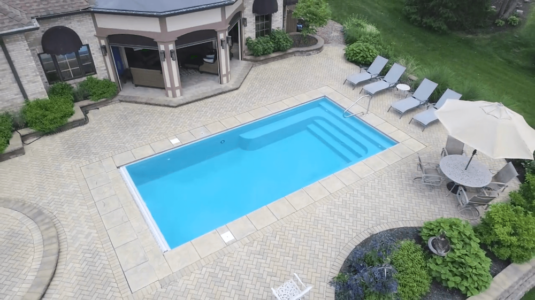
LIL BOB (13.5′ x 27.5′)

Lil Bob delivers a clean rectangular layout with a uniform flat-bottom depth that makes the full pool usable from end to end. Dual elongated benches run along opposite sides of the interior, and full-width entry steps keep access straightforward. For mid-size Tennessee backyards, like suburban lots in Franklin or Germantown, it fits without overwhelming the yard.

According to 2026 survey responses from independent Thursday Pools dealers in Tennessee, the average installed cost for a medium-sized fiberglass pool like the 13.5′ x 27.5′ Lil Bob is $93,421.
Thursday Pools Cathedral LX

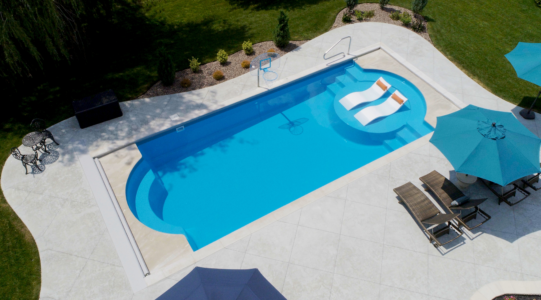
CATHEDRAL LX (16′ x 40′)

With its stately curves and resort-style layout, Cathedral LX  brings luxury and symmetry to Tennessee backyards big enough to handle a showstopper. From Franklin to Farragut, this 40-foot fiberglass pool impresses with its classic Roman-inspired shape, dual entry steps, and built-in benches at both ends. The expansive swim corridor and generous tanning ledge provide the perfect combination of space for laps, lounging, and laid-back afternoons in the water.

Due to its size, at 40 feet long and more than 600 square feet, larger pools like Cathedral LX typically come at a higher installed cost. In Tennessee, the 2026 average installed cost for a large fiberglass pool is $113,158.

What Yard Conditions Affect Fiberglass Pool Installation Costs in Tennessee?

Tennessee’s varied soil types and terrain can affect installation costs significantly, sometimes more than homeowners expect. Before breaking ground, a professional installer assesses your site for conditions that may require extra preparation.

Soil Type

Tennessee soil varies considerably across the state’s three regions. In East Tennessee, rocky conditions in the Appalachian foothills can require heavier excavation equipment and more labor. Middle Tennessee’s clay-heavy ground can create drainage and stability concerns. In West Tennessee, loamy soils along the Mississippi River valley are generally easier to work with, though some areas may need additional stabilization. A pre-installation site assessment identifies what your soil requires before the project begins.

Slope and Grade

Yards with a slope often require grading, retaining walls, or other leveling work before excavation and installation can move forward. Properties in Tennessee’s rolling hills, particularly around Nashville, the Cumberland Plateau, and East Tennessee’s mountain foothills, are more likely to encounter this. A flat, level yard typically keeps installation more straightforward and predictable.

Backyard Access

Wide, open access makes a fiberglass pool installation more efficient. Properties with narrow gates, tight side yards, or other access constraints may need specialty equipment, additional labor, or crane service to move the pool shell into position. In denser neighborhoods, particularly in Nashville’s older suburbs or Knoxville’s hillside areas, access limits can affect both the timeline and the cost.

AVERAGE ADDITIONAL YARD-RELATED EXPENSES IN TENNESSEE


Excavating Rocky Soil $4,500
Excavating Sandy Soil $1,200
Excavating Clay-Heavy Soil $1,294
Above-Average Slope Requiring Extra Grading  $3,356
Limited Yard Access $4,300

Based on the 2026 Tennessee dealer survey, site-condition upcharges range from about $1,200 for sandy soil excavation to $4,500 for rocky soil excavation


What Are Tennessee’s Swimming Pool Fence Requirements?

Tennessee’s statewide residential pool safety law focuses on pool alarms, not a universal statewide pool fence code. Under Katie Beth’s Law, residential swimming pools must have a functioning pool alarm installed. Tennessee law also restricts local governments from issuing a building permit for a residential pool construction or substantial alteration unless the project calls for a functioning pool alarm before completion.

Swimming pool fence and barrier requirements are generally handled through local city or county building codes. Many Tennessee jurisdictions follow the International Swimming Pool and Spa Code (ISPSC) or similar residential pool barrier standards. Common requirements may include:

  • The barrier must be at least 48 inches tall, measured from the outside ground level.
  • The gap between the ground and the bottom of the barrier often must not exceed 2 inches.
  • Gates must be self-closing and self-latching, and must swing outward away from the pool.
  • Gate latches positioned less than 54 inches above the ground must be located on the pool-facing side of the gate.
  • The barrier cannot have footholds or handholds that could be used for climbing.

Always check swimming pool barrier and safety regulations for your local county or municipality before installation. Local rules can vary, and some Tennessee jurisdictions may adopt stricter requirements than the baseline model code.

For a 300-linear-foot basic pool fence, Tennessee dealers estimate an average cost of $8,538. Final pricing varies by material, height, gate requirements, terrain, and local code.

How Much Do Fiberglass Pool Upgrades Cost in Tennessee?

Optional features can expand what your pool does and how long you use it each season. Tennessee’s climate gives homeowners a solid outdoor swimming season, but the right upgrades extend that advantage further and bring additional comfort or convenience. The averages below come from Thursday Pools’ 2026 dealer survey of independent installers across Tennessee.

Water Quality & System Controls

Pool Heater

  • Average Cost in Tennessee: $5,881
  • Extend your swim season by keeping the water at a comfortable temperature into cooler spring and fall months, maximizing your investment in Tennessee’s transitional seasons.

UV Filter System

  • Average Cost in Tennessee: $2,694
  • A UV system passes pool water through an ultraviolet light chamber that destroys bacteria, algae, and chloramines so chlorine works more efficiently and you need less of it to maintain safe, sanitary water.

Pool Automation and Smart Control System

  • Average Cost in Tennessee: $5,906
  • Manage temperature, lighting, and filtration from a smartphone or tablet.


Patio and Hardscape

Poured Concrete Patio (Approx. 1,200 sq. ft.)

  • Average Cost in Tennessee: $11,825
  • A durable, low-maintenance decking option that handles Tennessee’s temperature swings and occasional freeze-thaw cycles.

Paver Patio (Approx. 1,200 sq. ft.)

  • Average Cost in Tennessee: $13,881
  • Available in a range of materials, from concrete pavers to natural stone, with a more finished aesthetic than poured concrete.


Safety and Covers

Fence (300 Linear ft.)

  • Average Cost in Tennessee: $8,538
  • Final cost varies by material choices, total fence length, and local code requirements.

Non-Automatic Safety Pool Cover

  • Average Cost in Tennessee: $4,550
  • A manual option for securing the pool and keeping debris out between uses.

Automatic Pool Cover

  • Average Cost in Tennessee: $19,769
  • One-touch operation to protect the pool, retain heat, and reduce evaporation. Many Tennessee homeowners prioritize this upgrade for safety and convenience.


Water Features

Deck Jets

  • Average Cost in Tennessee: $850 per jet
  • Arc water from the coping into the pool, adding visual movement and ambient sound to the pool area.

Bubblers

  • Average Cost in Tennessee: $1,062 per bubbler
  • On a tanning ledge or beach entry, create movement and the sounds of a babbling brook in shallow pool water.

Cascade or Waterfall

  • Average Cost in Tennessee: $3,138
  • Add a flowing water element and natural sound to the pool environment.


Cleaning and Maintenance

Automatic Pool Cleaning and Vacuuming System

  • Average Cost in Tennessee: $1,619
  • Keep the pool floor and walls clean with minimal manual effort.


Lighting and Tile

LED Pool Lights

  • Average Cost in Tennessee: $1,445 per light
  • Adds ambiance and visibility for evening and nighttime use.

Specialty Waterline Tile

  • Average Cost in Tennessee: $4,169
  • Installed along the waterline for a custom, finished appearance at the pool edge.


Recreation

Simple Pool Slide*

  • Average Cost in Tennessee: $4,319
  • A standard slide for family use.

Deluxe Pool Slide*

  • Average Cost in Tennessee: $8,869
  • More height and design details than a basic model.

Diving Board (Type 1 Diving Pools Only)*

  • Average Cost in Tennessee: $2,631
  • Only manufacturer-designated Type 1 diving pools support diving board installation. Homeowners should use only manufacturer-approved diving boards with pool models designated as diving pools and must consult a licensed professional to verify compliance with all local building codes and safety requirements before installation.

Thursday Pools strongly advises against pool slides and diving boards due to safety concerns. The inclusion of a diving board or slide with any fiberglass pool must be carefully reviewed by a licensed professional to ensure compliance with all local building codes, safety regulations, and manufacturer guidelines. Not all fiberglass pool models are suitable for diving or slide use. It is the responsibility of the homeowner and installer to ensure proper installation and usage. Always prioritize safety and consult a qualified expert before adding any diving or sliding feature to your pool.


Landscaping and Extras

Surrounding Landscaping

  • Average Cost in Tennessee: $5,975
  • Includes decorative rocks, plantings, trees, bushes, flower beds, and similar elements that connect the pool to the rest of the yard.

Add-On Spa

  • Average Cost in Tennessee: $20,700
  • A separate spa unit for relaxing hydrotherapy, neighboring or independent of the main pool.


Frequently Asked Questions About Tennessee Fiberglass Pool Costs

How much does a fiberglass pool cost in Tennessee?

A fiberglass pool in Tennessee costs an average of $74,211 for a small pool, $93,421 for a medium pool, and $113,158 for a large pool, based on Thursday Pools’ 2026 dealer survey of 20 Tennessee installers.

What does a standard fiberglass pool installation in Tennessee include?

Our 2026 Tennessee dealer survey shows that a standard fiberglass pool installation typically includes:

  • Excavation and Dirt Hauling: Soil removal and site preparation.
  • Pool Shell and Delivery: The physical fiberglass pool shell unit delivered to your home.
  • Filtration System: Basic pump, filter, and plumbing.
  • Standard Decking: Approximately 3 feet of concrete surrounding the pool.
  • Permits and Basic Electrical: Includes local Tennessee municipal filings and one LED pool light.

What yard conditions raise fiberglass pool installation costs in Tennessee?

Rocky soil in East Tennessee’s Appalachian foothills requires heavier excavation equipment and more labor. Clay-heavy soil in Middle Tennessee can create drainage concerns. Sloped yards — common throughout Tennessee’s rolling terrain — often need grading work to create a level base. Limited backyard access, such as narrow gates or tight side yards in urban neighborhoods, can require crane service or specialty equipment. Based on the 2026 Tennessee dealer survey, site-condition upcharges range from about $1,200 for sandy soil excavation to $4,500 for rocky soil excavation.

What are Tennessee’s pool fence requirements?

Tennessee’s residential pool safety law, Katie Beth’s Law, focuses on pool alarms for swimming pools. Pool fence and barrier requirements are generally handled through local city or county building codes, and many Tennessee jurisdictions use the International Swimming Pool and Spa Code (ISPSC) or similar standards. Common local requirements include barriers at least 48 inches tall, limited ground clearance, self-closing and self-latching gates that swing away from the pool, child-resistant latch placement, and designs that limit footholds or handholds. Local rules can vary, so homeowners should verify requirements with their county or municipality before installation.

The 2026 Tennessee Thursday Pools dealer survey average for a 300-linear-foot basic fence is $8,538, with final costs varying by material, height, gate requirements, terrain, and local code.

How much do common pool upgrades add to the cost in Tennessee?

Upgrade costs vary widely depending on the feature:

  • A pool heater averages $5,881.
  • An automatic pool cover averages $19,769.
  • A paver patio of approximately 1,200 square feet averages $13,881.
  • An add-on spa averages $20,700.
  • Smaller additions like deck jets ($850 per jet), bubblers ($1,062 per bubbler), and LED lights ($1,445 per light) add cost in more modest increments.

How do I get an accurate cost estimate for a fiberglass pool in Tennessee?

The most accurate estimate comes from a  local independent Thursday Pools dealer who can assess your yard, review local permit requirements, and give you a project-specific quote. Survey averages provide a useful starting point, but site conditions, design choices, and local labor rates determine what you actually pay.


Heating and Filtration Systems

Pool Heater Average Cost in Tennessee: $6,833

Extend your swimming season and keep your pool water comfortable, even as the evenings cool.


UV Filter System Average Cost in Tennessee: $2,567

Reduce chemical usage and maintain crystal-clear water using a UV filtration system that helps eliminate bacteria and algae.


Pool Automation and Smart Control System Average Cost in Tennessee: $5,250

Control your pool’s temperature, filtration, and lighting from anywhere using a smartphone or tablet app.


Safety and Maintenance Features

Automatic Pool Cover Average Cost in Tennessee: $15,867

Enhance safety, reduce evaporation, and keep your pool cleaner with a cover that opens and closes at the push of a button.


Non-Automatic Safety Pool Cover Average Cost in Tennessee: $5,067

A more affordable option for pool protection that still helps keep debris out and offers peace of mind.


Automatic Pool Cleaning and Vacuuming System Average Cost in Tennessee: $1,700

Minimize time spent on maintenance with a built-in system that keeps your pool clean and inviting.


Patios and Decking


Poured-concrete patio (Approx. 1,200 sq. ft.) Average Cost in Tennessee: $13,933

Poured concrete is a durable, cost-effective option for creating a pool deck area. Concrete holds up well to Tennessee’s seasonal temperature shifts.


Paver Patio (Approx. 1,200 sq. ft.) Average Cost in Tennessee: $15,867

Pavers offers a slip-resistant, elegant pool deck. Concrete pavers are affordable, while natural stone, like travertine, provides a high-end aesthetic at a higher price. In Tennessee, brick and concrete pavers are ideal for managing weather changes.


Surrounding Landscaping Average Cost in Tennessee: $4,850

Enhance your pool area with decorative rocks, trees, shrubs, and colorful flower beds to complement the natural beauty of your outdoor space.


Aesthetics and Water Features


Specialty Waterline Tile Average Cost in Tennessee: $5,600

Add an upscale, polished touch to your pool with decorative tiles that line the water’s edge.


LED Pool Lights Average Cost in Tennessee: $1,265 per light

Enjoy nighttime swimming with energy-efficient LED lights in white or multi-color options for an added visual effect.


Deck Jets Average Cost in Tennessee: $933 per jet

Add elegant arcs of water that shoot from the pool deck into the water, creating a visually stunning atmosphere.


Bubblers Average Cost in Tennessee: $1,100 per bubbler

Create small fountains in shallow areas of the pool that add visual appeal and gentle water movement.


Cascading Waterfalls Average Cost in Tennessee: $5,833

Introduce a soothing, spa-like ambiance with a natural-looking waterfall feature.


Fun Features


Simple Pool Slide Average Cost in Tennessee: $6,033

A classic, straightforward slide design for families who enjoy a little extra fun in the pool.


Deluxe Pool Slide Average Cost in Tennessee: $8,133

A taller, curvier slide may offer a more thrilling experience.


Diving Board (Type 1 Diving Pools Only) Average Cost in Tennessee: $2,900

Available only on certified Type 1 diving pools, which must meet specific depth and slope requirements for safe use. 


*Thursday Pools strongly advises against pool slides and diving boards due to safety concerns.The inclusion of a diving board or slide with any fiberglass pool must be carefully reviewed by a licensed professional to ensure compliance with all local building codes, safety regulations, and manufacturer guidelines. Not all fiberglass pool models are suitable for diving or slide use. It is the responsibility of the homeowner and installer to ensure proper installation and usage. Always prioritize safety and consult a qualified expert before adding any diving or sliding feature to your pool.


Add-On Spa Average Cost in Tennessee: $10,600.00

Create a relaxing retreat by adding an attached spa to your pool with a beautiful spillover effect.


Turn Your Tennessee Yard into a Dream Pool Paradise


Investing in a fiberglass pool in Tennessee is an exciting way to enhance your backyard, create lasting memories with family and friends, and boost your home’s value. Whether you’re in Nashville, Knoxville, Memphis, Chattanooga, or enjoying the scenic beauty of rural Tennessee, choosing the right fiberglass pool design, size, and features helps you get the most out of your investment.


Since every backyard, budget, and dream pool plan is unique, the best way to get an accurate estimate is to consult a local independent Thursday Pools dealer. They’ll assess your yard’s specific conditions, offer expert advice on excavation, accessibility, fencing, and site preparation, and help you choose the ideal pool design and features to fit your budget.


Ready to get started? Use the Thursday Pools Pool Cost Calculator to explore pricing estimates, check out our Pool Selector Tool to find the perfect design for your space, and  schedule a consultation with a local dealer today.

Get Your Personalized Tennessee Pool Estimate

Survey averages give you a realistic starting point, but your actual cost depends on your yard, your location in Tennessee, and the design details and upgrades you choose. A local independent Thursday Pools dealer can assess your site, walk you through pool options that fit your budget, and give you a project-specific quote, whether you’re in Nashville, Memphis, Knoxville, Chattanooga, or anywhere across the state.


Thursday Pools manufactures fiberglass pool shells and does not install pools. Pools are installed by locally owned independent dealers. Consumers should consult a local independent dealer for the most accurate and updated information based on the unique conditions of their region and property.
How Much Does a Fiberglass Pool Cost in Florida?

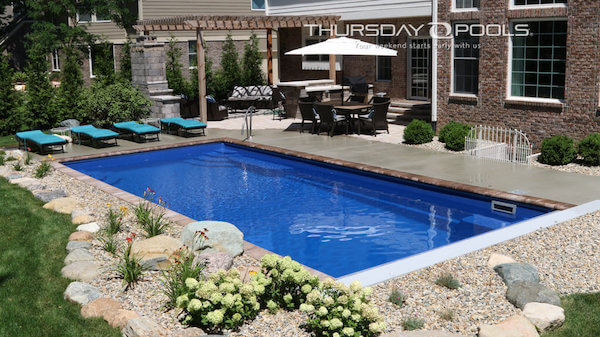
Based on a 2026 survey of independent fiberglass pool builders in the Thursday Pools dealer network, the standard installation cost of a fiberglass pool in Florida averages $68,000 for a small pool, $81,000 for a medium pool, and $94,000 for a large pool. Your final cost will depend on details like pool size, yard conditions, local permit requirements, and the optional upgrades you choose.

Florida’s unique characteristics create real variation in pool installation costs from one part of the state to another. In metropolitan areas like Miami, Tampa, and Orlando, local permit requirements and hurricane-related building codes can add to the project cost. Along the Gulf and Atlantic coasts, sandy soils generally simplify excavation but may require additional foundation stabilization. In Central Florida’s clay-heavy regions, drainage considerations can affect installation complexity. Throughout the state, hurricane preparedness factors influence both design choices and upgrade preferences directly.

Optional upgrades such as automatic covers, pool heaters, and reinforced decking add to your total, but they also determine how much use and year-round value you get from Florida’s extended swimming season. A  local independent Thursday Pools dealer can help you decide which additions fit your property and your budget.

Are Fiberglass Pools a Good Fit in Florida?

Fiberglass pools are well-suited to Florida’s soil conditions, high water tables, and hurricane requirements for several specific reasons.

Why Choose Fiberglass in Florida:

  • Handling Florida’s soil conditions: Much of Florida features sandy or clay-heavy soil that retains moisture and can shift with weather changes and groundwater fluctuations. Fiberglass pools flex with soil movement better than rigid alternatives, and innovations like Thursday Pools’  Geo-Anchoring Pool System enhance stability further.
  • Hurricane resilience: The smooth, non-porous gel coat surface resists damage from debris and withstands extreme weather better than surfaces requiring regular refinishing.
  • Year-round swimming: The smooth finish stays comfortable for extended use during Florida’s long swimming season, and the surface won’t harbor bacteria or require frequent chemical treatments.
  • Design variety: Modern fiberglass manufacturing offers extensive shape and size options, from beach-entry designs great for Florida’s coastal lifestyle to compact pools ideal for urban lots. 

What is the Average Cost of a Fiberglass Pool Installation in Florida?

Based on a 2026 survey of independent Thursday Pools dealers, installed fiberglass pool costs in Florida average $68,000 for small pools, $81,000 for medium pools, and $94,000 for large pools.

AVERAGE FLORIDA FIBERGLASS POOL INSTALLATION BY SIZE

Pool Type Small Fiberglass Pools Medium Fiberglass Pools Large Fiberglass Pools
Size Range Up to 26 feet long or 400 square feet 26 to 34 feet long or 400 to 600 square feet 35 feet and longer or 600+ square feet
Average Cost $68,000 $81,000 $94,000

What Does a Standard Fiberglass Pool Installation in Florida Include?

Most Florida dealers include the following in a base package: the pool shell, excavation, basic pump and filtration equipment, plumbing, basic electrical, permits, a single pool light, initial water fill, dirt hauling, concrete decking approximately 3 feet around the pool, delivery, and labor. What individual dealers include can vary, so always compare proposals carefully. Expanded decking, fencing, landscaping, pool covers, and optional features typically cost extra.

Contact a nearby Thursday Pools dealer for a custom quote and to learn about financing options for your Florida pool installation.

SUN DAY (15′ x 30′)

Sun Day brings elegant freeform curves and generous space for Florida’s outdoor living lifestyle. At 15′ x 30′, this medium-sized design accommodates both active swimming and leisurely floating, with built-in features perfect for entertaining during Florida’s year-round pool season. The organic shape complements Florida’s lush landscaping and creates a resort-like atmosphere in residential settings.

According to survey responses of Thursday Pools independent dealers, the average installed cost for a medium-sized fiberglass pool like the Sun Day in Florida is $81,000.


ASPEN (12′ x 25′)

Aspen in its 12′ x 25′ configuration offers an ideal balance for Florida homeowners with smaller yards who still want resort-style amenities. This compact version maintains the Aspen’s signature tanning ledge and built-in benches while fitting comfortably in urban settings throughout Tampa, Miami, and Jacksonville. The efficient rectangular design maximizes swim space while keeping maintenance manageable during Florida’s intense summer months.

Based on the 2026 survey of Thursday Pools independent dealers, the average installed cost for a small fiberglass pool like the 12′ x 25′ Aspen in Florida is $68,000.

Aspen FIberglass Pool


GRACE BEACH ENTRY (16′ x 40′)

Grace Beach Entry transforms any Florida backyard into a coastal resort experience. At 16′ x 40′, this large pool features a gradual beach-style entry that’s perfect for families and creates the ultimate Florida lifestyle centerpiece. The generous size accommodates swimming, playing, and relaxing, while the beach entry provides easy access for all ages and adds visual drama that complements Florida’s outdoor aesthetic.

Due to its size and beach entry complexity, larger specialty pools like the Grace Beach Entry typically come at a premium cost. Surveyed independent Thursday Pools dealers say the current average cost for a large fiberglass pool installation in Florida is $94,000.

Grace Beach Entry Design


What Yard Conditions Affect Fiberglass Pool Installation Costs in Florida?

Florida’s diverse soil types and coastal considerations can affect installation costs significantly, sometimes more than homeowners expect. Before breaking ground, a professional installer assesses your site for conditions that may require extra preparation.

Soil Type

Florida soil varies considerably across the state’s regions. In coastal areas, sandy soils generally provide easier excavation but may require additional stabilization measures to prevent settling. Central Florida’s clay-heavy regions can create drainage challenges and may need specialized excavation techniques. In areas with high water tables, dewatering during installation may be necessary. Rocky conditions in some inland areas can require heavier equipment and additional labor. A pre-installation site assessment identifies what your specific soil conditions require.

Slope and Grade

Properties with slopes may require grading, retaining walls, or other leveling work before excavation can begin. While much of Florida is relatively flat, coastal areas and some inland regions have natural elevation changes that affect installation complexity. Proper drainage away from the pool is especially critical in Florida’s high-rainfall environment.

Access and Hurricane Considerations

Access constraints in dense neighborhoods, particularly in older coastal communities, may require specialty equipment or crane service for pool delivery. Additionally, Florida’s hurricane building codes may influence structural requirements, anchor systems, and equipment placement, potentially affecting both timeline and cost.


Yard Condition Estimated Additional Cost in Florida
Sandy Soil Stabilization $1,500 – $3,000
Clay Soil Excavation $2,000 – $4,000
High Water Table Management $3,000 – $5,000
Hurricane-Code Anchoring $1,000 – $2,500
Limited Yard Access $3,000 – $6,000


What Are Florida’s Swimming Pool Fence Requirements?

Chapter 515 of the Florida Statutes, known as the Residential Swimming Pool Safety Act, requires all residential pools include at least one approved safety feature to restrict unsupervised access.

Under Florida Statute 515, pool owners must meet at least one of the following safety requirements:

Option 1: Pool Barrier/Fence

  • Minimum height of 4 feet measured on the outside
  • No gaps or openings that a young child could crawl under, squeeze through, or climb over
  • Self-closing, self-latching gates that swing outward away from the pool

Option 2: Safety Pool Cover

  • Must meet American Society for Testing and Materials (ASTM) F1346-91 standards for pool and hot tub safety covers
  • Strong enough to support weight and prevent accidental submersion

Option 3: Door/Window Exit Alarms

  • Required on all doors and windows providing direct pool access
  • Must sound when opened to alert of potential unsupervised access

Option 4: Door Latches

  • Doors providing direct pool access must must have a self-closing, self-latching device no lower than 54 inches above the floor

Option 5: Swimming Pool Alarm

  • An in-pool alarm sounds upon detection of accidental or unauthorized entry
  • Must meet ASTM F2208 standards for pool alarms

Some counties have additional requirements for hurricane resistance and may require permits for fence installation. Always verify specific requirements with your local building department, as municipalities may have stricter standards than the state baseline.

How Much Do Fiberglass Pool Upgrades Cost in Florida?

Optional features can extend your swimming season and enhance your pool experience during Florida’s year-round outdoor living climate. The right upgrades maximize your investment in the Sunshine State’s extended pool season and provide added comfort, safety, and convenience. The average costs for pool extras and add-ons below come from the responses of Thursday Pools’ 2026 survey of our independent dealers.

Water Quality and System Controls

Pool Heater

  • Average Cost in Florida: $7,000
  • Maintain comfortable temperatures during cooler winter months, extending your swimming season even further in Florida’s mild climate.

UV Filter System

  • Average Cost in Florida: $3,200
  • Reduce chemical dependence and improve water clarity, especially valuable with Florida’s intense sun and frequent pool use.

Pool Automation and Smart Control System

  • Average Cost in Florida: $5,100
  • Manage temperature, lighting, and filtration remotely—essential for Florida’s year-round pool maintenance needs.


Hurricane Protection and Safety

Fence (300 Linear ft.)

  • Average Cost in Florida: $17,000
  • Meets Florida building codes and provides wind-resistant safety barriers.

Non-Automatic Safety Pool Cover

  • Average Cost in Florida: $7,000
  • Manual option for securing the pool and keeping debris out between uses, meets ASTM safety standards.

Automatic Pool Cover

  • Average Cost in Florida: $21,000
  • Provides storm protection, reduces evaporation in Florida’s heat, and enhances safety with one-touch operation.

Pool Alarm System

  • Average Cost in Florida: $400
  • Alternative or additional safety feature that complies with Florida’s pool safety requirements.


Comfort and Entertainment

LED Pool Lights

  • Average Cost in Florida: $1,800 per light
  • Essential for evening entertaining during Florida’s year-round outdoor season.

Deck Jets

  • Average Cost in Florida: $900 per jet
  • Arc water from the coping into the pool, adding visual movement and ambient sound.

Bubblers

  • Average Cost in Florida: $1,200 per bubbler
  • On a tanning ledge or beach entry, create movement and the sounds of a babbling brook in shallow pool water.

Cascade or Waterfall

  • Average Cost in Florida: $6,500 per bubbler
  • Add a flowing water element and natural sound to the pool environment.

Add-On Spa

  • Average Cost in Florida: $16,000
  • Perfect for year-round relaxation and adds resort-style luxury.


Decking and Landscaping

Poured Concrete Patio (Approx. 1,200 sq. ft.)

  • Average Cost in Florida: $13,600
  • Hurricane-resistant materials that handle Florida’s weather extremes and provide durable decking.

Paver Patio (Approx. 1,200 sq. ft.)

  • Average Cost in Florida: $19,000
  • Available in a range of materials, from concrete pavers to natural stone, with enhanced aesthetic appeal.

Tropical Landscaping

  • Average Cost in Florida: $13,600
  • Native Florida plants and design elements that complement the pool and require minimal maintenance.


Cleaning and Maintenance

Automatic Pool Cleaning and Vacuuming System

  • Average Cost in Florida: $1,800
  • Keep the pool floor and walls clean with minimal manual effort.


Lighting and Tile

Specialty Waterline Tile

  • Average Cost in Florida: $6,600
  • Installed along the waterline for a custom, finished appearance at the pool edge.


Recreation

Simple Pool Slide*

  • Average Cost in Florida: 6,000
  • A standard slide for family use.

Deluxe Pool Slide*

  • Average Cost in Florida: $10,500
  • More height and design details than a basic model.

Diving Board (Type 1 Diving Pools Only)*

  • Average Cost in Florida: $5,600
  • Only manufacturer-designated Type 1 diving pools support diving board installation. Homeowners should use only manufacturer-approved diving boards with pool models designated as diving pools and must consult a licensed professional to verify compliance with all local building codes and safety requirements before installation.

*Thursday Pools strongly advises against pool slides and diving boards due to safety concerns. The inclusion of a diving board or slide with any fiberglass pool must be carefully reviewed by a licensed professional to ensure compliance with all local building codes, safety regulations, and manufacturer guidelines. Not all fiberglass pool models are suitable for diving or slide use. It is the responsibility of the homeowner and installer to ensure proper installation and usage. Always prioritize safety and consult a qualified expert before adding any diving or sliding feature to your pool.


Frequently Asked Questions About Florida Fiberglass Pool Costs

How much does a fiberglass pool cost in Florida?

A fiberglass pool in Florida costs an average of $68,000 for a small pool, $81,000 for a medium pool, and $94,000 for a large pool, according to Thursday Pools’ 2026 survey of independent dealers.

What does a standard fiberglass pool installation in Florida include?

A standard fiberglass pool installation in Florida typically includes:

  • Excavation and Dirt Hauling: Soil removal and site preparation suited to Florida’s soil conditions.
  • Pool Shell and Delivery: The physical fiberglass pool shell unit delivered to your home.
  • Filtration System: Basic pump, filter, and plumbing designed for year-round use.
  • Standard Decking: Approximately 3 feet of concrete surrounding the pool.
  • Permits and Basic Electrical: Includes local Florida municipal filings and one LED pool light.

What yard conditions raise fiberglass pool installation costs in Florida?

Sandy soils along Florida’s coasts may need stabilization to prevent settling. Clay-heavy soils in central regions can create drainage challenges requiring specialized techniques. High water tables in some areas may require dewatering during installation. Limited access in dense coastal neighborhoods can require crane service or specialty equipment. Hurricane building code requirements may add anchor and structural considerations. Site-condition upcharges in Florida typically range from $1,500 for basic soil stabilization to $6,000 for complex access or high water table situations.

What are Florida’s pool fence requirements?

Florida requires all residential pools to meet Chapter 515 of Florida Statutes, also known as the Residential Swimming Pool Safety Act. Some counties or HOAs have additional safety and hurricane-resistance requirements.

How much do common pool upgrades add to the cost in Florida?

Upgrade costs vary by feature and complexity:

  • A pool heater averages $7,000.  
  • An automatic pool cover averages $21,000.  
  • Hurricane-rated fencing averages $17,000.  
  • An add-on spa averages $16,000.  
  • LED lights average $1,800 per light.  
  • Water features range from $900 for deck jets to $6,500 for waterfalls.

How do I get an accurate cost estimate for a fiberglass pool in Florida?

The most accurate estimate comes from a  local independent Thursday Pools dealer who can assess your property, review local building codes including hurricane requirements, and provide a project-specific quote. Market averages provide a useful starting point, but site conditions, local regulations, and design choices determine your actual investment.


Get Your Personalized Florida Pool Estimate

Market averages give you a realistic starting point, but your actual cost depends on your property, your location in Florida, and the specific features and upgrades you choose. A local independent Thursday Pools dealer can assess your site, explain hurricane building code requirements, and provide a detailed quote whether you’re in Miami, Tampa, Orlando, Jacksonville, or anywhere across the Sunshine State.


Thursday Pools manufactures fiberglass pool shells and does not install pools. Pools are installed by locally owned independent dealers. Consumers should consult a local independent dealer for the most accurate and updated information based on the unique conditions of their region and property.