What is the Average Life of a Gunite Pool?

Gunite Pool

What is the average life of a gunite pool? A quick search on Google will confirm that the general consensus among professional pool builders is, on average, about 30 to 50 years. Your quick reply or thought might be, “okay, that’s a wide range; just how long do they last?” You’re right. It is a fairly wide range, and that’s due to another question you will want to ask yourself.  What type of life do you intend to give your gunite (or fiberglass or vinyl) pool? A gunite pool, like other inground pool types, can be durable and long-lasting but will require a lot of love and care to remain in ideal condition.  

Most homeowners shopping for pools tend to compare  fiberglass, vinyl, and gunite. Head down that path, and you’ll learn some fundamental differences and find that gunite and fiberglass are known for similarly long life spans. When properly maintained, both can last a long time.  What you may not know are some details that figure into the lifespan of a gunite pool. The key to a long pool life is what happens long after installation.  This article will help you understand more about the average life of a gunite pool, what gunite is, and the pros and cons of owning a gunite pool.

Gunite-at-a-glance

What is gunite? It’s easy to adopt construction shorthand and use ‘gunite’ and ‘concrete’ interchangeably, but if you’re a professional pool installer, you may choose to define it a little more tightly. Gunite is a pneumatically-sprayed-on mix of cement, water, and sand. Its properties make it superior to what you might think of as straight-up concrete. Namely, the particles are smaller, and the mix occurs at the point of delivery. With concrete, the blend includes larger aggregates and is pre-mixed. It’s completely understandable if you want to use them interchangeably, though! To the average pool buyer, gunite is concrete, and concrete is gunite.

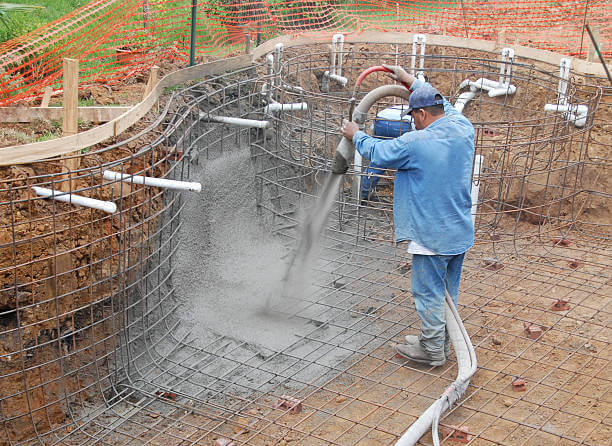
A gunite pool is typically constructed in layers. Once a hole has been excavated, the steel grid and plumbing make up the first layer. Then the gunite mixture consisting of cement, water, and sand is sprayed on, followed by the third layer consisting of tile and coping. Finally, the last layer includes your electrical and plaster. The entire process usually takes several months.

Let’s deconstruct what makes up the life of a gunite pool.  

There are two ways to look at answering the question. “What makes up the lifespan of a gunite pool?” One, annual maintenance requirements and costs, and two, the “non-annual” periodic events that will be required. From a maintenance perspective, gunite surfaces are more porous, so algae can become a problem if you do not stay on top of it. You will need to chemically treat the pool as long as it holds water and acid wash its surface, on average, about once every four years. Your periodic event to consider to improve the longevity of your gunite pool is that you may need to replaster. How often should a gunite pool be resurfaced? You find it ranges from every 10 to 15 years on average.  Wondering how much does it cost to resurface a gunite pool? According to homeguide.com at least $6,000 – $15,000. And finally, how do you know when your pool needs to be resurfaced? You’ll likely see signs of the plaster peeling or flaking, stains in the pool, and structural damage starting to form. Now that we’ve explored the elements that make up the life of a gunite pool, let’s look at the pros and cons of owning a gunite pool.

Gunite Pools Pros

  • Highly customizable. Builders create gunite pools in various sizes, shapes, and depths. Gunite is for you if you’ve got an unusual backyard footprint or are looking for a highly designed pool, say a lagoon with waterfalls and rock features. Fiberglass pool designs have become more diverse, but the shells still come from a large, pre-designed, reusable mold to generate cost-efficiencies. 
  • Durable. Gunite pools are rock-solid hard because they are typically constructed in layers. Once a hole has been excavated, the steel grid and plumbing make up the first layer. Then the gunite mixture consisting of cement, water, and sand is sprayed on, followed by the third layer consisting of tile and coping.

Gunite Pool ConGunite Pool Durability
  • Initial cost. Gunite pools tend to cost a little more upfront. Depending on the size, depth, other features, and market conditions, the price has recently started at about $100,000, according to Angi.com. It can vary by geography, demand, and other factors.  
  • Annual maintenance — an answer to are gunite pools hard to maintain? The porosity of gunite makes it more sensitive to the elements and nuisances such as algae growth. If you own a gunite pool, you can expect to spend on average around four to five hours a week on regular maintenance. According to Forbes.com, depending on size, your annual gunite pool maintenance costs could amount to $3350 on average. This cost compares to about $900 on average for fiberglass pool maintenance.
  • Lifetime costs. Outside of regular maintenance and opening/closing, you’ll need to make periodic investments that you’ll want to budget for with a gunite pool. First, you’ll need to acid wash the surface about every four years. Second, expect to replaster after about ten to fifteen years. Replastering a gunite pool costs roughly $5500 per 1000 square feet unless you choose a longer-lasting ‘pebble’ option which could be more than double that, according to Angi.com.
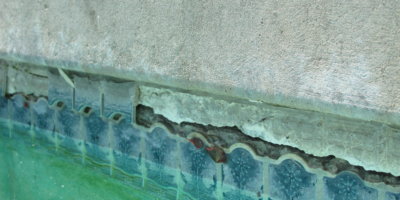
  • Potential problems with plaster. Over time, the gunite pool’s plaster surface can deteriorate. Issues you may see include flaking, peeling, stains, roughness, discoloration, cracks, rust spots, and dislodged pebbles or aggregate.
  • Installation time. You could miss the next swim season depending on when your pool project starts. A gunite installation can take two to three months, depending on the weather.

Other potential downsides to gunite pools include relative incompatibility with salt systems, and the feeling of gunite’s rough surface which may not be preferred for some swimmers.

Quick Comparison: Pros and Cons of Gunite and Fiberglass Pools
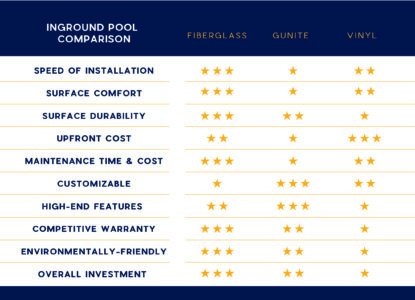
Pros and Cons of Gunite Pools  

Gunite Pools Average Life Bottom Line

There might not be a true average life of a gunite pool due to their design variability and how well they are maintained. But, if you need a custom design due to an unusual backyard or unique design needs, gunite is an excellent way to go. Of course, you’ll pay a little more upfront and in annual maintenance and wash/resurfacing costs, but you’ll get a durable, long-lasting pool provided that you are diligent in maintaining the pool. So, is a gunite pool worth it? That one is for you to decide based on how much your time is worth, the length of time you’ll be in your home, and other factors.
When Should You Open Your Pool

When spring has sprung, most new fiberglass pool owners ask, “when should you open your pool?” Is April the best time to open the pool? Is it May? The answer can vary by geography and whether or not you have a heater. One thing is for sure, while that first dip of the season is worth waiting for, the waiting is the hardest part!  

If you are in the waiting phase, you want to ensure you’re not waiting too long. You don’t want to miss a single day of swim season, so follow this guide and get prepped to open your pool. 

GET PAST THE FREEZE

Your pool opening and closing schedule will vary based on where you live. If you want to be generally aware, tune into the rhythms of the farmers and gardeners in your area. The answer to the question, “when should you open your pool?” will mirror some of the answers to “when is planting season?” Getting in touch with a local dealer or professional pool cleaning service is a great way to get a sense of the best opening and closing times for your area. Get past that damaging freeze, and it’s safe to kick pool season into gear! 

If you live in Indiana, Ohio, Pennsylvania, or almost any state above the Mason-Dixon line, you may see wild temperature fluctuations in March and April. You can apply another opening-day rule of thumb: if daytime temperatures are consistently above 70°, you can open. You might be surprised how early you can open. Opening the pool and circulating the water helps against pollen accumulation, and it gets backyard grilling season started in style!


Thursday Pools fiberglass pool

So when should you open your pool? As soon as it’s possible to do so safely. Here’s what you’ll need to get started.


Remember having everything you need to do the job right within an arm’s reach will help the opening of your inground fiberglass pool go smoother. Gather these items:

  • Soft broom
  • Pool chemicals 
  • Safety goggles
  • Chemical resistant gloves
  • Test strips
  • Garden hose 
  • Cover cleaner or car wash soap
  • A good friend or pool service to help
  • Ice cold beverages to celebrate a job well done*

*Hey, you can’t forget to reward yourself! But that’s just the supplies, so don’t celebrate just yet. Here is what to do to open your inground fiberglass pool.    

  • Check your water level. Even with your pool tightly covered, the water level can change over winter. Your water level needs to be mid-way up your skimmer before removing your pool cover. Groundwater levels are often highest in the spring (especially if you got a lot of snow in the winter). If you don’t keep your groundwater pressure equalized, you can damage an inground pool.  Thursday Pools Fiberglass Pool
  • Remove your pool cover. After you’re sure your water level is correct, remove any water from the pool cover. Make sure you’re pushing or pumping that water away from your pool, not just adding to the pool-adjacent groundwater. If you’re using a pump to remove water from the top of the cover, be careful – some pumps are powerful.

A leaf blower can help get surface-level debris off the cover. The soft broom will come in handy during this step, allowing you to sweep away dead leaves and other debris collected through the winter months. After that, the process depends on which kind of pool cover you have. 

  1. Automatic pool covers. The virtues of automatic pool covers are many. They make pool openings easy. But, they are mechanized, so make sure you’re opening it gradually with your touchpad so it doesn’t get stuck or crooked as it opens. 
  2. Standard winter covers. Your winter cover needs to be adequately removed, cleaned, and sanitized to store away for your fall pool closing. Be sure to check with your cover’s manufacturer for removal instructions–each one is different. Removing it the wrong way can cause unwanted debris to fall into your water and contaminate it, making it more challenging to get your water healthfully balanced.
  3. Check your equipment. Once the cover is off and your water is at the proper level and skimmed for debris, you can turn on and check your pool equipment. Pumps, filters, filter media, skimmer baskets, and lights sitting idle in the elements all winter might need tuning up or replacing. Here’s a Tip: check the pump housing near the O-ring for cracks. O-ring cracks can cause air to get sucked into your pump and if these are present,the time to find that out is now before the swimming season is in full swing. If you’re doing maintenance yourself, you may need some additional supplies such as thread seal tape and pool gasket lubricant in order to lubricate any O-rings. If you’re leaving your maintenance to the pros, most professional pool opening services will conduct a thorough check and alert you to any problem areas or necessary repairs. If all is working well, leave your pump on and let the water circulate for at least 12 hours.
  4. Check your pool water chemistry. Once your water has had a chance to circulate, you’ll need to test it to determine your water balance starting point. Getting the balance right can be challenging at the start of the season. A pool professional can help get your water balanced after a long winter. They can also be a resource throughout the season. Someswimming pool professionals provide a free, computerized water analysis that tests for more water balance factors than a standard home test kit. Water chemistry is one of the more complex aspects of pool ownership. Whether you monitor it yourself or hire a pro, if you get your water correctly balanced when opening your pool, you’ll have an easier time keeping your water chemistry balanced throughout the swim season.
  5. Give the pool a spring cleaning. Opening day is when to clean your pool before the swim season gets underway. Start by scrubbing the pool walls. The soft broom or sponge is best to use when cleaning your pool walls. Avoid abrasives such as sandpaper and steel wool that can damage the finish of your pool. After giving the walls a good cleaning, it’s time to vacuum. Start from the shallow end and work your way down the slope of the pool. Be sure to clean thoroughly around the steps and other crevices where debris can accumulate.
  6. Inspect your safety equipment and pool accessories. Your handrails and lifesavers need to be swim-ready by the time you are. Take time in the spring to inspect, maintain or replace safety equipment, fiberglass pool accessories, and even outdoor furniture so you can be ready to relax poolside on opening day!

When should you open your pool? After you’ve followed these steps, of course! Hopefully, you feel prepared and can establish a good routine that will provide years of backyard enjoyment. Opening your pool is an excellent opportunity to reflect on what you’re grateful for and the fun times yet to be had. There has never been a better time to have a backyard paradise. If you’re looking for a bit of inspiration to make pool time enjoyable way past opening day, then you may want to check out our Idea Gallery

Water Safety Month 2022 – 13 Pool Safety Tips to Remember

May is Water Safety Month, and with so many pools opening up this time of year, it’s an ideal time to go over some pool safety tips. Whether or not you are a new fiberglass pool owner, keeping people safe in and around bodies of water is a critical part of enjoying the summer. Here are some tips to remember any time you are around pools.

Thursday Pools Fiberglass Pool safety


Tips To Stay Safe Inside the Pool

  1. Get to know the abilities of the swimmers in your group. If anyone in your group doesn’t know how to swim, make sure they are closely supervised. Encourage inexperienced swimmers to learn how to swim. And don’t rely too much on floats or toys to support inexperienced swimmers. They are not lifesaving devices.
  2. Don’t try something you are uncomfortable with just because others are doing it. Sometimes, it can be fun to show off, especially if there’s a diving board. Ensure no one is entering or swimming in water that’s too deep for their ability. Let them know that there’s plenty of room for fun towards the shallow end.
  3. Don’t play games that involve jumping in or holding your breath. Your pool has specific entry points for a reason. The safest way to use a pool is to enter through those designated entry spots (even if this interferes with your grand game plans). Games that require you to hold your breath can be dangerous, and it’s best to avoid them. There are plenty of other spectacular pool games you can play that keep you safer.
  4. Avoid suction drains. Getting too close to a suction drain could potentially lead to entrapment and make it difficult to resurface from underwater. It’s best to keep hair, clothing, and body parts away from these and let them do their job cleaning your pool.
  5. Only allow toys made for pools. There are plenty of pool toys out there that are cute, fun, and functional. Heavy toys that aren’t designed for floating in pools can be dangerous, so keep them out! It’s also essential to remove all toys from the pool when kids have finished swimming. Often, children who fall into the pool reach down into it to grab a toy that has caught their attention. 
  6. Make sure your pool meets all the necessary code requirements. Your pool dealer is an excellent resource for making sure your pool project meets all of the code requirements in your local area.
  7. Don’t swim alone if possible. If an accident occurs, it’s always helpful to have someone else around who can assist you.

Safety Tips While Outside the Pool

  1. Walk. Don’t run. While some pools provide non-slip textured surfaces within the pool, the decking area surrounding it may still be very slippery (especially with wet feet). Take your time and proceed with caution when outside of the pool area.
  2. Enter the pool feet first. It’s all too easy to hit your head or sustain other injuries when entering the pool any other way, so feet first is always best.
  3. Install a fence around your pool. Having a fence around the pool can stop people and animals from making their way into the pool unsupervised. While some areas don’t require fences, if you have an automatic safety cover, it’s always best to incorporate multiple layers of protection. 
  4. Use a safety cover when the pool is not in use. Safety covers prevent unsupervised swimmers from entering the pool and help keep out objects that could damage the pool itself. Plus, it can help keep your pool clean when not in use.
  5. Consider getting equipment to monitor the pool (i.e., safety cameras). Just like those doorbell systems that monitor your porch, there are cameras you can install to monitor the pool. You might think of the backyard pool safety camera as a “baby monitor” for the pool. You can use these devices to monitor your pool area when away from home or at night.
  6. Put away anything that could be a tripping hazard. Pool toys not in use, pool equipment, hoses-any objects lying around on your decking area can cause someone to trip, so be mindful of this possibility and keep walking paths clear.


Thursday Pools Fiberglass Pool safety

Water safety is always important for pool owners, no matter what month it is. Unfortunately, we’ve heard the stories of parents looking away at the exact wrong time and having accidents happen. Because of that, we find it crucial to answer, “why is pool safety important?” There are plenty of tools to help pool owners, but we can never substitute them for adult supervision when children are around. Your eyes are the first line of safety when kids are involved. 

If you would like a resource to help teach family members about swimming pool safety rules, Thursday Pools has a pool safety eBook you can download for free. 


Happy swimming!

Where to Find a Fiberglass Pool Dealer Near You

In researching inground pools, you’ve likely compared the different types available, including gunite, vinyl-lined, and fiberglass pools. And perhaps that hunt has you leaning toward an inground fiberglass pool. A natural next question for you might be, “Where can I find fiberglass pools near me?” While entering “fiberglass pools near me” into a search engine will return pool dealer results (and paid advertisements) based on your location, purchasing an inground fiberglass pool is a big deal so, here are our top tips when searching for a fiberglass pool dealer near you.


Selecting a Fiberglass Pool Dealer

  1. Don’t just go with the first dealer you find. We recommend talking to a few. It’s essential that you feel comfortable with them. After all, these folks will be working in your backyard for at least a couple of weeks. 
  2. Get multiple estimates. It’s helpful to get more than one estimate to know that you are on track and not missing something significant in communicating your wants and needs and the dealer’s capabilities. 
  3. Ask for referrals. A quality dealer should have referrals at the ready when asked. You can also go online for reviews. Either way, make sure that the referrals or reviews are recent and not from several years ago. 
  4. Talk to other pool owners. Neighbors or friends with fiberglass pools are good sources. And so are home builders and landscape architects as they often subcontract pool dealers.
  5. Check online review sites. Beyond Google and Facebook, there are services like the Better Business Bureau or Home Advisor that can help distinguish the best pool dealers from their competition. 
  6. Talk to pool manufacturers. You may have zeroed in on a pool and pool manufacturer you like in your research. A fiberglass pool manufacturer can let you know what dealer services your area and get the two of you connected. 


Make Sure You Like the Manufacturers that the Dealer Carries

These are a few of the most common reasons we hear homeowners say they have gone with Thursday Pools when given a choice between inground fiberglass pool manufacturers. They say Thursday Pools inground fiberglass pools are:

  • Drop-dead gorgeous. Thursday Pools uses a high-grade gel coat available to produce a dazzling shimmer. Aside from the good looks, the gel coat also has UV protection and resists the ravages of chemicals, osmosis, and algae. 
  • Durable. The combination of resin, chopped fiberglass, woven roving fiberglass, and honeycomb core creates a nine-layer composite that helps make the industry’s most durably crafted fiberglass composite pool. 
  • Complete with options. Freeform, rectangle, Roman, round, and square. With several different shapes, a good number of designs and sizes, and a variety of available features, there is a pool for practically every lifestyle. 
  • Quicker to install. During typical and precedent pool seasons, inground pool installers of other types might give you a timeline of three to six months. An independent Thursday Pools dealer could have you closer to three to four weeks. Always consult with your dealer early on in the process so you know where you will likely fall in their installation schedule.
  • Focused on innovating. Thursday Pools is dedicated to continuous improvement, being good stewards of the environment, and finding new solutions to make fiberglass pools highly durable.
  • Feature-rich. Features you may have only found in resort pools a few years ago, like tanning ledges and zero-entry, are now easily found when browsing through the Thursday Pool Idea Book and matching up your family’s desires to one of the many pool designs. 
  • Backed by helpful people. With resources about everything from budgeting and financing to providing creative ideas for the installation and build-out, customers and dealers love the array of resources Thursday Pools provides.


Explore Pool Designs 

When searching for fiberglass pools near me, the initial results might lull you into thinking there are only a few design options available. Perhaps you’ve seen a showroom floor model, or you have a couple of neighbors with a similar design. These experiences may cloud your vision of what you can access. Exploring the Thursday Pools website, you’ll discover an entire line-up of fiberglass pool shell shapes, sizes, and colors that can be ordered and delivered to your backyard for quick installation by an independent Thursday Pools dealer.

If you find a Thursday Pools design that piques your interest, we are happy to connect you with a trusted independent dealer near you who can answer all your questions.

Thursday Pools Rectangle Fiberglass Pool Shell Options by Size, Depth, and Features

Rectangle fiberglass pools come in more variety than many buyers expect. The shape is consistent, with clean lines, straight walls, and sharp corners, but size, depth, and built-in features vary by model. The right shell depends on your yard size, how you plan to swim, and whether you want lounging space, sport depth, a beach entry, a spa, or a deep end.


Compact Rectangle Fiberglass Pool Shells

These models are part of Thursday Pools’ Plunge Pool Series, built for smaller backyards, courtyard spaces, and homeowners who want a genuine pool experience in a compact footprint. All three share the same 8’4″ x 16′ rectangle shell at 4’8″ flat-bottom depth. Sea Turtle offers a slightly larger 9.5′ x 19.5′ rectangle shell. The smallest sizes of Aspen and Goliath are also part of the Plunge Pool Series with 12’ x 25’ rectangle shells.

The Drift

The Drift is designed for lounging as much as swimming. Its full-length wraparound bench supports social gatherings, cool evening dips, and extended relaxation.

  • A full-length wraparound bench creates a comfortable seating zone without giving up the swim area.
  • Built-in steps and a non-skid surface throughout provide safe, easy entry and exit for all ages.

The Nest

The Nest maximizes open water in the smallest Thursday Pools rectangle shell. Full-width entry steps and a clean, unobstructed swim area make it the most activity-forward of the three 8’4” x 16’ options.

  • Full-width entry steps provide a wide, easy point of entry.
  • The open interior layout keeps the swim area clear for exercise and play.

The Nook

The Nook brings minimalist design and integrated seating to the compact rectangle format. It works well as a private courtyard pool or as a compact water feature beside a patio, outdoor kitchen, or seating area.

  • Integrated wraparound bench seating lines both sides of the pool.
  • Built-in steps and a non-skid flat-bottom surface throughout.

Sea Turtle

Sea Turtle steps up to a 9.5′ x 19.5′ rectangle shell at 4’6″ flat-bottom depth. It suits smaller yards that need a bit more swim room than the 8’4″ x 16′ models provide, and adds a swim-jet-ready design for light exercise.

  • A 4’6” flat-bottom depth throughout allows comfortable standing, socializing, and light activity.
  • Wraparound benches flank the entry steps, creating a relaxed conversation area.
  • Swim-jet-system-ready design makes it easy to add a resistance swim system like Badu®.


Sport and Social Rectangle Fiberglass Pool Shells

These models share a flat-bottom sport-depth design, making them well-suited for water games, family play, and active use. All maintain a consistent standing depth of 4’6″ to 4’8″ throughout the pool.

Lil Bob

Lil Bob is built around a 13.5′ x 27.5′ flat-bottom shell at 4’6″ throughout. It’s a strong choice for families who want a sport-focused pool that keeps kids and adults in the game together.

  • Full-width ergonomic steps make it easy for everyone to enter and exit the pool.
  • A standing-depth, flat-bottom design makes Lil Bob a great size for water volleyball.
  • Two facing benches, each 12 feet long and 18 inches deep, run down both sides of the pool, leaving a clear open swim area in the center.

Lil Bob LX

Lil Bob LX extends the Bob family formula to a 13.5′ x 35.5′ shell with a 4’6” sport depth, adding a tanning ledge and wading area while keeping the flat-bottom sport depth.

  • A tanning ledge accommodates two lounger chairs while leaving room to enter and exit the pool.
  • A wading area just past the tanning ledge gives younger swimmers a comfortable shallow zone.
  • Generous wraparound benches run along both sides of the open swim area.

Big Bob

Big Bob is the largest pool in the Bob family. It’s a 16′ x 40′ flat-bottom rectangle with a uniform 4’6″ depth throughout. It gives families who love the Bob design more of everything: more bench space, more open water, and more room for games and laps.

  • Extra-long wraparound benches, 12 feet long and 18 inches deep, run down both sides of the pool.
  • Wide walk-in steps make getting in and out easy for swimmers of every age.
  • The open 16′ x 40′ swim and play area accommodates lap swimming, water volleyball, basketball, and active family games.

Spirit

Spirit runs 13.5′ x 40′ at a flat-bottom depth of 4’6″, giving it one of the longest open swim lanes in the sport-depth rectangle category. Spirit is best for homeowners who want lap-friendly length while keeping the entire pool at a comfortable standing depth.

  • The court-sized flat-bottom design gives swimmers and players plenty of room.
  • Extended bench seating and full-length steps at both ends of the pool create multiple entry and social zones.

Mack Daddy

The Mack Daddy is a 16′ x 36′ flat-bottom rectangle at 4’8″ depth that packs four distinct pool zones into one shell. It’s the only rectangle design in the Thursday Pools lineup with a built-in integrated spa.

  • A built-in tanning ledge accommodates two loungers with room to enter and exit the pool.
  • An integrated spa with a tranquil spillway adds a dedicated relaxation zone.
  • Wraparound bench seating adds a third area for sitting and soaking.
  • A uniform 4’8″ flat-bottom depth keeps the swim lane accessible for games, exercise, and active family use.

Magnate

The Magnate shares the 16′ x 36′ flat-bottom shell at 4’8″ depth with the Mack Daddy but trades the spa for a more streamlined layout built around an oversized sun shelf.

  • A built-in sun shelf accommodates tanning in lounger chairs.
  • Double-entry wraparound benches and step-in stairs form two conversation areas and two points of entry.
  • A wide-open swim lane runs the length of the pool for laps, exercise, and active use.


Deep and Feature-Rich Rectangle Fiberglass Pool Shells

These models offer deeper depth profiles, tanning ledges, swim-out benches, courtesy ledges, and beach entries. They suit buyers who want more traditional swimming depth alongside built-in comfort features.

Aspen

The Aspen is one of Thursday Pools’ most popular rectangle designs, available in five sizes ranging from 12′ x 25′ to 16′ x 40′. It pairs a signature 12-inch tanning ledge with a deep-end design and multiple built-in comfort zones.

  • A 12-inch deep tanning ledge comfortably fits two lounger chairs with room to enter and exit the pool.
  • Curved steps stretch across the width of the pool for wide, easy entry.
  • An extended bench near the steps gives swimmers a place to rest and socialize.
  • Deep-end swim-outs offer a second exit point and a comfortable perch in the deep end.
  • The wide-open swim lane runs down the center of the pool for laps and active use.

Grace Beach Entry

Grace Beach Entry brings a zero-entry, beach-style entrance to a rectangle shell, giving swimmers, children, and pets a gradual way into the water. The patented design (US 10,472,839) is available in three sizes from 14′ x 36′ to 16′ x 40′.

  • A gently sloping beach entry makes getting in and out easy for swimmers and pets alike, and fits two lounger chairs in the shallow zone.
  • A wading area just past the entry works well for young children and doubles as a cool-off zone.
  • An extended bench runs along the pool for relaxing and socializing.
  • Dual deep-end swim-outs provide an additional exit point and resting zone.
  • An open swim area anchors the middle of the pool for laps and active use.

Goliath

The Goliath is available in six sizes from 12′ x 25′ to 16′ x 41′, with depth profiles ranging from 5’4″ to 6’8″. It suits buyers who want a serious deep-end swim experience alongside strong entertaining capacity.

  • A wide-open swim lane runs down the center of the pool for laps and floating.
  • Bench seating flanks the entry steps for a comfortable social zone.
  • Two sets of curved steps in the shallow end and swim-out ledges in the deep end provide multiple entry and exit points.

Monolith

Monolith is Thursday Pools’ deepest rectangle pool model. Its 16′ x 40′ shell reaches 8’6″ at the deep end and includes a flat-bottom shallow end for play. Because diving safety depends on pool dimensions, equipment, installation, and applicable standards, homeowners should consult their dealer, equipment manufacturer, and local requirements before considering any diving or slide use.

  • The 8’6″ deep end qualifies the Monolith as a Type 1 diving pool under applicable standards.
  • A large flat-bottomed shallow end leaves room for pool games and active play.
  • Angled steps make it easy and safe to enter and exit.
  • A shallow-end bench and dual deep-end benches give swimmers options for resting and socializing at both ends of the pool.
Thursday Pools strongly recommends that diving boards and slides not be installed or used with its pools because of the inherent dangers associated with diving boards and slides in residential pools, including severe injury or death.
Thursday Pools does not manufacture or sell diving boards or slides.
If a homeowner chooses to install or use a diving board or slide despite this warning, the homeowner assumes all related risks and is responsible for confirming that the pool, equipment, installation, and use comply with manufacturer specifications, applicable ANSI/NSPI, ANSI/APSP, ANSI/APSP/ICC standards, and all applicable laws, rules, and regulations.


Find the Fiberglass Pool That Fits Your Yard and Lifestyle

Not sure which rectangle fiberglass pool shell is right for your yard? Use the Pool Selector Tool to compare rectangle fiberglass pool shells by yard size, intended use, and desired features. For site-specific guidance, contact a Thursday Pools dealer near you for a yard evaluation and installation estimate.


Frequently Asked Questions About Rectangle Fiberglass Pool Shells

What is a fiberglass pool shell?

A fiberglass pool shell is a pre-molded, single-piece pool structure manufactured from layers of fiberglass and resin in a controlled factory environment. The finished shell is transported to your property, set into the excavated hole, connected to plumbing, and backfilled. Because it arrives as a complete unit, installation is significantly faster than concrete and avoids the on-site curing and finishing work associated with other pool types.

What rectangle fiberglass pool shells does Thursday Pools offer?

Thursday Pools offers a wide range of rectangle fiberglass pool shell designs, including The Drift, The Nest, The Nook, Sea Turtle, Lil Bob, Lil Bob LX, Big Bob, Spirit, Mack Daddy, Magnate, Aspen, Grace Beach Entry, Goliath, and Monolith.

What is the best rectangle fiberglass pool for lap swimming?

Any rectangle pool with a long, unobstructed swim lane works well for lap swimming, but the right choice depends on how seriously you swim. Spirit (13.5′ x 40′), Big Bob (16′ x 40′), Aspen (up to 16′ x 40′), Goliath (up to 16′ x 41′), and Monolith (16′ x 40′) all give you meaningful length. If you want a deep-water feel for laps, Aspen, Goliath, and Monolith offer deeper profiles. If standing depth and open swim area matter more, Spirit and Big Bob are the flat-bottom options at that length.

What is the best rectangle fiberglass pool shell for families with young children?

Flat-bottom pools at 4’6″ to 4’8″ depth are often a strong choice for active family use because the depth stays consistent from end to end. Depending on swimmer height, they may be easier to use for games, supervision, and shared play than pools with a steep depth transition.

What is the difference between flat-bottom and deep-end rectangle fiberglass pools?

Flat-bottom pools hold a consistent standing depth from end to end, typically 4’6″ to 4’8″. That uniform depth suits water sports, family play, water aerobics, and any activity where swimmers of varying heights need to touch the bottom. Deep-end pools slope from a shallow entry zone to a deeper swim area, usually 5’1″ to 6’8″ depending on the model. Deep-end designs offer more vertical swim space and a more traditional pool feel. Monolith is the deepest rectangle pool shell option, reaching 8’6”.

Can I get a small rectangle fiberglass pool shell?

Yes. Thursday Pools’ smallest rectangle shells include The Drift, The Nest, and The Nook, all measuring 8’4″ x 16′ at 4’8″ flat-bottom depth. Sea Turtle steps up to 9.5′ x 19.5′. Buyers who want a larger compact rectangle shell can also compare the smallest Aspen and Goliath sizes at 12′ x 25′.

What features do rectangle fiberglass pool shells come with?

Depending on the model, Thursday Pools ‘ rectangular fiberglass pool shells may include tanning ledges, integrated spas, wading areas, wraparound bench seating, swim-out benches, courtesy ledges, beach entry zones, and auto-cover readiness.

How long does a fiberglass pool shell last?

Fiberglass pool shells are known for long service life when properly installed and maintained. The gel coat surface is designed to resist algae and mineral buildup, and the single-piece construction avoids liner seams and concrete replastering. With proper water chemistry and routine care, a quality fiberglass pool shell can last for decades. Consult your Thursday Pools dealer and review the warranty for specific coverage details.

What is the Maximum Depth of a Fiberglass Pool?

A couple of frequently asked questions we get as a fiberglass pool manufacturer involve pool depth. In that regard, people often want to know, “Can a fiberglass pool have a deep end?” and, “What is the maximum depth of a fiberglass pool?” This post will answer these questions and more about fiberglass pools.

Can a fiberglass pool have a deep end? If so, how deep is the deep end of a pool?

Many fiberglass pools have a deep end. However, most designs that are manufactured today aren’t diving depth. The typical fiberglass pool has a deep end of five and one-half feet, but pool depth varies by design. Because many pool-goers spend most of their time in areas of the pool where they can stand with their head above the water, having too deep of a deep end could be perceived as wasted space for some.

How deep does a pool need to be for a diving board?

There are many different specifications for the five types of diving pools, but the required pool depth is typically eight-feet or more for the diving well. Pools with diving boards are approximately one-third diving well, one-third hopper area (slope between shallow and deep ends), and one-third shallow area. Because many people spend most of their time where they can touch the bottom, thoughtfully consider a pool with a diving board. Here are a few reasons you don’t see deep ends in pools that much anymore:


  • Pool Safety. A diving board requires constant supervision to ensure safe use, which may be more effort than a homeowner wants to put in. Plus, diving boards are sometimes too tempting for inexperienced swimmers. 


  • Higher insurance premiums. Many insurers will require a liability rider or additional coverage on your homeowner’s policy if you have a diving board. 


  • Alternative activities. The presence of a diving well or deep-end can cancel out some of the other in-pool activities. A flat-bottom pool design is better suited to splash volleyball, water basketball, and other pool games. 


  • Stiffness. Due to accidents and liability concerns, diving boards have evolved into stiffer designs. The more rigid design makes them safer but maybe not quite as fun. 


  • Large dimensions are required. If you’re going to have a diving board, you’ll need a large pool, especially if you want to enjoy other activities. 


Thursday Pools Monolith with diving board


That all said, preferences are preferences, and if you want a diving board, Thursday Pools does offer a Type 1 diving pool design. At 8′ 6″ deep, the Monolith, a 40′ x 16′ rectangular pool design, exceeds the depth of our other large pools by almost two feet. If you are a diving enthusiast, take a look at the Monolith Wet Tour to understand what a deep fiberglass pool looks like in use. 

(Note: *Thursday Pools strongly recommends that diving boards and slides not be installed or used with its pools, given the inherent dangers associated with diving boards and slides in residential pools. These dangers include brain, spinal cord and other severe permanent injuries, and death. For that reason, Thursday Pools does not manufacture or sell diving boards or slides. If, despite this warning and recommendation, the owner decides to install or use a diving board or slide, the owner assumes all risks inherent with a diving board or slide, and Thursday Pools further warns that diving boards and slides require minimum depths and distances and must be installed and used in strict compliance with the equipment manufacturer‘s specifications and ANSI/NSPI, ANSI/APSP, and ANSI/APSP/ICC standards, as well as in compliance with all applicable laws, rules and regulations. The owner is responsible for making sure the pool is appropriate for diving boards and slides and otherwise meets all standards and laws for diving pools, and the owner must consult the diving board or slide manufacturer and/or installer as to the appropriateness of the pool for the diving board or slide and that its installation, location and use meet all standards and laws for diving and slide pools.)

What is the maximum depth of a fiberglass pool?

Diving board dilemma aside, some people still want to know the maximum depth of a fiberglass pool. This will vary by manufacturer. It is true that smaller pools tend to accommodate less depth than larger, longer ones. Still, there are pools of various depths out there that can fit your lifestyle. Four feet deep pools are perfectly suitable for underwater swimming, so consider how you will use your pool and other built-in features that would make your pool time memorable. Are you looking for a deep pool, or would a large pool that is not a diving pool be just as or more your style? Take a look at the following large pool designs to see why they are so popular among pool buyers:

The Grace Beach Entry (Patent US 10,472,839) comes in a maximum depth of 5’10″—not a diving depth—but it’s a homeowner favorite because it brings a resort aesthetic and is functionally fantastic. The easy entry and exit accommodate swimmers ofThursday Pool Beach Entry Pool all ages (and pets). The gentle slope lets you stay cool in the water while soaking up the sun, and it provides a great place for little ones to splash around in the shallow waters. 
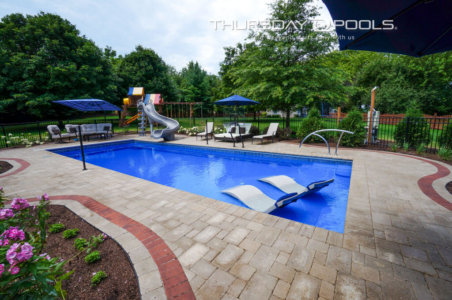
The aptly named Goliath is a large pool with a maximum depth of 6’8″. It features convenient stairs and comfortable seating ledges strategically placed to create an open swim lane right down the center of the pool. Pool users who like to swim and those who like to lounge find this  to be a great place to do both at the same time.  

Thursday Pools Fiberglass PoolA best-seller, the Aspen, comes in a variety of sizes. The largest is 16’x40′ and has a maximum depth of 5’10”. While it boasts an open swim area, Aspen also has a large tanning ledge with room for a couple of loungers while leaving plenty of space for swimmers to enter and exit the pool. It is an all-around favorite pool design because it accommodates almost any lifestyle.  

The Spirit, Lil Bob, and Lil Bob LX are larger fiberglass pools with a 4’6″ depth. While they provide ample room for swimming, these designs also accommodate pool volleyball and socializing more readily than a variable depth pool. 


If you are now second-guessing whether you need a deep pool, the best advice we could give is to talk to an independent pool dealer near you. They can assess your outdoor space and pool desires and help you determine what’s right for you.

Is a New Fiberglass Pool a Good Investment?

Adding a swimming pool to your outdoor space transforms what time at home means. For some, it means staycationing at will. For others, it means getting social, stayingThursday Pools Monolith healthy, or having more memories with the family. Regardless of why you want an inground pool, it’s natural to ask, “Is a new fiberglass pool a good investment?” Many factors make a fiberglass pool a good investment. Some will be universal to pools in general (like inground pool cost), some personal to you (like shape and size), and others specific to fiberglass versus other types of pools.
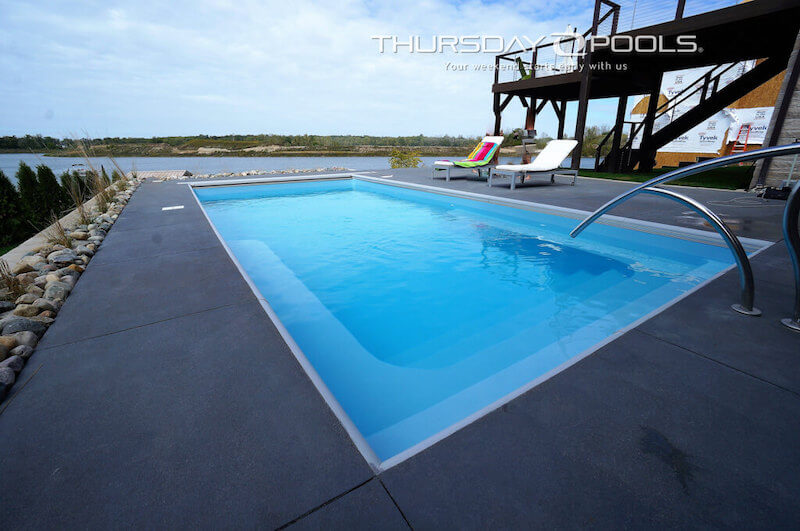
A FEW THINGS YOU MAY NOT KNOW ABOUT FIBERGLASS POOLS

Here are a few quick facts about fiberglass pools that are helpful as you make your assessment of value:

Fiberglass pools are quick to install. Fiberglass pools typically take just a few weeks to install. The shell is pre-built in a controlled factory environment and arrives ready to put in at your site. 

Fiberglass pools are aesthetically pleasing. They look good! The gelcoat finish of a quality-made and maintained fiberglass pool retains its beautiful appearance long after installation. 

Fiberglass pools are not slippery. The shiny gelcoat finish appearance may lead you to think fiberglass pools are slippery. However, the smooth, durable fiberglass surface is non-skid and non-snag for stepping, walking, or sitting on the surface. 

Fiberglass pools are durable. Fiberglass pools can last decades with minimal maintenance and no need for resurfacing, acid-washing, or relining. 

Fiberglass pools are feature-rich. Today’s fiberglass pools have the most in-demand built-in features, like tanning ledges, wide-entry steps, wrap-around bench seating, and swim-outs. 

Fiberglass pools require the lowest maintenance. Fiberglass pools are easier and less expensive to maintain because they are durable and resistant to algae and mineral deposits.  

COMPARING THE INVESTMENT IN FIBERGLASS VERSUS GUNITE OR VINYL 

Let’s dig a little deeper into those fiberglass pool pros and how they compare with gunite and vinyl-lined pools: 

Installation. A vinyl pool can cost a little less than fiberglass upfront but often takes longer to install because pool builders create them onsite. And a gunite pool will cost more than fiberglass or vinyl and can take three to six months to install. 

Aesthetics. Your neighbor will not mistake a ten-year-old vinyl pool for new. You’ll probably need to get a new liner after only five to seven years. A gunite pool can look good for years, but maintaining a like-new appearance requires acid washing and a significant investment in regular maintenance. 

Feel. Gunite feels and looks solid. Its porous surface may also have a more rough feel on feet and paws alike versus other pool types. . Vinyl generally feels soft and comfortable, but wrinkles and seams can cause tripping. Both vinyl-liner and gunite pools can be slippery due to algae buildup.

Features. Installing a vinyl-lined pool with complex features, like wrap-around benches, isn’t impossible, but it adds to both the cost and number of seams (which can harbor algae). You can build a gunite pool with any features you want, but they will be custom, more expensive, and may make cleaning the porous surface more difficult. 

Durability and Maintenance. Vinyl can more easily tear from the scratch of a dog’s nail, and, as mentioned before, you’ll likely need to replace the liner after five to seven years. Gunite’s surface is porous and typically needs to be resurfaced after ten to twelve years on average. In addition, gunite requires more regular maintenance, scrubbing, and chemicals than fiberglass pools.

TIPS TO ENSURE YOUR FIBERGLASS POOL IS A GOOD INVESTMENT 

Don’t try to DIY. When you learn that fiberglass pool shells are durable and arrive at your site already constructed, it’s tempting to think you could save money by doing it yourself. We  don’t advise that approach, especially if you’re thinking long-term about your investment. Warranties are invalid if a qualified dealer or installer doesn’t install the pool. And the technique, know-how, and tools an installer brings to the table are invaluable.

Installers need access. Fiberglass swimming pools are unique in that they arrive as constructed shells, as big as 41′ x 16′. If your backyard site is challenging to access, consult with a dealer. There may be an additional effort and investment required to get your pool into the desired location in some situations.  

Marketability. The National Association of Realtors estimated a fiberglass pool could add more than 5% to the resale value of your home. However, according to HomeLight’s Top Agent Insights Survey for Spring 2021, with the current demand for pools skyrocketing, homes with pools are garnering 69 percent more than those without pools. The exact return on investment will vary. However, in a competitive market, the presence of a beautiful, relatively easy-to-maintain fiberglass pool could be a differentiator that gives your home a selling advantage. 

Value comes with use. It’s not easy to calculate the return on investment of a fiberglass pool in the same way you might a mutual fund. And you probably won’t purchase a fiberglass pool to stage your home the way you might add a new coat of paint or carefully place a new sofa in the living room. We derive much of the value from our pool through its use.

Investment in yourself. Imagine how you will use a fiberglass pool and how that investment will add value to your life. A fiberglass pool is an investment in: 

  • Your social life
  • Childhood enjoyment and family life 
  • Your health and well-being
  • Aesthetics and pleasure 
  • Connection to nature and each other 

As you can see, whether a new fiberglass pool is a good investment or not is somewhat of a personal choice. Before you make your final decision, we urge you to talk with a dealer and discuss your unique situation. 

What is the Downside to Fiberglass Pools? 3 Myths & 3 Truths

Thursday Pools Fiberglass PoolIf you are considering an inground pool, you will quickly realize that much information is available. You will likely first consider what type of pool is right for you as you compare the three different inground pool types. Looking for the pros and cons of fiberglass pools vs. concrete or vinyl liners can help you narrow down your preferred pool type. If you’ve already narrowed it down to fiberglass pools, you may even have Googled, “What is the downside to fiberglass pools?” or  “How long do fiberglass pools last?” to see what results you may get. (Smart move). Though it may seem odd that a fiberglass pool manufacturer is addressing this question, it would be even more strange to pretend that a fiberglass pool is for everyone. Everyone should buy the best pool type for them, so this post will address some myths and truths about the downside to  fiberglass pools.

What are the perceived negatives of a fiberglass pool?


Myth 1: Fiberglass pools are slippery.

Between the clear water shimmering in the sun and the high-gloss finish of a fiberglass pool, it’s logical to think it’s slippery. However, over the years, technological advances have resulted in a gelcoat finish for fiberglass pools that is smooth but non-skid. Fiberglass pools are comfortable on your feet (and your pet’s paws), will not snag your suit, and they aren’t slippery. But of course, anywhere there’s water can cause accidents to happen, so always be careful when entering and exiting or walking around any pool type.


Myth: Fiberglass pool designs are “slim pickins.” 

Some people assume fiberglass pool designs are punched out like widgets because they are manufactured in a controlled environment and shipped to the site. Go back a few decades, and there indeed were fewer options. However, today, fiberglass pools come in an array of sizes, shapes, and colors. Fiberglass pool manufacturers like Thursday Pools are constantly innovating to provide new options and built-in features, such as beach entry pools (Patent US 10,472,839)


Myth 2: Fiberglass pool designs are “slim pickings.” 

While fiberglass pools are manufactured from molds in a controlled environment and shipped to your site, there are many options. Go back a few decades, and that wasn’t the case. However, modern fiberglass pools come in an  array of sizes, shapes, and colors. Thursday Pools is constantly innovating to provide new options and built-in features to our fiberglass pool shells and was first on the scene with  beach entry fiberglass pools (Patent US 10,472,839). 


Myth 3: Fiberglass is weak and brittle compared to other pool types.

Don’t be fooled by the name—fiberglass is not fragile. In reality, fiberglass is incredibly strong and flexible, making it highly resistant to cracking and wear. Fiberglass pools withstand shifts in soil and ground movement, making them durable in varied climates. A testament to their durability, fiberglass pools can last several decades when properly maintained. 


What are the negatives of a fiberglass pool?


Truth 1: Fiberglass pools aren’t customizable in terms of size and shape.  

Because they arrive on site in one piece, and the Department of Transportation limits what can be hauled down our roads without tighter regulations and a more extensive approval process, fiberglass pools are typically only 16 feet wide. So, fiberglass may not be for you if your pool must extend beyond 16 feet wide or 40 feet long. You also can’t get a fiberglass pool shaped like a guitar (unless a fiberglass pool manufacturer adds it to their design lineup).


Truth 2: The initial cost may be higher than other pool types. 

It will likely cost more upfront to purchase a fiberglass pool than some other pool types. However, because you’ll save on maintenance and there is no liner to replace, the lifetime cost of a fiberglass pool is typically lower. So, if you need to spend less upfront, fiberglass may not be your best option. Check out our Pool Cost Calculator if you’d like a ballpark estimate for a fiberglass pool.


Truth 3: It’s not a DIY project. 

A fiberglass pool is a lifetime purchase, but that’s only true if properly installed. A DIY installation voids the pool’s warranty. In any case, we wouldn’t recommend that the average homeowner, or even an above-average DIYer, attempt to install a fiberglass pool. That’s one reason we don’t sell directly to the general public. An experienced pool builder should install a fiberglass pool to prevent horror stories like the pool popping out of the ground or damage to the pool or house from trying to position the pool.


More Research Options

Check out YouTube, Pinterest, Houzz, and fiberglass pool reviews if you want more research options. Use our online resources, such as our  “Everything You Need To Know About Fiberglass Pools” page. Or  talk to an independent dealer. Consider what questions you might ask them in advance. Questions for a pool builder might include: Do they have a warranty? What type of pool is their specialty? What is their lead time, and what does their installation schedule look like? What pool shapes, sizes, and design options do they offer? What about financing? 


There are advantages and disadvantages to fiberglass pools, so it’s essential to determine what you are looking for in your swimming pool to make the best decision for your and your family’s needs. Hopefully, this article has aided your decision, as fiberglass pool regrets are the last thing we’d want a pool buyer to experience.


What Type of Pool is Easiest to Maintain?

What type of inground pool is the easiest to maintain? Is it concrete (gunite)? Or vinyl? Maybe it’s fiberglass? It’s an important question for the prospective pool owner. Maintenance is part of the budget and the pool lifestyle. The pool maintenance conversation is interesting in that the pool types that require the most maintenance require the most explanation. That’s not meant to scare you away from something you have your eye on, but to let you know what to expect when it comes to the time and financial resources you will pour into your pool once it is purchased. 

The variety of pool types exists for a reason. Each leverages different materials and technology toward specific purposes. Fiberglass is unique and manufactured in a controlled setting and then shipped as a unit to its site. Concrete can be very custom, is built on site, and can be quite expensive. Vinyl is also built on site, but it is relatively inexpensive to install. Let’s review the pluses and minuses of each pool type and then talk about where maintenance fits into the purchase decision for different buyers. 

For this conversation, we’ll assume you are an inground pool buyer. Above-ground pools are part of the pool market, of course, and they are incredibly inexpensive by comparison, but they typically do not last as long. In addition, the experience they offer is very different from  an inground swimming pool. We’ll discuss concrete, vinyl-lined, and fiberglass inground pools, and we’ll order that discussion from most maintenance to least maintenance. 

Concrete (Gunite) Pool Pros and Cons

What Type of Pool is Easiest to MaintainConcrete pools allow for customization and creativity. They offer the most flexibility of all pools, allowing the buyer to choose the look, feel, shape, depth, size, and features. The concrete pool surface is typically rough, and as a result, can snag swimsuits and scrape kids’ feet and dogs’ paws. The cost can be higher, ranging from $50,000 to $120,000 and up. Concrete pool costs vary broadly based on customizations and region of the country. 
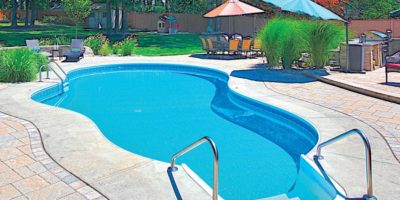
Concrete pool maintenance is the most involved of the three types of inground pools. The surface’s porosity welcomes algae, and  algae is tough to get at. It typically requires a weekly scraping with a steel brush to get in those nooks and crannies. To stem the algae problem, you’ll probably need a professional cleaning every three to five years for around $500. To protect the surface, you’ll also need to resurface it every 12 to 15 years for approximately $7,000 per 1,000 square feet.

Water chemistry is essential for all pools. It takes extra vigilance to ward off algae and salt, calcium and other minerals with concrete. This care generally requires filtering twice a day, therefore paying a little more in annual electrical costs. Most concrete pool owners will need or choose to hire a professional to open, close, or do a thorough cleaning each year, as well. 

The average concrete pool owner can expect to perform around 4-8 hours of maintenance per week. 

Vinyl Pool Pros and Cons

Vinyl pools also allow for a certain amount of creativity. Vinyl-lined pools can feature ledges, sitting benches, and the like. But the surface is slippery and not as conducive to these features as other types of pools. The soft vinyl surface is prone to ripping and punctures by everything from dog claws to sharp objects dropped in the pool to fallen tree limbs. Vinyl pools are relatively quick to install and, at around $25,000 to $65,000 on average, these pools are the least expensive of the three in upfront costs. 

Vinyl-lined pool maintenance is not as extensive as concrete, and you certainly won’t be using aWhat Type of Pool is Easiest to Maintain steel brush on its more delicate surface. Your level of care will depend in part on how much you use it and how proactive you are with regular maintenance. Its propensity to rip can result in the need for patching and or liner replacements. Liner replacements can be a $3,000 to $7,500 investment every five to seven years. If water chemistry isn’t carefully maintained, the liner may need to be replaced more often. The seams of a vinyl pool can also collect algae, keeping your regular chemistry costs about double to fiberglass. With a vinyl pool, you can save a little money by filtering one time per day and using fewer chemicals than you would with concrete, and you may not need to hire a professional as often as you might with a concrete pool. 
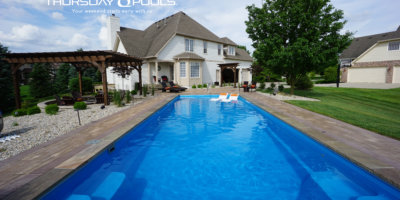
The average vinyl-lined pool owner can expect to perform around 4-6 hours of maintenance per week.

Fiberglass Pool Pros and Cons

What Type of Pool is Easiest to MaintainFiberglass today provides the best of both worlds. Like a vinyl pool, it is quick to install—quicker in that it comes as an entirely manufactured shell ready to be dropped into an excavated backyard spot. While not as customizable as concrete pools, the breadth and creativity of the modern fiberglass pool far surpass the expectations of many first-time pool shoppers. The upfront cost of a fiberglass pool is usually a little more than vinyl and a little less than a comparable concrete pool, ranging from $45,000 to $85,000 on average. 
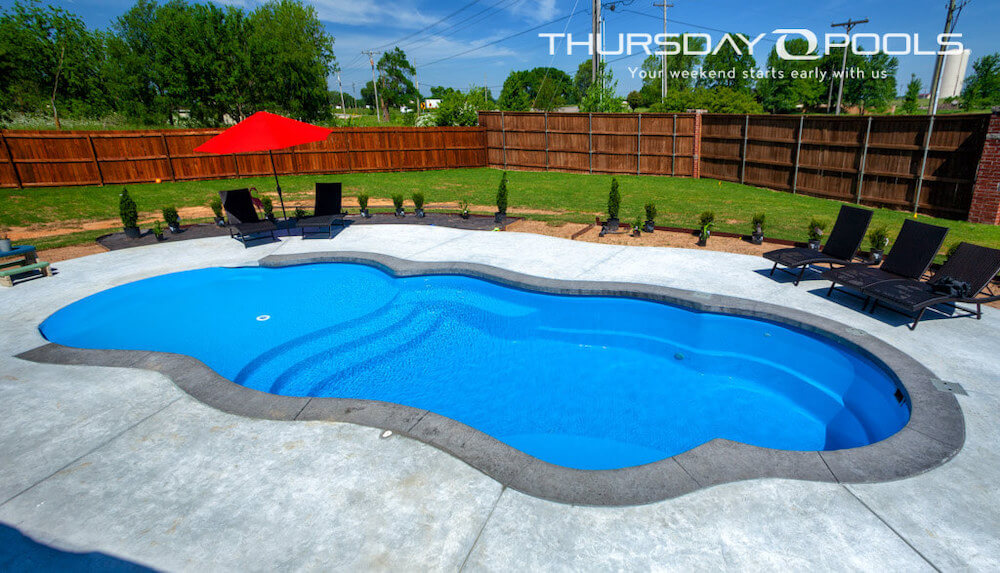
Fiberglass pools are the most durable of the three. The attractive gel coat that seals the surface of the thick, multilayered fiberglass material resists fading and damage. There are no seams and pores to collect algae, so that alone saves on chemicals and quite a bit of time scrubbing.

Fiberglass pools require fewer chemicals and less filter circulation, even with cutting-edge features like tanning ledges. If a concrete pool can cost close to $700 annually for chemicals and around $600 for electricity related to the filtering, a fiberglass pool should run about a third of that cost. And, you do not need to acid wash the surface every three years as you would with concrete. 

The average fiberglass pool owner can expect to perform around 1-2 hours of maintenance per week. 

Long story short, the type of inground pool that is the easiest to maintain is clearly fiberglass. If you want an even more in-depth comparison of vinyl vs concrete vs fiberglass pools, check out our comparisons of inground pools.

What Are the Main Problems with Fiberglass Pools?

Thursday Pools side view of Sandal Beach Entry with gray border

While fiberglass pools are elegant, have loads of built-in features, are recognized in the industry as the lowest maintenance option available among pool types, and last a very long time, we understand why some may still ask, “what are the main problems with fiberglass pools?”. An inground pool is a significant investment of time and money, and potential pool buyers want to know if they will be happy they chose a  fiberglass pool in the end—after all, no one wants to experience fiberglass pool regrets.

We applaud you for looking into it. Searching for possible negative aspects will bring perspective and prepare you to be a more informed pool buyer because:

  1. It helps dispel common misperceptions of fiberglass pools.
  2. It clarifies the type of care and quality you should expect from manufacturers and installers.
  3. It sets realistic expectations for annual and ongoing maintenance. 

Let’s review common questions related to what people think are the main problems with fiberglass pools and weigh the validity of the concern. 

Is a fiberglass pool worth the money? 

This question often comes from perceptions based on dated or unlikely occurrences. The top three perceptions we hear are:

  1. A fiberglass pool is thin and flimsy and will crack easily. 
  2. A fiberglass pool is prone to separating from its deck, bulging, or even popping out of the ground. 
  3. Last is the belief that there are too few design options with fiberglass pools.

The first perception is related to an outdated image of fiberglass pools. They aren’t what they used to be, and that’s a great thing. Not everyone is familiar with the  advances in fiberglass pool manufacturing and installation, which make fiberglass pools incredibly durable and exponentially increase their lifespan. If you’re new to modern fiberglass pools, it’s probably worth your time to investigate the construction and  design innovation that’s helped fiberglass to grow so popular. 

The second perception is a case of the exception obscuring the rule. You may have read or heard a horror story of a fiberglass pool installation gone wrong, and yes, incorrectly installed fiberglass pools (or any pool type) can fall victim to hydrostatic pressure and come out of the ground if not properly installed. Unforeseen problems like this are why it is important to leave fiberglass pool installation to pool builders and not attempt to tackle it as a DIY project. Additionally, there are innovations out there to help combat these concerns, such as our  Geo-Anchoring Pool System that anchors the walls to the earth so they resist movement or bulging of the pool walls.

The third perception usually comes from either first-time pool buyers or those with fiberglass experiences from decades ago when in-ground  fiberglass pool design options were far more limited than today. If you imagined an oval or rectangular bowl with a metal ladder hanging over one end, you’d be pleasantly surprised by the shapes and options available with fiberglass. The fiberglass pool industry has flourished with accessible and affordable innovations in designs. High-end features like tanning ledges, beach entries, wrap-around bench seating, and swim-outs are built-in. Modern fiberglass pools provide a custom look and feel without the custom expense of some other pool types. However, you are limited to the designs offered by the fiberglass pool manufacturer. Customizing the pool shell itself isn’t an option, and sizes are often limited to no bigger than 16 feet wide due to shipping restrictions. Depending on what you’re looking for in your pool project, these may be potential disadvantages of fiberglass pools. 

Will my inground fiberglass pool come with built-in issues? 

Any pool can develop leaks and warping if poorly manufactured or installed. Expertise is vital at the  manufacturing, transport, and installation stages to prevent issues like these from arising. When you own a pool, damage due to improper maintenance might be in your hands. However, before you can take your first dip, your pool is in the hands of others.

Check if the fiberglass pool shell manufacturer uses the most durable materials and technologically advanced manufacturing methods. Following industry-recognized standards,  like ISO 9001, for quality and safety can indicate a quality manufacturer. Some fiberglass pool shell manufacturers have experienced problems keeping up with production, which is a potential fiberglass pool problem for some. However, Thursday Pools has continually reinvested in expanding our capabilities, enabling us to maintain highly competitive turnaround times.

Can you repair a fiberglass pool?

Yes, you can, but we don’t recommend doing it yourself. It may be tempting to take matters into your own hands and start looking into a fiberglass pool repair kit should issues arise. Unfortunately, certain materials and tools are unsafe for a fiberglass pool’s finish if used or not used correctly, and it’s best left to professionals. The more significant point to remember is that it’s rare that you should need repairs if you properly maintain your new fiberglass pool. 

Fiberglass pools are incredibly durable and are known for being lower maintenance than other inground pool types and may last for many years. Lower maintenance does not mean no maintenance, though!  Maintenance is an important part of owning a fiberglass pool. As with any inground pool, it is vital to follow the manufacturer’s recommended care instructions to ensure the quality of the pool is maintained. Proactively maintaining proper water levels and chemical balance, cleaning filters, and basic upkeep prevent problems with fiberglass pools. 

Congratulations on Doing Your Research

We think it’s great that you are committed to making an informed decision. We hope this information has helped you feel more comfortable in whichever choice you make. If you need more information before deciding, try out our  Pool Cost Calculator for ballpark estimates. Check out our guide on  fiberglass pools, or  connect with an independent dealer near you to discuss your dream pool project.