An inground swimming pool is a significant, long-term investment, homeowners should weigh their options carefully and choose the type of pool that will fit their needs for as long as they own their home. We know it’s tempting to just go with the pool type you can get the soonest—resist the urge! Fiberglass pools are an inground pool option that is both worth the wait and fits a wide array of buyers’ lifestyles. You may have questions: Is a fiberglass pool worth the money? How long do fiberglass pools last? What is the downside of fiberglass pools? In this blog post, we’ll discuss fiberglass pools pros and cons.
Fiberglass Pools Pros and Cons
The Pros:
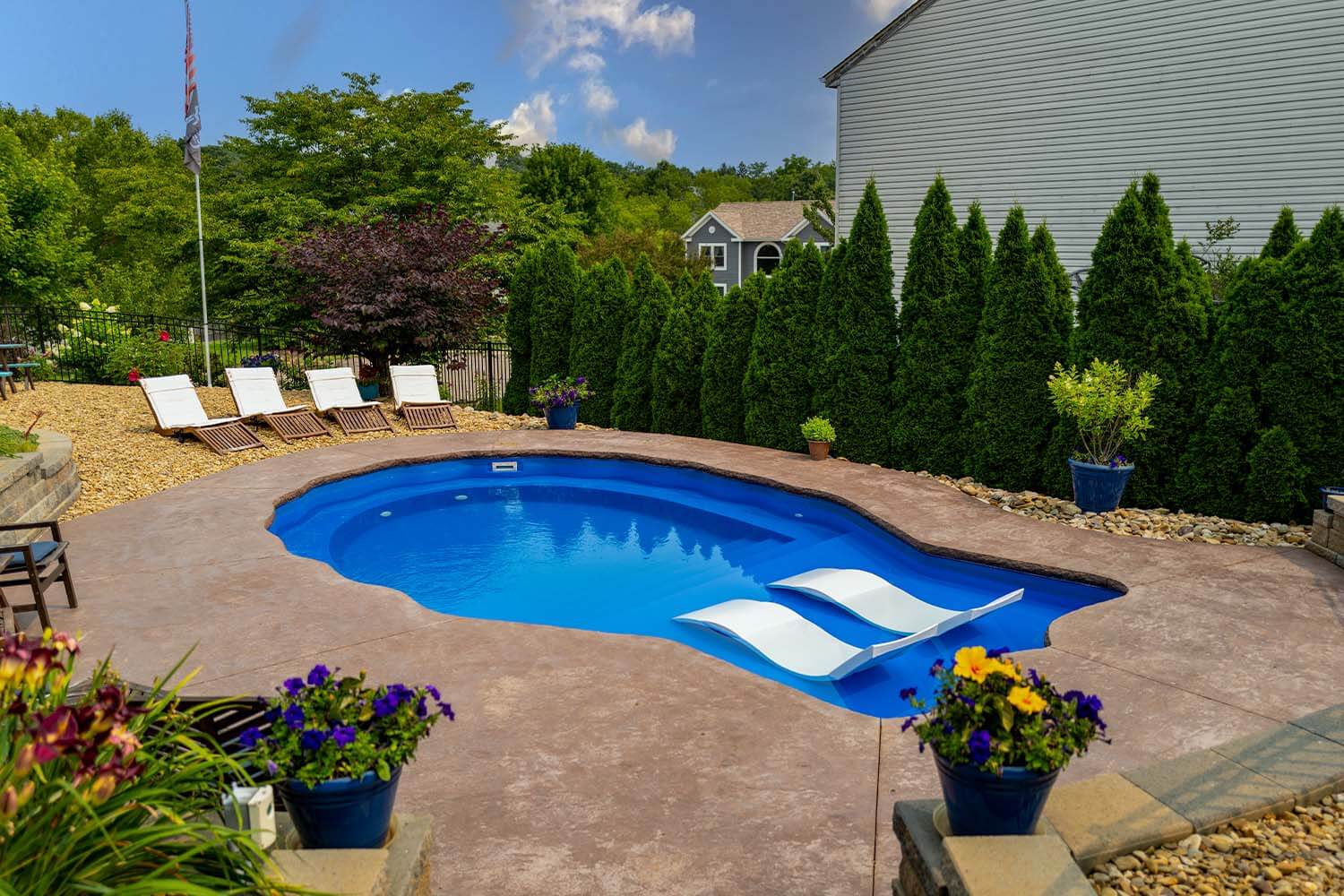
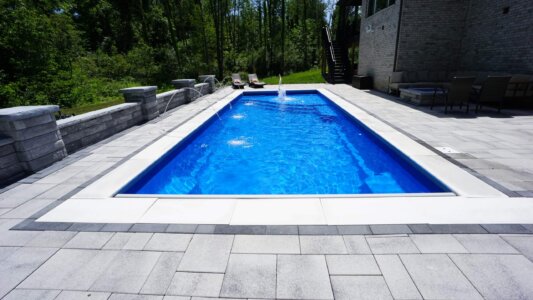
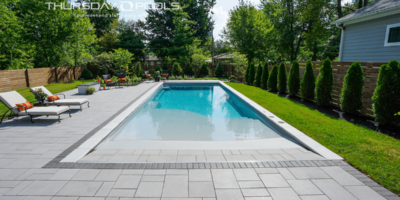
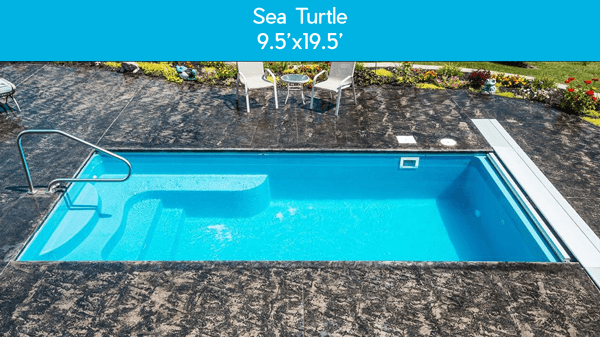
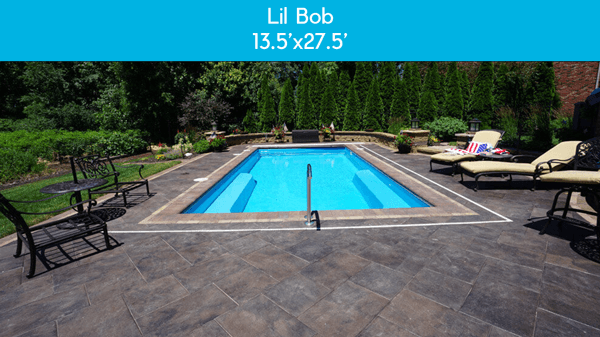
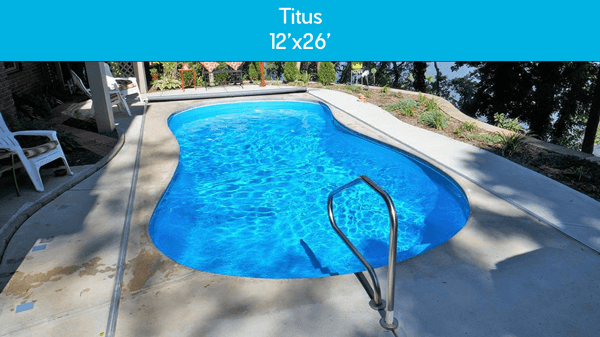
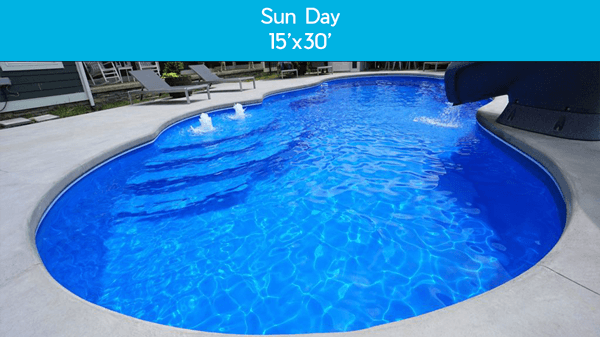
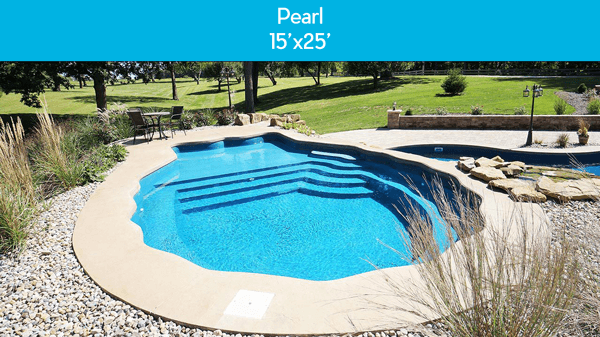
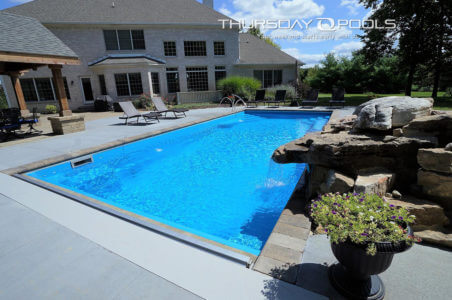
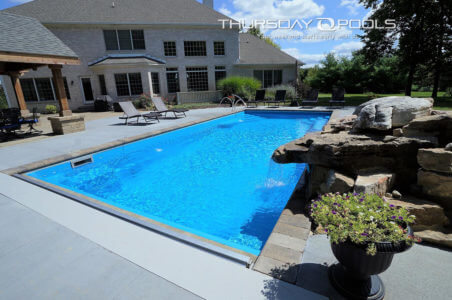
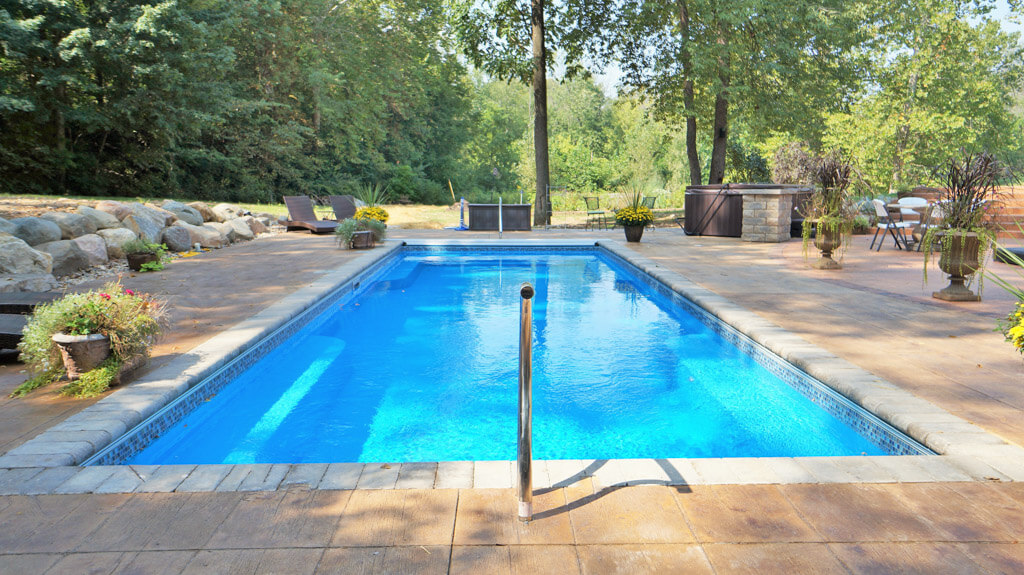
- Design Options. At one time, fiberglass pool design options were limited. Modern fiberglass pools come in various shapes, sizes, and colors that complement any backyard design. Go sleek and contemporary or free-flowing and laid back – there is a design and size for every situation. You can easily customize them with tilework that matches your personality and aesthetic.
- Built-in High-End Features. Fiberglass pool shell designs include some of the hottest trends in inground pools. Depending on your chosen model, many desirable and artful features like tanning ledges, swim-outs, and wrap-around benches are built-in. Elements once considered only for the realm of resort pools, like beach entries (zero entries), are now built into fiberglass pools.
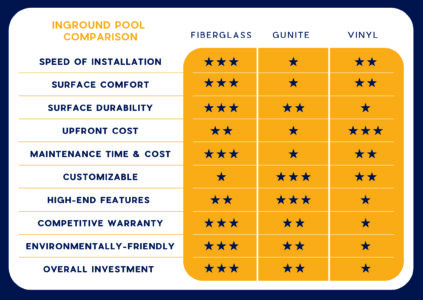
- Smooth, Non-skid Finish. Concrete (gunite) inground pools tend to have a porous, rough finish, and vinyl pools are often very smooth to the touch but can become slippery when wet. With a fiberglass pool, you have a gel coat finish that looks polished and shiny but is non-skid and non-snag! Of course, any pool type can pose a fall risk, so always be careful as you enter and exit the pool!
- Durable. Don’t be fooled by the “glass” in the word fiberglass. While not all fiberglass pools are equal, we build Thursday Pools fiberglass pools with nine layers of strength, with both the structure and surface lasting for decades with less maintenance required than other pool types. Non-porous fiberglass inhibits algae and other minerals that break down other pool-type finishes. Whereas a vinyl liner typically needs to be replaced every eight to ten years on average and a gunite pool needs replastering after 10 to 15 years on average, a fiberglass pool can last a lifetime with proper pool maintenance!
- Lowest Maintenance. It’s generally accepted that fiberglass pools have the lowest maintenance cost of all three pool types. A fiberglass pool’s ten-year maintenance costs could be around $5,750 on average, whereas other pool types maintenance costs can be much higher. A big part of long-term gunite pool maintenance costs involves steel brushing the surface every week, acid washing an average of every three to five years, and resurfacing an average of every 10 to 15 years. For vinyl liner pools, replacing the liner every five to nine years or so will need to be factored into maintenance cost plans. Because there is seldom a need to resurface fiberglass, and fiberglass pools require fewer chemicals, you can anticipate lower maintenance costs over the pool’s lifetime.
- Quick to Install. Vinyl and gunite pools are built on-site and are subject to the elements and potential delays that inclement weather brings to construction projects. Fiberglass pools are constructed in a controlled factory environment. When it arrives at your home, it is ready to be put into place. The process can occur in as few as three weeks during non-peak seasons. Compare that with concrete pools that typically take three to six months to install and vinyl liner pools that could take six to eight weeks.
- Pet-friendly. Concrete inground pools can be rough on your pet’s paws, and vinyl inground pools can be slick, causing slips or tears when they come in contact with pet nails. The durable, non-skid surface of fiberglass resists scratches and tears from toenails and prevents slipping when your pet attempts to get out of the pool.
- Increased Home Value. As home resale value varies by location and condition, a home with a pool’s resale value also varies by type of pool installed. Because of the lower long-term maintenance costs, fiberglass pools tend to be preferred by homebuyers and can increase the value of your home.
- Environmentally More Friendly. Non-fiberglass pools can leach chemicals and rust back into the groundwater. And acid-washing can result in harm to the environment. Fiberglass pools don’t pose these types of environmental problems. If you go with a fiberglass pool manufacturer committed to the environment, you are taking steps to contribute to a greener world.
The Cons:
- It’s not a DIY Home Project. We recommend that an independent dealer installs your fiberglass pool. If you go with a non-licensed installer, the performance and durability of your pool can suffer. With a DIY approach, you may not get to enjoy your pool until you fix all the mistakes. Common problems people have when trying to install a fiberglass pool on their own are getting the pool level and pouring coping around the fiberglass pool. These can be expensive errors to correct.
- Size Limits. Gunite and vinyl pools are built on-site, so there is flexibility if you want to go big with your pool. One of the disadvantages of fiberglass pools is that they are generally limited in size and shape by what can be transported from the factory to your backyard. Road restrictions limit the size of a fiberglass pool to approximately 16′ wide x 40′-41’ long.
- Customizability. Fiberglass pool designs are surprising in their breadth of features and shapes, but they are pre-built, so the manufacturer’s parameters can limit you. For example, if you have your heart set on building a guitar-shaped pool, you’ll likely need to look into gunite. Additionally, if the fiberglass pool design you want comes with a tanning ledge that you don’t want, you will also need to look at another pool type.
- Access/Space for Installation. Because we transport a fiberglass pool shell in one piece to your backyard, you must have backyard access and space. Installers often use cranes and other heavy equipment to get the pool to its destination and this need for access and freedom to move a large object can be a dealbreaker.
A fiberglass pool is not for everyone, but we still believe there is someone for every Thursday Pools fiberglass pool. Knowing fiberglass pool pros and cons is a step toward finding your fit. Check out our Pool Selector Tool to find your match or get started with an estimate.
Contact a dealer to talk about a new fiberglass pool today. With Thursday Pools, your weekend starts early!
 Yes! Over the last 30 years, fiberglass pool manufacturers have taken customers’ most loved inground pool features and designed them into the fiberglass pool shell. When comparing fiberglass vs vinyl pool cost or fiberglass vs concrete pool cost, you should factor in the features because many that are built into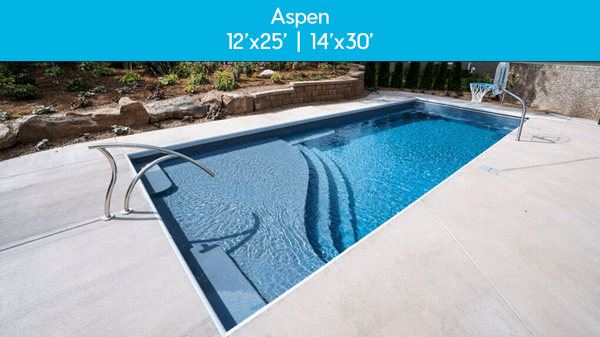
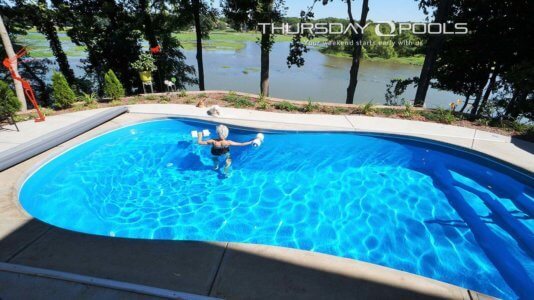
 thing to help you accomplish those goals. Water exercise has loads of health benefits, including weight loss, increased strength and muscle tone, joint pain relief, improved cardiovascular health, reduced stress, and increased fun (which is also very good for you!)
  Ready to wade on in?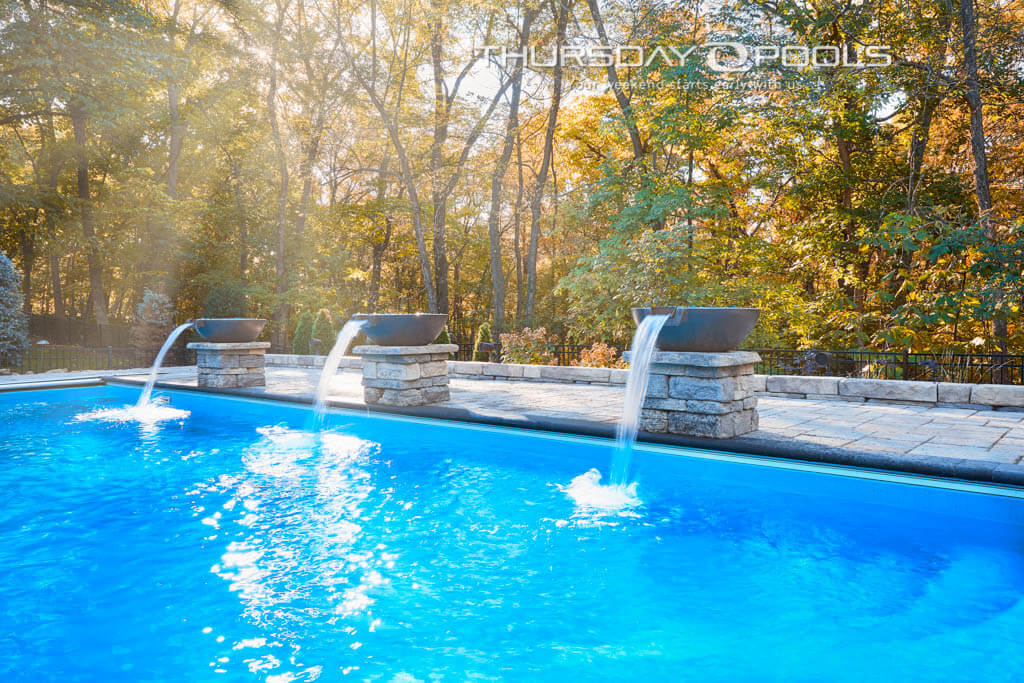
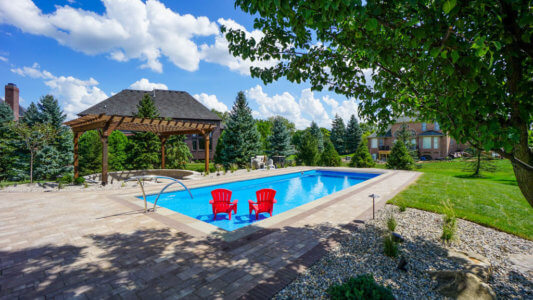 Obviously, summer is the time when we think about pools the most (especially when we don’t have one). But if you shop in the summer, you’ll likely have to wait until the following summer to enjoy your new pool. Starting in the spring will at least give you a headstart on pool installation season, but it still might be too late to get on your builder’s calendar for that year. So, fall and winter are great times to think about getting a new fiberglass inground pool. However, no matter when you start shopping, the only thing that really matters is
 They say all good things must come to an end. In the Midwest, that’s a sad but true reality for inground pool season. It’s nearing time to close the pool. To ensure a quick and easy spring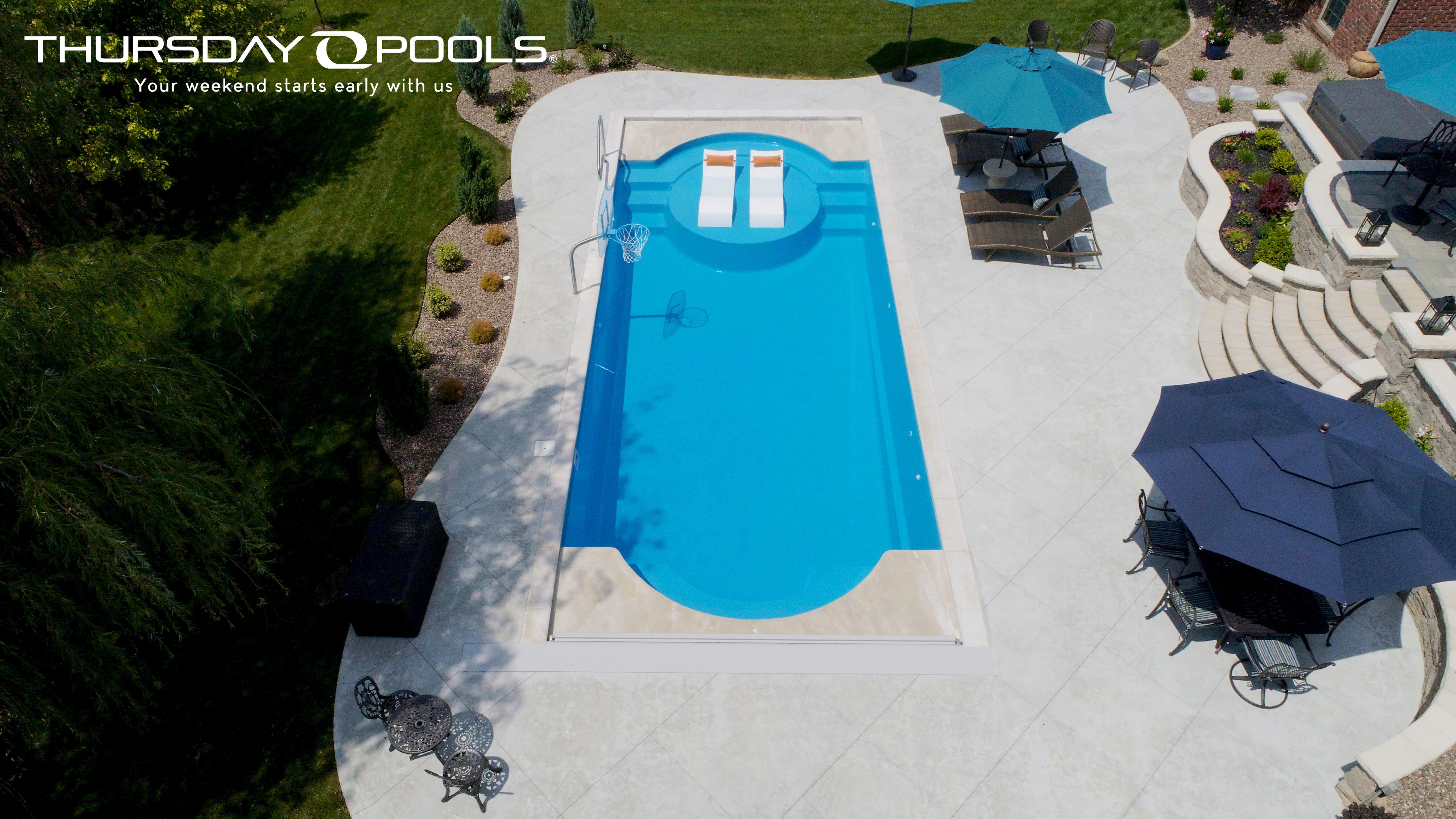
 You love your dog. Not just like, “He’s a good boy,” kind of love. It’s more like, “He is my baby” kind of love. Your dog is a member of your family. So, if you’re thinking of getting an inground pool, among the other factors you’re considering, you might be wondering what type of pool is best for dogs. You’ll be choosing among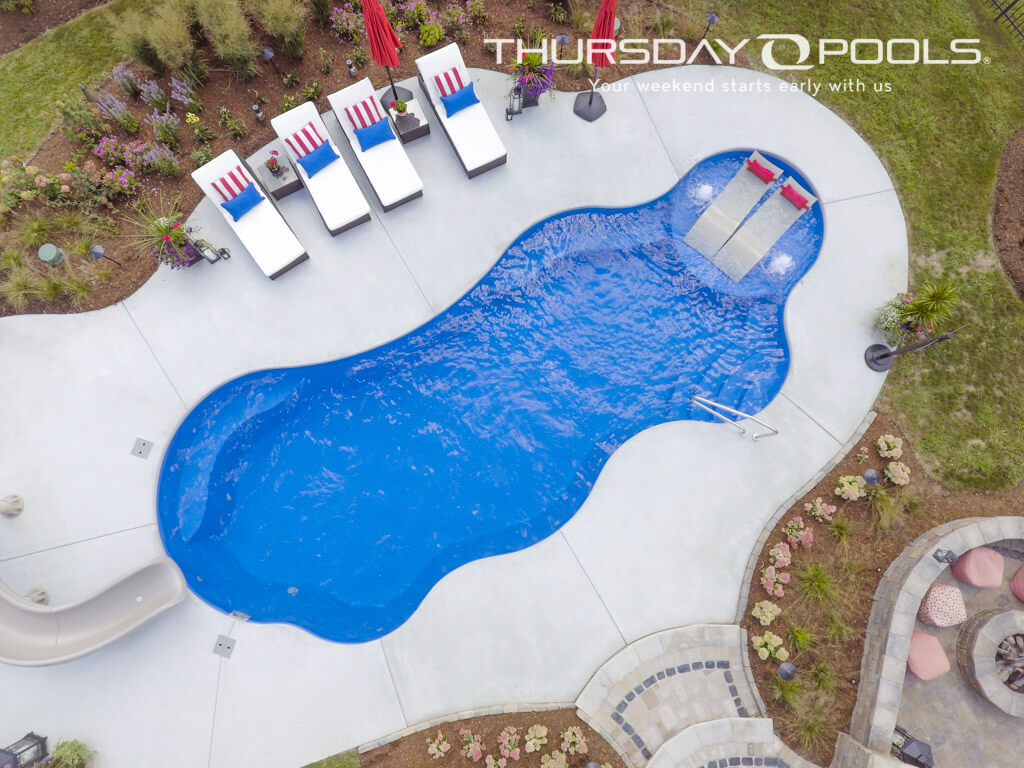
 There’s a pool in your community, and you’re eagerly anticipating spending your day off there … soaking up the sun, taking a refreshing dip whenever you get too warm, or closing your eyes and taking a little snooze. But when you’re sharing the pool with strangers, it’s often not quite the paradise you’re imagining. The water may be way too hot or way too cold for your taste. There may be a loud group sharing jokes that you don’t find funny. And what about the time you packed everything up to go to the pool, got yourself all settled in and realized you forgot the sunscreen? Yeah … your relaxing day at the pool is sometimes not so relaxing after all.
 I have been asked “can dogs swim in pools” many times, as well as if we should let our pets in general use the pool. (This typically means our dogs, because I don’t know too many cats who like to swim.) Well, that’s kind of like asking if you should allow your dogs to sit with you on your furniture or sleep with you in your bed. Will it be easier to keep your furniture and bedding clean if you don’t? YES. Will you reduce the risk of damage to your expensive couch if you don’t have a dog launching itself off of it every time someone rings the doorbell? YES. But, if your answer to the question: “Is your dog one of your children?” is also YES, you might be willing to take on a little extra wear, tear and cleaning in order to have the joy of sharing your pool with your pet. But if you do, you’ll definitely want to